
Florida, often affectionately known as the Sunshine State, beckons millions of visitors annually with its pristine beaches, vibrant cities, and world-class attractions. From the magical theme parks of Orlando to the art deco charm of Miami, and the historical streets of St. Augustine, the state offers an incredible array of experiences for every type of traveler. Whether you’re planning a family trip, a luxury travel escape, or a budget travel adventure, understanding the local laws and customs is crucial for a smooth and enjoyable visit. One area that frequently raises questions, especially for visitors from other parts of the United States or international guests from countries like Canada, the United Kingdom, Europe, or Asia, pertains to firearm regulations, specifically the concept of open carry.
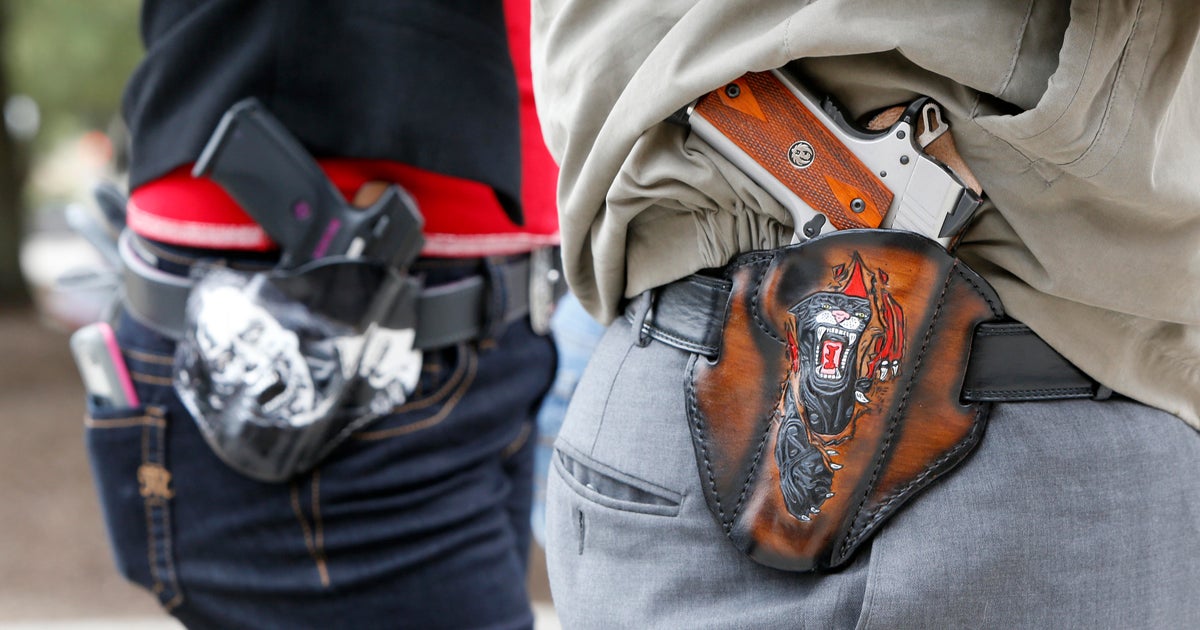
For those accustomed to different firearm laws in their home states or countries, navigating Florida’s stance on open carry can be complex. The goal of this guide is to provide a clear, comprehensive overview of what travelers and residents need to know about carrying firearms in public spaces in Florida, framed within the context of tourism and lifestyle planning. While we aim to provide accurate and helpful information for your Florida vacation, it’s important to remember that this article does not constitute legal advice. Firearm laws are subject to change and interpretation, so always consult official sources and, if necessary, legal counsel for specific situations.
Understanding Florida’s Firearm Laws for Travelers
When planning your trip to Florida, one of the most important aspects of responsible travel is familiarizing yourself with the local laws, especially those concerning potentially sensitive topics like firearm possession. The Sunshine State has distinct regulations that differentiate between concealed carry and open carry, and these distinctions are paramount for both residents and visitors.
The Basics of Concealed vs. Open Carry in the Sunshine State
In Florida, the general rule for carrying firearms in public is that open carry is largely prohibited. This is a critical point for anyone visiting or residing in the state to understand. Unlike some other states in the United States where open carry is widely permitted, Florida primarily operates as a “concealed carry” state.
What does this mean in practical terms? It means that if you are legally permitted to carry a firearm, it must be carried in a way that is not openly visible to the casual observation of others. This typically requires the firearm to be holstered or otherwise carried in a manner that keeps it hidden from view. To legally carry a concealed firearm in Florida, an individual must possess a valid Concealed Weapon or Firearm License (CWFL) issued by the Florida Department of Agriculture and Consumer Services, or a recognized license from a state with which Florida has a reciprocity agreement.
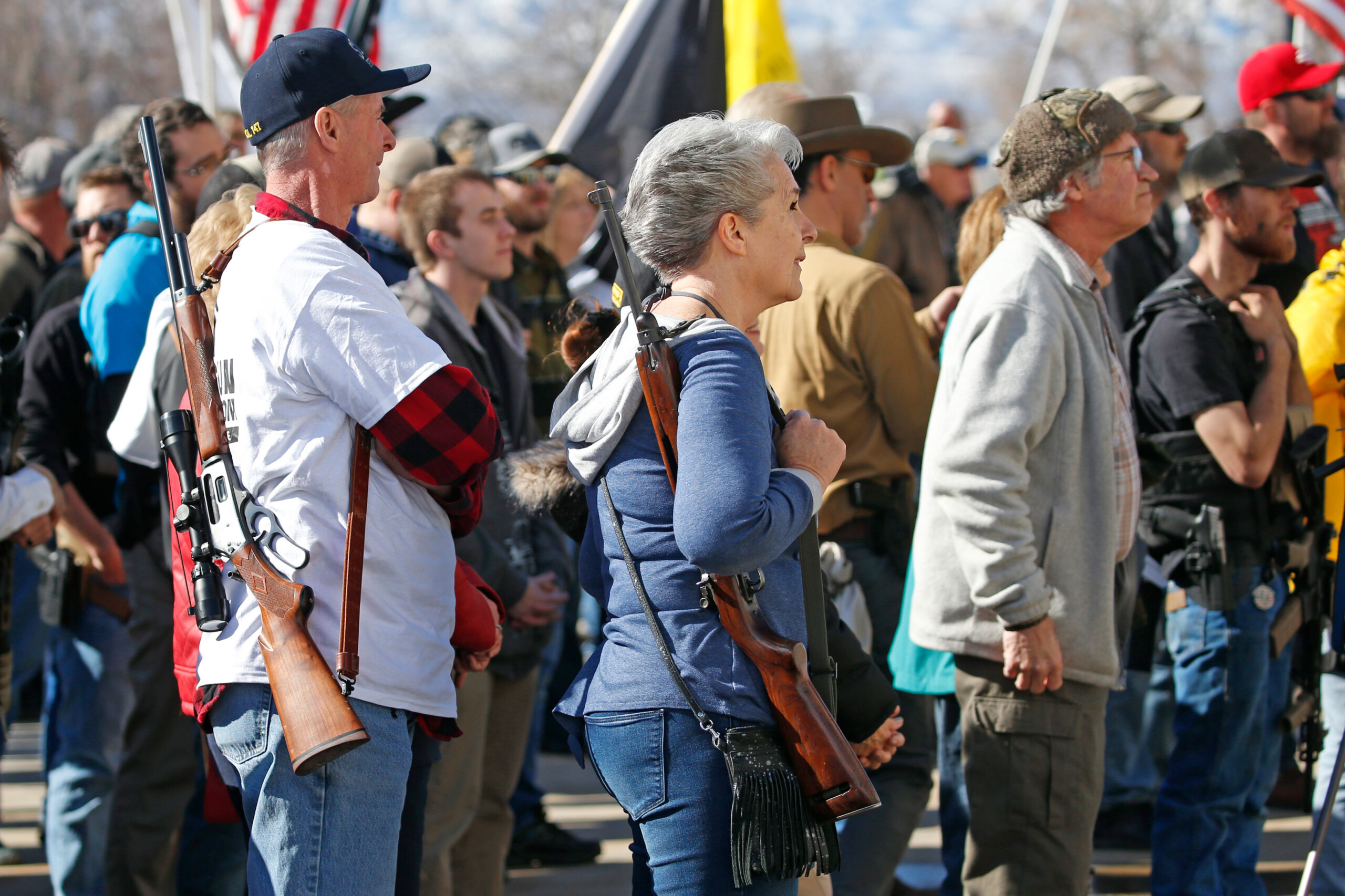
There are, however, limited exceptions to the open carry prohibition. These exceptions are specific and generally do not apply to the average tourist engaging in daily activities. For example, open carry might be allowed while hunting, fishing, or camping, or while engaged in specific target shooting or practice at an approved range. It can also be permissible when openly carrying a firearm on private property where you have permission, or by specific law enforcement officers or security personnel. These are niche circumstances, and for general travel and tourism purposes, the presumption should be against open carry.
Reciprocity and Out-of-State Visitors
Many visitors to Florida hold concealed carry permits from their home states. The good news for these travelers is that Florida recognizes concealed weapon or firearm licenses issued by other states, provided those states meet specific criteria set forth in Florida Statutes. This is known as “reciprocity.”
If you have a valid concealed carry permit from another state that Florida recognizes, you are generally permitted to carry a concealed firearm in Florida just as a Florida CWFL holder would. It is absolutely essential to verify if your state’s permit is recognized by Florida before you travel. The Florida Department of Agriculture and Consumer Services website provides an up-to-date list of recognized states. Misunderstanding reciprocity rules could lead to serious legal consequences, so don’t overlook this crucial step in your trip planning.
For international visitors, the situation is different. Without specific permits or legal provisions, non-U.S. citizens are generally not permitted to possess firearms in the United States, let alone carry them. If you are an international traveler with questions about firearm laws, it is imperative to consult with an attorney specializing in U.S. firearm law prior to your arrival.

Where Open Carry is Strictly Prohibited, Even for Permitted Individuals
Even for individuals who possess a valid Concealed Weapon or Firearm License and are legally carrying a concealed firearm, there are numerous locations in Florida where firearms are absolutely prohibited, regardless of open or concealed status. These “gun-free zones” are especially relevant for tourism and travel, as they include many of the places visitors are most likely to frequent.
Theme Parks, Airports, and Other Sensitive Locations
Florida is world-renowned for its theme parks, from the enchanting realms of Walt Disney World in Orlando to the thrilling rides of Universal Studios Florida and Busch Gardens Tampa Bay. It is a universal rule that firearms are strictly prohibited within these private establishments. Theme parks typically have clear signage at their entrances and implement security checks to enforce this policy. Attempting to bring a firearm into these attractions will, at best, result in your immediate removal from the premises and potential confiscation of the firearm, and at worst, criminal charges.
Similarly, airports are highly regulated environments. Federal law dictates strict rules for firearms at airports. While it may be possible to transport unloaded, cased firearms in checked luggage, carrying a firearm, concealed or open, within the sterile areas of airports like Miami International Airport or Orlando International Airport is prohibited and carries severe penalties. Always check Transportation Security Administration (TSA) guidelines well in advance if you plan to travel with a firearm via air.
Beyond theme parks and airports, other sensitive locations include:
- Courthouses and Polling Places: These are typically federal or state government facilities with strict security protocols.
- Government Meetings: Places where official meetings of governmental bodies are held.
- Any Law Enforcement Agency or Correctional Facility: Self-explanatory for security reasons.
- Seaports and Cruise Terminals: Similar to airports, these facilities have heightened security and specific rules regarding firearms, particularly when boarding cruise ships.
Public Gatherings and Educational Institutions
Florida is famous for its vibrant local culture, including numerous festivals, concerts, and public events that draw large crowds. Generally, carrying firearms, even concealed, may be prohibited at specific public gatherings or demonstrations, especially where alcohol is served. Organizers of private events may also prohibit firearms on their property. It’s always prudent to look for posted signage or check event rules before attending with a firearm.
Educational institutions are another category of places where firearms are generally banned. This includes:
- Any elementary or secondary school facility or administration building.
- Any college or university facility.
- School-sponsored events or athletic events.
These prohibitions extend to school buses and properties used for school-sponsored activities. The intent is to maintain safe learning environments, making these areas gun-free zones. This is particularly relevant for parents or guardians on a family trip who might be visiting college campuses or attending school events.
Understanding these prohibited locations is as important as understanding the general carry laws. Ignorance of the law is not a defense, and violations can result in significant legal trouble, disrupting what should be a pleasant Florida vacation.
Navigating Accommodation and Tourist Attractions with Firearms
For travelers who legally carry firearms, how these rules intersect with accommodation choices and various tourist attractions across Florida is a critical consideration. From hotels and resorts to national parks and beaches, differing policies and regulations can apply.
Hotel Policies and Your Stay
When it comes to hotels, resorts, apartments, or villas, the situation can vary. While Florida law generally does not prohibit individuals with a valid CWFL from possessing a concealed firearm in their rented hotel room, individual property owners and management have the right to set their own policies. Many large hotel chains, such as Hilton or Marriott, have corporate policies regarding firearms, which may range from allowing concealed carry to outright prohibition on their premises.
It is highly advisable to inquire about a hotel’s specific firearm policy before making your booking. This is particularly true for boutique hotels or smaller, independently owned accommodations that might have unique rules. Platforms like Airbnb or Booking.com often include host rules, but direct communication with the property manager is the safest approach. If a hotel prohibits firearms, they can request you to leave, and non-compliance could lead to trespassing charges. When staying at a hotel, secure storage of your firearm is also paramount, especially if you are traveling with family or plan to leave your room unoccupied. Many travelers opt for a gun safe to store their firearms securely within their accommodation.
Planning Your Itinerary: Beaches, National Parks, and Urban Centers
Florida’s diverse landscape offers everything from serene beaches like South Beach in Miami or the white sands of Sarasota to expansive natural preserves such as Everglades National Park and the charming streets of cities like Key West and Tampa. The rules for firearms can vary significantly depending on the jurisdiction and type of landmark or location.
- Beaches: Public beaches generally fall under state law, meaning concealed carry with a valid CWFL is usually permissible. However, local ordinances in cities like Daytona Beach or St. Petersburg might have specific rules regarding firearms at beaches, especially during large events. Always check local city regulations. Remember, open carry is generally not allowed.
- National Parks and State Parks: Federal law allows individuals to carry firearms in National Parks and wildlife refuges, as long as they comply with the firearm laws of the state and local jurisdictions where the park is located. This means Florida’s concealed carry rules generally apply in federal parks within Florida, such as Everglades National Park. State parks and forests in Florida also generally permit concealed carry, subject to specific park rules or posted prohibitions in certain areas like park offices or visitor centers. Again, open carry is restricted to specific activities like hunting (with proper licensing and in designated areas).
- Urban Centers and Tourist Attractions: Cities like Miami, Orlando, Jacksonville, and Tampa are bustling hubs with numerous attractions. While concealed carry might be allowed on public streets and sidewalks with a permit, many private businesses within these cities may prohibit firearms on their premises. This includes restaurants, bars (especially those primarily serving alcohol), museums, and certain entertainment venues. Look for “no firearms” signs, as failure to observe them could lead to being asked to leave or face trespassing charges. Notable exceptions include places like the Kennedy Space Center, which, as a federal facility, has its own stringent security rules regarding firearms.
- Boating and Waterways: For those enjoying the Florida Keys or other waterways, different rules may apply. While concealed carry on a boat is often permissible with a CWFL, regulations can vary depending on whether you are in state waters, federal waters, or crossing international boundaries (e.g., towards Mexico or other Caribbean nations).
When planning your Florida itinerary, a proactive approach is key. If you intend to carry a firearm, always research the specific rules for each destination or venue you plan to visit. Websites offering guides and reviews of attractions can be helpful, but direct contact with the venue is always the most reliable method for confirming their firearm policy.
Practical Tips and Safety Considerations for Responsible Firearm Owners
Responsible firearm ownership extends beyond understanding the law; it also encompasses safe practices, secure transport, and continuous vigilance. For those incorporating firearm carry into their Florida travel plans, these practical considerations are paramount for both personal safety and adherence to legal requirements.
Secure Storage and Transport During Travel
The method of transporting a firearm to and within Florida is just as important as knowing where you can carry it.
- Vehicle Transport: In Florida, if you do not have a concealed weapon permit, a firearm must be “securely encased” or otherwise not readily accessible for immediate use. “Securely encased” typically means in a closed box or container, a gun case, a zippered gun case, or a holster with a snap, strap, or other device that prevents the firearm from being readily accessible for immediate use. It can also be in the glove compartment, console, or trunk. The critical element is that it’s not “on your person” or directly “available for immediate access” without a permit. For those with a CWFL, concealed carry in a vehicle is generally permitted on your person.
- Air Travel: As mentioned, air travel with firearms is governed by federal TSA regulations. Firearms must be unloaded, declared to the airline, and transported in a locked, hard-sided container as checked baggage. Ammunition must also be securely packed in specific containers. Never attempt to carry a firearm or ammunition onto a plane in your carry-on luggage.
- Hotel and Temporary Accommodation: When not carried, firearms should always be stored securely to prevent theft or unauthorized access, especially by children or other guests. Utilizing a portable gun safe within your hotel room or rental accommodation is a highly recommended practice.
Seeking Local Legal Advice and Staying Informed
Firearm laws, even within the United States, are incredibly diverse and subject to frequent changes. What is legal in Texas might be strictly prohibited in Florida.
- Official Sources: Always refer to the most current information available from official state sources, such as the Florida Department of Agriculture and Consumer Services, which oversees concealed weapon licensing.
- Legal Counsel: For any specific or complex questions, especially those involving unique circumstances or if you are an international traveler, consulting with a Florida-licensed attorney specializing in firearm law is the safest course of action. They can provide tailored advice based on your individual situation.
- Stay Updated: Laws can change. Before each trip to Florida, it’s a good practice to quickly review current firearm laws and reciprocity agreements to ensure you remain compliant. Travel guides and tourism websites like ours strive to provide general information, but legal accuracy relies on official, up-to-the-minute governmental publications.
Ultimately, while Florida offers incredible destinations and experiences, understanding its nuanced firearm laws, particularly the general prohibition on open carry, is paramount for any responsible gun owner considering bringing a firearm. By adhering to regulations, practicing secure storage, and respecting private property rules, travelers can ensure their Florida vacation remains safe, enjoyable, and free from legal complications.
LifeOutOfTheBox is a participant in the Amazon Services LLC Associates Program, an affiliate advertising program designed to provide a means for sites to earn advertising fees by advertising and linking to Amazon.com. Amazon, the Amazon logo, AmazonSupply, and the AmazonSupply logo are trademarks of Amazon.com, Inc. or its affiliates. As an Amazon Associate we earn affiliate commissions from qualifying purchases.