
Florida, often lauded as the “Fishing Capital of the World,” beckons anglers from every corner of the globe. From its pristine freshwater lakes and winding rivers to the expansive saltwater stretches of the Atlantic Ocean and Gulf of Mexico, the Sunshine State offers an unparalleled diversity of fishing experiences. Whether you’re planning a luxurious deep-sea charter from Miami, a serene fly-fishing excursion in the Everglades National Park, or a family-friendly pier fishing adventure in Key West, understanding the local regulations, particularly regarding fishing licenses, is paramount. This guide is designed for travelers and residents alike, intertwining the practicalities of obtaining a Florida Fishing License with the broader appeal of Florida as a premier travel and tourism destination.
Florida: A Premier Destination for Anglers
The allure of Florida extends far beyond its iconic theme parks and white-sand beaches. For those who find solace and excitement on the water, the state presents an aquatic playground unrivaled in its scope and abundance. The strategic location between two major oceans, coupled with an extensive network of inland waterways, creates diverse habitats teeming with a spectacular array of fish species. This natural bounty makes Florida a top choice for fishing enthusiasts, contributing significantly to its vibrant travel and lifestyle appeal.
The Allure of Florida’s Waters
Imagine casting a line into the turquoise flats of Islamorada, hoping to hook a trophy bonefish, or battling a powerful snook in the mangrove labyrinths of South Florida. Perhaps your dream involves trolling for marlin or sailfish in the deep blue waters off Fort Lauderdale, or navigating the vastness of Lake Okeechobee in search of a giant largemouth bass. From the tranquil shores of the Panhandle to the bustling marinas of Tampa, each region of Florida offers a distinct fishing experience. The state boasts an incredible variety of game fish, including redfish, trout, tarpon, grouper, snapper, and king mackerel in saltwater, and bass, crappie, bluegill, and catfish in freshwater. This biological richness is meticulously managed by the Florida Fish and Wildlife Conservation Commission (FWC), ensuring sustainable fishing for generations to come.
The state’s commitment to preserving its natural resources means that anglers can enjoy not just the thrill of the catch but also the breathtaking beauty of Florida’s unique ecosystems. Whether it’s the serene calm of a sunrise over a glassy lake or the invigorating spray of salty waves on an offshore charter, fishing here is an immersive experience that connects visitors with the heart of Florida’s wild side.
Beyond the Catch: Integrating Tourism and Lifestyle
For many, a fishing trip to Florida is more than just angling; it’s an integral part of a broader vacation experience. Florida’s diverse tourism offerings perfectly complement a fishing lifestyle. After a day on the water, visitors can indulge in the state’s vibrant culinary scene, relax at world-class hotels and resorts, or explore other renowned attractions. For example, a family trip to Orlando for theme parks can easily include a day of freshwater fishing on a nearby lake. A romantic getaway to the Florida Keys might blend snorkeling and beach relaxation with a guided fishing charter.
The state offers an impressive range of accommodation options, from luxurious beachfront villas and boutique hotels with private docks to budget-friendly apartments and scenic campgrounds near prime fishing spots. Many establishments cater specifically to anglers, offering amenities like freezing facilities for your catch, cleaning stations, and even on-site bait shops. This seamless integration of fishing with other travel activities elevates the entire experience, making a Florida fishing trip a truly unforgettable adventure.
Decoding Florida Fishing License Requirements
Now, to the core question: Do you need a Florida Fishing License? In most cases, the answer is a resounding yes. The revenue generated from license sales plays a crucial role in funding conservation efforts, habitat restoration, fish stocking programs, and enforcement, ensuring that Florida’s fisheries remain healthy and productive for future generations of anglers and tourists.
Who Needs a License?
Generally, anyone 16 years of age or older who intends to fish in Florida waters, whether freshwater or saltwater, is required to possess a valid fishing license. This applies to both residents and non-residents. The license must be in your immediate possession while fishing and must be presented upon demand by any authorized law enforcement officer. This regulation is a cornerstone of responsible tourism and conservation, ensuring that all participants contribute to the sustainability of the state’s invaluable aquatic resources.
There are specific situations where a license might not be required, which we will detail in the exemptions section. However, it’s always best to err on the side of caution and ensure you are properly licensed, especially when visiting from out of state or planning an extensive Florida adventure.
Types of Licenses: Freshwater vs. Saltwater
Florida offers distinct licenses tailored to the type of water you plan to fish:
- Freshwater Fishing License: Required for taking freshwater fish, frogs, and mussels in Florida’s inland waters. This includes renowned locations like the St. Johns River, Lake Okeechobee, and numerous other lakes and ponds across Central Florida and North Florida.
- Saltwater Fishing License: Necessary for taking saltwater fish, crabs, and other marine organisms in Florida’s marine waters, including the Atlantic Ocean, Gulf of Mexico, bays, estuaries, and all associated tidal waters. This is crucial for anyone planning to fish from piers, beaches, bridges, or boats in coastal areas from Jacksonville to Naples.
- Combination Licenses: For the avid angler who wishes to explore both freshwater and saltwater opportunities, combination licenses offer a convenient and often cost-effective solution. These are particularly popular with tourists who might spend part of their vacation exploring inland fishing spots and another part enjoying the coastal waters.
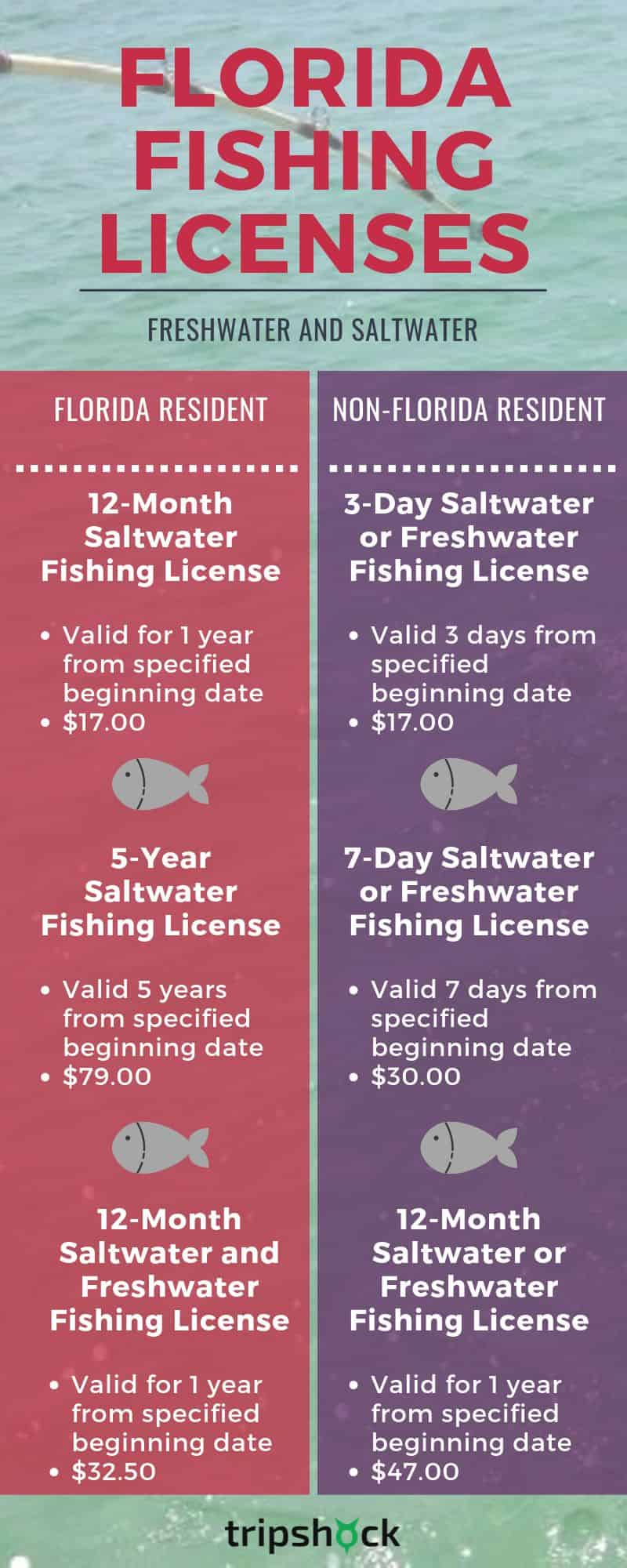
Licenses are available for various durations: one year, five years, and shorter non-resident options like 3-day or 7-day licenses, perfect for a brief fishing getaway.
Navigating Exemptions
While the general rule is to get a license, the FWC does provide several exemptions:
- Children under 16: Not required to have a license. This makes fishing an accessible and enjoyable activity for young travelers and families exploring Florida.
- Florida Residents who are 65 or older: Residents born before July 1, 1937, are exempt from needing a recreational fishing license. Those born after this date require a free Resident 65+ Hunt/Fish Certificate.
- Residents fishing in their county of residence with live or natural bait: If fishing for non-commercial purposes from shore or a structure fixed to the land, they may be exempt. This specific exemption does not apply if fishing from a vessel or for saltwater species within certain areas.
- Fishing from a for-hire vessel (charter boat) or fishing pier with a valid license: If you are fishing from a vessel where the owner or operator possesses a valid vessel fishing license, or from a public fishing pier that has purchased a pier fishing license, individual anglers are generally covered. This is a common scenario for tourists who book guided fishing experiences. Always confirm with your charter captain or pier management.
- Disabled Residents: Certain permanently and totally disabled Florida residents can apply for a free disabled person’s fishing license.
- Military Personnel: Florida residents who are active duty members of the United States Armed Forces are exempt while home on leave for 30 days or less, with appropriate military identification.
It is crucial to verify your eligibility for any exemption with the FWC directly, as regulations can change, and specific conditions often apply. When in doubt, purchasing a license is the safest and most responsible approach to ensure a hassle-free fishing experience.
Securing Your License: A Traveler’s Guide
For visitors planning a Florida fishing trip, obtaining a license is a straightforward process designed to be convenient. The FWC provides multiple avenues, ensuring that regardless of your travel style or itinerary, you can easily comply with the regulations.
Where and How to Purchase
The easiest ways to purchase a Florida Fishing License include:
- Online: The most convenient method is through the FWC’s secure GoOutdoorsFlorida website. You can purchase your license from anywhere, anytime, using a credit card. This allows travelers to secure their license before even arriving in Florida, saving valuable vacation time. Once purchased, you can print a copy or carry a digital version on your phone.
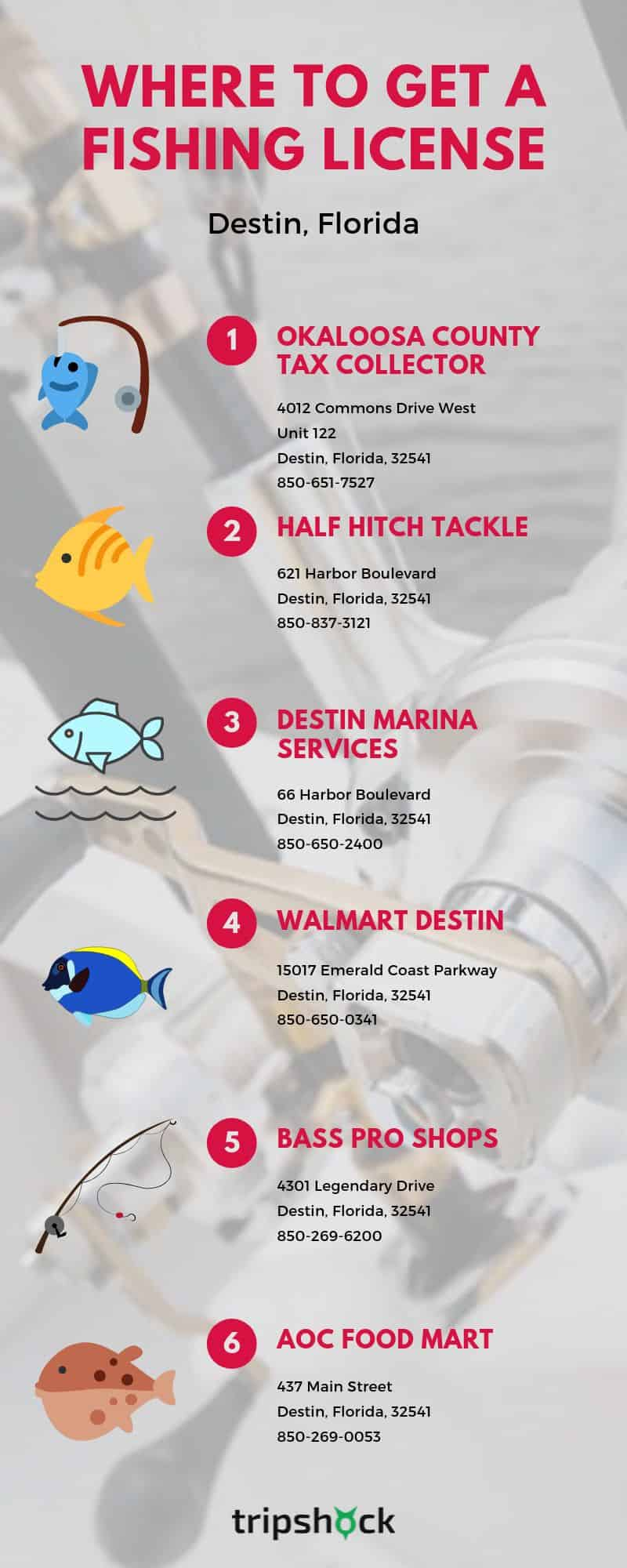
- License Agents: Licenses are also available for purchase at most Florida county tax collector’s offices, retail stores that sell fishing tackle, bait shops, and some sporting goods stores. These agents are widespread throughout the state, from major cities like Orlando and Tampa to smaller coastal towns, making it easy to find a location near your accommodation.
- By Phone: You can call toll-free at 888-FISH-FLORIDA (888-347-4356) or 888-HUNT-FLORIDA (888-486-8359) to purchase a license over the phone. This is a handy option for those who prefer speaking to a representative.
When purchasing, you will need to provide some personal information, including your full name, address, date of birth, and proof of residency if applying for a resident license. Non-residents will simply indicate their home state or country.
Understanding License Fees
License fees vary depending on residency status, type of license (freshwater, saltwater, or combination), and duration. Non-resident licenses are generally more expensive than resident licenses, reflecting the investment by Florida taxpayers in maintaining the fisheries.
Example Non-Resident Fees (subject to change by FWC):
- 3-Day Saltwater: Ideal for a quick weekend fishing trip or a short segment of a longer vacation.
- 7-Day Saltwater: Suitable for a week-long fishing focused travel.
- Annual Saltwater: Best for those planning multiple trips to Florida within a year or extended stays.
- Freshwater options are similarly structured, with combination licenses offering a discount compared to purchasing separate annual licenses.
It’s advisable to check the official FWC website for the most current fee schedule before your trip. Considering the minimal cost relative to the overall expense of a Florida adventure, securing the proper license is a small but critical investment in a memorable and legal fishing experience.
Responsible Angling and Planning Your Florida Adventure
Beyond just obtaining a license, responsible angling is a key component of enjoying Florida’s rich aquatic environment. This not only involves adhering to regulations but also embracing conservation practices that ensure the longevity of the state’s fisheries for future generations of residents and tourism alike.
Key Regulations and Conservation
Possessing a license is the first step, but anglers must also be aware of and abide by other crucial regulations:
- Size Limits: Most fish species have minimum or maximum size limits to protect juveniles and breeding adults.
- Bag Limits: Limits on the number of fish of a particular species that can be caught per person per day are in place to prevent overfishing.
- Season Closures: Some species have specific closed seasons to protect them during spawning or other vulnerable periods.
- Gear Restrictions: Certain types of gear or methods may be restricted in specific areas or for certain species.
- Protected Species: Be familiar with species that are protected and must not be harvested (e.g., Florida Manatee, goliath grouper).
- Catch and Release: Practice proper catch-and-release techniques to minimize harm to fish you don’t intend to keep. This includes using appropriate tackle, handling fish gently, and reviving them before release.
All these regulations are detailed on the FWC website and in their annually updated fishing regulations publications. Staying informed is a responsibility of every angler and contributes to the sustainable tourism model Florida strives to uphold.
Enhancing Your Trip with Accommodation and Guides
To truly maximize your Florida fishing trip, careful planning regarding accommodation and potentially hiring a local guide can make all the difference.
- Choosing the Right Accommodation: Consider staying at resorts or hotels that cater to anglers. Many waterfront properties in destinations like Marathon, Sarasota, or Destin offer boat parking, fishing packages, and easy access to marinas. For a more independent lifestyle, renting a vacation villa or apartment with dock access can provide privacy and convenience. When searching for accommodation, filter for amenities like bait shops, cleaning stations, and proximity to your desired fishing grounds.
- Hiring a Fishing Guide: Especially for non-residents or those new to Florida waters, hiring a professional fishing guide is an invaluable investment. Local guides possess intimate knowledge of the best spots, seasonal patterns, and appropriate techniques. They also typically provide all necessary equipment, bait, and often cover the vessel’s fishing license, meaning you might not need an individual saltwater license if fishing on their licensed charter. This enhances not only your chances of a successful catch but also provides a deeper understanding of the local ecosystem and culture, making it a rich travel experience. Reputable guides prioritize conservation and safe practices, ensuring an ethical and enjoyable outing.
In conclusion, a Florida Fishing License is generally a requirement for anyone aged 16 or older planning to fish in the state’s abundant waters. While exemptions exist, securing the correct license is a simple yet crucial step for both residents and visitors. It’s an investment in the conservation of Florida’s incredible natural heritage, ensuring that the Sunshine State remains a world-class destination for anglers and a beacon for sustainable tourism for years to come. So, get your license, understand the rules, and prepare for an unforgettable angling adventure in Florida!
LifeOutOfTheBox is a participant in the Amazon Services LLC Associates Program, an affiliate advertising program designed to provide a means for sites to earn advertising fees by advertising and linking to Amazon.com. Amazon, the Amazon logo, AmazonSupply, and the AmazonSupply logo are trademarks of Amazon.com, Inc. or its affiliates. As an Amazon Associate we earn affiliate commissions from qualifying purchases.