
For many, the mention of “taxes” conjures images of complex forms and daunting calculations. However, for those dreaming of a journey to the majestic [Colorado] – whether for a thrilling ski trip, a serene hike in the [Rocky Mountains], or even a potential long-term move – understanding the state’s income tax system is a crucial piece of the financial puzzle. It directly impacts your travel budget, cost of living, and overall financial planning, making it an essential topic for anyone interested in experiencing the [Centennial State].
[Colorado] stands out among the states for its refreshingly straightforward approach to income tax. Unlike many other parts of the [United States] that employ a progressive tax system, where higher earners pay a larger percentage of their income, [Colorado] prides itself on a flat income tax rate. This simplicity can be a significant advantage, particularly for visitors considering extended stays, remote workers contemplating a lifestyle change, or even entrepreneurs looking to establish a business amidst the state’s vibrant economy.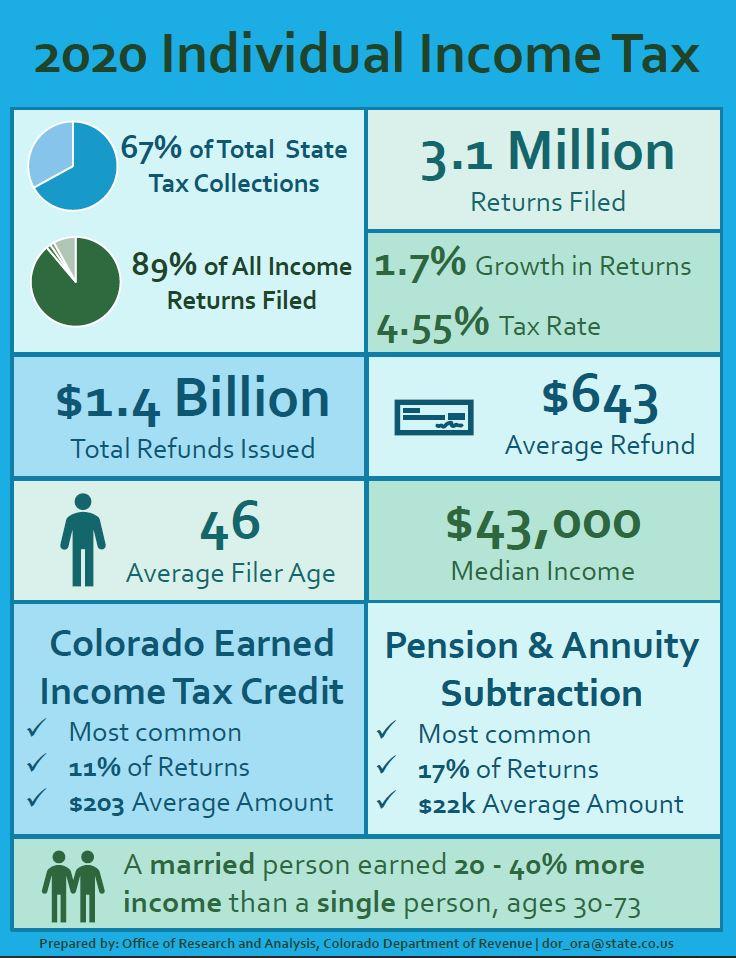
This article delves into the specifics of [Colorado]’s state income tax, explaining its unique flat-rate system, who needs to file, available deductions and credits, and how it all factors into budgeting for your next adventure or lifestyle transition. Whether you’re planning a short-term visit to [Denver]’s bustling cityscape, a luxurious stay in [Aspen], or weighing the pros and cons of making [Boulder] your new home, having a grasp of the local tax landscape will empower you to make more informed financial decisions, allowing you to focus more on the breathtaking scenery and less on unexpected expenses.
Navigating Colorado’s Unique Flat-Rate Income Tax for Travelers and Residents
[Colorado]’s approach to income tax is often a pleasant surprise for those accustomed to the more intricate systems found elsewhere. The simplicity of its flat-rate structure is a cornerstone of its fiscal policy and offers a distinct advantage for residents and those considering a temporary or permanent relocation. Understanding this fundamental aspect is key to appreciating the state’s economic environment.The Flat-Rate Advantage: Simplicity in the [Centennial State]
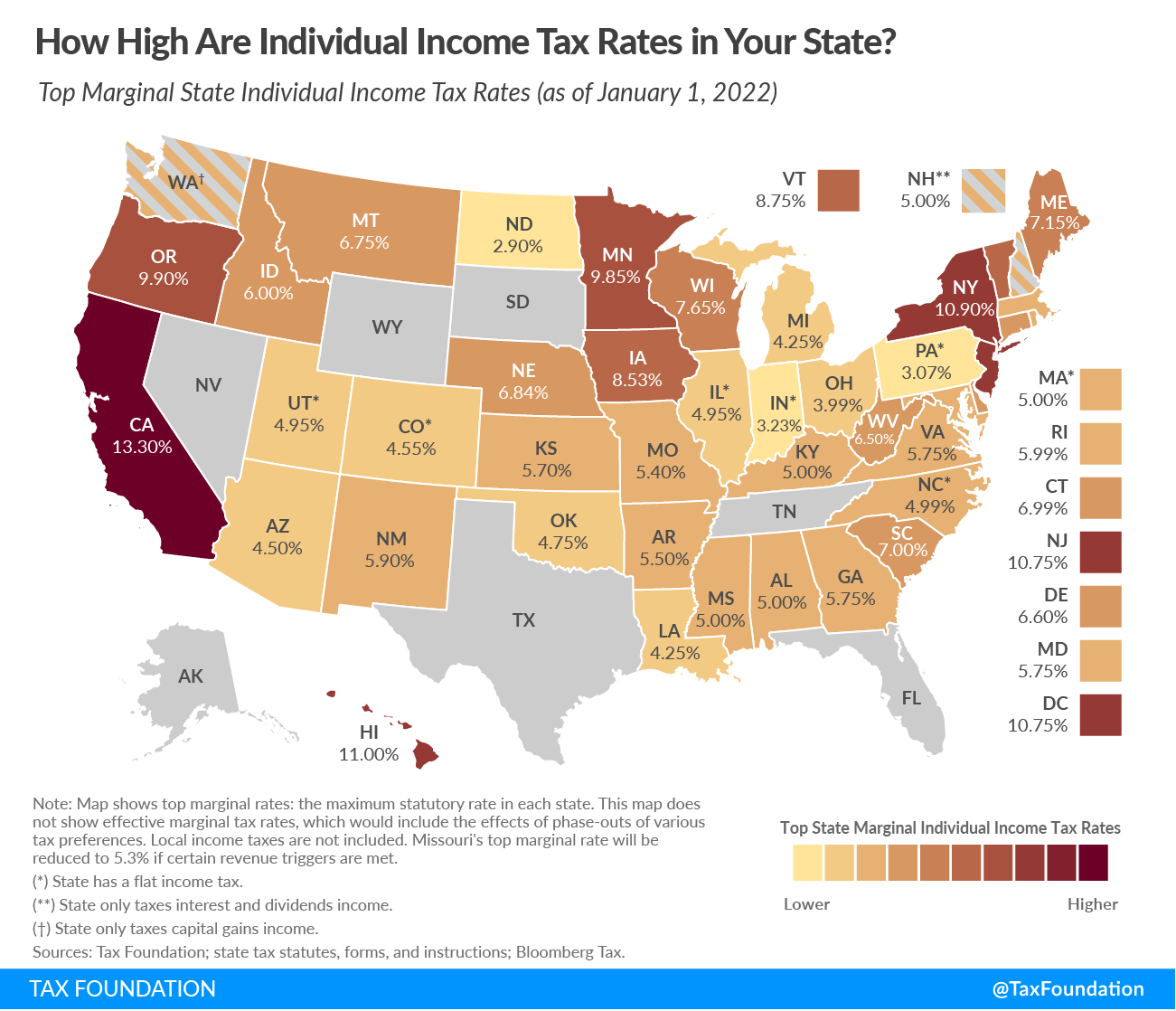
The defining characteristic of [Colorado]’s income tax system is its flat rate. This means that, regardless of how much taxable income you earn, the same percentage is applied. As of recent years, this rate has been set at 4.40%, a figure that often compares favorably to the top marginal rates in states with progressive income tax systems, such as [California] or [New York]. This predictable rate is beneficial for several reasons:
- Budgeting Predictability: For travelers planning extended stays or individuals considering remote work opportunities from places like [Vail] or [Telluride], knowing a fixed percentage of their income will go towards state taxes allows for easier and more accurate budgeting. This clarity helps in estimating the true cost of accommodation, experiences, and day-to-day living, whether you’re renting a charming apartment in [Breckenridge] or a spacious villa near [Fort Collins].
- Reduced Complexity: The simplicity of a flat rate often translates to less complexity when filing. While there are still deductions and credits to consider, the core calculation of the tax owed is straightforward, potentially reducing the need for extensive professional tax assistance for basic returns. This can be a boon for digital nomads or those balancing work and travel, offering more time to explore [Mesa Verde National Park] or [Great Sand Dunes National Park] rather than wrestling with tax forms.
- Attractive for Businesses and High Earners: The flat rate can also make [Colorado] an attractive location for entrepreneurs and high-income earners, as they avoid the escalating tax brackets found in many other states. This can foster a dynamic economic environment, indirectly benefiting the tourism and hospitality sectors through increased investment and job creation. From boutique hotels in [Boulder] to luxury resorts in [Aspen], a favorable tax climate can stimulate growth across the board, enhancing the overall travel experience by fostering diverse and high-quality options.
While the flat rate itself is simple, understanding what constitutes taxable income and how it interacts with federal tax obligations is still important. Generally, [Colorado]’s definition of income largely aligns with the federal definition, making it easier to transfer information from your federal return to your state return.
Understanding Residency and Filing Requirements for Your [Colorado] Stay
The question of whether you need to file a [Colorado] state income tax return hinges primarily on your residency status and the source of your income. This is a critical consideration for anyone spending significant time in the state, from seasonal workers at [Colorado Springs] resorts to long-term renters in [Denver].
- Full-Year Residents: If [Colorado] is your primary home for the entire tax year, you are considered a full-year resident and must file a [Colorado] income tax return if your income exceeds the state’s filing threshold. This applies to income earned from all sources, both within and outside of [Colorado]. For those who have made [Colorado] their permanent base for a [digital nomad] lifestyle or a new career, this is the most common scenario.
- Part-Year Residents: If you moved into or out of [Colorado] during the tax year, you are a part-year resident. You will be taxed on all income earned while you were a [Colorado] resident, plus any [Colorado]-source income earned while you were a non-resident. This is particularly relevant for individuals who transition between states for work or lifestyle changes, such as relocating for a new job or choosing [Colorado] for a significant portion of the year to enjoy its [ski resorts].
- Non-Residents: If you are not a resident of [Colorado] but earned income from [Colorado] sources – for example, from a property rental in [Estes Park], wages from temporary work in [Breckenridge], or income from a business located within the state – you are generally required to file a non-resident [Colorado] income tax return. This is important for investors who own rental properties, freelancers who take on contracts for [Colorado]-based companies, or individuals who work seasonally, perhaps at [Rocky Mountain National Park] or a local hotel.
- Filing Thresholds: The state sets specific income thresholds that determine whether you are required to file a return. These thresholds are typically based on your filing status (single, married filing jointly, etc.) and ensure that only those with a certain level of income need to file. Even if you don’t owe tax, you might still need to file to claim a refund for any withheld taxes.
Understanding these residency rules is paramount. Misclassifying your residency status can lead to penalties or missed opportunities for refunds. If you’re unsure about your status, especially if you have a complex travel or work arrangement, seeking professional advice is always recommended to ensure compliance with [Colorado]’s tax laws. This knowledge allows visitors and potential residents to plan their finances effectively, ensuring that their journey through the [Centennial State] is as fiscally smooth as it is breathtaking.
Deductions, Credits, and Practicalities: Maximizing Your Financial Well-being in [Colorado]
While [Colorado]’s flat tax rate offers simplicity, residents and those earning income in the state still have opportunities to reduce their taxable income through various deductions and credits. These provisions can significantly impact your overall tax liability, freeing up more funds for travel, accommodation, or investing in the local lifestyle. Navigating these options and understanding the practicalities of filing are crucial steps in smart financial planning for your time in [Colorado].
Key Deductions and Credits to Boost Your Travel or Living Budget
Even with a flat tax rate, understanding available deductions and credits is vital for optimizing your tax position in [Colorado]. These provisions can effectively lower your taxable income, meaning you pay less tax and have more disposable income for enjoying [Colorado]’s attractions, whether that’s a gourmet meal in [Aspen], a scenic gondola ride in [Vail], or a stay at a charming inn near [Garden of the Gods].
- Standard Deduction vs. Itemized Deductions: [Colorado] generally allows taxpayers to claim either a standard deduction or itemize their deductions. The standard deduction is a fixed dollar amount that reduces your taxable income, varying based on your filing status. For many, especially those without significant mortgage interest or medical expenses, the standard deduction is the simplest and most advantageous choice. However, if your itemized deductions (which largely mirror federal itemized deductions, such as certain medical expenses, state and local taxes, and charitable contributions) exceed the standard deduction, you can choose to itemize. It’s always wise to compare both options to see which yields the greater tax benefit.
- State-Specific Credits: [Colorado] offers several state-specific tax credits designed to benefit various groups and activities. These credits directly reduce the amount of tax you owe, dollar-for-dollar, making them particularly valuable. Examples might include:
- Child Care Expenses Credit: For families residing in [Colorado], this credit helps offset the costs of child care, a significant expense for many, allowing more flexibility in family travel budgets or long-term accommodation choices.
- Low-Income Tax Credit: Designed to provide relief to lower-income individuals and families, ensuring that the tax burden is managed equitably.
- Enterprise Zone Credits: These credits are aimed at stimulating economic development in specific distressed areas within [Colorado]. While typically for businesses, individuals might indirectly benefit if they invest or work in such zones.
- Credits for Energy Efficiency or Renewable Energy: [Colorado] has a strong commitment to environmental sustainability. Tax credits might be available for homeowners who install solar panels or make other energy-efficient improvements, aligning with a lifestyle focused on eco-conscious living.
- Federal Tax Subtraction: One unique aspect of [Colorado]’s tax system is a subtraction for federal taxable income. This means that you can subtract a portion of your federal taxable income when calculating your [Colorado] taxable income, effectively reducing your state tax burden. This further enhances [Colorado]’s attractiveness compared to many other states where federal tax paid is not similarly recognized.
Keeping abreast of the current year’s deductions and credits is essential, as they can change annually based on legislative adjustments. The [Colorado Department of Revenue] is the authoritative source for the most up-to-date information, providing guidance that ensures you don’t miss out on any opportunities to save.
Essential Filing Information and Resources for a Smooth Experience
Filing your state income tax return in [Colorado] doesn’t have to be a source of stress, especially with the right information and resources at hand. Whether you’re a seasoned resident or a newcomer figuring out their first [Colorado] tax season, knowing the key dates and where to find help is paramount.
- Tax Season and Deadlines: Like federal income taxes, [Colorado] state income tax returns are typically due on April 15th each year for income earned in the previous calendar year. If April 15th falls on a weekend or holiday, the deadline is shifted to the next business day. It’s crucial to mark this date on your calendar, particularly if you’re a seasonal worker or a digital nomad who might be traveling during tax season. Filing an extension is possible, which typically pushes the filing deadline to October, but it does not extend the time to pay any taxes owed.
- Electronic Filing (e-filing): The [Colorado Department of Revenue] strongly encourages electronic filing (e-filing), which is generally faster, more accurate, and often leads to quicker refunds. Many tax software programs support [Colorado] state tax filing, making the process streamlined and user-friendly. This digital convenience is especially beneficial for travelers or remote workers who manage their finances on the go, whether from a hotel in [Denver] or a remote cabin near [Rocky Mountain National Park].
- Payment Options: If you owe taxes, [Colorado] offers several convenient payment methods, including direct debit from a bank account, credit card payments, or mailing a check. For those with significant tax liabilities, estimated tax payments may be required throughout the year to avoid penalties. This is particularly relevant for freelancers, small business owners, or individuals with substantial investment income.
- Official Resources: The primary resource for all [Colorado] state tax information is the official website of the [Colorado Department of Revenue]. Their site provides forms, instructions, FAQs, and updates on tax laws. For federal tax questions, the [IRS] website is the definitive source. These government portals are invaluable for ensuring you receive accurate and official guidance.
- Professional Assistance: For complex situations, such as managing income from multiple states, significant investment income, or navigating business tax implications, consulting with a qualified tax professional is highly recommended. A local [Colorado] tax accountant can offer personalized advice tailored to your specific circumstances, ensuring compliance and maximizing your financial advantages. This can be particularly beneficial for those considering purchasing real estate, establishing a business, or settling down in [Colorado] for the long term.
By being proactive and utilizing available resources, you can ensure a smooth tax filing experience in [Colorado], allowing you to enjoy the state’s unparalleled beauty and vibrant lifestyle with peace of mind.
The Lifestyle Impact: How Colorado’s Tax Structure Influences Your Adventures and Long-Term Plans
[Colorado]’s distinct tax structure, particularly its flat income tax rate, extends its influence far beyond mere financial calculations. It shapes the economic landscape, impacts the cost of living, and ultimately plays a role in the decisions of travelers, digital nomads, and those considering making the [Centennial State] their permanent home. Understanding this broader lifestyle impact is essential for anyone looking to fully embrace the [Colorado] experience.Budgeting for the [Colorado] Dream: Cost of Living and Travel Expenses
When planning a trip to [Colorado], whether it’s a backpacking adventure through the [Rocky Mountains] or a luxury retreat in [Telluride], budgeting is paramount. The state’s tax system indirectly influences the cost of living and, by extension, your travel expenses. While [Colorado]’s flat income tax can be seen as favorable compared to states with higher progressive rates, it’s crucial to balance this with other financial considerations.
- Overall Cost of Living: [Colorado], particularly its major cities like [Denver], [Boulder], and [Colorado Springs], often has a higher cost of living compared to the national average, especially concerning housing. While a lower flat income tax rate might leave more take-home pay for residents, the increased cost of rent, property, and certain services needs to be factored into any long-term budget. For travelers, this translates to potentially higher accommodation costs, from hotels and resorts to short-term rentals, especially during peak seasons in popular destinations like [Aspen] or [Vail].
- Sales Tax and Property Tax: Beyond income tax, [Colorado] also imposes state sales tax, which applies to goods and services. Local jurisdictions (cities, counties, and special districts) can add their own sales taxes, leading to varying rates across the state. Property taxes, levied at the local level, are another significant factor for homeowners or those considering purchasing investment properties for short-term rentals. While these aren’t income taxes, they contribute to the overall tax burden and influence the affordability of a [Colorado] lifestyle or even the cost of certain travel-related purchases.
- Fueling Your Adventures: With more disposable income from a favorable income tax rate, residents and long-term visitors might find themselves with extra funds to invest in experiences – perhaps a guided tour through [Garden of the Gods], tickets to a show at [Red Rocks Amphitheatre], or specialized gear for exploring [Rocky Mountain National Park]. This creates a positive feedback loop for the state’s tourism industry, as more local spending supports the very attractions that draw visitors. For budget travelers, understanding how their income is taxed can help them stretch their dollars further for experiences that truly matter.
Ultimately, the flat income tax rate is one piece of the puzzle. A holistic view that includes sales tax, property tax (if applicable), and the general cost of goods and services will provide the most accurate picture for budgeting your [Colorado] dream, whether that’s a fleeting visit or a permanent move.
[Colorado] Compared: A Look at Tax Structures Across the [United States]
One of the best ways to appreciate [Colorado]’s tax system is to compare it to other states in the [United States]. This comparison is particularly relevant for individuals who have the flexibility to choose where they live and work, such as [digital nomads], remote workers, or retirees.
- States with No Income Tax: A handful of states, including [Florida], [Texas], [Washington], [Nevada], [Wyoming], [South Dakota], [Alaska], and [Tennessee], do not levy a state income tax at all. These states often make up for lost revenue through higher sales taxes, property taxes, or other fees. For some, the appeal of zero income tax is undeniable, especially if their income sources are primarily wages.
- States with Progressive Income Tax: Most other states, like [California] and [New York], utilize a progressive income tax system, where tax rates increase as income rises. While lower-income earners in these states might pay a lower percentage than [Colorado]’s flat rate, high-income earners can face significantly higher tax burdens. This contrast often makes [Colorado] an attractive middle ground, offering a predictable and often lower overall tax rate for a broad spectrum of earners compared to high-tax progressive states.
- Regional Comparisons: When comparing [Colorado] to its neighboring states, the picture varies. [Utah], [Arizona], [New Mexico], [Kansas], [Nebraska], [Oklahoma], and [Montana] all have their own unique income tax structures, some flat, some progressive, with varying rates. For instance, [Wyoming] and [South Dakota] have no state income tax, making them attractive in that regard, but they might offer different lifestyle and economic opportunities compared to [Colorado]. The key is to consider the total tax burden (income, sales, property) in conjunction with desired lifestyle, career opportunities, and the specific amenities each state offers.
For anyone considering a move or a long-term stay, analyzing these comparisons is crucial. [Colorado]’s flat income tax often represents a balance of reasonable taxation with access to a robust economy, stunning natural beauty, and a vibrant lifestyle that attracts many from across the country.

When to Seek Expert Advice: Navigating Complex Tax Situations
While [Colorado]’s flat income tax system simplifies many aspects of filing, certain situations warrant the guidance of a qualified tax professional. This ensures compliance, optimizes your tax position, and provides peace of mind, allowing you to fully immerse yourself in the [Colorado] experience without financial worries.
- Interstate Income: If you earn income from multiple states, work remotely for an out-of-state company while living in [Colorado], or are a part-year resident, your tax situation can become intricate. Navigating the nexus rules (which determine where income is taxable) and credit for taxes paid to other states requires expertise to avoid double taxation or missed deductions.
- Business Owners and Freelancers: For entrepreneurs, small business owners, or freelancers operating in [Colorado], understanding self-employment taxes, business deductions, and estimated tax payments is essential. A tax professional can help structure your business, identify all eligible deductions, and ensure you comply with both state and federal requirements.
- Real Estate and Investment Income: If you own rental properties (e.g., a vacation rental in [Estes Park]), have significant capital gains from investments, or are involved in complex real estate transactions, a tax advisor can offer invaluable insights into managing the tax implications effectively.
- Retirement Planning and Estate Planning: For those planning their retirement in [Colorado] or engaging in estate planning, understanding how state income tax affects pensions, retirement distributions, and inheritance can significantly impact long-term financial health.
- Unexpected Changes: Life events such as marriage, divorce, birth of a child, or a significant change in income can all alter your tax situation. A professional can help you adjust your filing strategy accordingly.
Ultimately, while [Colorado]’s income tax system is designed for simplicity, the nuances of individual financial circumstances can introduce complexity. Investing in professional tax advice can save you money, time, and stress in the long run, allowing you to fully enjoy all that the [Centennial State] has to offer, from its majestic peaks to its vibrant cities.
LifeOutOfTheBox is a participant in the Amazon Services LLC Associates Program, an affiliate advertising program designed to provide a means for sites to earn advertising fees by advertising and linking to Amazon.com. Amazon, the Amazon logo, AmazonSupply, and the AmazonSupply logo are trademarks of Amazon.com, Inc. or its affiliates. As an Amazon Associate we earn affiliate commissions from qualifying purchases.