
Understanding the precise time in any given location is more than just a matter of curiosity; for travelers, business professionals, and anyone planning an itinerary, it’s a fundamental piece of information. When you’re setting your sights on a vibrant city like Fort Collins, Colorado, knowing the current time and its context within the global time zone system becomes crucial for seamless travel, effective communication, and making the most of your visit. From coordinating flight arrivals to scheduling a brewery tour, or simply calling home, grasping the local time ensures that your journey is as smooth and stress-free as possible.
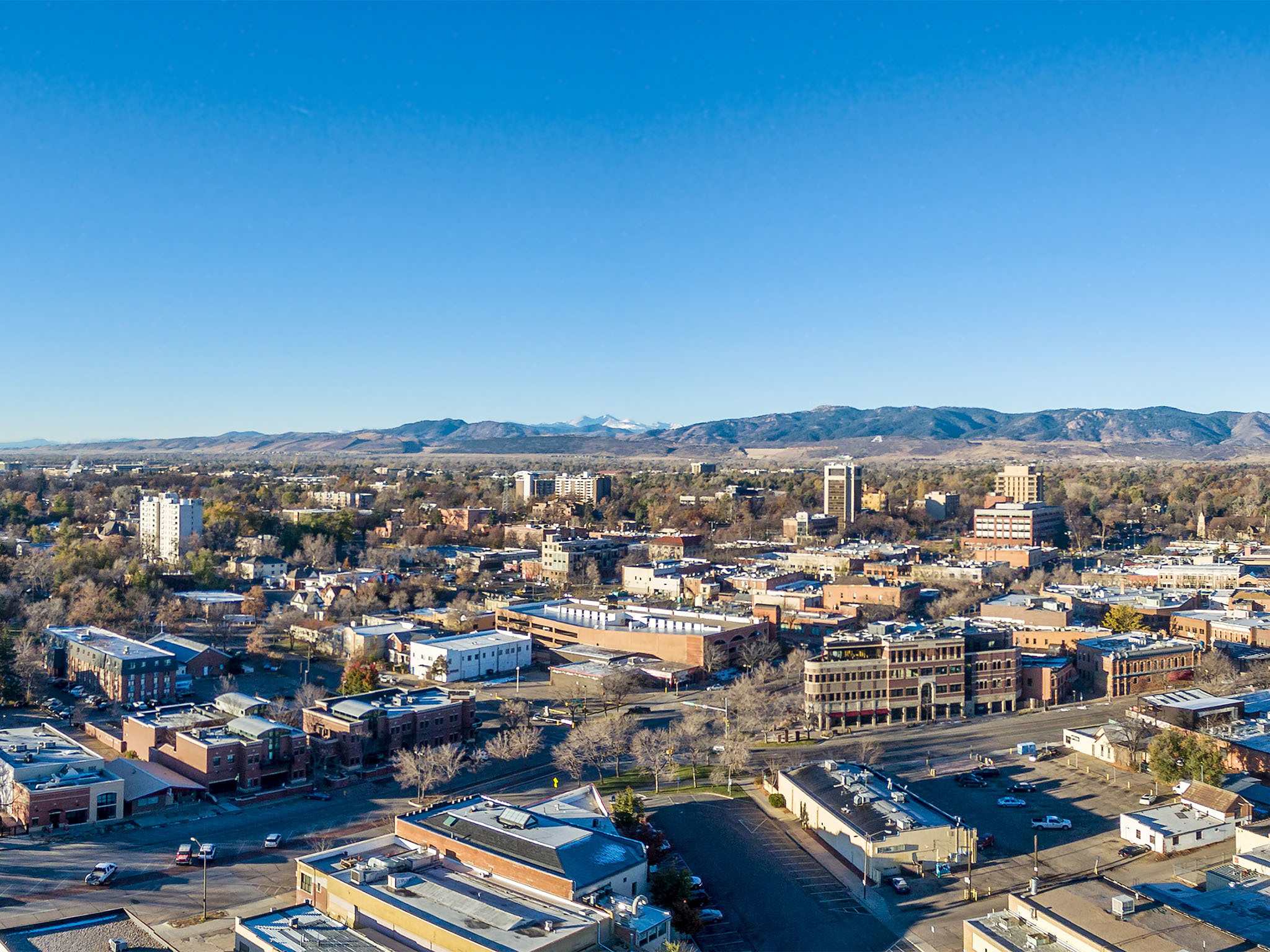
This comprehensive guide will delve into the time zone specifics of Fort Collins, elaborate on why this knowledge is indispensable for various aspects of travel and tourism, and then explore the myriad attractions, accommodations, and lifestyle experiences that await you in this captivating Colorado destination.
Decoding the Time in Fort Collins: Mountain Time Zone Explained
At its core, determining the time in Fort Collins boils down to understanding its position within the North American time zone map. Fort Collins, like the majority of Colorado, operates on Mountain Time, which is specifically referred to as Mountain Standard Time (MST) during the fall and winter months, and Mountain Daylight Time (MDT) during spring and summer.
Mountain Standard Time (MST) and Mountain Daylight Time (MDT)
The Mountain Time Zone (MT) is one of the four main time zones in the continental United States. It is generally seven hours behind Coordinated Universal Time (UTC-7) during standard time and six hours behind Coordinated Universal Time (UTC-6) during daylight saving time.
- Mountain Standard Time (MST): This is the time observed from early November to mid-March. During this period, Fort Collins is UTC-7.
- Mountain Daylight Time (MDT): This is the time observed from mid-March to early November. When daylight saving time is in effect, clocks are moved forward by one hour, making Fort Collins UTC-6. This adjustment allows for more daylight in the evenings, a popular feature for both residents and visitors keen on outdoor activities or extended sightseeing.
The transition between MST and MDT typically occurs on the second Sunday in March, when clocks “spring forward,” and on the first Sunday in November, when they “fall back.” It’s a recurring change that profoundly impacts travel planning, from flight schedules to hotel check-in times.
How to Easily Find the Current Time in Fort Collins
While the time zone provides the framework, getting the exact current time in Fort Collins is simple. A quick search on any major search engine for “current time in Fort Collins” will yield an immediate and accurate result, often displayed prominently at the top of the search page. Additionally, most smartphones and computers automatically update their time based on location, so if you’re traveling to Fort Collins, your device will likely adjust itself upon arrival. Specialized time zone converter apps and websites are also excellent resources for comparing the time in Fort Collins to your home location, which is particularly useful for international travelers or those coordinating remote meetings.
Why Knowing Fort Collins Time is Essential for Travelers
For anyone embarking on a trip to Fort Collins, or indeed any new destination, understanding the local time isn’t just a minor detail; it’s a cornerstone of effective travel planning and an enhanced experience. From logistics to personal well-being, the clock plays a significant role in every aspect of your journey.
Travel Logistics: Flights, Check-ins, and Reservations
The most immediate impact of time zones on travel is felt in logistics. Air travel, for instance, operates on precise schedules. When booking flights, especially connecting ones, accurately calculating arrival and departure times in different time zones prevents missed connections and unnecessary stress. Similarly, hotel check-in and check-out times are rigid, and arriving too early or too late without prior arrangement can lead to complications or additional fees. Restaurants, tour operators, and various attractions also adhere to strict operating hours, which need to be factored into your itinerary. Knowing the local time in Fort Collins allows you to meticulously plan your arrivals, departures, and reservations, ensuring you don’t miss out on experiences or incur unexpected costs.
Maximizing Your Tourism and Attraction Visits
Fort Collins boasts a wealth of attractions, from its historic Old Town to world-renowned breweries and stunning natural landscapes. Each of these has specific opening and closing times. Imagine planning a visit to the Fort Collins Museum of Discovery only to arrive an hour after it’s closed due to a time zone miscalculation. Or perhaps missing the last tour at the New Belgium Brewing Company because you thought you had more time.
Understanding MDT vs. MST is particularly important when planning outdoor activities. If you’re heading to Horsetooth Reservoir for a sunset hike, knowing the precise time the sun sets, factoring in daylight saving adjustments, is crucial for safety and optimal enjoyment. Whether it’s catching a show at the Lincoln Center, exploring the shops in Old Town, or embarking on a scenic drive towards the Rocky Mountains, a clear grasp of the local time enables you to craft a realistic and rewarding itinerary.
Business Engagements and Personal Connections
For those traveling to Fort Collins for business, accurate timekeeping is paramount. Scheduled meetings, conference calls, and presentations all rely on synchronized clocks. Misjudging a time zone difference could lead to missed opportunities or a less-than-professional impression. Beyond business, maintaining personal connections with family and friends back home also requires time zone awareness. A late-night call that’s an inconvenient early morning for someone else can easily be avoided with a quick check of the time difference.
Mitigating Jet Lag and Prioritizing Well-being
Crossing multiple time zones can disrupt the body’s natural circadian rhythm, leading to jet lag. While there’s no magic cure, knowing the time in your destination and gradually adjusting your schedule before departure can significantly help. For example, if you’re flying into Fort Collins from an Eastern Time Zone, adjusting your sleep and meal times to align with MDT or MST a day or two in advance can ease the transition, allowing you to hit the ground running and fully enjoy your Colorado adventure without feeling sluggish or disoriented. Prioritizing rest and slowly acclimating to the local time are key components of a healthy and enjoyable travel experience.
Fort Collins: A Hub of Travel, Culture, and Accommodation
Beyond the practicalities of time, Fort Collins itself is a captivating destination, perfectly embodying the themes of travel, tourism, accommodation, and lifestyle that define our website. This vibrant city offers a rich tapestry of experiences, from its historic charm to its innovative spirit and proximity to natural wonders.
Discovering Fort Collins: Attractions and Landmarks
Fort Collins is often lauded for its picturesque setting at the base of the Rocky Mountains and its unique blend of outdoor adventure, craft beer culture, and historic preservation.
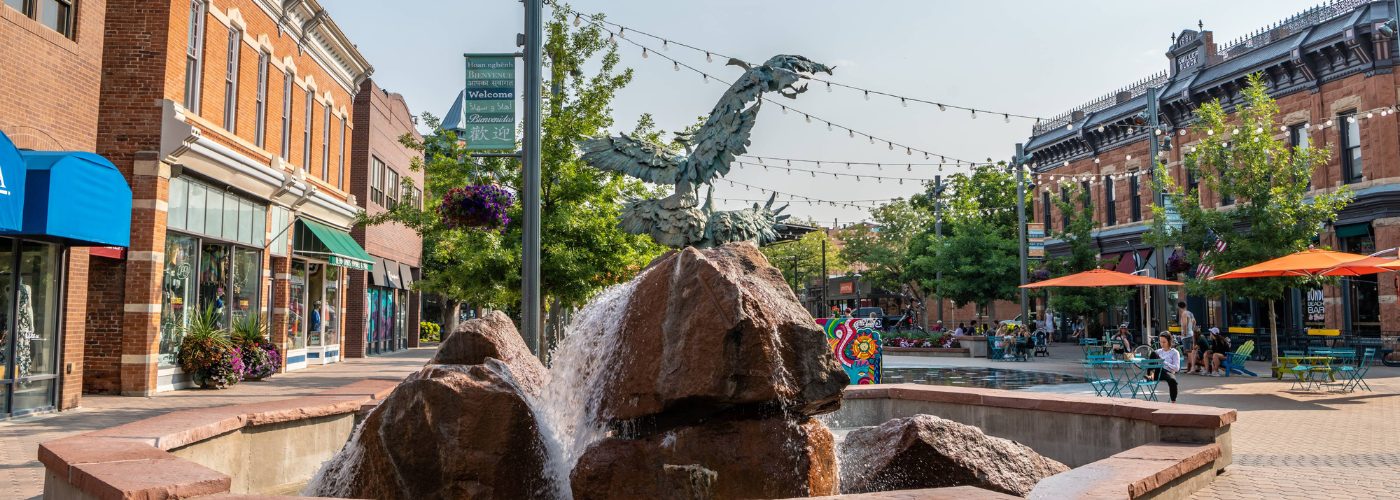
- Old Town Fort Collins: This charming district is a designated national historic landmark and served as inspiration for Disneyland’s Main Street, U.S.A.. Strolling through Old Town means encountering beautifully preserved 19th-century buildings, boutique shops, art galleries, and a diverse array of restaurants. It’s the heart of the city’s social and cultural life.
- Brewery Capital: Fort Collins is synonymous with craft beer. Home to giants like New Belgium Brewing Company (makers of Fat Tire Amber Ale) and Odell Brewing Company, along with numerous smaller craft breweries, the city offers extensive brewery tours and tasting rooms. Even the massive Anheuser-Busch brewery has a presence here, offering a different scale of operations. These establishments are key tourist attractions, offering insights into local culture and industry.
- Outdoor Recreation: The city’s location is a gateway to adventure. Horsetooth Reservoir and Horsetooth Mountain Open Space offer hiking, biking, climbing, boating, and fishing with spectacular views. The Cache la Poudre River, Colorado’s only Wild and Scenic River, is popular for whitewater rafting and kayaking. Nearby, Lory State Park provides additional trails and natural beauty. A short drive away lies Rocky Mountain National Park, a world-renowned landmark offering breathtaking alpine scenery, wildlife viewing, and extensive hiking opportunities, accessible via Estes Park.
- Colorado State University (CSU): As a prominent university town, Fort Collins benefits from the energy and innovation of CSU. The campus itself is a landmark, featuring beautiful architecture, green spaces, and cultural events open to the public. The Global Village Museum of Arts and Cultures also adds to the city’s diverse cultural offerings.
Accommodation in Fort Collins: Hotels, Suites, and More
Fort Collins provides a wide array of accommodation options to suit every traveler’s preference, budget, and length of stay. From luxurious boutique hotels to family-friendly suites and convenient extended-stay apartments, booking your ideal lodging is a crucial part of trip planning.
- Luxury & Boutique Hotels: For those seeking a unique and upscale experience, boutique hotels like The Elizabeth Hotel, part of Marriott’s Autograph Collection, offer stylish design, high-end amenities, and often a prime location in Old Town. The historic Armstrong Hotel is another excellent choice, blending vintage charm with modern comforts.
- Mid-Range & Chain Hotels: Many well-known hotel brands cater to various needs. Options like the Hilton Fort Collins, SpringHill Suites by Marriott Fort Collins, or Holiday Inn Express Fort Collins provide reliable service, comfortable rooms, and amenities such as pools, fitness centers, and complimentary breakfast, ideal for families or business travelers.
- Extended Stay & Vacation Rentals: For longer visits or those desiring more space and a home-like environment, options like Home2 Suites by Hilton Fort Collins or numerous vacation rental properties (apartments, villas, houses) offer full kitchens and separate living areas. This can be a cost-effective and comfortable choice for long-term stays or group travel.
- Booking and Reviews: When choosing accommodation, utilizing booking platforms that provide detailed descriptions, photos, and guest reviews is highly recommended. These resources help travelers compare options, assess amenities, and make informed decisions based on others’ experiences, ensuring the chosen stay perfectly complements their Fort Collins adventure.
Lifestyle and Experiences: Tailoring Your Fort Collins Trip
Fort Collins offers a diverse lifestyle that caters to various travel preferences, whether you’re seeking luxury, adventure on a budget, a family-friendly excursion, or a productive business stay.
- Luxury Travel: Indulge in gourmet dining experiences in Old Town, stay in a premium suite with mountain views, enjoy spa treatments, or charter a private tour of the breweries.
- Budget Travel: Enjoy free activities like hiking city trails, exploring the CSU campus, picnicking by the Poudre River, and taking advantage of affordable eateries. Many hotels offer competitive rates, especially during off-peak seasons.
- Family Trips: Fort Collins is exceptionally family-friendly. Attractions like the Fort Collins Museum of Discovery, interactive tours at local farms, and vast outdoor spaces provide endless entertainment for all ages.
- Business Stays: With conference facilities, reliable Wi-Fi, and convenient access to Denver International Airport (DEN) in Denver, Fort Collins is a practical choice for business travel, offering a pleasant environment outside the bustling capital.
Practical Tips for Your Fort Collins Visit
Beyond knowing the time, a few additional tips can enhance your experience in Fort Collins:
- Best Time to Visit: The shoulder seasons (April-May and September-October) offer pleasant weather, fewer crowds, and beautiful scenery. Summer is vibrant with festivals and outdoor activities, but also busier. Winter brings snow and opportunities for skiing in the nearby Rocky Mountains.
- Transportation: Fort Collins is a very bike-friendly city, with an extensive network of trails. Public transport (Transfort) is available, and ride-sharing services are active. For exploring beyond the city limits, especially to places like Rocky Mountain National Park or the surrounding natural areas, a rental car is highly recommended.
- Altitude Awareness: Being in Colorado, Fort Collins sits at an elevation of about 5,000 feet (1,525 meters). Remember to hydrate well and take it easy on strenuous activities during your first day or two, especially if coming from sea level.
- Local Etiquette: Coloradans are generally friendly and laid-back. Embrace the outdoor culture, be respectful of nature, and enjoy the local craft scene responsibly. The city also shares a border with Wyoming, with Cheyenne being a short drive north, offering another close-by exploration opportunity.
In conclusion, while “What Is The Time In Fort Collins, Colorado?” might seem like a simple question, its answer unfolds into a multifaceted understanding crucial for any traveler. From the fundamental knowledge of the Mountain Time Zone and daylight saving adjustments to the intricate planning of itineraries and the optimization of travel experiences, time is an invisible yet powerful guide. Armed with this knowledge, you are better prepared to immerse yourself in the rich culture, stunning landscapes, and welcoming community of Fort Collins, ensuring your visit is not just timely, but truly unforgettable.
LifeOutOfTheBox is a participant in the Amazon Services LLC Associates Program, an affiliate advertising program designed to provide a means for sites to earn advertising fees by advertising and linking to Amazon.com. Amazon, the Amazon logo, AmazonSupply, and the AmazonSupply logo are trademarks of Amazon.com, Inc. or its affiliates. As an Amazon Associate we earn affiliate commissions from qualifying purchases.