
Colorado holds a significant place in the annals of modern history, particularly when it comes to the evolving legal landscape of cannabis in the United States and beyond. The question, “When did Colorado legalize pot?” delves into a pivotal moment that reshaped not only local laws and culture but also ushered in a new era of tourism, economic development, and lifestyle considerations for residents and visitors alike. On November 6, 2012, Colorado made history by voting to pass Amendment 64, which legalized recreational marijuana for adults 21 and over. This groundbreaking decision officially came into effect on January 1, 2014, making Colorado the first state in the United States to allow the sale of cannabis for adult recreational use. This legislative move opened the doors to a burgeoning industry, transforming the state into a unique destination that skillfully balances its natural beauty and adventure-centric appeal with a progressive approach to cannabis.

For travelers, Colorado has always been a beacon for outdoor enthusiasts, offering unparalleled skiing, hiking, and breathtaking scenic drives. However, with the legalization of cannabis, the state added another layer to its allure, drawing curious visitors from around the globe. This article will explore the historical journey that led to this landmark legalization, delve into its multifaceted impact on the state’s tourism, economy, and lifestyle, and provide essential guidance for those looking to experience all that Colorado has to offer, both with and without its distinctive cannabis culture. Whether you’re planning a trip focused on adventure, relaxation, or simply keen to understand the nuances of this pioneering state, understanding the context of its cannabis laws is key to a comprehensive Colorado experience.
The Road to Recreational Cannabis: A Historic Timeline
The journey towards full cannabis legalization in Colorado was not an overnight phenomenon but rather a gradual evolution marked by shifting public opinion, advocacy, and a series of legislative milestones. Before the groundbreaking vote in 2012, the seeds of reform were planted much earlier, establishing a foundation upon which recreational legalization could eventually build. This historical trajectory is crucial for understanding the depth and significance of Colorado’s pioneering role in cannabis policy.
Early Steps: Medical Marijuana Paves the Way
The first significant step in Colorado’s progressive cannabis policy came in 2000 with the passage of Amendment 20. This constitutional amendment legalized medical marijuana, allowing patients with debilitating medical conditions to use cannabis with a doctor’s recommendation. The passage of Amendment 20 was a pivotal moment, establishing a legal framework for cannabis distribution and setting precedents for regulation, patient registration, and dispensary operations. While initially a modest program, the medical marijuana industry in Colorado grew substantially over the next decade. It provided valuable lessons in regulatory oversight, supply chain management, and public health considerations, all of which would prove invaluable when the state later moved towards recreational legalization.
The success and relative stability of the medical marijuana program demonstrated that a regulated cannabis market could exist without the dire societal consequences often predicted by opponents. This period allowed local and state authorities to gain practical experience in managing cannabis sales, processing, and public safety concerns. It also helped to destigmatize cannabis use to some extent, fostering a more open dialogue about its potential benefits and responsible consumption. The infrastructure, from cultivation facilities to storefront dispensaries, that emerged from Amendment 20 provided a solid starting point for the expansion into a recreational market, distinguishing Colorado from other states that would follow.
The Landmark Vote: Passing Amendment 64
Building on the foundation laid by medical marijuana, advocates for broader cannabis reform pushed for full legalization. Their efforts culminated in Amendment 64, titled “The Regulate Marijuana Like Alcohol Act of 2012.” This ballot initiative sought to amend the state constitution to allow for the personal possession and cultivation of small amounts of marijuana for adults 21 and over, and to create a regulated system for its commercial cultivation, processing, and sale. The campaign for Amendment 64 was robust, highlighting potential tax revenues for public services, the failure of prohibition, and individual liberty.
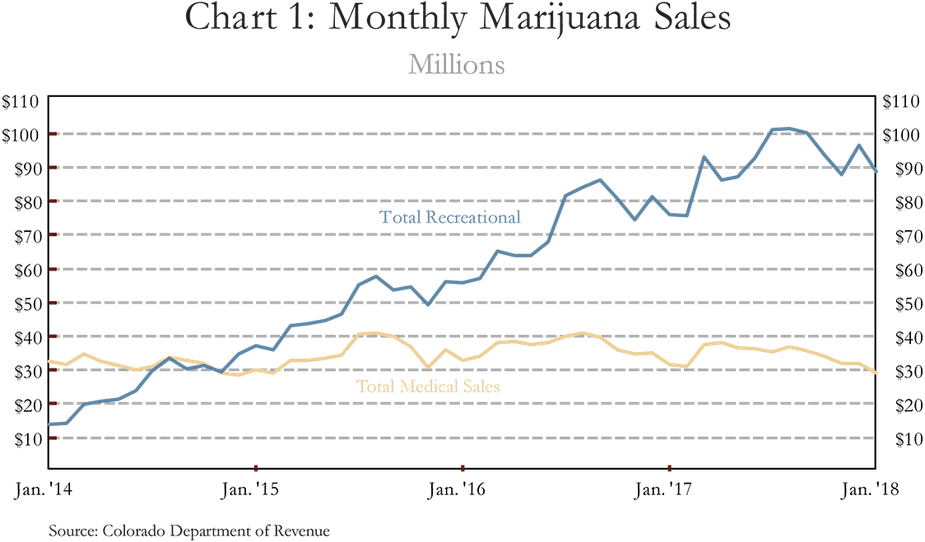
On November 6, 2012, Colorado voters approved Amendment 64 with 55.32% of the vote. This historic decision placed Colorado at the forefront of cannabis reform globally, alongside Washington state, which passed a similar measure on the same day. However, Colorado was faster in establishing its retail framework. Following the vote, the state embarked on a complex process of developing regulations for the new recreational market. The first adult-use cannabis dispensaries officially opened their doors on January 1, 2014, marking the beginning of a new chapter for Colorado. This made Colorado the first jurisdiction in the world to implement a fully regulated commercial adult-use cannabis market, paving the way for numerous other states and countries to consider similar reforms. The careful and deliberate rollout of regulations ensured a relatively smooth transition, laying the groundwork for the industry’s significant growth and its integration into the state’s broader economy and tourism sector.
Colorado’s Transformation: Tourism, Economy, and Culture
The legalization of recreational cannabis fundamentally altered Colorado’s landscape, extending its impact far beyond the legal status of a plant. It created ripples across the state’s tourism industry, stimulated economic growth, and subtly influenced the local lifestyle and cultural identity. For visitors and residents alike, the change has been palpable, adding new dimensions to how Colorado is perceived and experienced.
The Emergence of Cannabis Tourism
One of the most immediate and visible effects of legalization was the rise of cannabis tourism. Tourists, many from states where cannabis remained illegal, flocked to Colorado to experience legal marijuana for themselves. This new demographic sought out dispensaries, often treating them as novel attractions, and looked for accommodations and activities that were cannabis-friendly. Specialized tour operators emerged, offering “weed tours” that included visits to grow facilities, dispensaries, and even cannabis cooking classes. Cities like Denver became key hubs for this new form of travel, with numerous dispensaries, cannabis lounges (where permitted), and related businesses opening to cater to the influx of visitors.
The tourism sector adapted by offering unique experiences, from luxury cannabis-friendly resorts to boutique hotels and vacation rentals that permit on-site consumption (within private spaces). While public consumption remains illegal and heavily discouraged, private accommodation options have become increasingly sophisticated. This niche market, once controversial, has matured into a significant contributor to Colorado’s robust tourism economy, complementing its traditional attractions like skiing in Aspen or hiking in Rocky Mountain National Park. Travelers now have the option to integrate cannabis into their vacation plans, be it for relaxation after a day on the slopes in Breckenridge or simply as a way to enhance their culinary or cultural exploration in Boulder.
Economic Growth and Lifestyle Shifts

Beyond tourism, cannabis legalization brought a substantial economic boost to Colorado. The state quickly established a robust regulatory and taxation framework, leading to significant tax revenues. These funds have been allocated to various public services, including education, infrastructure projects, and substance abuse prevention programs, demonstrating a tangible positive impact on communities. The cannabis industry itself has become a major job creator, spanning cultivation, processing, retail, security, and ancillary services, attracting entrepreneurs and innovators. This surge in economic activity has diversified Colorado’s economy, making it less reliant on traditional sectors and positioning it as a leader in a rapidly expanding global market.
Lifestyle changes have also been evident. For many residents, the ability to legally purchase and consume cannabis has integrated it into daily life in a way similar to alcohol. This has led to a more open culture around cannabis, reducing stigma and encouraging responsible use. While public health concerns and challenges related to driving under the influence remain ongoing areas of focus, the overall shift has been towards a more regulated, transparent, and publicly accessible market. The “Mile High City,” Denver, exemplifies this transformation, showcasing a dynamic urban environment where cannabis businesses operate alongside art galleries, craft breweries, and world-class restaurants, reflecting a modern, progressive lifestyle that attracts a diverse population.
Essential Tips for Travelers: Navigating Legal Cannabis
For those visiting Colorado and interested in exploring its legal cannabis market, understanding the rules and etiquette is paramount for a safe and enjoyable experience. The state has stringent regulations designed to ensure responsible use and public safety.
Firstly, age restrictions are firm: you must be 21 years or older to purchase or consume recreational cannabis, identical to alcohol laws. Valid government-issued identification is required at all dispensaries.
Secondly, public consumption is illegal. This includes sidewalks, parks, ski resorts, and even in vehicles. Cannabis can only be consumed on private property with the permission of the property owner. This means most hotels, especially chain hotels, prohibit cannabis use on their premises, including in rooms and balconies. However, there are a growing number of cannabis-friendly accommodations, including boutique hotels, bed and breakfasts, and private vacation rentals, that explicitly allow or even facilitate on-site consumption. Always verify the policy of your accommodation before booking.
Thirdly, there are purchase limits: visitors can buy up to one ounce of cannabis flower, 8 grams of concentrate, or 800 milligrams of edibles in a single transaction. It is illegal to take cannabis out of Colorado and across state lines, even to other states where cannabis is legal, as it remains federally illegal. Driving under the influence of cannabis is also illegal and carries severe penalties, similar to DUI for alcohol. It’s crucial to be aware of the effects of cannabis, especially edibles, which can take longer to manifest and be more potent. Starting with a low dose and waiting to understand the effects is always recommended.
By adhering to these guidelines, visitors can respectfully and safely explore Colorado’s unique cannabis culture, ensuring their trip remains memorable for all the right reasons.
Beyond Cannabis: Experiencing the Best of Colorado
While its pioneering approach to cannabis legalization has certainly put Colorado on the map for a new type of tourism, it’s essential to remember that the state’s enduring appeal lies in its breathtaking natural beauty, vibrant cities, and diverse array of activities. Cannabis culture is but one facet of the rich tapestry that makes Colorado an exceptional travel destination, complementing rather than overshadowing its traditional attractions.
Majestic Landscapes and Outdoor Pursuits
Colorado is synonymous with the Rocky Mountains, offering an unparalleled playground for outdoor adventurers throughout the year. Winter draws millions to world-class ski resorts like Vail, Aspen, Breckenridge, and Telluride, where pristine powder and extensive terrain cater to all skill levels. Beyond skiing and snowboarding, winter activities include snowshoeing, ice climbing, and dog sledding, providing endless ways to experience the snowy grandeur.
In warmer months, the landscape transforms into a hiker’s paradise, with countless trails ranging from leisurely strolls to challenging climbs. Rocky Mountain National Park is a crown jewel, offering iconic drives like Trail Ridge Road, alpine lakes, and abundant wildlife viewing opportunities. Other natural wonders include the striking red rock formations of Garden of the Gods near Colorado Springs, the ancient cliff dwellings of Mesa Verde National Park, and the surreal expanse of Great Sand Dunes National Park and Preserve. Whitewater rafting on the Arkansas River, mountain biking on extensive trail networks, and rock climbing are just a few more ways visitors can immerse themselves in Colorado’s majestic outdoors. These natural landmarks and activities form the core of Colorado’s tourism, attracting families, solo travelers, and thrill-seekers alike, offering experiences that transcend any single lifestyle choice.
Urban Charms and Cultural Richness
Colorado’s cities offer a vibrant counterpoint to its rugged wilderness, blending cultural attractions, culinary innovation, and a lively arts scene. Denver, the state capital and largest city, is a hub of activity. Its diverse neighborhoods boast an impressive array of museums, including the Denver Art Museum and the History Colorado Center, alongside a thriving craft brewery scene and an eclectic mix of restaurants. The Red Rocks Amphitheatre, an iconic outdoor concert venue nestled among stunning geological formations, offers an unforgettable entertainment experience.
Boulder, known for its intellectual vibe and outdoor-centric lifestyle, is home to the University of Colorado Boulder and boasts a lively pedestrian mall, Pearl Street, filled with shops, cafes, and street performers. Colorado Springs, at the base of Pikes Peak, offers a mix of military history and natural beauty. Each city provides a distinct flavor of Colorado’s rich cultural heritage and modern dynamism. From exploring historic mining towns like Georgetown to indulging in farm-to-table dining experiences, Colorado’s urban and cultural offerings provide a compelling reason to visit, regardless of interest in cannabis. The state successfully integrates its progressive policies into a broader narrative of adventure, innovation, and diverse experiences, making it a truly unique destination in North America.
In conclusion, Colorado legalized recreational pot on November 6, 2012, with sales commencing on January 1, 2014. This decision cemented its status as a trailblazer, fundamentally altering its tourism landscape, boosting its economy, and fostering a unique cultural identity. However, the true essence of Colorado extends far beyond this single policy. It remains a premier destination where the majestic Rocky Mountains invite adventure, vibrant cities buzz with cultural vitality, and a spirit of innovation permeates every aspect of life. Whether you are drawn by the allure of legal cannabis or the timeless call of its natural wonders, Colorado promises an unforgettable journey tailored to every preference, ensuring a rich and diverse experience for all who visit.
LifeOutOfTheBox is a participant in the Amazon Services LLC Associates Program, an affiliate advertising program designed to provide a means for sites to earn advertising fees by advertising and linking to Amazon.com. Amazon, the Amazon logo, AmazonSupply, and the AmazonSupply logo are trademarks of Amazon.com, Inc. or its affiliates. As an Amazon Associate we earn affiliate commissions from qualifying purchases.