
Denver, the vibrant capital of Colorado, is famously known as the “Mile-High City,” a designation that speaks volumes about its unique climate and its intimate relationship with snowfall. Nestled at the base of the majestic Rocky Mountains, Denver offers a fascinating paradox: while it boasts an impressive 300 days of sunshine annually, it also experiences significant snowfall, transforming the urban landscape into a picturesque winter wonderland for a substantial portion of the year. For travelers planning a visit, understanding Denver’s snowfall patterns is crucial, whether you’re seeking thrilling winter sports, a cozy holiday escape, or simply hoping to avoid unexpected travel disruptions. This guide delves into the specifics of when, why, and how much it snows in Denver, helping you plan the perfect trip to experience this captivating city.
Decoding Denver’s Unique Climate and Snowfall Patterns
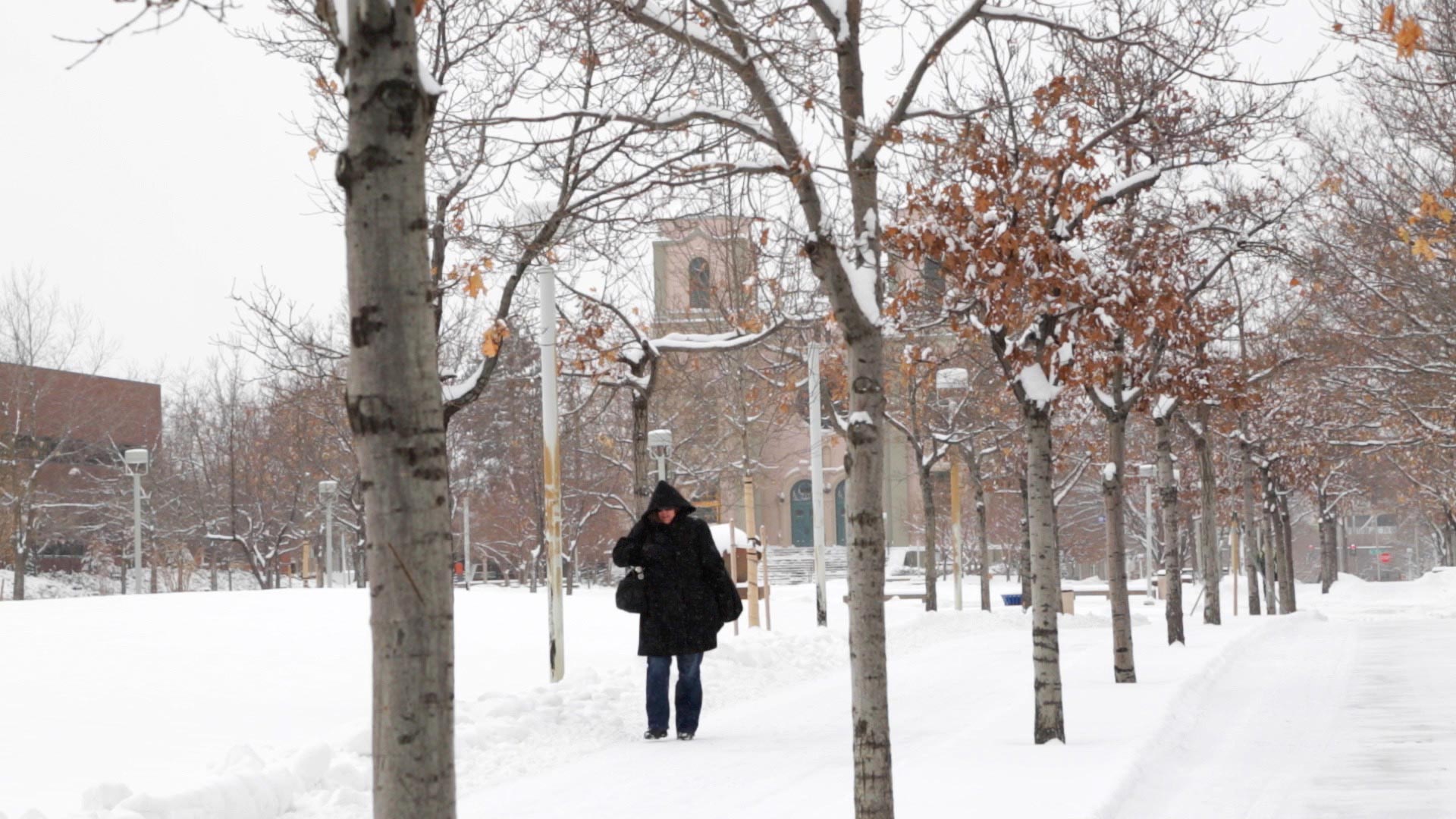
Denver’s weather is a fascinating blend of high-desert aridity and alpine influences, making its snowfall patterns distinct from many other major cities. Its elevation, proximity to the Rocky Mountains, and specific geographic positioning all contribute to a climate that can deliver both brilliant sunshine and dramatic snowstorms, sometimes within the same week.
The Mile-High City’s Geographical Edge
Situated at approximately 5,280 feet (1,609 meters) above sea level, Denver sits on the high plains just east of the continental divide. This elevation alone makes it susceptible to colder temperatures and more frequent precipitation in the form of snow compared to lower-lying cities. However, it’s the towering presence of the Rocky Mountains to the west that truly dictates Denver’s snow narrative.
When winter storms approach from the west, they are forced upwards by the mountain range – a phenomenon known as orographic lift. This process cools the air, leading to condensation and often heavy snowfall on the western slopes of the mountains. By the time these weather systems reach Denver, they can bring significant snow, especially if they interact with a cold air mass pushing down from the north. Conversely, Denver also experiences “Chinook winds” – warm, dry winds that descend the eastern slopes of the Rockies, capable of melting snow rapidly and bringing surprisingly mild temperatures even in the dead of winter. This interplay creates the city’s characteristic “snow then sun” pattern, where snow doesn’t often linger for extended periods in the city center.
Averages and Annual Variability: What to Expect
On average, Denver receives about 57 to 60 inches of snow annually. While this sounds like a considerable amount, it’s important to remember that this is an average, and actual snowfall can vary wildly from year to year. Some winters see well over 80 inches, while others might dip below 40. The first measurable snowfall in Denver typically occurs in October, though it can sometimes arrive as early as late September. The last snowfall generally happens in April, with rare instances stretching into early May.
What makes Denver’s snow unique is not just its frequency but also its quality. While the mountain resorts boast light, powdery snow perfect for skiing, Denver often receives heavier, wetter snow, especially during spring storms. This “heart attack snow” is dense and can be challenging to shovel, but it provides much-needed moisture to the region. Despite the snowfall, Denver’s high sun exposure means that snow on roads and sidewalks in the city usually melts relatively quickly, often within a day or two, thanks to the ample sunshine and often moderate daytime temperatures, even after a significant storm.
A Seasonal Journey Through Denver’s Snowy Months
Denver’s snow season spans a good seven months, with distinct characteristics in each period. Knowing what to expect month by month can significantly enhance your travel planning, whether you’re aiming for a classic white Christmas or hoping to experience some late-season spring skiing.
Early Whispers: October and November
The first hints of winter typically arrive in Denver during October. While major blizzards are rare this early, light dustings or a moderate snowfall event can occur. Temperatures begin to drop, with daytime highs often in the 50s Fahrenheit (10-15°C) and nighttime lows dipping below freezing. November sees more consistent cold and an increased likelihood of snow. It’s not uncommon for Denver to experience one or two significant snowstorms during November, setting the stage for the colder months ahead. These early snows often melt quickly under the abundant sunshine, making it a good time for travelers who want to experience a touch of winter beauty without committing to deep cold. Early season events, like festive market openings, can start to pop up.
Winter’s Grandeur: December to February
This period represents the heart of winter in Denver. December ushers in colder temperatures and more frequent snowfall, perfectly aligning with the festive holiday season. The city often transforms into a winter wonderland, with holiday lights twinkling against snowy backdrops. Average snowfall for December is around 8-10 inches. January is typically the coldest month, with average highs in the low 40s Fahrenheit (4-7°C) and lows in the teens (-9 to -6°C). Snowfall is consistent, averaging similar amounts to December, and cold snaps can bring prolonged periods of freezing temperatures. February continues the winter trend, often bringing significant snowstorms, sometimes even heavier than the preceding months, with averages around 7-9 inches. This is prime time for traditional winter activities, both in the city and especially in the nearby Rocky Mountains for skiing and snowboarding enthusiasts.
Spring’s Snowy Surprises: March and April
Perhaps surprisingly, March is often Denver’s snowiest month, averaging around 11-12 inches. While spring officially begins, the city can experience powerful, wet snowstorms during this period. These late-season snows are vital for replenishing the region’s water supply and contribute significantly to the snowpack in the mountains, extending the ski season. April also sees substantial snowfall, averaging around 8-9 inches, making it the fourth snowiest month on average. Temperatures in March and April are milder than mid-winter, with daytime highs often reaching the 40s and 50s Fahrenheit (4-15°C), allowing snow to melt fairly quickly after storms, leading to a dynamic mix of white landscapes and sunny afternoons. This period is ideal for “spring skiing” in the Rockies and for visitors who enjoy the beauty of snow without the intense cold of deep winter.
The Snow-Free Interlude: May to September
By May, the snow season in Denver largely concludes. While rare late-season dustings can occur in early May, especially at higher elevations, the city typically transitions to warmer, sunnier weather. June, July, August, and September are generally snow-free months in Denver, characterized by hot, dry days and pleasant evenings. During these months, the focus shifts to outdoor activities like hiking, biking, and exploring Denver’s many parks and outdoor attractions. However, it’s worth noting that the Rocky Mountains at higher elevations can still see snow even in summer, offering a stark contrast for those venturing into the high country.
Planning Your Perfect Winter Escape to Denver
Visiting Denver during the snowy season offers a unique charm and a wealth of experiences. Careful planning, especially regarding travel and accommodation, can ensure a seamless and enjoyable trip.
Choosing Your Ideal Time to Visit
Your ideal time to visit Denver for snow depends on your preferences:
- For a classic white Christmas and festive atmosphere: Plan your trip for December.
- For serious skiing/snowboarding and consistent cold: January and February are your best bets.
- For heavier, scenic snowfalls with milder temperatures and spring skiing: March and early April offer a compelling combination.
- For a taste of winter without extreme cold: Late October or November can provide a picturesque introduction to Denver’s snowy side.
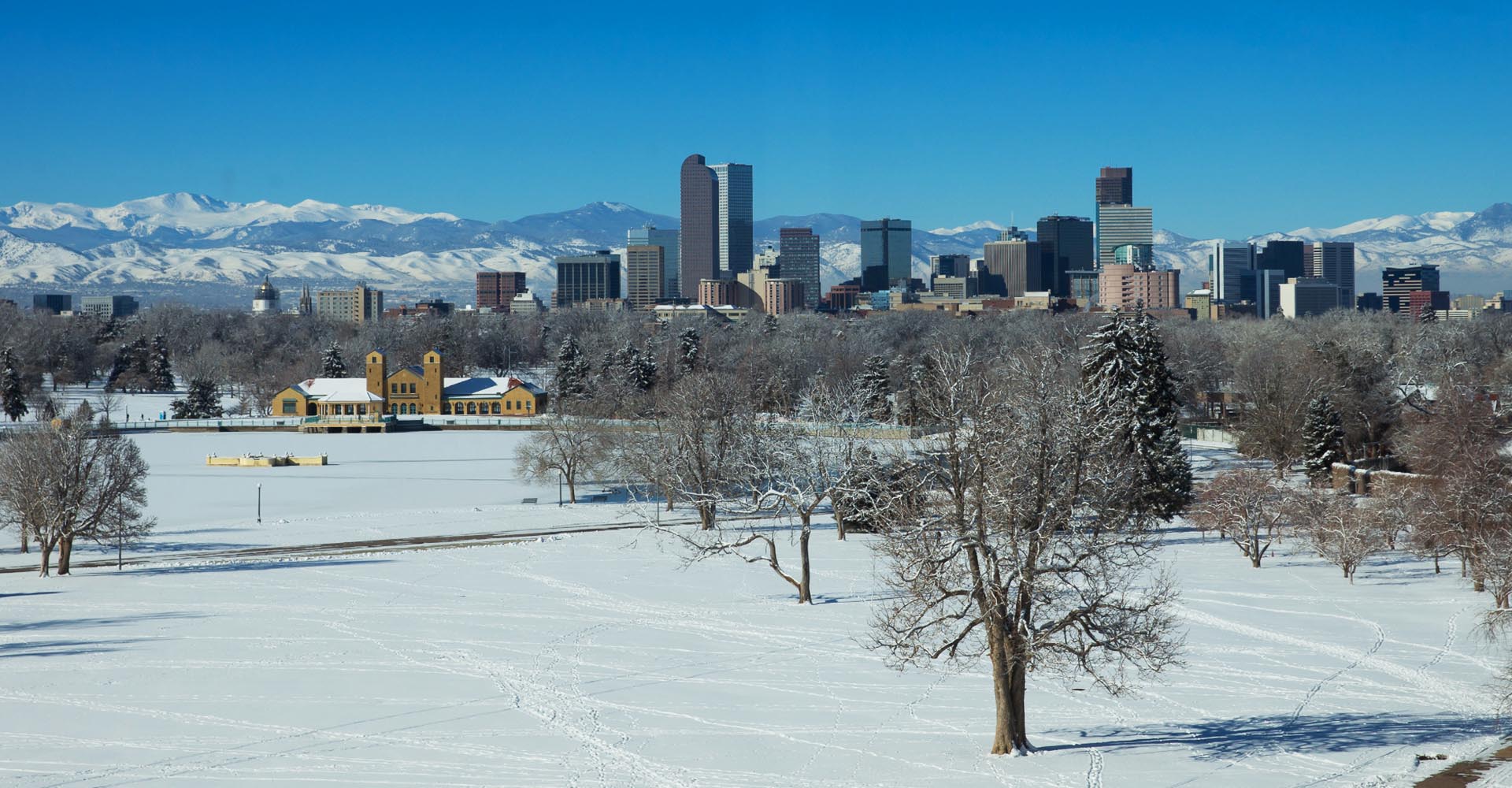
Always check the local weather forecast a few days before your arrival, as Denver’s weather can be notoriously unpredictable.
Navigating Snowy Denver: Transportation and Roads
Denver International Airport (DIA) is a major hub and generally well-equipped to handle snow. While significant storms can cause delays or cancellations, the airport staff are experienced in keeping runways clear. Once in the city, Denver’s Department of Transportation and Infrastructure is efficient at plowing major roads. Main arteries are usually cleared quickly, but residential streets may take longer.
Public transportation, managed by the Regional Transportation District (RTD), offers light rail and bus services that largely remain operational during snow, though delays are possible. The A-Line train connects DIA directly to Union Station downtown, a convenient option regardless of weather. If you plan to rent a car, especially for trips into the mountains, consider opting for a vehicle with all-wheel drive or four-wheel drive and ensure it has appropriate tires for winter conditions. Familiarize yourself with Colorado’s chain laws if venturing into mountain passes, as these can be enforced during severe weather.
Finding Your Cozy Retreat: Accommodation Options
Denver offers a wide array of accommodation options to suit every taste and budget, perfect for cozying up after a day in the snow. From luxury hotels to charming boutique stays and comfortable apartments, you’ll find choices that enhance your winter visit.
For those seeking an indulgent experience, hotels like The Brown Palace Hotel & Spa or The Ritz-Carlton, Denver offer opulent amenities, often including spas, fine dining, and cozy fireplaces, creating a perfect escape from the winter chill. The Hyatt Regency Denver at Colorado Convention Center and Hilton Denver City Center provide convenient access to downtown attractions and comfortable, modern rooms.
If you prefer a more independent or long-term stay, serviced apartments or vacation rentals in neighborhoods like LoDo, Capitol Hill, or Cherry Creek can provide a home-away-from-home feel, often with full kitchens and more living space. Many accommodations offer amenities such as heated pools, fitness centers, and on-site dining, ensuring comfort even when the weather keeps you indoors. Booking in advance, especially during the peak holiday season or for popular ski weekends, is always advisable.
Embracing Winter: Activities and Attractions in and Around Denver
Snow in Denver doesn’t just create beautiful scenery; it opens up a world of activities and unique experiences, both within the city and in the nearby mountains.
Gateway to World-Class Skiing and Mountain Adventures
Denver serves as the perfect basecamp for accessing some of the world’s best ski resorts. Within a 1-2 hour drive, you can be on the slopes of legendary destinations like Breckenridge, Keystone, Winter Park, and Loveland Ski Area. Slightly further afield, resorts like Vail, Aspen, and Snowmass offer unparalleled skiing experiences. Many tour operators provide shuttles from Denver directly to these resorts, making it easy to enjoy a day trip or an extended mountain getaway. Beyond skiing and snowboarding, the Rockies also offer opportunities for snowshoeing, cross-country skiing, snowmobiling, and tubing, providing diverse ways to experience the pristine winter landscape.
Urban Winter Wonders: City-Based Attractions
Even if you prefer to stay within city limits, Denver offers plenty of winter-themed activities and cultural attractions.
- Ice Skating: The Downtown Denver Partnership’s Skyline Park often hosts a popular outdoor ice skating rink, providing a classic winter experience against the backdrop of the city skyline.
- Holiday Lights: During the holiday season (November-December), attractions like Denver Botanic Gardens with “Blossoms of Light” and Denver Zoo with “Zoo Lights” transform into dazzling displays of festive illumination, perfect for a family outing or a romantic evening stroll.
- Museums and Culture: For colder days, Denver’s vibrant museum scene offers warmth and enrichment. Explore the extensive collections at the Denver Art Museum, delve into local history at the History Colorado Center, or discover interactive exhibits at the Denver Museum of Nature & Science.
- Shopping: The upscale boutiques and galleries of Cherry Creek provide excellent opportunities for holiday shopping or simply browsing unique finds. Downtown areas like LoDo and the 16th Street Mall also offer a wide range of retail therapy and dining.
- Architectural Marvels: A snow-dusted Red Rocks Amphitheatre is a breathtaking sight, even without a concert. Similarly, the historic architecture of Union Station, transformed into a bustling transportation hub and dining destination, is especially inviting on a snowy day.
Culinary Delights and Cozy Comforts
Denver’s culinary scene thrives in winter, offering warm and inviting spaces to enjoy delicious food and drink. From farm-to-table restaurants in RiNo Arts District to cozy cafes serving artisanal coffee, there’s something for every palate. Colorado is also a craft beer mecca, and a visit to one of Denver’s many breweries is a perfect way to warm up. Indulge in hearty, locally sourced meals, sip on rich hot chocolate, or savor a craft cocktail in a dimly lit lounge as the snow falls outside.
Essential Tips for a Seamless Snowy Denver Experience
To fully enjoy your winter visit to Denver, a few practical considerations will go a long way in ensuring comfort, safety, and a memorable trip.
Packing Smart for Variable Conditions
Denver’s weather can change rapidly, often from cold and snowy to sunny and mild within hours. The key to staying comfortable is layering.
- Base Layers: Moisture-wicking thermal underwear.
- Mid-Layers: Fleece jackets, sweaters, or down vests for insulation.
- Outerwear: A waterproof and windproof jacket and pants are essential, especially if you plan to play in the snow or head to the mountains.
- Footwear: Waterproof, insulated boots with good traction are crucial for navigating snowy and icy sidewalks.
- Accessories: A warm hat, gloves or mittens, and a scarf are non-negotiable.
- Sun Protection: Don’t forget sunglasses and sunscreen! The high altitude means the sun’s rays are stronger, even in winter, and reflective snow can intensify UV exposure.
Health and Safety at Altitude
Remember that Denver is at a high elevation. Visitors from lower altitudes may experience mild symptoms of altitude sickness, such as headaches, fatigue, or shortness of breath.
- Hydrate: Drink plenty of water before and during your trip, as the dry air and altitude can lead to dehydration.
- Go Easy: Take it easy on your first day or two, avoiding strenuous activity.
- Limit Alcohol: Alcohol can exacerbate altitude effects.
- Listen to Your Body: If symptoms persist or worsen, seek medical advice.

Embracing Spontaneity: The Denver Weather Mantra
Perhaps the most important tip for a winter visit to Denver is to remain flexible and embrace spontaneity. The weather forecast can change quickly, and a planned outdoor activity might need to be swapped for an indoor one due to an unexpected snowstorm, or vice versa if a sunny day suddenly breaks through. Denver residents are accustomed to these shifts and the city is well-equipped to handle them. With the right preparation and a flexible attitude, you’re sure to have an incredible experience, whether you’re building a snowman in the city or carving fresh powder in the Rockies.
LifeOutOfTheBox is a participant in the Amazon Services LLC Associates Program, an affiliate advertising program designed to provide a means for sites to earn advertising fees by advertising and linking to Amazon.com. Amazon, the Amazon logo, AmazonSupply, and the AmazonSupply logo are trademarks of Amazon.com, Inc. or its affiliates. As an Amazon Associate we earn affiliate commissions from qualifying purchases.