For anyone planning a trip to the most magical place on Earth, a fundamental question often arises: just how big is Walt Disney World? Located in Orlando, Florida, this iconic resort complex isn’t just a theme park; it’s a sprawling empire of entertainment, accommodation, and diverse experiences. The sheer scale of Walt Disney World is often underestimated until visitors arrive and begin to navigate its vast offerings.
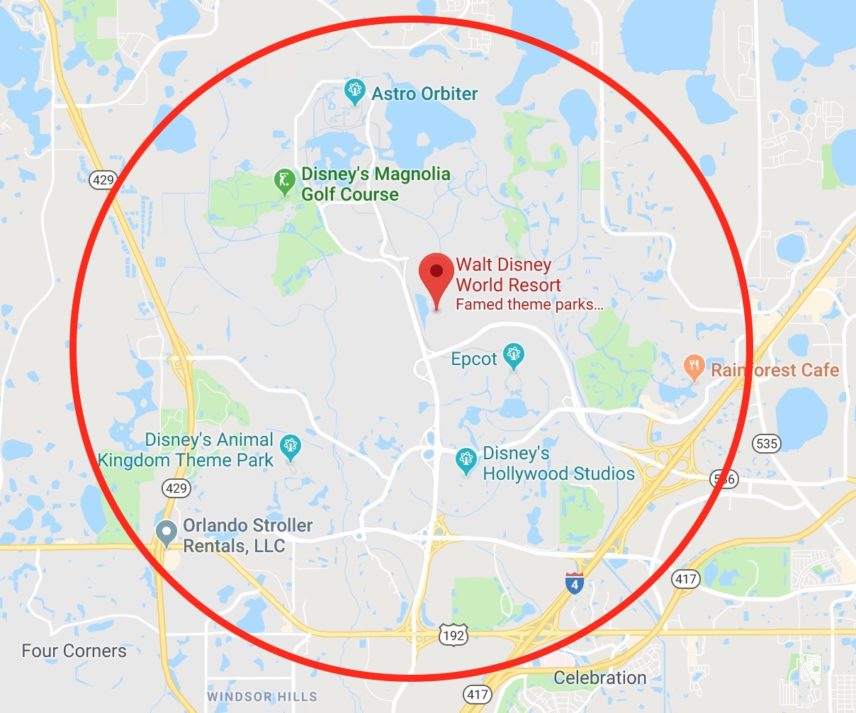
The answer to “how many acres is Disney World?” is a staggering 25,000 acres. To put that into perspective, that’s roughly 40 square miles (100 square kilometers). This monumental size makes it about twice the size of Manhattan in New York City and roughly the same size as San Francisco. It’s an expanse so immense that only about half of it has actually been developed, leaving considerable room for future expansion and natural conservation. Understanding this immense footprint is crucial for any traveler, as it profoundly impacts everything from planning your itinerary to choosing your accommodation and even how you get around.

The Staggering Scale of Walt Disney World
The number 25,000 acres often elicits gasps of surprise. Many first-time visitors expect a large theme park, perhaps similar in scale to Disneyland Resort in Anaheim, California, which spans a comparatively modest 500 acres. The difference is not just quantitative; it’s qualitative, defining the entire visitor experience and the operational philosophy behind the resort.
Unpacking the 25,000-Acre Reality
To truly grasp the magnitude of 25,000 acres, it helps to make comparisons. Beyond Manhattan or San Francisco, imagine fitting other major attractions within its boundaries. Universal Orlando Resort, another major player in Orlando tourism, would comfortably fit within Walt Disney World’s undeveloped areas, multiple times over. This vastness is not accidental; it was a deliberate design choice by Walt Disney himself, aiming to create an immersive bubble where the outside world could not intrude on the magical experience.
The initial land acquisition for what was then known as the “Florida Project” was conducted covertly in the 1960s to prevent land speculation. Walt Disney understood that to fully realize his ambitious vision, he needed space — not just for theme parks, but for hotels, transportation networks, industrial areas, and even an experimental city. This forethought led to the creation of what is essentially its own municipality, with its own infrastructure and governance (Reedy Creek Improvement District), further highlighting the unparalleled scale and ambition of the project.
A World Beyond Theme Parks
While the iconic theme parks are the primary draw, they only account for a fraction of the total acreage. The remaining land is dedicated to a complex ecosystem designed to support and enhance the guest experience. This includes:
- Numerous Resorts and Hotels: Over 25 distinct Disney-owned resorts, ranging from value to deluxe, each with its own theme, amenities, and often, extensive grounds.
- Water Parks: Two distinct water parks offering aquatic fun and relaxation.
- Shopping, Dining, and Entertainment Districts: Areas like Disney Springs, which is a destination in itself.
- Recreational Facilities: Multiple championship golf courses, mini-golf courses, and the ESPN Wide World of Sports Complex.
- Conservation Areas: A significant portion of the property is dedicated to wetlands, forests, and other natural habitats, serving as a buffer and a commitment to environmental stewardship.
- Infrastructure: Extensive road networks, bus depots, monorail lines, waterways, power plants, and vast “backstage” areas for operations, maintenance, and cast member support.
This comprehensive approach allows Walt Disney World to manage virtually every aspect of a visitor’s trip, from arrival to departure, without having to rely heavily on external services.
What Lies Within Disney’s Vast Domain?
Exploring the 25,000 acres means delving into a meticulously planned universe, each section contributing to the resort’s overall appeal and functionality.
The Four Iconic Theme Parks
The heart of Walt Disney World lies in its four distinct theme parks, each offering a unique immersive experience:
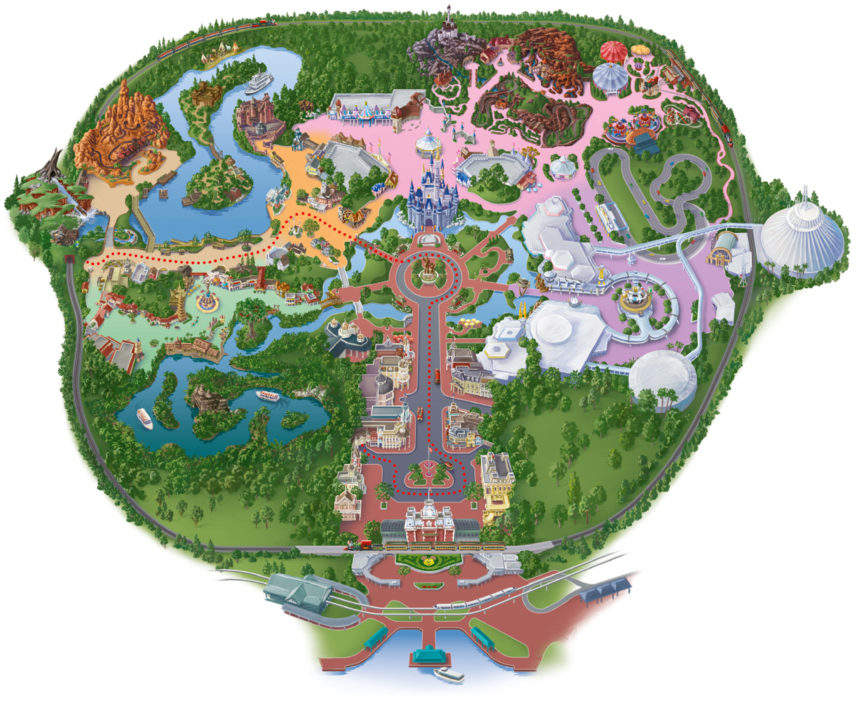
- Magic Kingdom: The quintessential Disney park, home to Cinderella Castle and beloved classic attractions. It evokes nostalgia and pure fantasy, divided into themed lands like Fantasyland, Adventureland, and Tomorrowland. Visitors can spend days here, experiencing everything from thrilling rides to character meet-and-greets and spectacular nighttime shows like Disney Enchantment.
- Epcot: A celebration of human achievement and international culture. Epcot is split into World Showcase, featuring pavilions representing 11 different countries with their unique architecture, food, and entertainment, and Future World (now divided into World Nature, World Discovery, and World Celebration), which explores technological innovation and scientific discovery. Iconic landmarks include Spaceship Earth and the nightly Harmonious lagoon show.
- Hollywood Studios: Dedicated to the magic of movies, television, and Broadway. This park transports guests into their favorite stories, from the thrilling drops of Hollywood Tower of Terror to the whimsical world of Toy Story Land and the epic adventures of Galaxy’s Edge. It’s a dynamic park that continues to evolve with new storytelling technologies and immersive lands.
- Animal Kingdom: A park centered around natural environments and wildlife conservation, inspired by real animals and mythical creatures. Its centerpiece is the magnificent Tree of Life, and attractions range from thrilling safaris through recreated African savannas to the fantastical world of Pandora – The World of Avatar. Live shows like the Festival of the Lion King highlight its unique blend of entertainment and education.
Aquatic Adventures and Entertainment Hubs
Beyond the main gates of the theme parks, the magic continues with various leisure and entertainment options.
- Water Parks: Typhoon Lagoon offers a tropical paradise with a massive surf pool and exhilarating slides, while Blizzard Beach is themed as a melted ski resort, complete with frosty slides and a chairlift. These parks provide a refreshing break from the summer heat and a different kind of adventure.
- Disney Springs: This vibrant outdoor complex is a hub for dining, shopping, and entertainment, accessible without a park ticket. It boasts an array of unique boutiques, world-class restaurants, live music venues, and family-friendly activities like bowling and a cinema. It’s a popular evening destination, offering a sophisticated counterpoint to the theme park experience.
- Sports and Recreation: The ESPN Wide World of Sports Complex hosts amateur and professional sporting events throughout the year, making Walt Disney World a destination for sports tourism as well. Several championship golf courses attract enthusiasts, while mini-golf and other recreational activities provide fun for all ages.
A Universe of Accommodation Options
With such a vast property, Walt Disney World offers an unparalleled range of accommodation options, catering to every budget and travel style. From luxurious resorts to budget-friendly hotels and long-term stay villas, the choice of where to stay profoundly impacts a traveler’s experience.
- Deluxe Resorts: Properties like Disney’s Contemporary Resort, Disney’s Grand Floridian Resort & Spa, and Disney’s Polynesian Village Resort offer premium amenities, fine dining, and often, direct access to theme parks via monorail or boat. Resorts such as Disney’s Riviera Resort, Disney’s Yacht Club Resort, and Disney’s Beach Club Resort are situated near Epcot and Hollywood Studios, some with walking access. These offer a luxurious travel lifestyle, often including spacious suites and exclusive services, perfect for those seeking an indulgent escape.
- Moderate Resorts: Options like Caribbean Beach Resort provide a balance of amenities and value, often featuring larger grounds, themed pools, and a wider array of dining choices. They offer a comfortable and immersive experience without the top-tier price tag.
- Value Resorts: For budget-conscious travelers, properties such as Pop Century Resort, Art of Animation Resort, and the All-Star Resorts offer fun, highly themed environments at an affordable price. These are excellent choices for families, providing essential amenities and convenient transportation.
Staying on-site offers numerous benefits, including complimentary transportation throughout the resort, early park entry, and seamless integration into the Disney ecosystem, enhancing the overall magical experience.
Nature, Recreation, and Backstage Magic
The undeveloped portions of Walt Disney World are far from empty. They include vast conservation lands, lakes such as Bay Lake and Lake Buena Vista, and the extensive infrastructure that keeps the entire operation running smoothly. These backstage areas are crucial for everything from maintaining the elaborate animatronics to managing waste and providing housing for the hundreds of thousands of cast members. The dedication to natural areas also aligns with a growing trend in tourism towards sustainable practices, offering a glimpse into Disney’s commitment beyond pure entertainment.
Why So Big? Walt Disney’s Vision and Legacy
The immense size of Walt Disney World is directly attributable to the ambitious vision of its founder, Walt Disney. He learned valuable lessons from the development of Disneyland Resort in California, where limited land eventually led to commercial sprawl just outside the park gates, detracting from the immersive experience he sought to create. For his Florida project, he vowed to acquire enough land to maintain complete creative control over the surrounding environment.
The EPCOT Dream: A City of Tomorrow
Walt Disney’s initial dream for the Florida property extended far beyond a mere theme park. He envisioned EPCOT (Experimental Prototype Community of Tomorrow) – a fully functioning, futuristic city where people would live, work, and innovate. This utopian society would showcase new urban planning, transportation systems, and technologies, constantly evolving to solve contemporary challenges. While the living city never fully materialized as he imagined before his death, the immense land acquisition was primarily to support this revolutionary concept, providing space for a vast greenbelt, advanced infrastructure, and distinct themed areas.
Even though the park Epcot as we know it today is different from Walt Disney’s original city concept, the spirit of innovation and global community remains. The sheer acreage allowed for the development of distinct themes and attractions without feeling cramped or allowing external commercial development to break the illusion.
Master Control and Immersive Experiences
The sprawling nature of Walt Disney World enables a level of immersion that is difficult to achieve elsewhere. Visitors can spend their entire vacation within the ” Disney bubble,” seamlessly moving between parks, resorts, and entertainment districts without ever feeling disconnected from the magical narrative. This master control over the environment ensures that every visual, auditory, and experiential detail contributes to the overarching story. From the moment guests arrive, they are transported into a carefully curated world, free from the distractions and visual clutter of the real world just outside the resort’s boundaries. This comprehensive immersion is a hallmark of the Disney brand and a key reason for its enduring popularity among families, couples, and solo adventurers alike.
Navigating the Grandeur: Tips for Your Disney World Adventure
Understanding the vastness of Walt Disney World is the first step in planning a successful and enjoyable trip. It highlights the importance of strategic planning, especially concerning transportation and itinerary development.
Transportation: Getting Around the Massive Resort
One of the biggest implications of Walt Disney World’s size is the necessity of an efficient transportation system. The resort offers a comprehensive network of complimentary transport options:
- Buses: The most extensive system, connecting all resorts, parks, and Disney Springs. While efficient, travel times can be significant due to the distances involved.
- Monorail: An iconic symbol of Disney World, providing direct service between Magic Kingdom, Epcot (via transfer), and several deluxe resorts like Disney’s Contemporary Resort, Disney’s Grand Floridian Resort & Spa, and Disney’s Polynesian Village Resort.
- Boats/Ferries: Connect certain resorts to parks (e.g., Magic Kingdom resorts, Epcot/Hollywood Studios resorts like Disney’s Yacht Club Resort and Disney’s Beach Club Resort), and the Magic Kingdom parking lot to the park entrance.
- Disney Skyliner: An aerial gondola system connecting Epcot and Hollywood Studios with several moderate and value resorts, including Disney’s Riviera Resort, Caribbean Beach Resort, Pop Century Resort, and Art of Animation Resort. This newer addition offers scenic views and efficient travel.
- Minnie Van Service: A ride-sharing service operated by Disney in partnership with Lyft, offering door-to-door service for a fee, ideal for those seeking convenience and speed.
Even with these extensive options, it’s important to factor in travel time between destinations, as distances can be substantial. For example, traveling from Magic Kingdom to Animal Kingdom can take a significant amount of time, including waiting for transportation.
Maximizing Your Visit: Planning for Scale
To make the most of your trip to this monumental destination, careful planning is essential.
- Park Hopping Strategy: Decide whether park hopping is worth it for your group, given the travel time between parks. Many visitors find it more efficient to dedicate an entire day to one park.
- On-Site Accommodation Benefits: Staying at a Disney resort simplifies logistics significantly, offering privileged access to transportation and other perks that help navigate the vastness.
- Dining Reservations: With so many restaurants spread across the property, booking dining experiences well in advance is crucial, especially for popular spots.
- Mobile Ordering: Utilize mobile ordering services within the My Disney Experience app to save time at quick-service locations, allowing more time for attractions.
The Lifestyle of a Disney Traveler
The vast acreage of Walt Disney World allows for a diverse range of travel lifestyles. A luxury traveler might opt for a deluxe resort, fine dining, and private transportation, enjoying a pampered, seamless experience. A budget traveler might choose a value resort, pack snacks, and rely solely on the complimentary bus system, finding joy in the accessible magic. Families find the array of accommodations and activities perfect for all ages, while solo travelers can enjoy the freedom of exploring at their own pace. The resort’s size means there truly is something for everyone, regardless of their travel preferences or budget.
In conclusion, the 25,000 acres of Walt Disney World represent not just a physical space, but a boundless canvas for imagination, innovation, and unforgettable memories. It’s a testament to Walt Disney’s grand vision to create a completely controlled environment where magic could thrive, unhindered by the outside world. For those embarking on a journey to Orlando, understanding this colossal scale is the first step in unlocking the full potential of this extraordinary destination.