
Nestled against the dramatic foothills of the Rocky Mountains in northern Colorado, Fort Collins is a vibrant city that consistently ranks among the best places to live and visit in the United States. For travelers planning their next adventure, understanding its precise location is the first step to unlocking a world of outdoor recreation, craft beer innovation, rich history, and a laid-back, yet energetic, lifestyle. More than just a dot on a map, Fort Collins’ strategic position makes it an accessible gateway to both stunning natural landscapes and bustling urban centers, offering an unparalleled mix of experiences for every type of visitor. Whether you’re seeking a serene escape into nature, a lively urban exploration, or a unique blend of both, this dynamic destination promises an unforgettable journey.
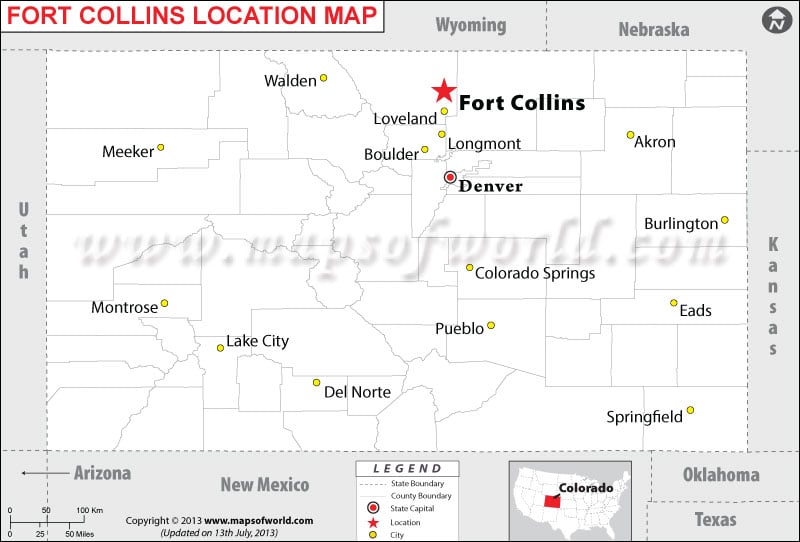
Unveiling Fort Collins: A Gem in Northern Colorado
To truly appreciate the allure of Fort Collins, one must first grasp its geographical context. Its prime location not only defines its climate and landscape but also dictates its accessibility and the myriad of activities available to residents and tourists alike. This city serves as a perfect base camp for exploring the wider Colorado region, offering a blend of localized charm and proximity to larger state attractions.
Geographic Coordinates and Setting
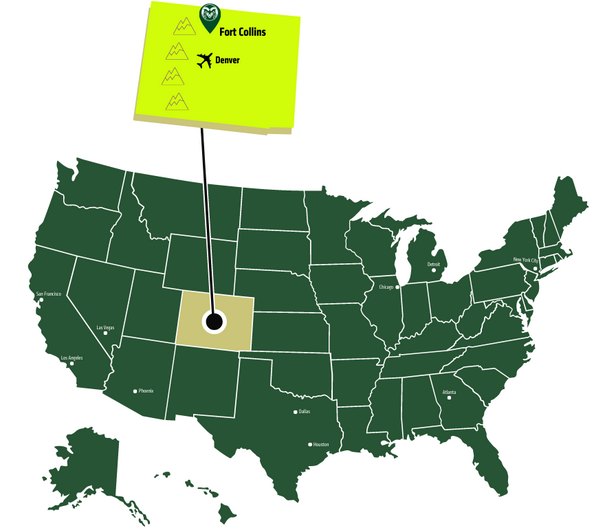
Fort Collins is situated approximately 60 miles (97 kilometers) north of Denver, the state capital of Colorado. It lies at an elevation of about 5,000 feet (1,524 meters) above sea level, placing it squarely within the high plains, but with an immediate western border formed by the Rocky Mountain foothills. Specifically, its coordinates hover around 40.5853° N latitude and 105.0844° W longitude. This positioning places it on the Cache la Poudre River, a vital waterway that flows from the Rocky Mountains eastward, providing a scenic corridor and recreational opportunities right through the city.
The city is the county seat of Larimer County and is the fourth most populous city in Colorado. Its proximity to major interstates, particularly Interstate 25, makes it easily reachable by car from various parts of the country. To its west, the mountains rise dramatically, providing a stunning backdrop and easy access to national forests, including the Roosevelt National Forest, and wilderness areas. To the east, the landscape gradually flattens into the expansive plains, dotted with agricultural lands and smaller towns. This transitional geography endows Fort Collins with incredible biodiversity and a range of recreational environments, from challenging mountain trails to serene riverside paths.
Climate and Seasons
The climate in Fort Collins is characterized by four distinct seasons, each offering its own unique appeal and influencing travel experiences. Understanding these seasonal shifts is key to planning the perfect trip, whether you’re seeking snowy adventures or sun-drenched explorations.
Spring (March-May): Spring in Fort Collins is a period of transition, with temperatures gradually warming and the landscape coming back to life. While some late-season snow is possible in March, April and May typically bring pleasant, mild days perfect for hiking, biking, and enjoying the blossoming scenery. This is an excellent time for those who enjoy fewer crowds and moderate temperatures for outdoor activities before the summer rush.
Summer (June-August): Summers are generally warm and dry, with abundant sunshine. Daytime temperatures often hover in the 80s°F (27-32°C), with cooler evenings, making it ideal for patio dining, water sports at Horsetooth Reservoir, and exploring the vast trail network. Thunderstorms can occur in the afternoons, but they are usually brief and help to clear the air, often leading to spectacular sunsets over the Rockies. This is peak tourism season, buzzing with festivals and outdoor events.
Autumn (September-November): Fall is arguably one of the most beautiful times to visit Fort Collins. The weather is crisp and clear, and the foliage in the foothills and mountains transforms into brilliant shades of gold, orange, and red. Temperatures are comfortable, ideal for scenic drives, apple picking, and enjoying the last vestiges of outdoor dining before winter sets in. It’s a favorite time for photographers and those seeking picturesque natural beauty.
Winter (December-February): Winters are cold and typically bring snow, though Fort Collins often experiences milder conditions compared to other parts of Colorado due to its lower elevation and chinook winds. Snowfall creates a serene, picturesque landscape, offering opportunities for snowshoeing, cross-country skiing, and cozying up in local breweries and cafes. The proximity to major ski resorts in the Rockies (a few hours’ drive) also makes it an attractive base for winter sports enthusiasts.
Beyond the Map: What Makes Fort Collins a Must-Visit Destination
While its location provides the geographical framework, it’s the rich tapestry of attractions, activities, and local culture that truly defines Fort Collins as a premier travel destination. From its world-renowned craft beer scene to its endless outdoor playgrounds and charming historic districts, the city offers a diverse array of experiences that cater to every interest and travel style. This holistic appeal positions Fort Collins as more than just a place to visit; it’s a lifestyle to immerse yourself in.
A Hub for Craft Beer and Culinary Delights
Fort Collins proudly holds the title of “Craft Beer Capital of Colorado,” a testament to its pioneering spirit in the brewing industry. The city is home to an impressive number of breweries, ranging from globally recognized giants to intimate nano-breweries, all contributing to a vibrant and innovative beer culture.
Among the most famous is New Belgium Brewing Company, creators of the iconic Fat Tire amber ale, which offers engaging tours detailing its sustainable practices and diverse beer lineup. Another cornerstone is Odell Brewing Company, known for its award-winning beers and welcoming taproom atmosphere. Beyond these giants, smaller craft breweries like Funkwerks, specializing in Saisons and sours, and Equinox Brewing, with its cozy garden patio, offer unique tasting experiences. Many breweries provide tours, tastings, and often host food trucks and live music, creating lively social hubs.
The culinary scene in Fort Collins has grown in parallel with its beer culture, offering a diverse palette of flavors. From farm-to-table restaurants emphasizing local Colorado ingredients to international eateries, there’s something to satisfy every craving. Old Town Fort Collins, in particular, is a gastronomic hotspot, featuring everything from casual cafes to upscale dining experiences. Visitors can explore a range of cuisines, including classic American, Mexican, Italian, Asian, and more, often paired perfectly with local craft beers or spirits. The city’s commitment to fresh, local produce is evident in its popular farmers’ markets, which run through the warmer months, offering an authentic taste of the region.
Outdoor Adventures Await
Given its stunning natural surroundings, it’s no surprise that Fort Collins is an outdoor enthusiast’s paradise. The city is literally at the doorstep of the Rocky Mountains, providing immediate access to a vast network of trails, waterways, and scenic drives.
One of the most popular attractions is Horsetooth Reservoir and its surrounding open space. This sprawling body of water offers opportunities for boating, paddleboarding, kayaking, fishing, and swimming. The trails around Horsetooth are a haven for hikers, mountain bikers, and rock climbers, with options ranging from gentle strolls to challenging ascents that reward with panoramic views of the reservoir and the city below. The iconic Horsetooth Rock formation itself is a landmark and a popular hiking destination.
The Cache la Poudre River, a designated National Wild and Scenic River, is another focal point for outdoor adventure. Flowing through the scenic Poudre Canyon just west of the city, it’s a prime spot for whitewater rafting, kayaking, and fly-fishing. The Poudre Trail, a paved path stretching for miles along the river, is perfect for leisurely bike rides, walks, and birdwatching, connecting various parks and natural areas within and around Fort Collins.
Beyond these, the city boasts an extensive network of over 280 miles of designated bike lanes and trails, earning it platinum-level Bicycle Friendly Community status from the League of American Bicyclists. Whether you’re a casual rider or a serious cyclist, the options for two-wheeled exploration are virtually endless. For those seeking higher altitudes and more rugged terrain, a short drive into the Rocky Mountains opens up access to countless hiking trails, camping spots, and opportunities for wildlife viewing in the Roosevelt National Forest and beyond.
Historic Charm and Cultural Vibrancy
Fort Collins seamlessly blends its pioneering past with a dynamic modern culture, creating a unique atmosphere that is both welcoming and intellectually stimulating.
The heart of the city’s historic charm lies in Old Town Fort Collins, a beautifully preserved district that served as the inspiration for Disneyland’s Main Street, U.S.A. With its tree-lined streets, Victorian-era buildings, and charming gas lamps, Old Town is a delight to explore on foot. It’s filled with unique boutiques, art galleries, diverse restaurants, and bustling cafes. The Old Town Square frequently hosts live music, cultural events, and outdoor markets, acting as a vibrant community gathering place. A free, vintage trolley, the Fort Collins Municipal Railway, offers rides along a historic route, providing a nostalgic journey through the district.
The cultural vibrancy of Fort Collins is also significantly shaped by Colorado State University (CSU), a prominent land-grant institution located just south of Old Town. The university contributes to a youthful energy, a thriving arts scene, and a diverse intellectual environment. Visitors can explore the CSU Oval, a picturesque campus landmark, or attend a variety of cultural events, including theatrical productions, concerts, and art exhibitions hosted by the university.
Beyond CSU, the city supports a robust arts community. Public art installations are common, and numerous galleries showcase local and regional artists. Museums like the Fort Collins Museum of Discovery offer interactive exhibits on local history, science, and nature, making them engaging for all ages. The city’s calendar is consistently packed with festivals and events throughout the year, celebrating everything from local music and art to beer and agriculture, ensuring there’s always something lively happening.
Planning Your Stay: Accommodation and Lifestyle in Fort Collins
As a popular destination, Fort Collins understands the diverse needs of travelers. The city offers a wide array of accommodation options and caters to various lifestyles, ensuring that every visitor can find their ideal home away from home, whether for a quick getaway or an extended stay.
Diverse Accommodation Options
When it comes to finding a place to rest your head, Fort Collins provides ample choices, ranging from luxurious resorts to budget-friendly stays, boutique hotels, and spacious vacation rentals. This diversity ensures that whether you’re traveling solo, as a couple, with family, or for business, you’ll find an option that suits your preferences and budget.
For those seeking comfort and convenience, numerous well-known hotel chains are present throughout the city. Options like the Hilton Garden Inn Fort Collins or the Courtyard by Marriott Fort Collins offer reliable services, modern amenities, and often include features like swimming pools, fitness centers, and on-site dining. Many of these are strategically located near major attractions, the university, or business districts, providing easy access to different parts of the city.
Boutique hotels offer a more unique and personalized experience. These establishments often have distinct character, thoughtful design, and a focus on local charm, providing a memorable stay that reflects the spirit of Fort Collins. They are perfect for travelers looking for something beyond the standard hotel experience.
For longer stays, family trips, or those desiring more space and a home-like environment, vacation rentals through platforms like Airbnb or local property management companies are an excellent choice. These can range from cozy apartments in Old Town to spacious homes near the foothills, often equipped with full kitchens, multiple bedrooms, and outdoor spaces, offering flexibility and privacy. Additionally, several extended-stay hotels cater specifically to business travelers or those requiring longer-term accommodation, providing suite-style rooms with kitchenettes.
For the budget-conscious traveler, there are also a variety of motels and economy hotels that provide clean, comfortable, and affordable lodging without sacrificing essential amenities. Campgrounds and RV parks near Horsetooth Reservoir and in the surrounding national forests offer rustic or amenity-rich options for those who prefer to connect directly with nature.
Tailoring Your Fort Collins Experience
The lifestyle in Fort Collins is as varied as its landscapes, and the city is well-equipped to cater to different types of travelers and their desired experiences.
Luxury Travel: For those seeking an elevated experience, Fort Collins offers upscale hotels with premium services, fine dining establishments, and exclusive experiences such as private brewery tours or guided mountain adventures. Combining high-end accommodation with gourmet meals and curated activities allows for a truly indulgent getaway.
Budget Travel: Fort Collins is also incredibly friendly to budget travelers. With numerous free outdoor activities, affordable dining options, and a range of economical lodging choices, it’s easy to enjoy the city without breaking the bank. Exploring Old Town, hiking local trails, or enjoying a picnic by the Poudre River are just a few ways to experience the best of Fort Collins affordably.
Family Trips: Fort Collins shines as a family-friendly destination. Attractions like the Fort Collins Museum of Discovery, the Farm at Lee Martinez Park, and countless parks and open spaces provide endless entertainment for children of all ages. Many breweries are also family-friendly, offering outdoor spaces and games. Vacation rentals are often ideal for families, providing space and amenities that make traveling with children easier and more comfortable.
Business Stays: For business travelers, Fort Collins offers modern convention facilities, hotels equipped with business centers and meeting rooms, and convenient access to Colorado State University and corporate offices. The city’s vibrant dining scene provides excellent options for client dinners, while the laid-back atmosphere and outdoor opportunities offer a perfect balance for unwinding after a day of work.
Getting There and Getting Around
Accessibility is a key factor in any travel plan, and Fort Collins’ location in northern Colorado makes it quite convenient to reach, whether you’re coming from across the country or within the state. Once you arrive, navigating the city is also straightforward, with various transportation options available to explore its many attractions.
Accessibility and Transportation
By Air: The primary gateway for air travelers to Fort Collins is Denver International Airport (DIA). Located about 70 miles (113 kilometers) south of Fort Collins, DIA is a major international hub with extensive domestic and international flight connections. From DIA, visitors can easily reach Fort Collins via several transportation methods:
- Shuttle Services: Numerous private shuttle companies operate direct routes between DIA and Fort Collins, offering convenient door-to-door service.
- Rental Cars: Renting a car at DIA is a popular option, especially for those planning to explore the surrounding natural areas and the wider Colorado region. The drive north on Interstate 25 is direct and typically takes about 1 to 1.5 hours, depending on traffic.
- Public Transportation: While less direct, a combination of regional buses and local transit can get you to Fort Collins from DIA, often involving transfers in Denver itself.
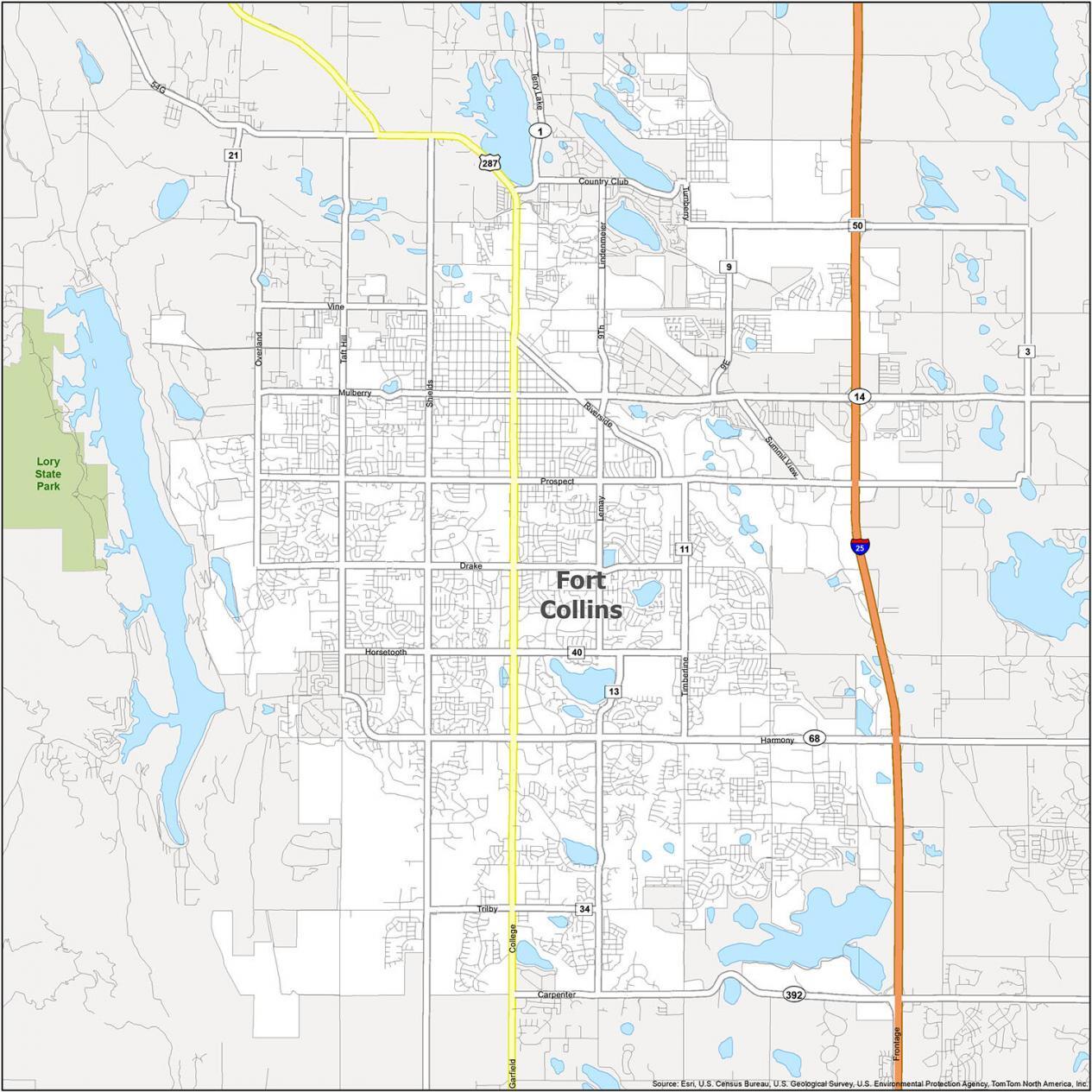
By Car: For those driving, Fort Collins is directly accessible via Interstate 25, making it a convenient stop for road trippers traversing the western United States. U.S. Highway 287 also runs through the city, offering a scenic alternative for travelers coming from Wyoming or other parts of Colorado.
Local Transportation: Once in Fort Collins, getting around is relatively easy thanks to its well-developed infrastructure:
- Biking: As a platinum-level Bicycle Friendly Community, biking is an excellent way to navigate Fort Collins. The city boasts an extensive network of bike trails and lanes, with bike rental services readily available. Many local attractions are easily accessible by bike.
- MAX Bus Rapid Transit: The MAX Bus Rapid Transit is a modern public transportation system that runs along the Mason Corridor, connecting major destinations like Colorado State University, Old Town, and various shopping centers. It offers efficient and frequent service, making it a great option for getting around key areas without a car.
- Transfort Bus System: The wider Transfort bus system provides comprehensive coverage throughout the city, connecting residential areas, commercial centers, and cultural attractions.
- Ride-sharing and Taxis: Services like Uber and Lyft, as well as traditional taxi services, are available for convenient point-to-point transportation.
- Walking: Old Town Fort Collins is very walkable, making it enjoyable to explore its shops, restaurants, and historic sites on foot.
In conclusion, the location of Fort Collins is much more than a geographical fact; it’s a foundational element that shapes its character as a premier travel destination. Positioned at the dynamic intersection of the expansive plains and the majestic Rocky Mountain foothills, it offers an unparalleled blend of natural beauty, urban sophistication, and a relaxed, welcoming atmosphere. From the world-class breweries that dot its streets to the endless trails that invite exploration, and the historic charm of Old Town, Fort Collins provides a rich tapestry of experiences for every traveler. Whether you’re planning a thrilling outdoor adventure, a relaxing cultural immersion, or a culinary journey, knowing “Where Is Fort Collins Colorado Located?” is just the beginning of discovering why this city is a truly remarkable place to visit and explore. Pack your bags and prepare to be captivated by the spirit of northern Colorado!
LifeOutOfTheBox is a participant in the Amazon Services LLC Associates Program, an affiliate advertising program designed to provide a means for sites to earn advertising fees by advertising and linking to Amazon.com. Amazon, the Amazon logo, AmazonSupply, and the AmazonSupply logo are trademarks of Amazon.com, Inc. or its affiliates. As an Amazon Associate we earn affiliate commissions from qualifying purchases.