
The question “Why is Pueblo, Colorado so dangerous?” is one that often surfaces in discussions about travel and safety within the United States. While it’s true that Pueblo, like many cities of its size, faces its share of challenges related to crime, framing it simply as “dangerous” can be misleading and overlook the rich cultural tapestry, historical significance, and ongoing revitalization efforts that define this unique Southern Colorado city. For travelers considering a visit, understanding the nuances of safety, distinguishing perception from reality, and knowing how to navigate the city responsibly are key to an enjoyable and secure experience.
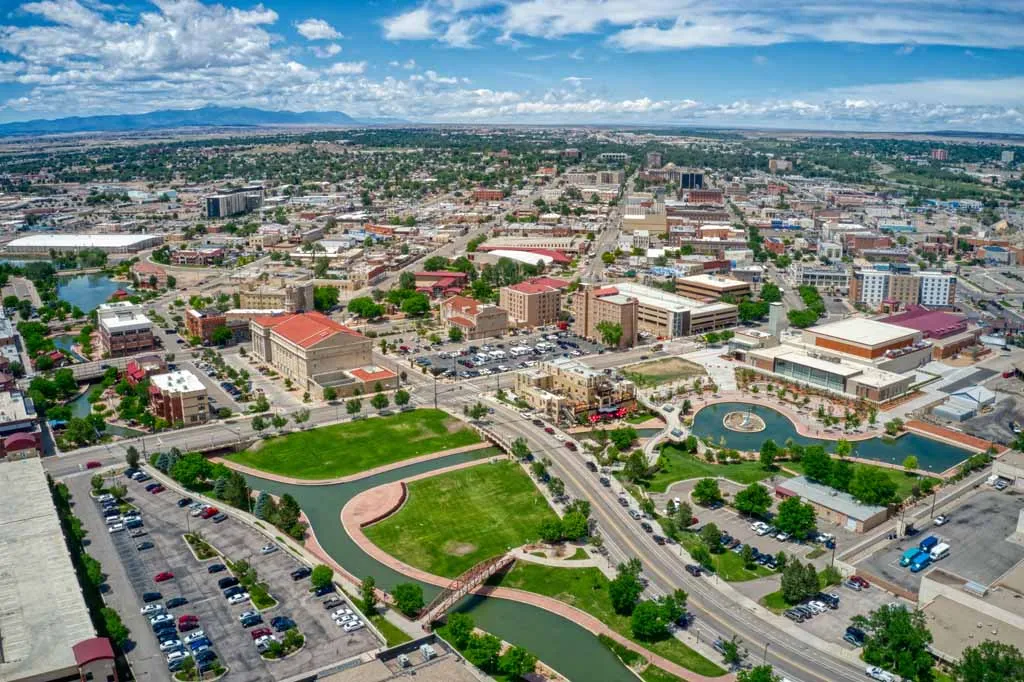
Pueblo, situated on the Arkansas River at the confluence of the high plains and the Rocky Mountains Front Range, boasts a vibrant history rooted in steel production and a diverse population that has contributed to its distinctive character. It’s home to significant landmarks, compelling museums, and a burgeoning arts scene. Yet, statistics sometimes paint a stark picture, showing crime rates that are higher than national averages in certain categories, particularly property crime. This often leads to the perception of danger, which can deter potential visitors. However, for those keen on exploring Pueblo’s unique charm, a deeper dive into these statistics, combined with practical travel advice, reveals a destination that is largely safe for tourists who exercise common sense and plan their visits wisely. This article aims to provide a balanced perspective, addressing the underlying factors contributing to these concerns while guiding travelers on how to experience Pueblo’s many attractions with peace of mind.
Understanding Crime Rates: Perception vs. Reality in Pueblo
When discussing safety in any destination, it’s crucial to differentiate between statistical realities and public perception, which can often be skewed by media coverage or isolated incidents. Pueblo, Colorado, frequently appears on lists of cities with higher crime rates, particularly concerning property crime and, to a lesser extent, violent crime. These statistics, typically compiled from FBI data and local police reports, show rates that sometimes exceed both state and national averages. However, understanding what these numbers truly represent for a traveler is paramount.
Delving into Statistics and Their Context
Crime statistics for Pueblo often highlight a higher incidence of property crimes such as theft, burglary, and vehicle break-ins. Violent crime rates, while also sometimes elevated, are usually more concentrated in specific areas and often involve individuals known to each other, rather than random acts against tourists. It’s important to remember that these overall city-wide statistics don’t typically distinguish between areas frequented by tourists and those that are not. Many popular tourist destinations within Pueblo, like the Pueblo Riverwalk, Union Avenue Historic District, and major attractions, are generally well-patrolled and maintained, experiencing crime rates far lower than the city average.
The factors contributing to higher crime rates in cities like Pueblo are complex and multifaceted. Economic challenges, a legacy of industrial decline, issues related to substance abuse, and homelessness are often cited as underlying causes. These socioeconomic pressures can unfortunately lead to an increase in certain types of criminal activity. However, the city and its residents are actively working to address these systemic issues, implementing community-based programs, increasing police presence in vulnerable areas, and investing in urban revitalization projects aimed at fostering a safer environment for everyone, including visitors. The State of Colorado also provides resources and support for these initiatives.
How Perception Shapes Visitor Experience
The perception of danger can often be more impactful than the actual risk for travelers. A city’s reputation, once established, can be hard to shake, even with significant improvements. For Pueblo, this perception can overshadow its many positives – its affordability, its authentic cultural experiences, and its proximity to incredible natural landscapes. Visitors who arrive with preconceived notions of danger might be more susceptible to anxiety, potentially limiting their willingness to explore beyond the most obvious tourist spots.
However, informed travelers understand that safety is a relative term and that vigilance is always a wise practice, regardless of destination. By understanding the specific types of crime prevalent in Pueblo (e.g., property crime) and the typical areas where they occur, visitors can take targeted precautions, rather than simply avoiding the city altogether. This involves researching neighborhoods, securing valuables, and being aware of one’s surroundings – practices that are prudent in any urban environment from Denver to Colorado Springs. By doing so, travelers can move beyond the blanket label of “dangerous” and appreciate Pueblo for its unique offerings.
Navigating Pueblo Safely: Key Areas and Practical Tips for Travelers
For any destination, particularly one grappling with a reputation for higher crime rates, practical advice on navigating the city safely becomes invaluable for travelers. Pueblo offers a wealth of attractions, but knowing which areas are generally safer, and what precautions to take, can significantly enhance a visitor’s experience and peace of mind.
Identifying Key Areas for Travelers
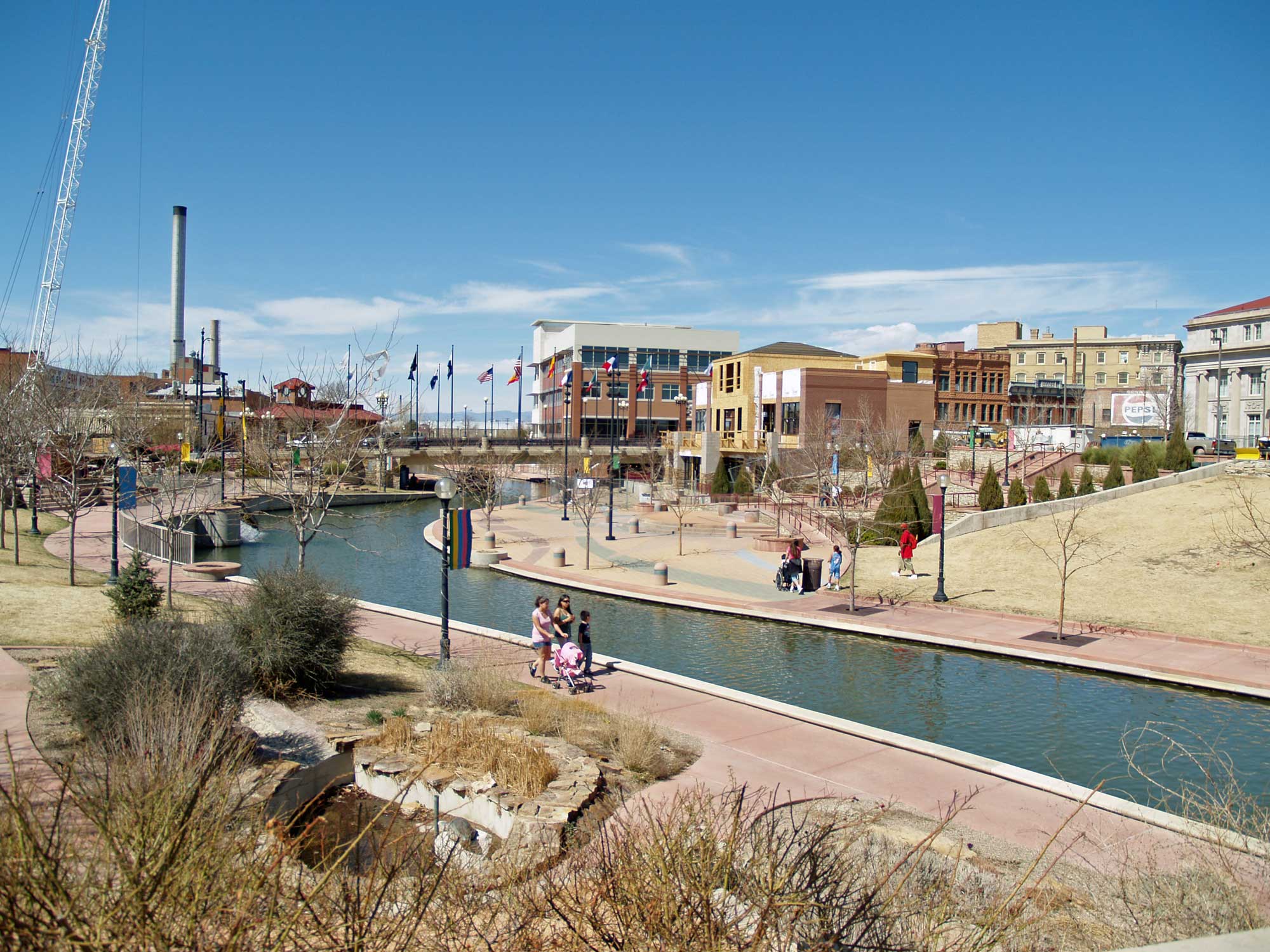
While crime can occur anywhere, certain areas of Pueblo are more frequented by tourists and are typically well-maintained and safer. The Pueblo Riverwalk, also known as the Historic Arkansas Riverwalk of Pueblo (HARP), is a prime example. This vibrant district in downtown Pueblo is a hub of activity, featuring shops, restaurants, public art, and boat rides. It’s generally considered safe during the day and early evening, with a visible police presence and many people around. Similarly, the adjacent Union Avenue Historic District, with its beautifully preserved 19th-century architecture and unique boutiques, is also a popular and generally secure area for exploration.
Other notable attractions, such as the Steelworks Center of the West, the El Pueblo History Museum, and the Rosemount Museum, are typically situated in areas that are relatively safe during operating hours. When considering accommodation, many popular hotels are located near these central districts or along the major I-25 corridor, which offers good access and generally lower risk. While specific neighborhoods to avoid are often discussed by locals, as a general rule, travelers should stick to well-lit, populated areas, especially after dark, and exercise caution in less developed or deserted parts of the city.
Essential Safety Tips for a Worry-Free Visit
Travelers to Pueblo can significantly mitigate potential risks by adhering to a few fundamental safety practices:

- Be Aware of Your Surroundings: This is perhaps the most crucial tip for any urban environment. Pay attention to who is around you, avoid distractions like constant phone use, and trust your instincts. If a situation feels uncomfortable, remove yourself from it.
- Secure Valuables: Property crime, like car break-ins and pickpocketing, is a primary concern. Never leave valuables visible in your car, even for a moment. Keep wallets, phones, and cameras secure and out of easy reach. When walking, avoid carrying large amounts of cash or wearing flashy jewelry that could attract unwanted attention. Consider using a cross-body bag or money belt.
- Research Accommodation Carefully: When booking hotels, suites, resorts, or apartments, read recent reviews regarding safety and neighborhood specifics. Websites dedicated to accommodation reviews often provide insights from previous guests about the local area. Opt for properties with good security features and positive feedback on safety.
- Travel in Groups or Pairs: Whenever possible, especially during evening hours, explore with a companion. There is safety in numbers, and you can look out for each other.
- Utilize Reputable Transportation: Stick to well-known ride-sharing services, taxis, or your own vehicle. Avoid walking alone at night in unfamiliar areas, and be cautious about accepting rides from strangers.
- Stay Informed: Check local news for any specific advisories or areas of heightened concern during your visit. Engage with hotel staff or reliable locals for current safety recommendations.
- Know Emergency Numbers: Have local emergency numbers (911 in the US) readily accessible and know your exact location if you need to call for help.
By following these practical tips, visitors can significantly reduce their risk and focus on enjoying the unique experiences that Pueblo has to offer, transforming a potentially anxiety-ridden trip into a secure and memorable adventure.
Pueblo’s Revitalization and Efforts Towards Safety
Far from being complacent about its challenges, Pueblo, Colorado, is actively engaged in numerous revitalization projects and community initiatives designed to enhance safety and improve the overall quality of life for its residents and visitors. These efforts are not just about addressing crime statistics but also about fostering a vibrant, welcoming, and secure environment that encourages tourism, economic growth, and local pride.
Community-Led Safety Initiatives
At the heart of Pueblo’s safety strategy are community-led programs. Local law enforcement agencies often work in tandem with neighborhood associations and community groups to implement targeted crime prevention strategies. This includes increased police visibility in high-traffic areas, community watch programs, and initiatives aimed at addressing the root causes of crime, such as addiction support services and youth engagement programs. The city has also invested in technology, such as surveillance cameras in key public spaces and improved lighting, to deter criminal activity and enhance public safety.
Beyond direct crime prevention, there’s a strong emphasis on fostering a sense of community ownership and responsibility. Events that bring people together, like local festivals, farmers’ markets, and cultural celebrations, are encouraged to create lively, positive public spaces where residents and tourists can interact safely. The Colorado State Fair, held annually in Pueblo, is a prime example of such an event, drawing large crowds and contributing to a bustling, secure atmosphere. Organizations like the Pueblo Arts Alliance also play a role, using artistic expression and cultural events to breathe new life into areas and make them more attractive and safer.
Urban Redevelopment and Tourism Investment
Significant investment has been poured into urban redevelopment projects aimed at transforming key areas of Pueblo, making them more appealing and secure for both residents and tourists. The expansion and continuous enhancement of the Historic Arkansas Riverwalk of Pueblo (HARP) is a cornerstone of this strategy. This beautiful waterfront attraction has not only created a popular leisure destination but has also spurred adjacent commercial and residential development, bringing more people and economic activity to the downtown core, which naturally enhances safety. The Riverwalk Park itself is a testament to Pueblo’s commitment to creating safe, engaging public spaces.
Efforts to revitalize the Union Avenue Historic District continue, with restoration projects encouraging new businesses and greater foot traffic. These initiatives not only preserve Pueblo’s rich history but also create safer, more vibrant commercial zones. The city is also working to attract new businesses and industries, which helps to create jobs and address some of the socioeconomic factors that contribute to crime. For travelers, this means more modern accommodation options, diverse dining experiences, and improved infrastructure that collectively contribute to a more pleasant and secure visit. When considering hotels, resorts, or apartments, many of these newer or renovated properties are integrated into these safer, revitalized districts, offering amenities that prioritize guest safety and comfort.
Experiencing Pueblo Safely: Attractions, Culture, and Accommodation
Beyond the statistics and safety concerns, Pueblo, Colorado, is a city rich in history, culture, and unique attractions, offering a rewarding experience for those who know how to explore it wisely. Integrating safety practices with an open mind allows travelers to fully appreciate what this Southern Colorado gem has to offer.
Must-Visit Attractions and Cultural Immersion
Pueblo’s identity is deeply woven into its history and diverse community. The Steelworks Center of the West offers a fascinating look into the city’s industrial past, housed in a historic building that tells the story of the steel industry’s profound impact on the region. For history buffs, the El Pueblo History Museum showcases the area’s early cultural encounters, including the iconic 1840s trading post. The majestic Rosemount Museum, a Victorian mansion, provides a glimpse into the opulent lives of Pueblo’s early elite. These landmarks offer engaging educational experiences in generally safe and well-managed environments.
Cultural immersion in Pueblo also means exploring its famous Pueblo chili scene and diverse culinary offerings, often found in safe, vibrant dining districts like those along the Riverwalk. The annual Pueblo Chile & Frijoles Festival draws crowds to celebrate local agriculture and culture, providing a lively and safe atmosphere. Outdoor enthusiasts will find solace and adventure at Lake Pueblo State Park, offering boating, fishing, and hiking in a vast, natural setting just outside the city, where safety concerns are minimal. Even the Pueblo Zoo and nearby Comanche National Grassland provide family-friendly excursions that are generally very safe.
Choosing Safe Accommodation and Lifestyle Choices
When it comes to accommodation, careful planning is crucial for a secure and comfortable stay. Pueblo offers a range of options, from well-known hotel chains like a Marriott or a Hilton (if present in the area, used as a generic example) near the I-25 corridor to charming boutique hotels in the revitalized downtown. It’s advisable to prioritize hotels or apartments with positive security reviews, ample lighting, and secure parking, especially if you’re traveling with your own vehicle. For longer stays, researching specific neighborhoods for their safety profile before booking an apartment or villa is highly recommended. Many modern resorts and suites prioritize guest safety with controlled access and on-site security.
Lifestyle choices during your trip can also impact safety. For family trips, choosing accommodations with family-friendly amenities and locations near parks or attractions can enhance security. Budget travelers should still prioritize safety over the absolute cheapest option, as saving a few dollars might place you in a less desirable or secure area. Luxury travel in Pueblo, while perhaps not as extensive as in larger metropolitan areas, often means choosing higher-end hotels that inherently offer better security and amenities. Business stays might benefit from hotels located close to business districts or Colorado State University Pueblo, offering convenience and often a more professional, secure environment. Regardless of your travel style, being informed about your surroundings and making conscious choices about where you stay and how you explore will allow you to enjoy Pueblo to its fullest.
In conclusion, while the question “Why is Pueblo Colorado so dangerous?” stems from legitimate statistical data, it often oversimplifies a complex reality. Pueblo is a city undergoing transformation, with rich cultural offerings and a determined community working towards a safer future. For the informed and cautious traveler, Pueblo presents an opportunity for authentic experiences, historical exploration, and natural beauty. By understanding the context of crime rates, adhering to practical safety tips, and focusing on the city’s many positive attributes and ongoing revitalization efforts, visitors can navigate Pueblo safely and discover its unique charm, proving that a nuanced perspective is always more rewarding than a blanket label.
LifeOutOfTheBox is a participant in the Amazon Services LLC Associates Program, an affiliate advertising program designed to provide a means for sites to earn advertising fees by advertising and linking to Amazon.com. Amazon, the Amazon logo, AmazonSupply, and the AmazonSupply logo are trademarks of Amazon.com, Inc. or its affiliates. As an Amazon Associate we earn affiliate commissions from qualifying purchases.