
When planning an escape into the heart of America’s wilderness, many travelers conjure images of bison herds roaming free, towering granite peaks, and perhaps, the elusive sight of a bear. For those contemplating a journey to the diverse landscapes of South Dakota, a common question arises: “Are there bears in South Dakota?” The answer, while not as straightforward as a simple yes or no, reveals a fascinating aspect of the state’s natural heritage and offers valuable insights for adventurers eager to explore its iconic destinations.
Indeed, South Dakota is home to bears, specifically the American black bear. While they are not as widespread or abundant as in some other western states, a small but established population thrives, predominantly within the dense forests of the Black Hills National Forest and surrounding areas like Custer State Park. This presence adds an extra layer of wonder and responsibility for visitors, enhancing the wilderness experience while underscoring the importance of respectful and informed travel. Understanding where these magnificent creatures live, how to behave responsibly in their habitat, and what other incredible wildlife awaits, is key to an unforgettable and safe South Dakota adventure.
Unveiling South Dakota’s Bear Population
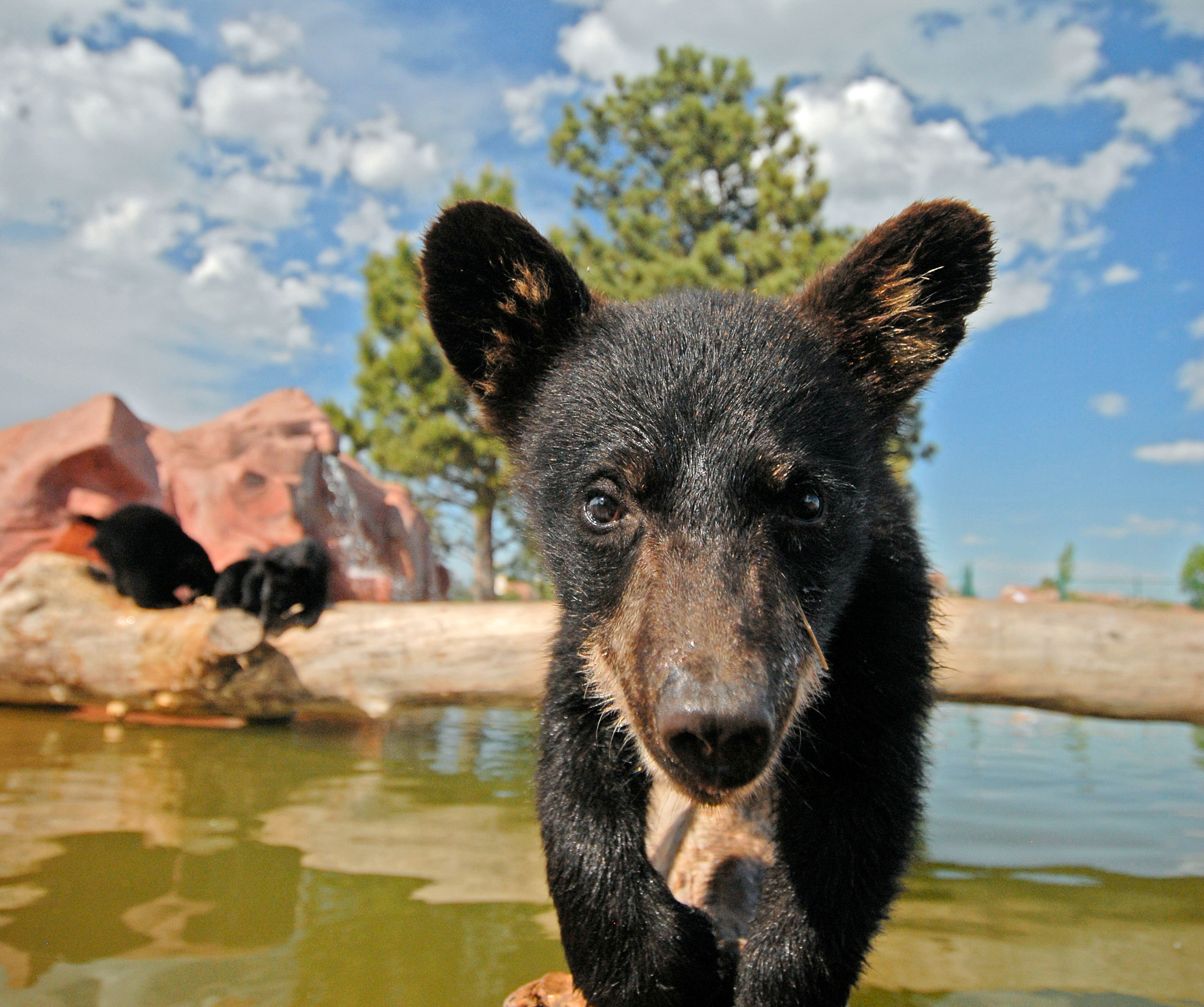
The narrative of bears in South Dakota is primarily focused on the American black bear, a species that has slowly but steadily re-established a foothold in the state’s most rugged and forested regions. Unlike the vast bear populations found in neighboring states like Wyoming or Montana, the black bear population here is more concentrated and, consequently, sightings are a special, often rare, occurrence for visitors.
The Elusive Presence of Black Bears
The primary sanctuary for black bears in South Dakota is the Black Hills National Forest. This expansive wilderness, characterized by its Ponderosa pine forests, deep canyons, and granite formations, provides the ideal habitat for these adaptable omnivores. They find abundant food sources, from berries and nuts to insects and small mammals, and ample cover for denning and raising cubs. Custer State Park, nestled within the Black Hills, also offers suitable environments, though bear encounters within its more developed areas are even less common.
While black bears have always been a part of North America’s natural tapestry, their numbers in South Dakota dwindled significantly by the early 20th century due to habitat loss and hunting. In recent decades, however, conservation efforts and natural dispersal from adjacent states have contributed to their gradual return. Today, experts estimate a small but resilient population, primarily in the central and southern parts of the Black Hills. Seeing a black bear in the wild here is often a matter of luck, requiring patience, quiet observation, and venturing into less-traveled areas. Their reclusive nature and keen senses mean they often detect human presence long before they are seen, making sightings a truly memorable part of any wilderness exploration. Agencies like South Dakota Game, Fish and Parks, the National Park Service, and the US Forest Service continuously monitor these populations to ensure their health and manage their interaction with human visitors.
Distinguishing Bears: Black Bears vs. Grizzly Bears
It’s crucial for visitors to South Dakota to understand that while black bears are present, grizzly bears are not. The grizzly bear, a subspecies of brown bear, was once native to parts of the western United States but has been extirpated from South Dakota for over a century. Their primary strongholds now lie in more remote, vast wilderness areas further west, such as Yellowstone National Park, Glacier National Park, and Grand Teton National Park. Therefore, any bear encountered in South Dakota will be a black bear.
Distinguishing between black bears and grizzlies is important when traveling in broader North America where both species coexist. Black bears are typically smaller, though size can vary greatly. They have a straight facial profile, taller, more pointed ears, and lack the prominent shoulder hump characteristic of a grizzly. Their claws are shorter and more curved, adapted for climbing trees, which they do with remarkable agility. Grizzly bears, on the other hand, possess a dish-shaped face, shorter, rounder ears, and the distinctive muscle hump over their shoulders, which aids in their powerful digging. Their long, straight claws are ideal for excavating roots and small animals. While color is not a reliable indicator (black bears can range from black to cinnamon brown, and even a bluish-gray), these physical features are key identifiers. In South Dakota, however, the primary concern remains understanding and respecting the behavior of the resident black bear population.
Where to Encounter Wildlife and Wilderness in South Dakota
South Dakota’s appeal as a travel destination extends far beyond its historical landmarks; it’s a paradise for nature lovers and wildlife enthusiasts. The state offers a remarkable array of natural attractions, particularly in its western reaches, where the prairies meet the mountains. These areas provide not just the possibility of a bear sighting, but a rich tapestry of experiences that celebrate the wild heart of the American West.
Premier Destinations for Nature Enthusiasts
At the forefront of South Dakota’s natural wonders is the Black Hills National Forest. This million-plus-acre forest is an outdoor playground, offering countless opportunities for hiking, biking, fishing, and camping. Key areas within or adjacent to the Black Hills for wildlife observation include the extensive trail system like the Mickelson Trail, and numerous scenic drives.
Custer State Park is another jewel, renowned for its diverse landscapes and abundant wildlife. The park’s Wildlife Loop Road is a must-do, offering guaranteed sightings of bison, pronghorn, and various deer species, with the occasional glimpse of elk or even bighorn sheep. Beyond the animals, the park boasts breathtaking scenery along routes like the Needles Highway and Iron Mountain Road, leading to iconic spots like Sylvan Lake. These scenic byways provide not only incredible vistas but also opportunities for spotting wildlife in their natural habitat.
Further east, though not a bear habitat, Badlands National Park presents an otherworldly landscape of sharply eroded buttes and pinnacles, mixed with the largest undisturbed mixed-grass prairie in the United States. Here, visitors can witness prairie dogs, bison, bighorn sheep, and various bird species amidst a starkly beautiful backdrop. Other notable natural areas include Spearfish Canyon, known for its waterfalls and limestone cliffs, and the broader Missouri River breaks, which offer a different ecosystem for birdwatching and fishing, highlighting the varied attractions that make South Dakota a prime travel destination for nature lovers.
Beyond Bears: A Rich Tapestry of Wildlife
While the possibility of seeing a black bear is a unique draw for wilderness adventurers, South Dakota’s natural environments are teeming with a wide variety of other charismatic creatures. The state’s diverse ecosystems, ranging from the rugged mountains of the Black Hills to the rolling plains of the Great Plains, support an incredible array of fauna.
Visitors to Custer State Park and the Black Hills National Forest can expect to encounter some of North America’s most iconic megafauna. Bison, majestic and powerful, roam freely in impressive herds, particularly visible along Custer State Park’s Wildlife Loop Road. Pronghorn, often called the fastest land animal in North America, can be seen sprinting across open grasslands. Elk and various species of deer (whitetail and mule deer) are common, especially at dawn and dusk. For those with a keen eye and a bit of luck, mountain goats can be spotted clinging to the steep granite faces of the Needles Highway, while bighorn sheep gracefully navigate the rocky terrain of Badlands National Park and parts of the Black Hills.
Smaller, but equally captivating, wildlife includes the ubiquitous prairie dogs, whose colonies provide endless entertainment. Coyotes and foxes are frequently seen, while the sky above is often patrolled by magnificent birds of prey like golden eagles and hawks. Birdwatchers will delight in the variety of species found across the state, from waterfowl along the Missouri River to forest birds in the Black Hills. This rich biodiversity ensures that every visit to South Dakota’s natural spaces is an immersive wildlife experience, making it a premier destination for those seeking genuine connection with nature.
Essential Bear Safety and Responsible Travel
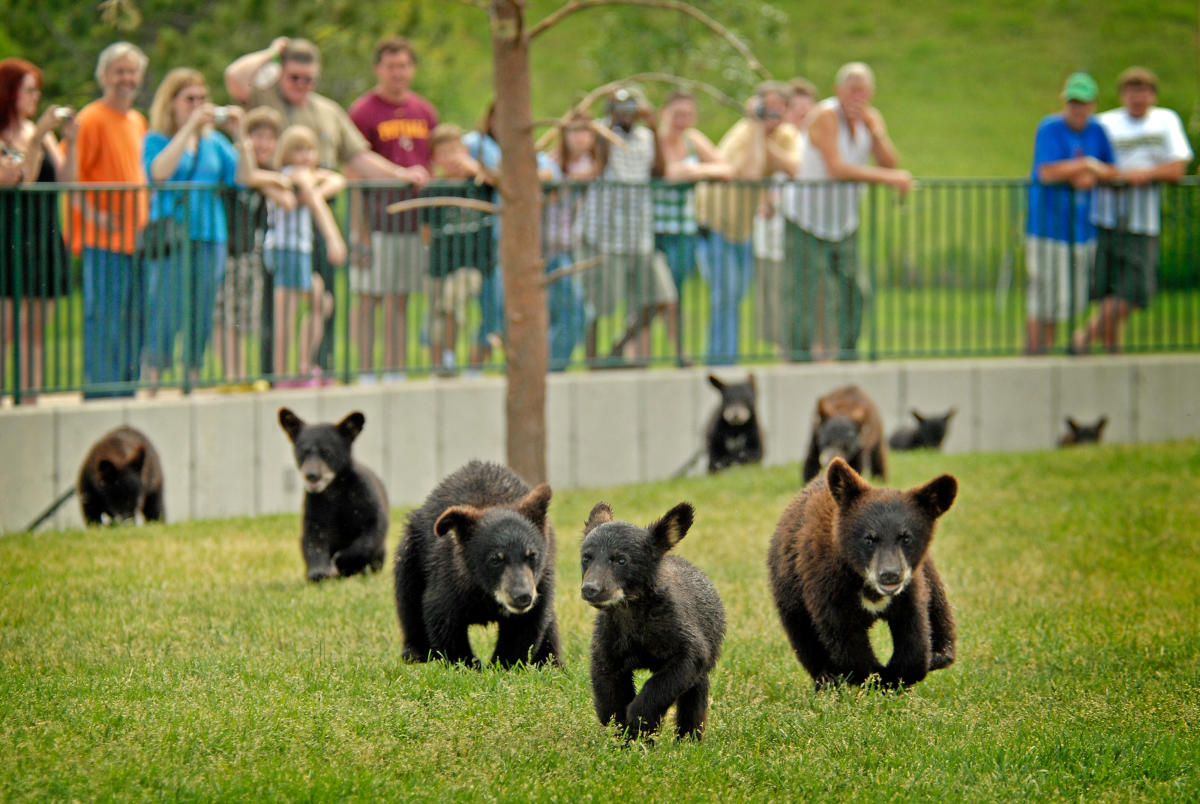
While black bear sightings in South Dakota are relatively rare, it is paramount for any traveler venturing into the Black Hills National Forest or Custer State Park to be prepared and knowledgeable about bear safety. Responsible tourism not only ensures your personal safety but also contributes to the long-term well-being of the wildlife and their habitats.
Best Practices for Hiking and Camping in Bear Country
Preparation is key when exploring areas where bears might be present. Always start by checking with local ranger stations or park visitor centers for current bear activity reports and any specific advisories.
- Food Storage: The most critical rule in bear country is proper food management. Bears are highly attracted to human food and scents. Store all food, cooking gear, and scented items (like toothpaste, deodorant) in bear-resistant containers, hung from a tree using a bear bag system, or in a hard-sided vehicle out of sight. Never leave food unattended, and always pack out all trash, including food scraps.
- Make Noise: When hiking, especially in dense vegetation or around blind corners, make your presence known by talking, singing, or clapping. This helps prevent surprising a bear, which can lead to a defensive encounter. Traveling in groups is also safer.
- Stay Alert: Pay attention to your surroundings. Look for signs of bear activity, such as scat, tracks, or disturbed vegetation. Avoid hiking at dawn, dusk, or night when bears are most active.
- Carry Bear Spray: Bear spray is a proven deterrent against aggressive bears. Learn how to use it before you hit the trail, carry it in an easily accessible location (not in your backpack), and ensure it’s not expired.
- Keep Pets Leashed: Dogs, even well-behaved ones, can provoke a bear or lead it back to their owners. Always keep pets on a leash in bear country.
- Encountering a Bear: If you encounter a black bear, remain calm. Identify yourself by talking in a calm voice. Make yourself look as large as possible by waving your arms. Slowly back away, never run, as running can trigger a chase response. If a bear charges, stand your ground. If it’s a defensive charge, it will likely stop short. Use bear spray if the bear continues to approach or makes contact. In the extremely rare event of a black bear attack, fight back aggressively.
Supporting Conservation and Sustainable Tourism
Adhering to bear safety guidelines is a fundamental aspect of responsible tourism. By following these practices, visitors help prevent habituation, where bears associate humans with food. Habituated bears can become a public safety concern and may ultimately need to be relocated or, in worst-case scenarios, euthanized.
Supporting the conservation efforts of organizations like South Dakota Game, Fish and Parks, the National Park Service, and the US Forest Service is also vital. These agencies work tirelessly to protect wildlife populations, maintain healthy ecosystems, and educate the public on safe interactions. Travelers can contribute by respecting regulations, staying on marked trails, and practicing Leave No Trace principles – minimizing their impact on the environment. This includes packing out everything you pack in, respecting wildlife by observing from a distance, and properly disposing of waste.
Embracing sustainable tourism practices ensures that South Dakota’s stunning natural beauty and incredible wildlife, including its elusive black bears, remain intact for future generations of adventurers and nature lovers. It’s about enjoying the wilderness responsibly, leaving no trace but footprints, and taking nothing but memories.
Planning Your South Dakota Wilderness Adventure
A trip to South Dakota offers an unparalleled blend of natural beauty, rich history, and thrilling outdoor activities. From majestic mountains to rolling prairies, the state invites travelers to craft an itinerary that suits every preference, whether it’s a family trip, a luxury getaway, or a budget-friendly escape into the wild.
Accommodation Options for Every Traveler
After a day of exploring South Dakota’s captivating landscapes and searching for wildlife, comfortable and convenient accommodation is essential. The region, especially around the Black Hills, offers a diverse range of options to suit every style and budget.
Hotels and Resorts: Cities like Rapid City, often considered the gateway to the Black Hills, provide numerous hotel chains and independent properties, from budget-friendly motels to upscale resorts with amenities like pools and spas. Charming towns such as Deadwood, Keystone, Hot Springs, Hill City, and Custer also feature a selection of cozy inns, boutique hotels, and historic lodges, often offering unique local charm. These are perfect for those seeking a comfortable base with easy access to attractions.
Cabins and Vacation Rentals: For a more immersive experience, especially for families or longer stays, renting a cabin or vacation home in or near the Black Hills National Forest or Custer State Park is an excellent choice. These often come equipped with kitchens and multiple bedrooms, providing a home-away-from-home feel and allowing for self-catering, which can be a boon for budget travelers.
Campgrounds: For the ultimate wilderness experience, South Dakota boasts numerous campgrounds, ranging from rustic backcountry sites to developed sites with hookups for RVs. Custer State Park and the Black Hills National Forest offer many popular camping spots, allowing travelers to truly disconnect and enjoy the serenity of nature. Booking well in advance, especially during peak season, is highly recommended for all accommodation types.

Crafting Your Itinerary and Experiencing Local Culture
Beyond wildlife viewing, South Dakota offers a wealth of experiences to round out any travel itinerary. Integrating these into your trip provides a holistic understanding of the state’s natural and cultural heritage.
Iconic Landmarks: No visit to South Dakota is complete without witnessing the majestic Mount Rushmore National Memorial, a powerful symbol of American history and engineering. Nearby, the ongoing creation of the Crazy Horse Memorial offers a profound tribute to Native American culture and resilience. These landmarks provide a stark contrast to the natural wilderness but are deeply intertwined with the region’s story.
Outdoor Activities: The opportunities for outdoor adventure are limitless. Hike or bike along the scenic Mickelson Trail, explore the dramatic landscapes of Badlands National Park, or go fishing in pristine waters like Rapid Creek or Pactola Reservoir. Scenic drives like the Wildlife Loop Road, Needles Highway, and Iron Mountain Road offer breathtaking views and wildlife spotting opportunities directly from your vehicle.
Local Culture and History: Immerse yourself in the rich history of the Old West in Deadwood, a National Historic Landmark. Explore mining towns, visit historic saloons, and learn about figures like Wild Bill Hickok. Experience the vibrant culture of the Native American tribes that have called this land home for centuries, through museums, cultural centers, and events. Even beyond the Black Hills, cities like Sioux Falls offer urban attractions, art, and culinary experiences, showcasing another facet of South Dakota.
In conclusion, while bears in South Dakota are an elusive part of its wild charm, their presence adds to the allure of a state already brimming with natural wonders and unique experiences. By approaching your visit with knowledge, respect for wildlife, and a spirit of adventure, you’re not just taking a trip; you’re embarking on a journey into the heart of an authentic American wilderness. Whether you’re seeking the thrill of a potential bear sighting, the awe of bison herds, or the grandeur of granite monuments, South Dakota promises a travel experience that will leave an indelible mark on your memory.
LifeOutOfTheBox is a participant in the Amazon Services LLC Associates Program, an affiliate advertising program designed to provide a means for sites to earn advertising fees by advertising and linking to Amazon.com. Amazon, the Amazon logo, AmazonSupply, and the AmazonSupply logo are trademarks of Amazon.com, Inc. or its affiliates. As an Amazon Associate we earn affiliate commissions from qualifying purchases.