
Embarking on a journey from the automotive heartland of Detroit, Michigan, to the sun-kissed shores of Hawaii is a dream for many. The allure of volcanic landscapes, pristine beaches, vibrant culture, and endless adventures calls to travelers seeking an escape from the ordinary. However, bridging the vast geographical distance between the Midwest and the Pacific paradise naturally prompts a crucial question: “How long is the flight?”
The answer, while seemingly straightforward, involves a tapestry of factors, from the presence (or absence) of direct flights to the chosen Hawaiian island, layover durations, and even airline efficiencies. This comprehensive guide will navigate you through the intricacies of flying from Detroit to Hawaii, helping you prepare for a comfortable and informed journey to your ultimate tropical getaway. Understanding the flight duration is not just about knowing how many hours you’ll spend in the air; it’s about setting expectations, planning for comfort, and optimizing your travel itinerary for a seamless transition into island time. Whether you’re a seasoned globetrotter or planning your first major Hawaiian adventure, knowing what to expect on this long-haul route is key to starting your vacation right.
Understanding the Direct Flight vs. Connecting Flight Dynamics
When charting a course across the continental United States and the vast expanse of the Pacific Ocean, the first consideration is always the type of flight. For a route as long as Detroit to Hawaii, direct options can significantly alter total travel time.
The Elusive Non-Stop Route
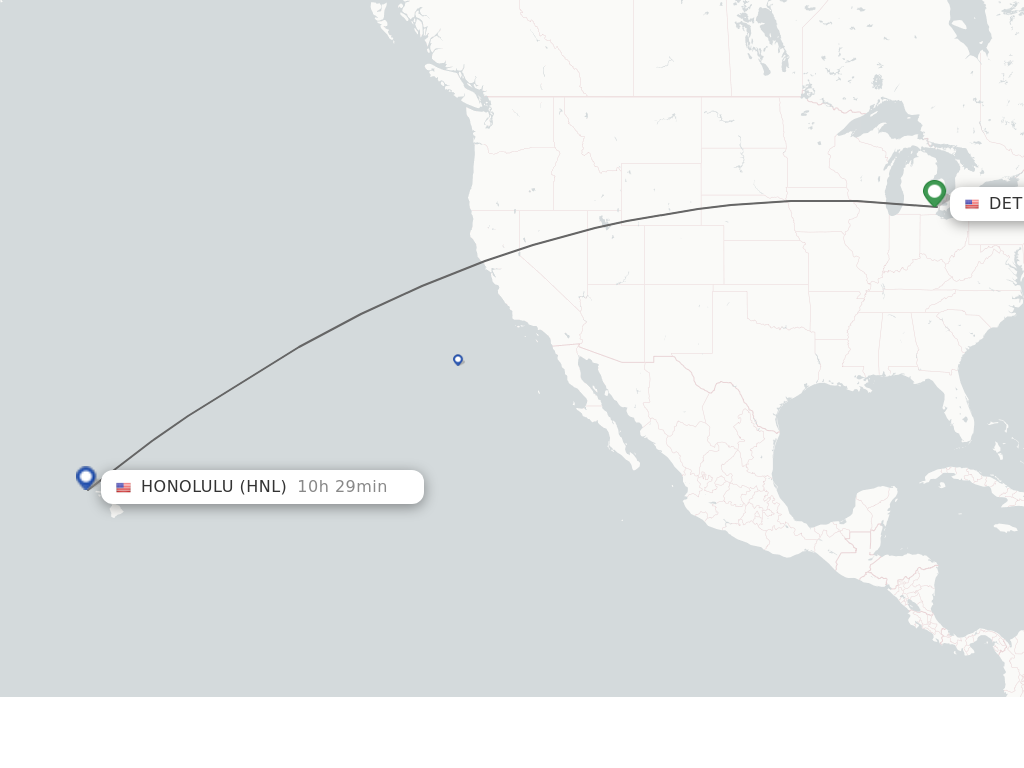
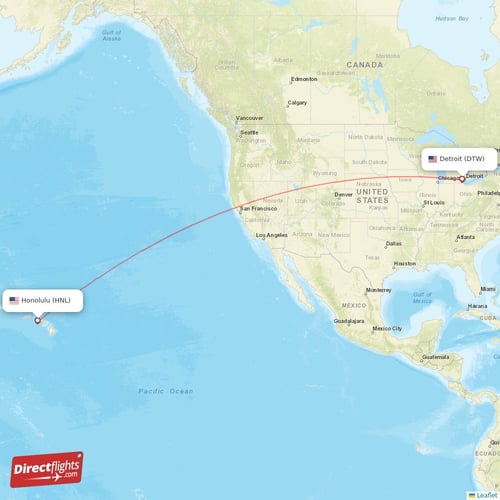
As of late, non-stop flights from Detroit Metropolitan Wayne County Airport (DTW) to Hawaii are exceedingly rare, if they exist at all on a consistent schedule. While airlines occasionally introduce seasonal or limited non-stop services, they are not a standard offering for this particular pairing. This means that the vast majority of travelers originating from Detroit will need to factor in at least one layover.
If a rare non-stop flight were available, the actual flight time would typically range from 9 to 10 hours. This direct air travel time is a true test of endurance, crossing multiple time zones and covering thousands of miles without interruption. However, because this is not a common scenario, most travelers should prepare for a journey that involves a stop.
Typical Connecting Routes and Durations
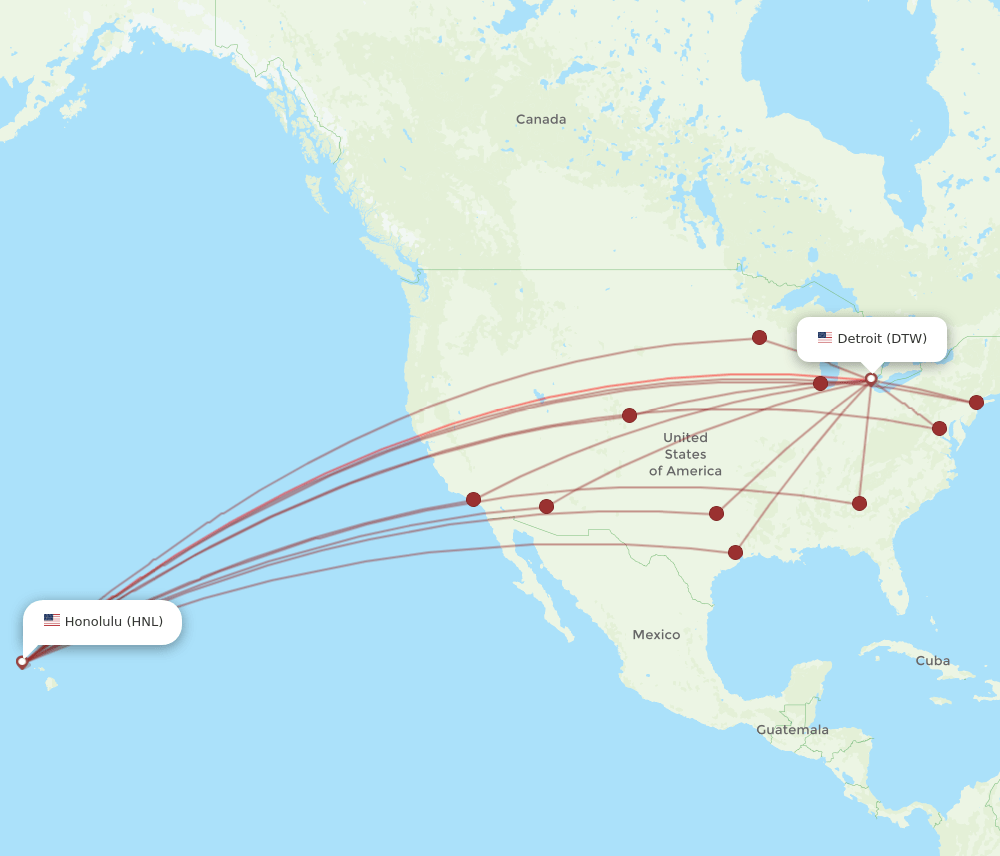
Given the absence of regular non-stop flights, most journeys from Detroit to Hawaii will involve at least one stop, usually on the West Coast of the United States. Common layover cities include major hubs like Los Angeles (LAX), San Francisco (SFO), Seattle (SEA), Phoenix (PHX), Las Vegas (LAS), Denver (DEN), or even Chicago (ORD) and Dallas/Fort Worth (DFW) for connections that then proceed to the West Coast.
The total travel time for a connecting flight can vary significantly:
- One-Stop Flights: These are the most common and generally the most efficient connecting options.
- Flight Time from Detroit to West Coast hub: Approximately 4 to 5 hours.
- Layover Time: This can range from 1.5 hours (tight connection) to 4-6 hours (comfortable layover) or even longer.
- Flight Time from West Coast hub to Hawaii: Approximately 5 to 6 hours.
- Total Travel Time: Combining these segments, a one-stop flight from Detroit to Hawaii typically ranges from 11 to 16 hours, door-to-door, depending heavily on the layover duration. An optimal one-stop flight with a short layover might be closer to 11-12 hours, while a longer layover could push it towards 14-16 hours.
- Two-Stop Flights: While less common for direct itineraries to Hawaii from Detroit, some routes might involve two stops, perhaps one in a central US hub like Chicago or Dallas, followed by a West Coast hub. These flights can extend the total travel time significantly, often pushing it to 16 hours or more, making them less desirable for most travelers seeking efficiency.
Therefore, when planning your trip, prioritize one-stop flights with reasonable layover times to minimize your overall journey duration and maximize your time enjoying the Hawaiian islands.
Key Factors Influencing Your Flight Duration
Beyond the basic direct versus connecting flight dynamic, several other elements play a crucial role in determining the overall length of your aerial voyage from Detroit to Hawaii. Being aware of these factors can help you make informed decisions when booking your trip.
Airline and Aircraft Type
Different airlines operate various types of aircraft with varying cruising speeds and route optimizations. While the difference might not be hours, it can contribute to the overall efficiency of the flight. For instance, a newer, more fuel-efficient aircraft might take a slightly different trajectory or maintain a higher average speed. Furthermore, airlines have different operational efficiencies, which can impact turn-around times at layover airports. Some airlines might have better on-time performance, crucial for tight connections. Carriers like Delta Air Lines and United Airlines are major players from Detroit, often connecting through their respective hubs on the West Coast. American Airlines, Southwest Airlines, and Alaska Airlines also offer competitive routes.
Layover Duration and Location
This is arguably the most significant variable for connecting flights. A layover can be as short as 60-90 minutes (often considered risky due to potential delays) or as long as 10+ hours. A longer layover can turn an otherwise 11-hour travel day into a 16-hour ordeal. However, a strategically planned longer layover in a city like Los Angeles or San Francisco can also be an opportunity to stretch your legs, grab a proper meal, or even briefly explore the city if you have sufficient time. The location of your layover also matters. While most connections are on the West Coast, some routes might connect through other major US hubs first, adding extra flight time before heading west.
Weather Conditions and Air Traffic
Unpredictable elements like severe weather (snowstorms in Detroit or at a layover hub, strong headwinds over the Pacific) can cause delays. Similarly, air traffic control restrictions, particularly around busy airports like LAX or HNL (Daniel K. Inouye International Airport in Honolulu), can lead to holding patterns or delayed departures, extending your journey. While these factors are beyond a traveler’s control, they are essential to acknowledge as potential contributors to longer travel times. Headwinds, for instance, can add 30-60 minutes to an eastbound flight across the Pacific compared to a westbound flight.
Destination Island in Hawaii
Hawaii is an archipelago, not a single destination. The total flight duration will also depend on which island you choose as your final destination.
- Oahu (Honolulu – HNL): This is the most common entry point and often the quickest to reach, as HNL is the largest and busiest airport in Hawaii, with the most incoming flights from the mainland.
- Maui (Kahului – OGG): Often the second most common direct arrival point from the mainland after Oahu.
- Kauai (Lihue – LIH) and Big Island (Kona – KOA or Hilo – ITO): These islands may require an additional inter-island flight from Honolulu or Kahului, adding another 30-60 minutes of flight time plus potential layover time between flights. While some direct flights to OGG, LIH, or KOA from the West Coast exist, it’s often more convenient or cost-effective to connect through HNL.
Therefore, your total travel time can be significantly influenced by whether your final destination requires an additional hop within the islands.
Navigating the Journey: Airports and Airlines
Understanding the specific airports and airlines involved in your trip from Detroit to Hawaii is crucial for efficient planning and smooth travel.
Departing from Detroit Metropolitan Wayne County Airport (DTW)
Your journey will commence at Detroit Metropolitan Wayne County Airport, a major hub serving the greater Detroit area. DTW is known for its modern facilities, extensive dining options, and efficient operations, making it a comfortable starting point for a long-haul flight. It features two primary terminals: the McNamara Terminal (primarily for Delta Air Lines and its partners) and the Evans Terminal (for other domestic and international carriers). Travelers flying to Hawaii will likely depart from one of these, depending on their chosen airline. It’s always advisable to arrive at least 2-3 hours before your scheduled departure for domestic flights, especially for a complex itinerary like Hawaii, to allow ample time for check-in, security screening, and navigating the terminal.
Arriving in Hawaii: Main Airports
Upon reaching Hawaii, you’ll land at one of several international airports, each serving a different island:
- Daniel K. Inouye International Airport (HNL) – Oahu: Located in Honolulu, HNL is the primary gateway to Hawaii and the busiest airport in the state. Many flights from the mainland, especially those from West Coast hubs, terminate here. If your final destination is Oahu, this is where you’ll arrive.
- Kahului Airport (OGG) – Maui: Serving the island of Maui, OGG also receives a significant number of direct flights from the mainland. It’s a popular choice for those heading straight to Maui’s renowned resorts and attractions.
- Ellison Onizuka Kona International Airport (KOA) – Big Island (Kona side): Located on the sunny Kona coast, KOA is a convenient arrival point for visitors exploring the western side of the Big Island.
- Hilo International Airport (ITO) – Big Island (Hilo side): On the eastern side of the Big Island, ITO primarily handles inter-island flights, though some direct mainland flights exist.
- Lihue Airport (LIH) – Kauai: This airport serves the “Garden Isle” of Kauai, also receiving direct flights from various West Coast cities.
Choosing your final Hawaiian airport wisely is critical, as it directly impacts whether you’ll need an additional inter-island connection, adding to your overall travel time.
Major Airlines Serving the Route
While there are no consistent non-stop flights from Detroit to Hawaii, several major carriers provide excellent connecting services:
- Delta Air Lines: Often a preferred choice for Detroit residents due to its strong hub presence at DTW. Delta typically connects through Los Angeles (LAX), Seattle (SEA), or Salt Lake City (SLC) before proceeding to Hawaii.
- United Airlines: Another significant player, United offers connections through its hubs in Chicago (ORD) or Denver (DEN) to West Coast cities like San Francisco (SFO) or Los Angeles (LAX), then onward to Hawaii.
- American Airlines: Connects passengers typically through Dallas/Fort Worth (DFW) or Phoenix (PHX), then to Hawaii.
- Southwest Airlines: Has expanded its service to Hawaii and offers connecting flights from Detroit often through Oakland (OAK), San Jose (SJC), or Long Beach (LGB).
- Alaska Airlines: While not a direct flight from Detroit, Alaska Airlines is a strong option for the West Coast to Hawaii leg, with connections often through Seattle (SEA) or Portland (PDX).
When booking, it’s wise to compare not only prices but also total travel time, layover durations, and airline reputation for comfort and service on long-haul routes.
Preparing for a Long-Haul Flight to Paradise
A journey to Hawaii from Detroit is a long one, typically involving 11-16 hours of travel. Proper preparation is essential to ensure you arrive feeling refreshed and ready to embrace the aloha spirit.
Beating Jet Lag
Traveling across four to five time zones (from Eastern Time to Hawaiian Standard Time) can lead to significant jet lag. Here are some tips to minimize its effects:
- Adjust Before You Go: A few days before your flight, gradually shift your sleep schedule closer to Hawaii’s time zone.
- Hydrate: Drink plenty of water throughout your flight and avoid excessive alcohol or caffeine, which can exacerbate dehydration and jet lag.
- Move Around: Get up and walk around the cabin every couple of hours to improve circulation. Perform simple stretches in your seat.
- Sleep on the Plane: Try to sleep during the portion of the flight that aligns with nighttime in Hawaii. Noise-canceling headphones and an eye mask can be incredibly helpful.
- Embrace the New Time Zone: Once you arrive, try to immediately adjust to local time. Seek out sunlight, even if you feel tired, to help reset your body clock. Avoid long naps on your first day.
Packing Essentials for the Journey
Beyond your usual vacation packing, consider these items specifically for your long flight:
- Comfortable Clothing: Wear loose, breathable layers.
- Neck Pillow, Eye Mask, Earplugs/Noise-Canceling Headphones: These are game-changers for sleeping on a plane.
- Entertainment: Download movies, TV shows, podcasts, or audiobooks. Bring a good book. Don’t rely solely on in-flight entertainment, which can be spotty or limited.
- Snacks: While airlines provide meals, having your favorite healthy snacks can keep you satisfied between services.
- Refillable Water Bottle: Stay hydrated by refilling it after security.
- Personal Hygiene Kit: A small bag with a toothbrush, toothpaste, face wipes, hand sanitizer, and moisturizer can make you feel much fresher.
- Chargers and Power Bank: Ensure your devices stay powered throughout the journey.
Making the Most of Your Hawaiian Adventure
Once you’ve conquered the long flight, the real adventure begins. Hawaii offers a diverse range of experiences:
- Oahu: Explore Waikiki Beach, visit Pearl Harbor, hike Diamond Head, and experience the surfing culture on the North Shore.
- Maui: Drive the scenic Road to Hana, witness a sunrise or sunset from Haleakala National Park, and enjoy snorkeling or whale watching.
- Kauai: Marvel at the majestic Na Pali Coast, explore Waimea Canyon, and relax on secluded beaches.
- Big Island: Witness active volcanoes at Hawaii Volcanoes National Park, stargaze from Mauna Kea, and discover black sand beaches.
Consider booking your accommodation in advance, whether it’s a luxury resort, a cozy apartment, or a family-friendly villa. Many resorts offer amenities specifically designed to help travelers unwind after a long journey, like spas and tranquil pool areas. Researching local culture, food (like fresh poke and shave ice), and activities will enrich your experience and ensure your long journey was well worth it.
Planning Your Ultimate Hawaiian Escape from Detroit
The journey from Detroit to Hawaii might be long, but with careful planning, it can be a comfortable and exciting prelude to an unforgettable vacation. Strategic choices regarding your flight and accommodation can make all the difference.
Choosing Your Hawaiian Island
Deciding which Hawaiian island to visit is perhaps the biggest decision after booking your flight. Each island offers a unique charm and set of activities:
- First-timers and those seeking iconic beaches and vibrant nightlife often choose Oahu. Its combination of city life and natural beauty is unparalleled.
- Maui is perfect for those seeking a blend of adventure, luxury resorts, and stunning scenery. It offers world-class snorkeling, beautiful drives, and a relaxed atmosphere.
- Nature lovers and adventurers will be drawn to Kauai for its dramatic landscapes and lush greenery. Hiking, kayaking, and exploring waterfalls are popular activities.
- The Big Island appeals to those interested in geology, volcanoes, and diverse ecosystems. From black sand beaches to snow-capped mountains, it’s a land of extremes.
Consider your interests, budget, and the kind of experience you envision before selecting your destination. This choice will directly impact your flight itinerary, as arriving at your desired island without extra inter-island transfers can save significant time.
Booking Smart: Flights and Accommodation
Optimizing your booking strategy can save both time and money.
- Flexibility is Key: If your travel dates are flexible, use flight comparison websites to find the cheapest days to fly. Mid-week travel often yields better prices.
- Book in Advance: Especially for popular seasons (winter holidays, spring break, summer), booking flights and accommodation several months in advance can secure better rates and availability.
- Consider Package Deals: Sometimes, bundling your flight and hotel through travel agencies or airline vacation packages can result in savings.
- Loyalty Programs: If you’re a member of an airline’s loyalty program, consider flying with that carrier to earn points or take advantage of perks like priority boarding or lounge access, which can enhance your long travel day.
- Accommodation Reviews: For hotels, resorts, or apartment rentals, always check recent reviews on reputable booking platforms. Pay attention to comments regarding amenities, location, and overall experience to ensure it aligns with your expectations. Look for options that cater to your lifestyle, whether it’s a family-friendly resort, a luxurious boutique hotel, or a budget-conscious stay.
While the thought of a long flight can be daunting, remember that the reward at the end is the unparalleled beauty and unique culture of Hawaii. With thoughtful planning, this journey can be a comfortable part of your adventure.
In conclusion, a flight from Detroit to Hawaii typically takes between 11 to 16 hours for a one-stop itinerary. While there are no regular non-stop flights, connecting through a West Coast hub is the standard. By understanding the factors that influence flight duration, preparing for the journey, and planning your island adventure, you can ensure a smooth transition from the cold of Michigan to the warmth of aloha. So, pack your bags, prepare for an epic journey, and get ready to experience the magic of Hawaii!
LifeOutOfTheBox is a participant in the Amazon Services LLC Associates Program, an affiliate advertising program designed to provide a means for sites to earn advertising fees by advertising and linking to Amazon.com. Amazon, the Amazon logo, AmazonSupply, and the AmazonSupply logo are trademarks of Amazon.com, Inc. or its affiliates. As an Amazon Associate we earn affiliate commissions from qualifying purchases.