
Florida – the Sunshine State – is renowned worldwide for its pristine beaches, vibrant cities, and theme park thrills. Yet, for many intrepid travelers and nature enthusiasts, the true allure of this fascinating destination lies in its unparalleled biodiversity and unique ecosystems. When one thinks of Florida’s wild inhabitants, alligators often come to mind immediately, their broad snouts and dark scales synonymous with the state’s swampy landscapes. However, a lesser-known, yet equally captivating, apex predator also calls Florida’s waters home: the crocodile.
The question “Does Florida have crocodiles?” often elicits surprise, even from seasoned visitors. The resounding answer is yes, it does! Nestled within the subtropical reaches of South Florida, a unique population of American Crocodiles thrives, making Florida the only state in the United States where both alligators and crocodiles coexist in the wild. For those planning a trip focused on wildlife viewing, eco-tourism, or simply seeking an adventure beyond the typical tourist trails, understanding where and how to respectfully encounter these magnificent reptiles adds an extraordinary dimension to any Florida travel itinerary. This guide delves into the world of Florida’s crocodiles, offering insights into their habitats, how to distinguish them from their alligator cousins, and essential tips for a safe and unforgettable wildlife experience.
Unveiling the American Crocodile in Florida’s Wilds
While alligators might dominate the popular imagination of Florida’s waterways, the presence of the American Crocodile offers a distinct and more elusive wildlife viewing opportunity. These incredible creatures are a testament to the diverse and often surprising natural wonders that define the Sunshine State as a premier travel destination for those with a keen interest in nature and conservation.
A Rarity Among Reptiles
The American Crocodile (Crocodylus acutus) stands as a true gem of Florida’s ecosystems, primarily due to its historically threatened status and incredibly specific habitat requirements. Unlike their more widespread alligator relatives, American Crocodiles prefer brackish or saltwater environments. This preference restricts their range within the United States almost exclusively to South Florida’s coastal areas, estuaries, and mangrove swamps, making their presence here quite unique globally.
For decades, the American Crocodile population in Florida faced significant challenges, including habitat loss and persecution. However, intensive conservation efforts, spearheaded by state and federal agencies, have led to a remarkable comeback. From critically low numbers, their population has steadily increased, prompting a reclassification from “endangered” to “threatened.” This success story is a shining example of effective wildlife management and habitat preservation, offering hope for other endangered species and reinforcing Florida’s commitment to protecting its natural heritage. Seeing an American Crocodile in the wild is not just a thrilling encounter; it’s a glimpse into a thriving conservation success. It underscores the importance of responsible tourism and appreciating the delicate balance of these unique natural environments, making a trip to their habitats an experience rich in both adventure and educational value.
Where Saltwater Meets Freshwater: Their Preferred Habitats
To increase your chances of spotting an American Crocodile, understanding their preferred haunts is key. These fascinating reptiles are primarily found in South Florida, with their core population residing in the southern tip of the Florida peninsula and the upper Florida Keys. Their affinity for brackish and saltwater environments means you’ll typically find them in areas where freshwater rivers meet the sea, creating the ideal blend of salinity for their survival.
The undisputed stronghold for American Crocodiles in the United States is Everglades National Park. Specifically, the coastal areas and estuaries of the park, particularly around the Flamingo district, are prime viewing locations. Here, the expansive mangrove forests provide critical shelter, nesting sites, and hunting grounds. Another significant habitat is Biscayne National Park, which protects extensive areas of Florida Bay and its associated mangrove coastlines, offering perfect conditions for crocodiles to thrive away from human disturbance. The upper Florida Keys, including locations such as Key Largo and the Crocodile Lake National Wildlife Refuge (which, despite its name, also features a mix of alligators), also host smaller but vital populations. While less common, it’s not unheard of for crocodiles to occasionally venture into canals, tidal creeks, and even golf course ponds that are connected to their primary coastal habitats. For travelers seeking an authentic wildlife experience, focusing on these protected coastal regions within South Florida offers the best chance to witness these elusive and magnificent reptiles in their natural environment, providing an unforgettable highlight to any Florida adventure.
Crocodile vs. Alligator: A Florida Visitor’s Guide to Identification
For many visitors to Florida, encountering a large, scaly reptile near the water’s edge instantly triggers the thought of an alligator. However, given that Florida is the only place in the United States where both species coexist, knowing how to tell the difference between an American Crocodile and an American Alligator can elevate your wildlife viewing experience from simply “seeing a large reptile” to a truly informed and fascinating observation. While both are powerful apex predators, they possess several distinct characteristics that, once learned, are easy to spot.
Distinct Physical Characteristics
Observing these animals from a safe distance, you can use several physical cues to differentiate between a crocodile and an alligator. This isn’t just a fun fact; it enhances your understanding of Florida’s unique ecosystems and the creatures that inhabit them.
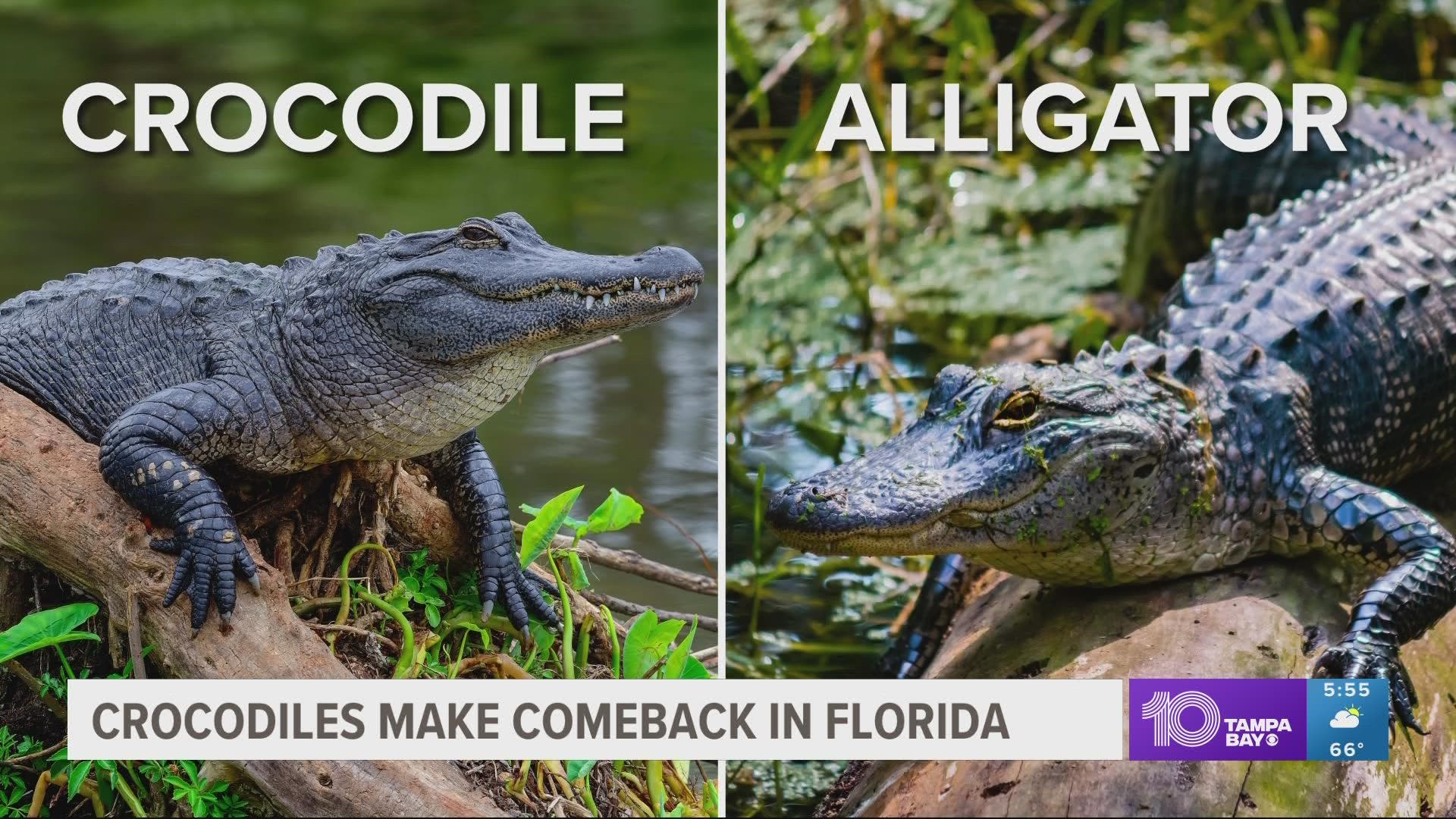
- Snout Shape: This is often the most noticeable difference. American Crocodiles have a narrower, more pointed, V-shaped snout, which gives their head a somewhat sleeker appearance. In contrast, American Alligators boast a broader, more rounded, U-shaped snout, appearing sturdier and more blunt. This difference in snout morphology is adapted to their differing diets and hunting strategies, though both are formidable predators.
- Teeth: A classic identifier, especially if you can get a good, safe view of their jaws. When an American Crocodile closes its mouth, the fourth tooth on its lower jaw is visibly protruding and fits into a notch in the upper jaw. This gives them a characteristic “toothy grin.” Alligators, on the other hand, have an upper jaw that is wider than their lower jaw, meaning that when their mouth is closed, the upper teeth completely conceal the lower teeth, giving them a cleaner, less toothy appearance.
- Coloration: While color can vary based on habitat and age, there’s a general trend. American Crocodiles typically have lighter coloration, ranging from a grayish-green to a tannish-brown. Alligators tend to be much darker, often appearing black or dark olive green, allowing them to blend seamlessly with the murky freshwater environments they typically inhabit.
- Size: While both species are large reptiles, American Crocodiles can generally grow larger than American Alligators. Mature male crocodiles can exceed 15 feet in length, with some rare individuals approaching 20 feet, though most seen in Florida will be smaller. Alligators typically reach lengths of 10-12 feet, with large males occasionally surpassing this. However, judging size accurately in the wild without a reference point can be challenging, so it’s usually not the primary identifier.
Habitat Preferences: Salt vs. Fresh
Beyond their physical traits, the ecological niches occupied by crocodiles and alligators serve as crucial identifiers. Their habitat preferences are largely dictated by their physiological adaptations to different water salinities, making their distribution patterns distinct across Florida’s diverse landscapes.
As previously mentioned, American Crocodiles are primarily found in brackish and saltwater environments. They possess salt glands on their tongues that help them excrete excess salt, allowing them to thrive in coastal estuaries, mangrove swamps, and the marine waters of the Florida Keys and South Florida. This adaptation is a key reason for their limited distribution within the United States. Their preferred habitats are often found along the extreme southern coastlines and island chains.

American Alligators, on the other hand, are overwhelmingly freshwater creatures. They dominate the swamps, rivers, lakes, ponds, and canals throughout the vast majority of Florida, from the northern panhandle down to the Everglades interior. While alligators can tolerate brackish water for short periods and are occasionally seen near coastal areas, they lack the specialized salt glands of crocodiles and cannot survive in sustained saltwater conditions.
The unique convergence point where both species can be found is primarily within the freshwater-to-saltwater transition zones of Everglades National Park. Here, freshwater sloughs gradually give way to brackish estuaries and finally to the saline waters of Florida Bay. This ecological overlap makes the Everglades a truly exceptional destination for wildlife enthusiasts, offering the rare opportunity to observe both the U-snouted, dark-bodied alligator and the V-snouted, lighter-colored crocodile in close proximity. Armed with this knowledge, your next Florida adventure can transform into an exciting quest for informed reptilian encounters.
Planning Your Florida Wildlife Encounter: Beyond Just Crocodiles
A trip to Florida isn’t complete without embracing its incredible natural beauty and diverse wildlife. While the quest to spot an American Crocodile is a thrilling endeavor, it’s part of a larger tapestry of experiences that celebrate the state’s unique ecosystems. Whether you’re a seasoned eco-tourist or a family seeking an educational adventure, integrating wildlife viewing into your travel plans can create lasting memories and a deeper appreciation for this vibrant destination.
Best Places and Times for Spotting Crocodiles
To maximize your chances of a crocodile sighting, strategic planning is essential. As discussed, the heart of American Crocodile territory in Florida lies in the southern coastal regions and the Florida Keys.
The absolute best destination is Everglades National Park, specifically the road to Flamingo and the surrounding coastal areas. Along this scenic drive and at the Flamingo marina, crocodiles are frequently observed basking or swimming in the canals and bays. Popular spots include the Nine Mile Bank and along the Mahogany Hammock trail, although direct sightings require patience and luck. Biscayne National Park, with its extensive protected waters and mangrove shorelines, also offers opportunities, particularly for those exploring by boat or kayak in designated areas. Additionally, certain areas within the Florida Keys, like the Crocodile Lake National Wildlife Refuge on Key Largo, are dedicated to crocodile conservation and may offer viewing platforms or guided tours.
The best times for spotting these elusive reptiles are generally during the cooler, drier months from November to April. Lower water levels during this season concentrate animals, making them easier to find, and the cooler temperatures encourage them to bask in the sun, making them more visible. Early mornings and late afternoons (dawn and dusk) are also prime viewing times, as crocodiles are most active during these periods. Consider joining a ranger-led program within Everglades National Park or a reputable eco-tour, such as an airboat tour operating in appropriate areas. Experienced guides can provide invaluable insights into their behavior and greatly increase your chances of a successful and safe sighting, enhancing your understanding of the local ecosystem.
Responsible Tourism and Safety Tips
While encountering a crocodile in its natural habitat is an exhilarating experience, safety and respect for wildlife are paramount. Adhering to responsible tourism practices ensures both your well-being and the continued conservation of these magnificent creatures.
- Never Feed Wildlife: This golden rule applies universally in all natural environments. Feeding alligators or crocodiles makes them associate humans with food, leading to dangerous behaviors and ultimately jeopardizing both humans and the animals. It is illegal in Florida.
- Maintain Distance: Always keep a safe and respectful distance from any wild animal, especially large predators like crocodiles and alligators. Use binoculars or a telephoto lens for close-up views.
- Swim in Designated Areas Only: Avoid swimming, wading, or letting pets enter waters where alligators or crocodiles are known to inhabit. Stick to clearly marked swimming areas on beaches or in developed parks.
- Supervise Children and Pets: Young children and small pets are especially vulnerable. Always keep them close and away from the edges of canals, ponds, or other waterways.
- Be Aware of Your Surroundings: When hiking or boating in wild areas, stay alert. Crocodiles are often well camouflaged.
- Report Concerns: If you observe an alligator or crocodile acting aggressively or in an unusual location, contact the Florida Fish and Wildlife Conservation Commission (FWC).
By following these guidelines, travelers can enjoy a thrilling and memorable wildlife encounter while contributing to the preservation of Florida’s unique natural heritage.
Accommodation and Travel Considerations
For travelers keen on exploring Florida’s wild side and maximizing their chances of a crocodile sighting, choosing the right accommodation and planning your itinerary strategically can make all the difference. South Florida offers a range of options catering to various travel styles and budgets, from luxury resorts to more rustic, nature-focused stays.
Cities like Homestead and Florida City serve as excellent gateways to Everglades National Park and Biscayne National Park. These towns offer a selection of hotels, motels, and vacation rentals, providing convenient access to the main park entrances. For those seeking a more immersive experience, consider eco-lodges or boutique hotels that emphasize sustainability and offer proximity to natural areas. While there are no hotels directly within the remote Flamingo area of Everglades National Park itself (though camping and rustic cabin options exist), staying in nearby Florida City or Homestead allows for easy day trips.
If your adventure extends to the Florida Keys, Key Largo offers numerous resorts and accommodation options, many with direct access to the water, perfect for exploring the coastal environments where crocodiles might be found. Booking well in advance, especially during peak tourist season (winter), is highly recommended to secure your preferred lodging and tour operators. Consider renting a car for flexibility, as public transportation to the most remote wildlife viewing areas is limited. Whether you’re planning a budget-friendly family trip or a luxury eco-adventure, Florida’s diverse accommodation landscape ensures a comfortable base for your wildlife exploration.
Conclusion
The question “Does Florida have crocodiles?” isn’t just a trivial inquiry; it opens the door to understanding a remarkable aspect of the Sunshine State’s natural identity. Indeed, Florida is a rare and unique place where the elusive American Crocodile thrives alongside its more famous alligator cousin. From the brackish estuaries of Everglades National Park to the mangrove coastlines of the Florida Keys, these ancient reptiles offer a thrilling and educational encounter for any traveler.
By understanding their distinct characteristics, knowing their preferred habitats, and adhering to responsible wildlife viewing practices, visitors can experience the wonder of these magnificent creatures safely and respectfully. A journey to witness American Crocodiles is more than just a wildlife sighting; it’s an immersive dive into Florida’s rich biodiversity, a testament to successful conservation, and an unforgettable adventure for the discerning traveler. So, pack your binoculars, prepare for discovery, and explore the wild side of Florida – where truly wild wonders await.
LifeOutOfTheBox is a participant in the Amazon Services LLC Associates Program, an affiliate advertising program designed to provide a means for sites to earn advertising fees by advertising and linking to Amazon.com. Amazon, the Amazon logo, AmazonSupply, and the AmazonSupply logo are trademarks of Amazon.com, Inc. or its affiliates. As an Amazon Associate we earn affiliate commissions from qualifying purchases.