
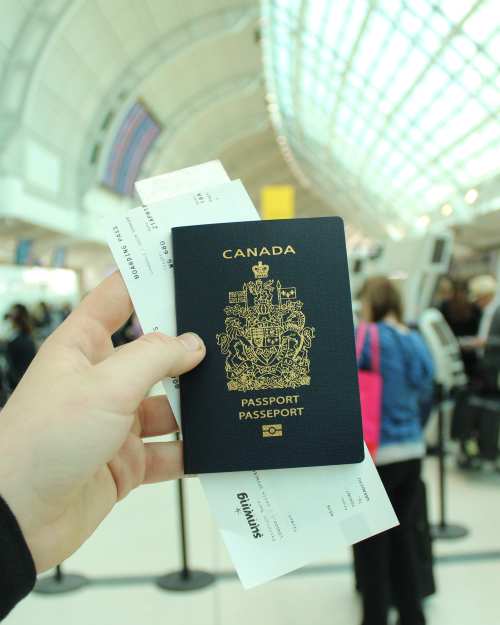
The answer to this seemingly simple question depends entirely on one crucial factor: your citizenship and your point of origin. For a vast majority of domestic travelers from within the [United States], a passport is not a requirement. However, for international visitors, a valid passport, and often a visa, are indispensable documents for entry. This comprehensive guide will navigate the specific identification requirements for different types of travelers, delve into the intricacies of travel to Florida, and offer a glimpse into the incredible experiences that await you, ensuring your journey is as smooth as Florida’s sandy shores. Whether you’re planning a thrilling family adventure, a romantic getaway, or an exploration of Florida’s rich cultural tapestry, understanding these essential travel prerequisites is your first step towards an unforgettable trip.
Domestic Travel to Florida: What US Citizens Need
For citizens of the [United States] traveling from one U.S. state to another, including [Florida], a passport is generally not required. This simplifies travel immensely for millions of Americans planning their vacations, business trips, or visits to family and friends in the Sunshine State. However, while a passport isn’t mandatory, specific identification requirements still apply, particularly when traveling by air.
Flying to Florida: Navigating TSA Requirements
When flying domestically within the [United States], the Transportation Security Administration enforces strict identification protocols to ensure security. Since May 7, 2025, the [Real ID Act] will be fully enforced, meaning that all travelers aged 18 and older will need a [Real ID] compliant driver’s license or another acceptable form of identification to fly within the United States. Before this date, standard state-issued driver’s licenses are still widely accepted.
Acceptable forms of identification for domestic air travel include:
- State-issued Enhanced Driver’s License: These licenses, available in some states like [Michigan], [New York], [Vermont], [Minnesota], and [Washington], are recognized as acceptable identification for domestic air travel and for land/sea travel to [Canada], [Mexico], and some [Caribbean] countries.
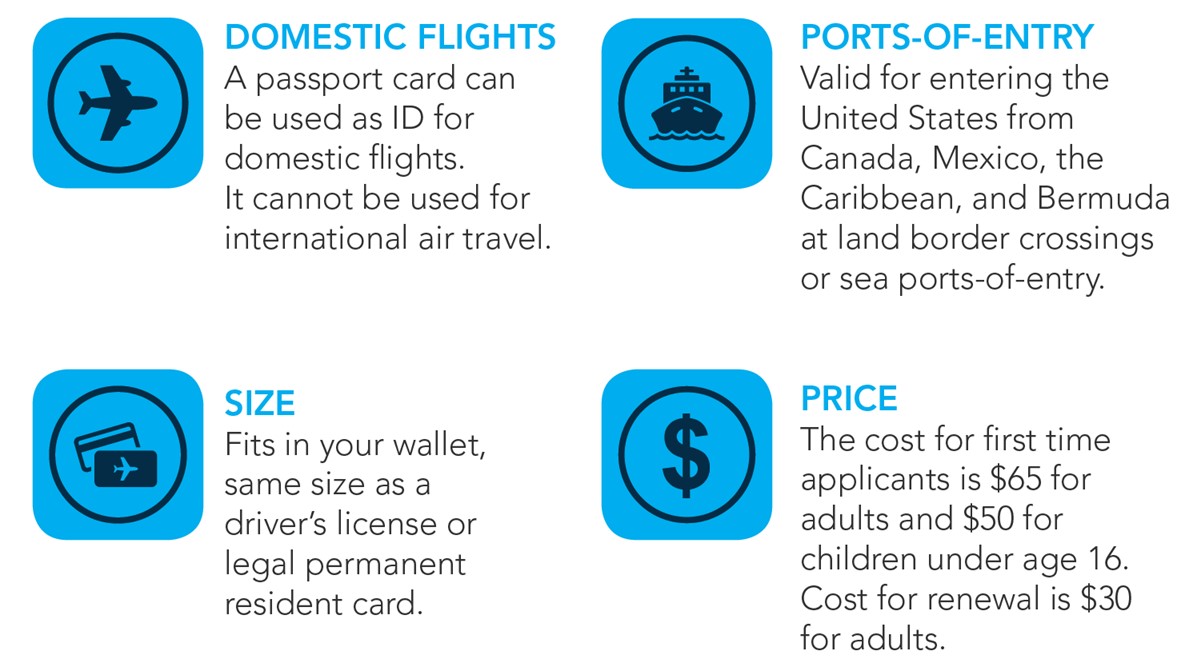
- U.S. Passport or Passport Card: While not required, these are always acceptable forms of identification.
- Federal PIV Card: Personal Identity Verification cards.
- Foreign Government-Issued Passport: Acceptable for non-U.S. citizens.
- DOD ID (Department of Defense Identification) Card: For military personnel.
- Permanent Resident Card: For lawful permanent residents.
- Trusted Traveler Cards: Such as Global Entry, NEXUS, SENTRI, FAST.
- Airline or Airport-Issued ID: For airline or airport employees.
- Federally Recognized Tribal ID: From a federally recognized Native American tribe.
It’s crucial to check the expiration date on your chosen form of ID well in advance of your travel dates to avoid any last-minute issues. A driver’s license or state ID card that is [Real ID] compliant (indicated by a star or an outlined star at the top of the card) is the most common and convenient form of ID for U.S. citizens traveling by air to [Florida].
Driving or Taking a Train/Bus to Florida
For those opting for a scenic road trip, an interstate bus journey, or a relaxing train ride to [Florida], the identification requirements are even more relaxed for U.S. citizens. Generally, you do not need to present any form of photo identification simply to cross state lines or purchase a bus or train ticket. However, it is always prudent to carry a valid government-issued photo ID (such as a driver’s license) with you. This is essential for various reasons, including renting a car, checking into hotels, or in the unlikely event of an interaction with law enforcement. While border patrols between states don’t exist, having proper identification readily available is a standard safety and convenience measure for any traveler.
Cruising to Florida (and Back): Closed-Loop Cruises
Many travelers visit [Florida] to embark on exciting cruise adventures from its bustling ports in [Miami], [Fort Lauderdale], [Port Canaveral], and [Tampa]. For U.S. citizens on “closed-loop” cruises—voyages that start and end in the same U.S. port and travel only to destinations in the [Western Hemisphere] (e.g., [Bahamas], [Caribbean], [Mexico])—a passport is typically not required. In these cases, you can often use a combination of a government-issued photo ID (like a driver’s license) and a birth certificate.
However, while a passport is not strictly mandatory for closed-loop cruises, it is highly recommended by cruise lines and government agencies. In the event of an emergency requiring you to disembark in a foreign port and fly back to the U.S., a passport would be essential for re-entry. Without one, you could face significant delays and complications. For any cruise that departs from a U.S. port and ends in a different U.S. port, or visits destinations outside the Western Hemisphere, a valid U.S. passport is always required. It is always best to check the specific documentation requirements with your cruise line before booking.
International Travel to Florida: Passport and Visa Requirements
For anyone visiting [Florida] from outside the [United States], a valid passport is an absolute necessity. It serves as your primary proof of identity and citizenship in your home country and is required for entry into the U.S. Beyond the passport itself, many international travelers will also need a visa, depending on their country of origin and the purpose of their visit.
For Visitors from Visa Waiver Program Countries
The [United States] has a Visa Waiver Program that allows citizens of certain eligible countries to travel to the U.S. for tourism or business for stays of 90 days or less without obtaining a visa. However, even under the VWP, a passport is still required, and travelers must obtain authorization through the Electronic System for Travel Authorization prior to their departure.
Key requirements for VWP travelers:
- Valid Passport: Your passport must be valid for at least six months beyond your intended period of stay in the U.S. (unless your country is part of a “six-month club” agreement). It must also be an e-Passport with an integrated electronic chip.
- ESTA Authorization: You must apply for and receive an approved ESTA. This application collects biographical information and answers to eligibility questions. An approved ESTA is typically valid for two years or until your passport expires, whichever comes first, allowing for multiple entries.
- Round-Trip Ticket: You must hold a round-trip or onward ticket to a foreign country or a city outside the U.S. territory.

It is crucial to apply for ESTA well in advance of your travel dates, as processing can take some time, and last-minute applications might not be approved in time for your flight to [Florida].
For Visitors Requiring a Visa
If you are not a citizen of a country eligible for the [Visa Waiver Program], or if your travel purpose (e.g., longer stay, study, employment) is not covered by the VWP, you will need to obtain a visa from a U.S. embassy or consulate in your home country before traveling to [Florida].
The visa application process generally involves:
- Completing the Online Nonimmigrant Visa Application (DS-160): This form gathers detailed personal and travel information.
- Paying the Visa Application Fee: Fees vary depending on the visa type.
- Scheduling an Interview: Most visa applicants between the ages of 14 and 79 are required to attend an in-person interview at a U.S. embassy or consulate.
- Attending the Interview: Bring all required documents, including your valid passport, the DS-160 confirmation page, your visa fee receipt, and any supporting documents that prove your ties to your home country and your intent to return.
- Passport with Visa Stamp: If your application is approved, your passport will be stamped with the appropriate U.S. visa, allowing you to travel to the [United States].
Like the ESTA, this process can be lengthy, so it’s advisable to begin your visa application several months before your planned trip to [Florida]. Always ensure your passport remains valid for the entire duration of your visa application process and your intended stay in the U.S.
Other International Considerations
Beyond passports and visas, international travelers should also be aware of customs and immigration procedures upon arrival in [Florida]. Be prepared to declare any goods you are bringing into the country. Immigration officers will review your travel documents, confirm your ESTA or visa status, and may ask about the purpose of your visit and your intended length of stay. While rare, it’s possible to be denied entry even with valid documents if an immigration officer suspects a violation of immigration law. Therefore, always be truthful and cooperative during this process. Travel insurance is also a wise consideration for international travelers, providing coverage for medical emergencies, trip cancellations, and other unforeseen events that could arise during your visit to [Florida].
Beyond the ID: Planning Your Florida Adventure
Once you’ve sorted out your identification and entry requirements, the real fun begins: planning your incredible [Florida] adventure! The Sunshine State boasts an unparalleled diversity of attractions, accommodations, and experiences to suit every taste and budget, making it an ideal destination for any type of traveler.
Top Destinations and Attractions in Florida
[Florida] is a treasure trove of iconic landmarks and hidden gems. Here’s a glimpse into some of its most celebrated destinations:- Orlando: Known as the “Theme Park Capital of the World,” [Orlando] is home to [Walt Disney World Resort] (featuring [Magic Kingdom Park], [Epcot], [Hollywood Studios], and [Animal Kingdom Theme Park]), [Universal Orlando Resort] (with [Universal Studios Florida] and [Islands of Adventure], including [The Wizarding World of Harry Potter]), and [SeaWorld Orlando]. These parks offer endless thrills, entertainment, and immersive experiences for families and enthusiasts alike.
- Miami: This vibrant [South Florida] metropolis is a melting pot of cultures, famous for its stunning [Miami Beach] with its iconic Art Deco Historic District, vibrant nightlife, Cuban influences in [Little Havana], and world-class dining. [Miami] serves as a major cruise port and offers access to the natural beauty of the [Everglades National Park].
- The Florida Keys: A string of tropical islands stretching off the southern tip of [Florida], the [Florida Keys] offer a laid-back, paradise-like atmosphere. From the diving mecca of [Key Largo] to the quirky charm of [Key West] – the southernmost point of the continental [United States] – these islands are perfect for fishing, snorkeling, kayaking, and enjoying breathtaking sunsets.
- Tampa: Located on [Florida]’s [Gulf Coast], [Tampa] is a dynamic city combining urban sophistication with historical charm. It’s home to [Busch Gardens Tampa Bay], an African-themed amusement park with thrilling roller coasters and animal encounters, and the historic [Ybor City] district, known for its cigar factories and vibrant nightlife.
- Everglades National Park: A unique wetland ecosystem, the [Everglades National Park] is an international treasure. Visitors can explore its vast sawgrass prairies, cypress swamps, and mangrove forests via airboat tours, kayaking, or hiking, encountering diverse wildlife like alligators, crocodiles, manatees, and various bird species.
- St. Augustine: As the nation’s oldest continuously inhabited European-established settlement, [St. Augustine] offers a rich historical experience. Explore the [Castillo de San Marcos], stroll along cobblestone streets, and immerse yourself in centuries of history and Spanish colonial architecture.
- Kennedy Space Center Visitor Complex: Located on [Florida]’s [Atlantic Coast], this is a must-visit for space enthusiasts. Witness the wonders of space exploration, walk among giant rockets, meet a veteran astronaut, and even experience a simulated shuttle launch.
- Sarasota & Naples: On the [Gulf Coast], [Sarasota] is known for its cultural attractions like the [Ringling Museum of Art] and beautiful beaches like [Siesta Key Beach]. [Naples] offers luxury resorts, upscale shopping, and stunning natural beauty with access to the [Ten Thousand Islands] and pristine beaches.
- Daytona Beach: Famed for its hard-packed sands where cars were once raced, [Daytona Beach] remains a popular spot for motorsports enthusiasts, home to the [Daytona International Speedway]. It’s also a classic seaside resort town with a lively pier and family-friendly attractions.
Accommodation Options for Every Traveler
[Florida]’s vast tourism infrastructure means an abundance of accommodation choices, catering to every style and budget.- Resorts: For those seeking an all-encompassing experience, [Florida] is replete with world-class resorts. In [Orlando], options range from immersive themed resorts like [Walt Disney World Swan and Dolphin Resort] and [Universal’s Loews Portofino Bay Hotel] to sprawling family-friendly complexes with elaborate pools and amenities. Along the coasts, luxury resorts in [Palm Beach], [Miami Beach], [Naples], and [Sarasota] offer beachfront access, spas, golf courses, and fine dining.
- Hotels: From budget-friendly motels near attractions to boutique hotels in historic districts and opulent five-star properties in city centers, traditional hotels provide a wide range of choices. Many offer amenities like pools, fitness centers, and complimentary breakfast.
- Vacation Rentals: For longer stays, family trips, or those desiring more space and privacy, vacation rentals such as villas, apartments, and private homes are incredibly popular, especially in areas like [Orlando] and along the coasts. These often come with fully equipped kitchens, multiple bedrooms, and sometimes private pools, offering a home-away-from-home experience.
- Long-Term Stays: For snowbirds or those planning extended trips, many properties offer discounted rates for long-term bookings, including serviced apartments or extended-stay hotels that include kitchenettes and laundry facilities. This provides flexibility and comfort for travelers looking to truly settle in and experience local life.
When choosing accommodation, consider factors like proximity to attractions, desired amenities, and your travel lifestyle (e.g., luxury travel, budget travel, family trips, business stays). Booking in advance, especially during peak season, is highly recommended to secure the best rates and availability.
Experiencing Florida’s Lifestyle and Culture
Beyond its famous attractions, [Florida] offers a distinctive lifestyle and rich cultural experiences that can truly enhance your trip.
- Food Scene: [Florida]’s culinary landscape is as diverse as its population. Enjoy fresh seafood, from stone crabs to [Mahi-Mahi], along its extensive coastlines. In [Miami], savor the authentic flavors of Cuban cuisine, including Cuban sandwiches, mojo-marinated pork, and strong cafecito. Throughout the state, you’ll find everything from upscale dining to casual beachside shacks, satisfying every palate. Don’t forget to try the iconic [Key Lime Pie] when visiting the Keys!
- Outdoor Activities: With abundant sunshine, [Florida] is an outdoor enthusiast’s paradise. Its pristine beaches along the [Atlantic Coast] and [Gulf Coast] are perfect for sunbathing, swimming, and water sports like paddleboarding, parasailing, and jet skiing. Inland, explore numerous state parks, go hiking, cycling, or birdwatching. Golf courses are plentiful, catering to players of all skill levels.
- Family Trips: [Florida] excels as a family-friendly destination, thanks to its theme parks, interactive museums, and animal encounters. Beyond the major parks, attractions like the [St. Augustine Alligator Farm Zoological Park] and the [Clearwater Marine Aquarium] offer engaging experiences for children.
- Luxury and Budget Travel: Whether you’re planning a lavish luxury travel experience in [Palm Beach] or a budget-conscious adventure exploring the state’s natural beauty, [Florida] can accommodate. Utilize travel guides and online resources for tips on saving money on flights, accommodation, and attractions, or to find exclusive experiences like private yacht charters and gourmet dining.
- Local Culture: Engage with [Florida]’s vibrant local culture. In [South Florida], immerse yourself in Latin influences. In [Central Florida], discover charming small towns and historical districts. The Panhandle offers a taste of Southern hospitality. Attending local festivals, art walks, and farmers’ markets can provide a deeper understanding of the state’s diverse communities.
In conclusion, understanding the passport and identification requirements is your essential first step toward visiting [Florida]. For U.S. citizens, a valid government-issued ID is typically sufficient, though a passport is recommended for international cruises. For international travelers, a passport is mandatory, along with an ESTA or a visa, depending on your country of origin. Once these formalities are handled, the “Sunshine State” opens its arms to offer an endless array of travel experiences, luxurious resorts, thrilling attractions, and unique cultural encounters. Plan wisely, pack appropriately, and prepare to create unforgettable memories in one of America’s most beloved destinations.
LifeOutOfTheBox is a participant in the Amazon Services LLC Associates Program, an affiliate advertising program designed to provide a means for sites to earn advertising fees by advertising and linking to Amazon.com. Amazon, the Amazon logo, AmazonSupply, and the AmazonSupply logo are trademarks of Amazon.com, Inc. or its affiliates. As an Amazon Associate we earn affiliate commissions from qualifying purchases.