
California, often celebrated as the Golden State, is synonymous with innovation, diverse landscapes, and a vibrant lifestyle. From the sun-drenched beaches of Southern California to the towering redwoods of the north, and from the bustling urban centers to the serene deserts and majestic mountains, it offers an unparalleled array of experiences. But beyond its iconic landmarks and world-renowned attractions, California is, at its heart, a home to millions. Understanding “how many people live in California” is more than just a statistical exercise; it’s a key to unlocking the state’s intricate culture, its economic dynamism, the unique challenges and opportunities it presents for residents and visitors alike, and how these factors shape everything from travel patterns to accommodation trends.
The sheer scale of California’s population directly influences its character, making it a microcosm of global trends and a compelling destination for every kind of traveler. Whether you’re planning a luxurious escape, a budget-friendly family adventure, or a business trip, the demographic landscape of California underpins the very fabric of your potential experience, impacting everything from hotel availability and restaurant diversity to the pace of life and the cultural richness you’ll encounter.
California’s Golden Embrace: A Population Snapshot
California stands as an demographic titan within the United States. Its population figures are not merely numbers; they represent the collective aspirations, dreams, and daily lives of a vast and diverse citizenry. This large population base is a fundamental driver behind the state’s economic power, its cultural vibrancy, and its complex infrastructure.
The Sheer Scale: America’s Most Populous State
Consistently holding the title of the most populous state in the United States, California is home to approximately 39 million people. To put this into perspective, if California were an independent nation, it would rank among the top 40 most populous countries in the world. This astounding figure is a testament to the state’s enduring appeal, drawing individuals from across the globe seeking opportunity, innovation, and a unique lifestyle. This massive population base translates into a bustling economy, a highly competitive job market, and a dynamic consumer landscape that fuels a wide array of industries, including tourism and hospitality.
The sheer number of residents means that services, infrastructure, and amenities are designed to cater to a grand scale. For travelers, this often means an abundance of choices – from a multitude of hotels and resorts catering to every budget and preference, to an extensive network of transportation options, and an unparalleled diversity in dining and entertainment. However, it also implies that popular attractions, especially in peak seasons, can draw significant crowds, underscoring the importance of planning ahead, particularly for accommodation and major destination visits like Disneyland or the Golden Gate Bridge.
Beneath the Surface: Population Distribution Across Diverse Landscapes
While the total population figure is impressive, understanding where these millions live provides deeper insight into the state’s character. California’s population is not evenly distributed; instead, it clusters in several key metropolitan areas, leaving vast expanses of rural and natural beauty sparsely populated.
- Urban Cores: The major metropolitan areas are the densest hubs of activity and population. Los Angeles County alone is home to over 10 million people, making it the most populous county in the United States. The Los Angeles metropolitan area, encompassing cities like Long Beach and Anaheim, is a sprawling urban landscape. Similarly, the San Francisco Bay Area, including Oakland and San Jose, is another densely populated region, a global center for technology and innovation. San Diego, Sacramento, and Fresno also represent significant population centers.
- Coastal Concentration: A substantial portion of California’s population lives within 50 miles of the Pacific Ocean. This coastal allure, with its temperate climate and stunning scenery, has historically been a magnet for residents, leading to high property values and dense development in areas like Santa Monica, Malibu, and Santa Barbara.
- Inland Growth: While coastal regions dominate, inland areas, particularly parts of the Central Valley and the Inland Empire, have also seen significant population increases due to more affordable housing and expanding job markets.
- Sparse Wilderness: Away from these bustling areas, immense tracts of land remain pristine and lightly populated, including national parks like Yosemite National Park, Sequoia National Park, Joshua Tree National Park, Death Valley National Park, and the vast desert regions. These areas offer a stark contrast to urban life and are vital for eco-tourism and outdoor adventures.
For those planning their California itinerary, this distribution means a distinct travel experience depending on the chosen destination. Urban explorers will find a constant buzz and myriad cultural activities in Los Angeles or San Francisco, while nature enthusiasts can seek solitude and breathtaking beauty in the state’s less populated national parks or along scenic drives like Big Sur on the Pacific Coast Highway.
The Tapestry of Cultures: Who Calls California Home?
One of California’s most defining characteristics, directly stemming from its immense population, is its unparalleled diversity. The Golden State is not just a geographical location but a vibrant mosaic of cultures, languages, and traditions that have shaped its unique identity and contribute significantly to its allure as a global destination.
A Melting Pot: Diversity Driving Unique Experiences
California is a global crossroads, with a population that reflects migration patterns from virtually every corner of the world. This rich demographic blend is not merely a statistical fact; it’s a living, breathing aspect of California life that profoundly impacts the visitor experience.
- Ethnic and Racial Diversity: The state is truly a “majority-minority” state, meaning no single ethnic group constitutes a majority. Hispanic/Latino residents make up the largest ethnic group, with significant populations originating from Mexico and other Latin American countries. Asian Americans, representing dozens of different nationalities (e.g., Chinese, Filipino, Vietnamese, Korean, Indian), form another substantial and rapidly growing segment. African Americans and Native Americans also contribute significantly to the state’s cultural fabric. This mix is mirrored in the linguistic diversity, with hundreds of languages spoken across the state.
- Cultural Immersion for Travelers: For tourists, this diversity translates into an extraordinary range of authentic cultural experiences. Food tourism, in particular, thrives here. From savoring authentic tacos in Los Angeles’s diverse neighborhoods to exploring vibrant Chinatowns in San Francisco or Vietnamese enclaves in Orange County, visitors can embark on a culinary journey around the world without leaving the state. Festivals celebrating various heritage groups, world-class museums showcasing global art, and neighborhoods teeming with distinct cultural identities (e.g., Koreatown in Los Angeles, Mission District in San Francisco) offer immersive experiences beyond typical tourist attractions.
- Innovation and Creativity: This confluence of diverse perspectives also fuels California’s reputation as a global hub for innovation, whether in technology (as seen in Silicon Valley), entertainment (Hollywood), or the arts. This creative energy permeates the lifestyle and offers unique opportunities for business travelers and those interested in cutting-edge trends.
Age and Aspirations: Demographics Shaping Lifestyle and Tourism
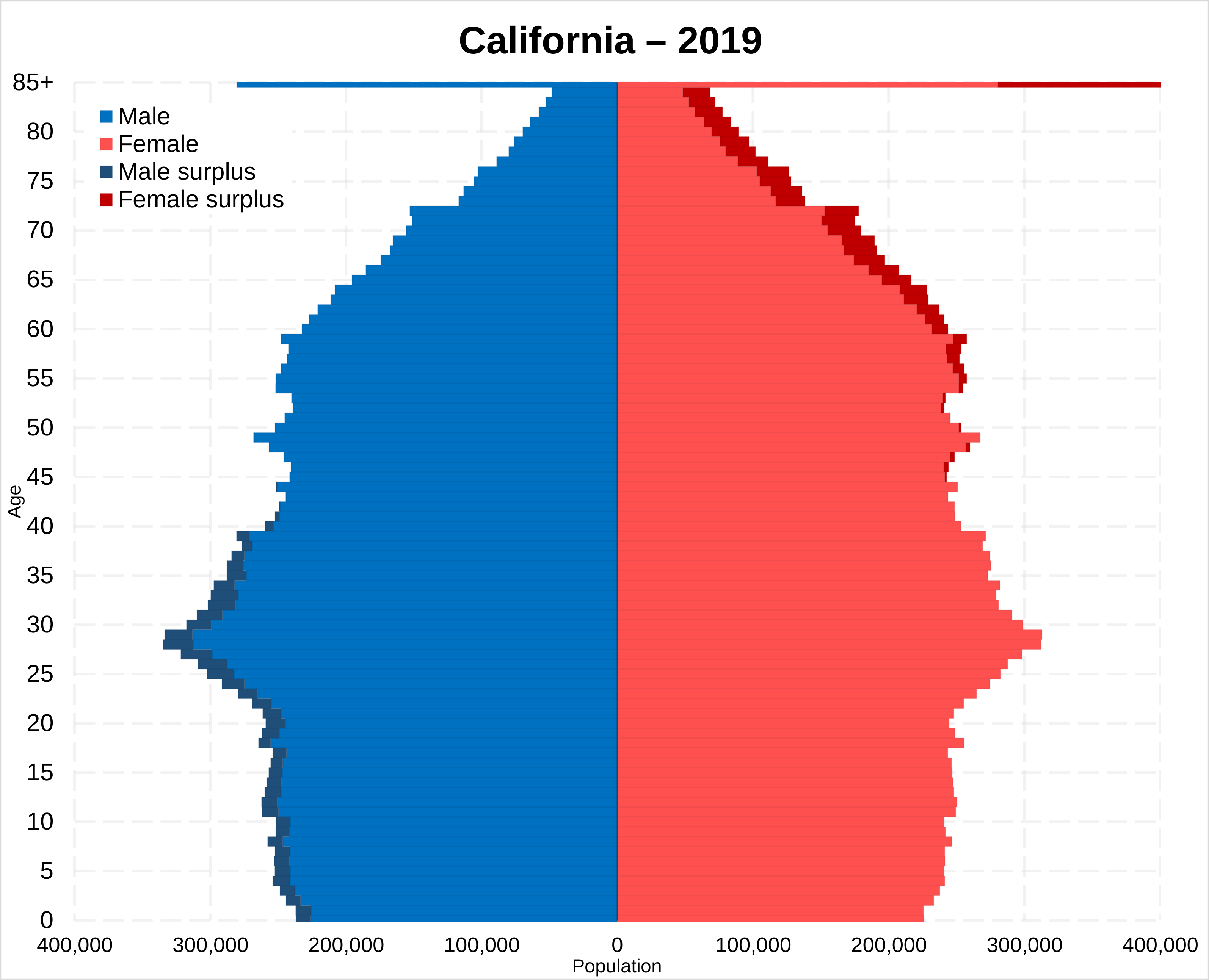
Beyond ethnic diversity, the age distribution and lifestyle aspirations of California’s population play a crucial role in shaping its tourism and hospitality landscape. The state is a magnet for both young professionals and those seeking an active retirement.
- Youthful Energy and Innovation: California attracts a significant population of young, educated professionals drawn to its tech sector, creative industries, and entrepreneurial spirit. This demographic fuels vibrant nightlife, trendy dining scenes, and a demand for modern, amenity-rich accommodations, from boutique hotels to co-living spaces, especially in urban centers. For travelers, this means a dynamic atmosphere, access to new trends, and a focus on experiences and sustainability.
- Family-Friendly Destinations: With a large overall population, California is also home to millions of families, which underpins its strong reputation for family-friendly tourism. Theme parks like Disneyland and Universal Studios Hollywood are pillars of this segment, alongside numerous beaches, zoos, and national parks designed to cater to all ages. Hotels and resorts frequently offer amenities such as kids’ clubs, multiple pools, and family suites to meet this demand.
- Retirement and Wellness: California’s agreeable climate and healthy lifestyle appeal to retirees and those focused on wellness. Areas like Palm Springs and Santa Barbara are popular retirement destinations, driving demand for luxury resorts, spa services, and golf courses. This segment also contributes to the popularity of health-focused travel and long-term accommodation options.
- Lifestyle Choices: The state’s population embraces a wide spectrum of lifestyles – from the luxury traveler seeking exclusive experiences in Beverly Hills to the budget-conscious backpacker exploring national parks. This broad demand ensures a diverse market for hotels, ranging from opulent five-star resorts to charming bed and breakfasts and affordable motels, offering choices for every preference and wallet.
Dynamics of Growth: Factors Shaping the Golden State’s Population
The journey to nearly 40 million residents has been a complex interplay of natural increases, domestic migration, and international immigration. These factors are not static; they continually reshape California’s demographic landscape, influencing its economy, infrastructure, and the very character that makes it a unique travel destination.
Economic Gravity: Opportunities and Migration Patterns
Historically, California’s population growth has been fueled by its powerful economy and the promise of opportunity. While recent trends show shifts, the state remains a potent magnet for various reasons.
- The Lure of Opportunity: California’s robust economy, particularly its dominance in technology (Silicon Valley), entertainment (Hollywood), agriculture (Central Valley), and tourism, has consistently drawn people seeking employment and career advancement. This economic dynamism not only attracts skilled workers from other United States but also from across Asia, Europe, and Latin America. The presence of these industries creates business travel opportunities, driving demand for hotels geared towards corporate clients and convention centers in major cities.
- Domestic Migration Trends: In recent years, California has experienced a net outflow of domestic migrants – more people moving out of the state to other parts of the United States than moving in. This trend is often attributed to the high cost of living, particularly housing, and increased remote work opportunities allowing residents to relocate without changing jobs. This outward migration slightly offsets the overall population growth from births and international immigration, moderating the pace of expansion.
- International Immigration: Despite domestic outflows, California continues to be a primary destination for international immigrants. Its proximity to Mexico and strong ties to Asia contribute to a steady flow of newcomers. This influx sustains the state’s cultural diversity and contributes to its workforce, particularly in sectors like agriculture, hospitality, and services, which are critical to the tourism industry.
For travelers, understanding these migration patterns highlights the state’s economic vitality and the blend of cultures it fosters. It also explains the infrastructure development and pressure on resources in certain areas, informing choices about where to stay and what to expect.
The Housing Conundrum: Accommodation and the Cost of Living
The large and growing population, coupled with geographical constraints and regulatory challenges, has led to a significant housing crisis in California. This “housing conundrum” is a critical factor impacting both residents’ lifestyles and the visitor experience, particularly concerning accommodation options and costs.
- High Housing Costs: Housing prices in California’s major urban centers are among the highest in the United States. This affordability challenge is a primary reason for domestic out-migration and affects residents’ quality of life. For the tourism sector, it influences the cost of doing business, which can translate into higher prices for hotel rooms, vacation rentals, and services.
- Impact on Accommodation Options: The scarcity of affordable housing for residents paradoxically contributes to the diversity and innovation in the short-term accommodation market. While luxury hotels and resorts cater to high-end travelers, the demand for more accessible options has spurred growth in budget hotels, hostels, and the vacation rental market (e.g., apartments, villas, guesthouses). Travelers looking for long-term stays or unique experiences often find a range of non-traditional accommodations available. The high cost of land also drives vertical development, leading to a proliferation of high-rise hotels in cities.
- Infrastructure and Planning: To cope with the population’s demands, California continuously invests in infrastructure projects, from public transportation expansions in Los Angeles and San Francisco to water conservation efforts statewide. This ongoing development, while essential, can occasionally impact travel routes or local aesthetics. Tourists will notice the well-developed highway system, crucial for road trips, but also the challenges of urban congestion in peak hours.
The intertwined issues of population growth and housing affordability are central to understanding modern California. They underscore the balancing act between economic prosperity, environmental sustainability, and quality of life, which ultimately shapes the visitor experience.
Population’s Pulse: Impact on Travel, Tourism, and Lifestyle in California
The massive and diverse population of California is not just a demographic statistic; it’s a living, breathing force that profoundly shapes the state’s travel and tourism industry and defines the distinctive lifestyles of its residents. For anyone planning a visit, understanding this dynamic interplay is crucial for an enriching and informed experience.
Navigating the Crowds: Popular Destinations and Unique Niche Experiences
A high population density in certain areas, combined with California’s status as a top global destination, means that some landmarks and attractions can be incredibly popular and, at times, crowded. However, this also fosters a rich environment for unique, niche experiences.
- Iconic Landmarks and Crowds: Destinations like Disneyland in Anaheim, the Golden Gate Bridge in San Francisco, Hollywood Walk of Fame, Universal Studios Hollywood, and Yosemite National Park regularly draw millions of visitors annually, in addition to significant numbers of local residents. During peak seasons (summer, holidays), these places can be bustling. Smart travel planning, such as booking tickets in advance, arriving early, or visiting during off-peak times, becomes essential to maximize enjoyment.
- Vibrant Urban Tourism: Cities like Los Angeles, San Francisco, and San Diego offer a condensed array of cultural attractions, world-class dining, and entertainment. The diverse population ensures that every neighborhood has its own flavor, from the beach culture of Venice Beach and Santa Monica to the historic charm of Alcatraz Island and Fisherman’s Wharf in San Francisco, or the upscale sophistication of La Jolla and Coronado in San Diego.
- Beyond the Beaten Path: Despite the crowds in popular spots, California’s vastness allows for myriad opportunities for niche and less-crowded experiences. Exploring the vineyards of Napa Valley and Sonoma, driving the scenic Pacific Coast Highway through Big Sur, hiking in lesser-known state parks, or discovering charming small towns like Carmel-by-the-Sea and Santa Cruz can provide a more serene and intimate look at the Golden State. The state’s large outdoor recreation population also ensures robust infrastructure for activities like skiing at Lake Tahoe or exploring the ancient trees of Redwood National Park.
Accommodation Choices and Travel Styles in a Densely Populated State
The sheer volume of residents and visitors means that California boasts an incredibly diverse and competitive accommodation market, catering to virtually every taste, budget, and travel style.
- Hotels and Resorts: From ultra-luxury resorts in Beverly Hills and Palm Springs to iconic hotels with historic charm in San Francisco, and family-friendly hotels near theme parks, the options are extensive. Business travelers will find a plethora of suites and hotels with meeting amenities in cities like San Jose and Sacramento.
- Unique Stays and Vacation Rentals: The demand for diverse accommodation also means a thriving market for apartments, villas, and boutique hotels offering a more local experience. For longer stays or group travel, vacation rentals are particularly popular, offering home-like amenities and often better value outside of traditional hotels. This sector has grown significantly, allowing visitors to experience neighborhoods like a local.
- Budget and Lifestyle Travel: California caters to all budgets. Hostels and motels are widely available, especially along major highways and in student-heavy towns. For those embracing a more adventurous or budget-conscious lifestyle, camping in state and national parks provides an affordable and immersive way to experience California’s natural beauty.
- Impact on Booking and Reviews: The high volume of travelers means that online booking platforms and review sites are incredibly active and influential. Travelers rely heavily on reviews to navigate the vast options and ensure they find accommodation that matches their expectations for amenities, location, and value. Given the competitiveness, it is advisable to book well in advance, especially for popular destinations and peak travel seasons.
Ultimately, the answer to “how many people live in California?” is approximately 39 million, but its true significance lies in how this population defines the state’s identity. It shapes the vibrancy of its cities, the richness of its cultures, the challenges of its infrastructure, and the unparalleled diversity of experiences it offers to anyone who chooses to explore its golden shores, towering peaks, and bustling urban landscapes. Whether you seek solitude in nature or the electrifying pulse of a metropolis, California’s vast and varied population ensures an adventure tailored to every preference.
LifeOutOfTheBox is a participant in the Amazon Services LLC Associates Program, an affiliate advertising program designed to provide a means for sites to earn advertising fees by advertising and linking to Amazon.com. Amazon, the Amazon logo, AmazonSupply, and the AmazonSupply logo are trademarks of Amazon.com, Inc. or its affiliates. As an Amazon Associate we earn affiliate commissions from qualifying purchases.