
Ah, Florida, the Sunshine State! A perennial favorite for travelers seeking warm weather, pristine beaches, and world-class attractions. From the magical theme parks of Orlando to the vibrant nightlife of Miami and the historic charm of St. Augustine, this state offers an unparalleled array of experiences. But amidst planning your perfect getaway, a practical question often arises: Does Florida observe Daylight Saving Time (DST)? For seasoned travelers and first-time visitors alike, understanding local time practices is crucial for seamless trip planning, from catching flights to making dinner reservations and enjoying every moment of your adventure.
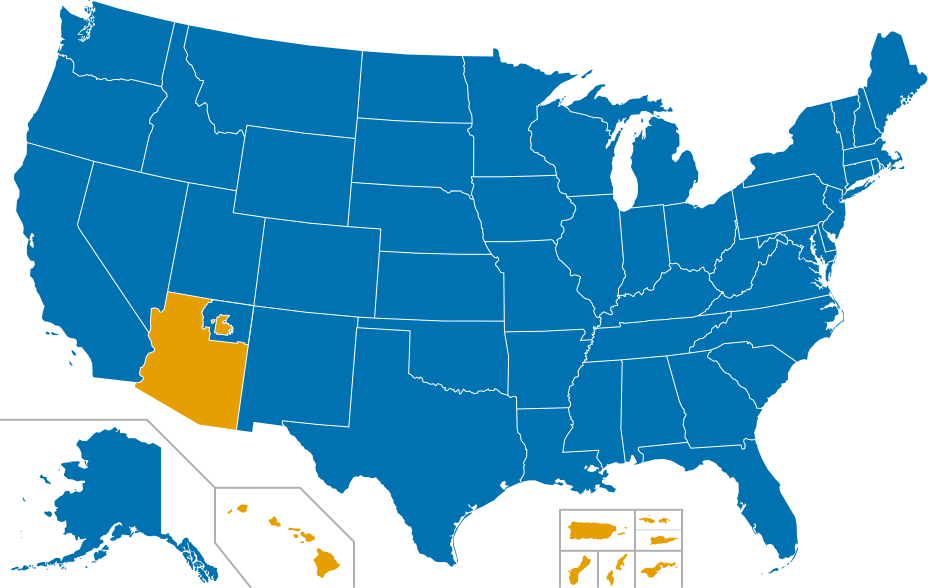
The straightforward answer is yes, the vast majority of Florida does observe Daylight Saving Time. This means that, like most of the United States, clocks are moved forward by one hour in the spring (usually the second Sunday in March) and moved back by one hour in the fall (the first Sunday in November). This annual ritual aims to make better use of daylight, ostensibly saving energy and providing more daylight in the evenings. For a state so reliant on tourism and outdoor activities, the implications of this time shift can be quite significant, impacting everything from attraction operating hours to the timing of those breathtaking sunset cruises that define many a Florida vacation. While the concept seems simple, Florida has had a unique relationship with DST, even attempting to make it a year-round fixture. Delving into this aspect reveals fascinating insights into how time, policy, and the pursuit of sunshine intertwine in this popular destination.
The Sunshine State and the Clock: Understanding Florida’s DST Status
Florida’s relationship with Daylight Saving Time is largely consistent with national practice, but with a few notable nuances that can be particularly interesting for those delving into the intricacies of travel planning. Understanding these details can ensure your trip to the Sunshine State remains perfectly synchronized with local rhythms.
A Brief History of Time in Florida
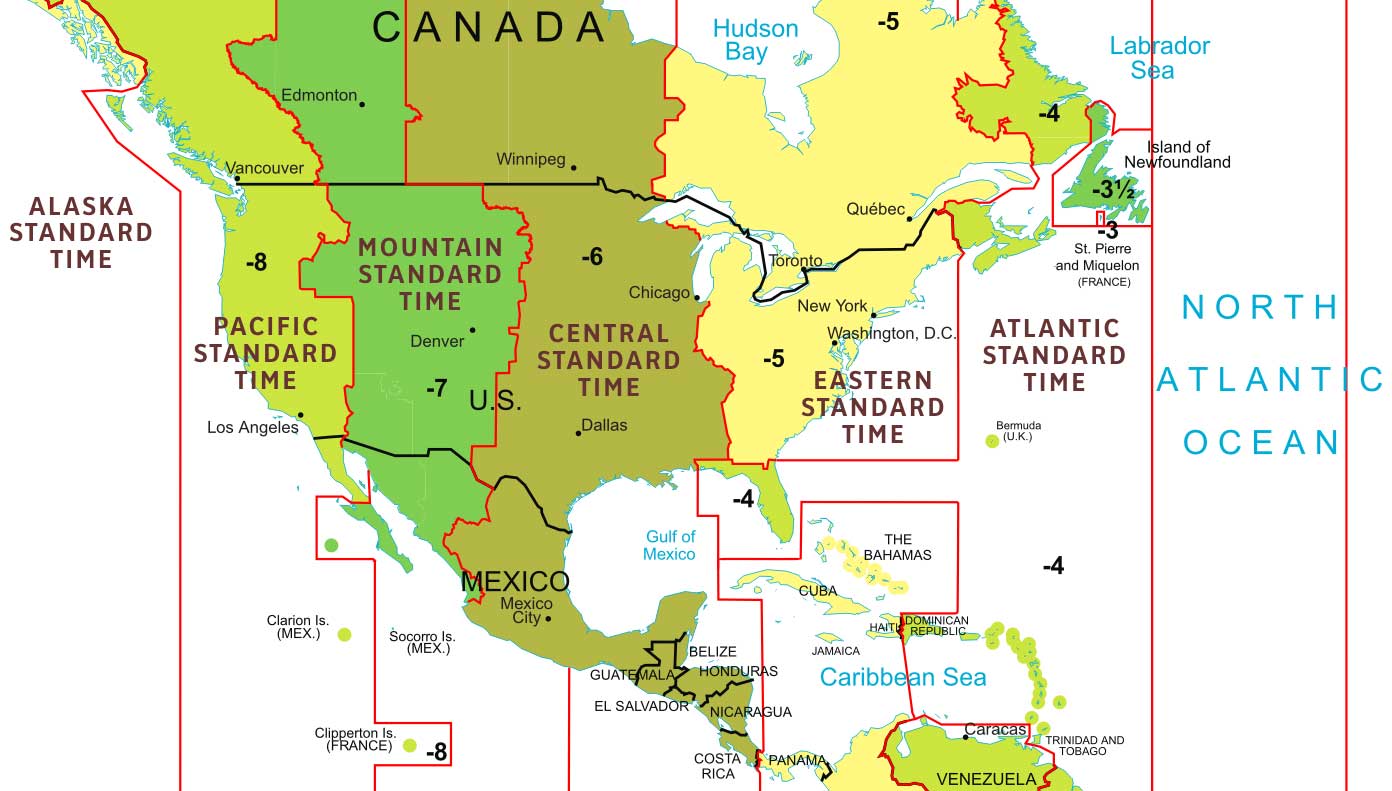
Historically, most of Florida has fallen within the Eastern Time Zone (ET), observing Eastern Daylight Time (EDT) during the spring and summer months and Eastern Standard Time (EST) during the fall and winter. A significant portion of the western Florida Panhandle, however, operates on Central Time (CT), observing Central Daylight Time (CDT) and Central Standard Time (CST). This dual time zone aspect within one state is a common feature in many larger U.S. states and is something travelers crossing the panhandle should certainly be aware of.
The federal Uniform Time Act of 1966 established the nationwide system of Daylight Saving Time, allowing states to opt out if their legislatures chose to do so. Florida has, for the most part, adhered to this system, adjusting its clocks along with the rest of the country. The purpose of DST, as initially conceived, was to conserve energy during wartime and to extend daylight hours for agricultural and recreational activities. In a state where outdoor recreation, beach visits, and theme park adventures are paramount, the concept of more usable daylight in the evenings has always held a certain appeal.
The Sunshine Protection Act: A Twist in the Tale
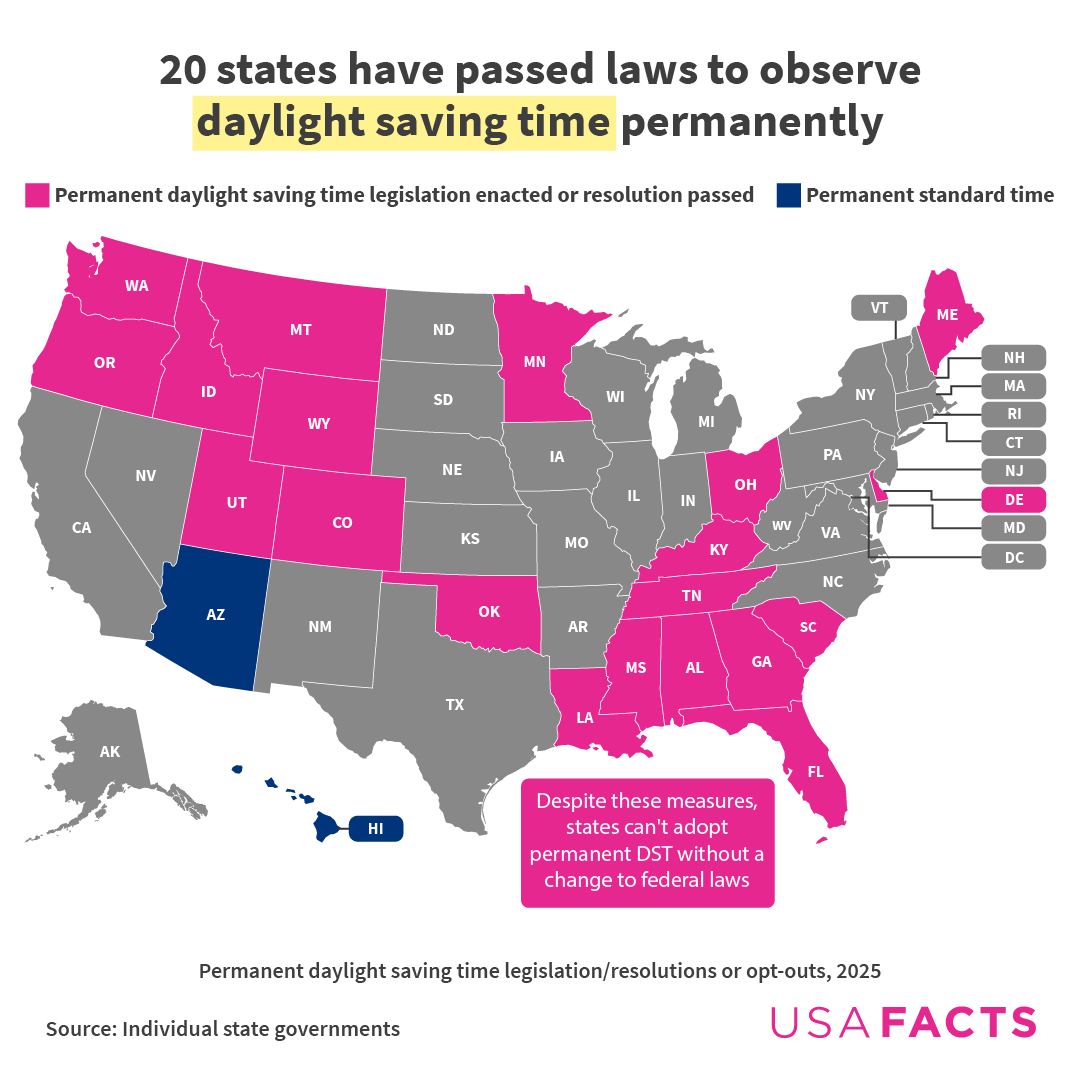
In recent years, Florida has been at the forefront of a movement to make Daylight Saving Time permanent. In 2018, the Florida Legislature passed the “Sunshine Protection Act,” a bill that would have permanently kept the state on Daylight Saving Time year-round. This initiative was met with considerable enthusiasm, particularly from the tourism industry, which envisioned extended daylight hours providing more opportunities for visitors to enjoy outdoor attractions, beaches, and evening entertainment. Imagine an extra hour of daylight for a round of golf at a prestigious resort like the PGA National Resort & Spa in Palm Beach Gardens, or an extended evening stroll along South Beach in Miami without the need for artificial lighting.
The act was signed into law by then-Governor Rick Scott, but there’s a crucial catch: for states to make Daylight Saving Time permanent, federal approval from the U.S. Congress is required. While senators and representatives from Florida, including Senator Marco Rubio, have championed similar federal legislation (also named the “Sunshine Protection Act”), it has yet to pass both chambers of Congress and be signed into law. This means that despite Florida’s clear legislative intent, the state still observes the traditional “spring forward, fall back” schedule for Daylight Saving Time. Therefore, when planning your trip, you should still anticipate these time changes unless federal law changes. This ongoing effort highlights Florida’s unique desire to maximize its “sunshine” brand, emphasizing its commitment to being a brightly lit, activity-filled destination.
Navigating Time Changes as a Florida Traveler
For anyone planning a trip to Florida, understanding and accounting for Daylight Saving Time changes is more than just a trivial detail; it’s a practical consideration that can significantly impact your travel experience. From coordinating flights to maximizing your time at world-renowned attractions, a little foresight goes a long way.
Planning Your Itinerary: Flights, Attractions, and Tours
The primary impact of DST on travelers revolves around scheduling. When clocks “spring forward” in March, you essentially lose an hour of sleep, which can be a minor jolt for your internal clock, especially if you’re arriving on a red-eye flight or have early morning plans. Conversely, when clocks “fall back” in November, you gain an hour, which can feel like a bonus, but might also lead to confusion if not accounted for.
- Flights and Transportation: Airlines and public transportation systems (like Brightline rail connecting Miami to Orlando) generally adjust their schedules automatically. However, it’s always wise to double-check your flight times around the DST transition dates. A departure time of 8:00 AM on the day DST begins would effectively feel like 7:00 AM to your body if you haven’t adjusted, potentially leading to missed connections or unnecessary stress. For those driving into or across the Florida Panhandle, remember the time zone change. Driving from Tallahassee (EST/EDT) to Pensacola (CST/CDT) means gaining an hour, which can be a pleasant surprise, but losing an hour on the return trip.
- Theme Parks and Attractions: Florida is synonymous with theme parks like Walt Disney World Resort, Universal Orlando Resort, and Busch Gardens Tampa Bay. Their operating hours are often fixed but can be affected by the time change. For instance, an evening fireworks show at Magic Kingdom scheduled for 9:00 PM will happen at 9:00 PM local time, regardless of whether it’s EDT or EST. However, for visitors, the perceived daylight can shift. During EDT, that 9:00 PM show will occur with more ambient light than it would in EST, which can influence how long you feel comfortable staying out or when you schedule other evening activities like dining at Disney Springs or Universal CityWalk.
- Tours and Excursions: Whether you’re embarking on a fishing charter in the Florida Keys, a Everglades airboat tour, or a dolphin-watching cruise off the coast of Naples, tour operators will adhere to local time. Confirming your tour start times, especially if booking well in advance or from a different time zone, is a simple step to avoid missing out on these unforgettable experiences.
Hotel Stays and Accommodation Logistics
Accommodation providers in Florida, ranging from luxury resorts like The Breakers Palm Beach to cozy vacation rentals in Anna Maria Island, are well-versed in Daylight Saving Time adjustments. Most modern hotel systems and room clocks will automatically update, but it’s always good practice to verify.
- Check-in and Check-out Times: These are usually fixed based on local time. A 3:00 PM check-in remains 3:00 PM, regardless of the time change. However, if you arrive on the day clocks “spring forward,” that 3:00 PM might feel like 2:00 PM to your body, potentially making you feel more tired or eager to settle in earlier. Conversely, during the “fall back,” an 11:00 AM check-out might feel like 12:00 PM, giving you an unexpected extra hour to pack.
- Resort Amenities and Dining: Florida’s resorts offer a plethora of amenities, from spa treatments at The Ritz-Carlton, Amelia Island to kids’ club activities at Loews Portofino Bay Hotel. Their schedules are set to local time. If you have specific appointments or dining reservations, ensure you’re aware of the time shift. Breakfast buffets will still open at their advertised time, but your internal clock might be telling you something different. This is particularly relevant for families with young children whose sleep schedules are sensitive to even minor changes.
- Long-term Stays and Rentals: For those enjoying an extended stay in a Florida apartment or villa, the time change becomes part of daily life. Remember to adjust household clocks and be mindful of local events or community schedules that might be impacted. Many vacation rentals provide information on local practices, but a quick check of a reliable time source on your phone or computer is the best way to stay current.
The Impact on Florida’s Vibrant Tourism and Lifestyle
Beyond the logistical considerations, Daylight Saving Time plays a subtle yet significant role in shaping the very essence of the Florida experience, influencing both the tourism industry and the lifestyle of its residents. The presence or absence of that extra hour of evening daylight can truly transform a day in the Sunshine State.
Embracing the Extra Hour of Daylight (or Less)
When Florida springs forward into Daylight Saving Time, the longer evenings are a boon for tourism. Imagine planning a trip to Clearwater Beach and having an additional hour of natural light to enjoy the powdery sands, swim in the Gulf waters, or watch street performers at Pier 60’s sunset festival. This extended daylight means:
- More Outdoor Activity Time: Golf courses, tennis courts, water sports rentals, and hiking trails in state parks like John Pennekamp Coral Reef State Park can remain open later, allowing visitors to pack more into their days. This is particularly valuable for those on a tighter budget looking to maximize free outdoor entertainment, or for luxury travelers who desire extended leisure time.
- Enhanced Evening Experiences: Dining al fresco along Las Olas Boulevard in Fort Lauderdale or enjoying a cocktail on a rooftop bar in Tampa feels even more vibrant with natural light lingering longer. Theme park evening parades and fireworks also benefit, as the longer daylight allows guests to enjoy pre-show entertainment in comfort before the main event unfolds under a truly dark sky.
- Psychological Boost: For many, the perception of an extra hour of daylight in the evening translates to a more relaxed and extended vacation feel. It pushes back the onset of darkness, encouraging people to stay out later, explore more, and generally feel less rushed. This is a significant draw for lifestyle travelers seeking to unwind and soak up the leisurely Florida pace.
Conversely, when clocks “fall back” in November, the evenings shorten. While the initial “extra hour” of sleep is welcomed, the earlier sunsets can mean a shift in activities. Beach days might end earlier, and evening plans may transition indoors sooner. This is when attractions like the indoor aquariums (e.g., Florida Aquarium in Tampa) or museums (Pérez Art Museum Miami) become even more appealing for evening entertainment.
Regional Nuances: Pensacola to Key West
Florida’s geographical stretch means that even within its observed time zones, the impact of DST can feel slightly different. The westernmost reaches of the Florida Panhandle, around Pensacola and Destin, are in the Central Time Zone. When they observe CDT, their sunsets and sunrises are still an hour “earlier” than in Orlando or Miami, which are in the Eastern Time Zone and observing EDT. This means that a sunset view from Pensacola Beach will occur earlier than a sunset view from Key West’s Mallory Square, despite both observing Daylight Saving Time relative to their respective standard times.
This regional difference can be important for travelers hopping between different parts of the state. Imagine a business traveler flying from Jacksonville (Eastern) to a conference in Pensacola (Central). They would gain an hour on arrival but lose an hour on departure, a detail crucial for timely meetings or connecting flights. Similarly, a family road-tripping along the Gulf Coast needs to be mindful of the time shift when crossing into or out of the Central Time Zone, especially when planning meal stops or checking into pre-booked accommodation. The state’s diverse geography and its dual time zone status thus add another layer of planning complexity and intrigue for the discerning traveler.
Practical Tips for Your Florida Getaway
Navigating time changes during your Florida vacation doesn’t have to be complicated. With a few simple tips, you can ensure your trip remains on schedule and you maximize every moment in the Sunshine State, whether you’re relaxing by the pool at a Sarasota resort or exploring the historic streets of Key West.
Staying on Schedule: Devices and Apps
In today’s interconnected world, most of your essential devices will handle time changes automatically, but it’s still prudent to be prepared:
- Smartphones and Computers: Your smartphone, tablet, and laptop should automatically update to the correct local time (EST/EDT or CST/CDT) as long as they are connected to a cellular network or Wi-Fi and have their time zone settings configured to update automatically. Trust these devices first.
- Wearable Tech: Smartwatches and fitness trackers usually sync with your phone, so they should also update without issue.
- Travel Clocks and Analog Watches: If you rely on a traditional travel alarm clock or an analog wristwatch, remember to manually adjust them on the designated “spring forward” or “fall back” dates. It’s a good idea to adjust them before bed on the Saturday night preceding the time change.
- Confirm with Local Sources: While your devices are usually reliable, if you have a critical appointment, flight, or tour, it never hurts to confirm the time with a local contact or by checking the operating hours on the official website of the attraction or establishment you plan to visit. Many websites will clearly state their hours in local time.
Maximizing Your Florida Experience
Beyond just keeping track of the time, understanding DST in Florida allows you to strategically plan your activities to make the most of your vacation:
- Early Birds and Night Owls: If you prefer cooler temperatures and fewer crowds, use the morning hours effectively. During EDT, sunrises happen later, potentially offering a more leisurely start before the heat of the day. If you love evening activities, the extended daylight in spring and summer allows for longer beach days, more time by the resort pool, or later starts for evening entertainment without feeling like the day has ended too soon.
- Booking and Reservations: When making reservations for dining at celebrity chef restaurants in Miami Beach, spa treatments, or specific theme park experiences, always confirm the local time and factor in potential time zone differences if you’re booking from out of state or planning activities across the state’s time zones.
- Embrace the Vibe: Ultimately, Florida is about relaxation and enjoyment. Don’t let the time change become a source of stress. Whether you’re enjoying the vibrant culture of Ybor City in Tampa, experiencing the serene beauty of the Sanibel Island shelling beaches, or marveling at the rocket launches from the Kennedy Space Center Visitor Complex near Cape Canaveral, being mindful of the clock, but not beholden to it, is key to a memorable trip.
In conclusion, yes, Florida does have Daylight Saving Time. While the state has expressed a strong desire to make it permanent through initiatives like the Sunshine Protection Act, for now, travelers and residents alike will continue to “spring forward” and “fall back” each year. By being aware of these shifts and leveraging modern technology, your Florida adventure will remain perfectly timed, allowing you to immerse yourself fully in all the wonders the Sunshine State has to offer. Enjoy every sun-drenched moment!
LifeOutOfTheBox is a participant in the Amazon Services LLC Associates Program, an affiliate advertising program designed to provide a means for sites to earn advertising fees by advertising and linking to Amazon.com. Amazon, the Amazon logo, AmazonSupply, and the AmazonSupply logo are trademarks of Amazon.com, Inc. or its affiliates. As an Amazon Associate we earn affiliate commissions from qualifying purchases.