
When many people envision a trip to the Sunshine State, images of perpetual warmth, sun-drenched beaches, and vibrant outdoor activities immediately come to mind. Florida is synonymous with summer, with its iconic palm trees swaying in a balmy breeze, and its world-famous theme parks buzzing with energy year-round. However, the question of “How cold does it get in Florida?” is a valid one, especially for travelers planning their visit outside of the peak summer months. While the state is renowned for its pleasant climate, it’s not entirely immune to the chill. Understanding Florida’s winter weather nuances is key to ensuring a comfortable and enjoyable experience, whether you’re seeking a relaxing beach getaway in Sanibel Island, exploring the historical charm of St. Augustine, or experiencing the thrill of Walt Disney World Resort.

Florida’s Winter: A Tale of Two Climates
The perception of Florida’s weather is often shaped by its southeastern location in the United States. Geographically, it’s a peninsula extending into the Atlantic Ocean and the Gulf of Mexico, a position that significantly influences its temperature patterns. While the southern half of the state, particularly areas like Miami and the Florida Keys, enjoys a tropical or subtropical climate that remains warm year-round, the northern regions experience a more pronounced winter season. This geographical divide is crucial for anyone asking, “How cold does it get in Florida?”
Northern Florida: A Noticeable Seasonal Shift
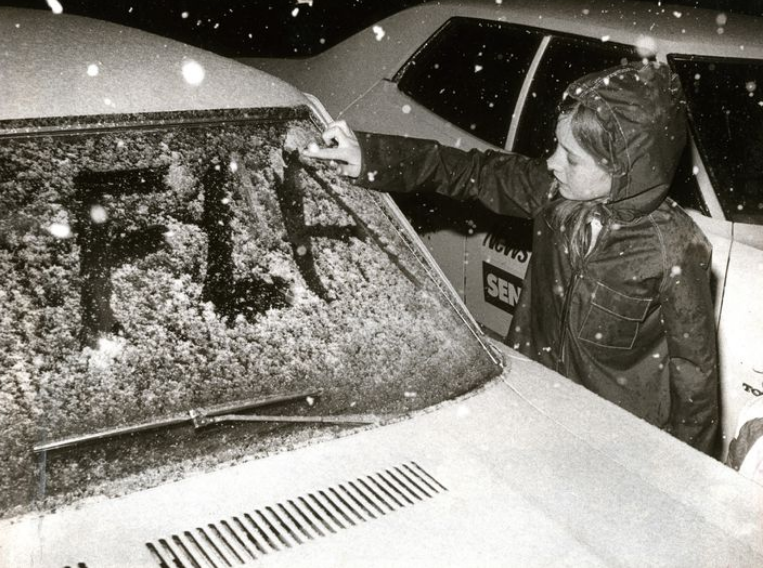
Regions north of Orlando, including cities like Jacksonville, Tallahassee, and the Panhandle, are more susceptible to colder air masses originating from the continental United States. During the winter months, typically from December through February, these areas can experience temperatures that dip considerably. Frost is not uncommon, and on rare occasions, freezing temperatures can occur, sometimes even leading to light snowfall or sleet, particularly in the western Panhandle.
For travelers heading to these northern destinations, packing layers is essential. While daytime temperatures might still hover in the comfortable 50s or 60s Fahrenheit, evenings and early mornings can drop into the 30s or 40s. This means that activities like exploring the historic streets of St. Augustine or enjoying the natural beauty of Amelia Island might require a jacket, scarf, and hat. It’s a far cry from the sweltering heat of summer, but it’s also not the frigid chill found in northern states. The key is to be prepared for variability.
Central and South Florida: Mild Winters and Occasional Cool Spells
Further south, the climate becomes more consistently mild. Orlando, home to Universal Orlando Resort and SeaWorld Orlando, experiences winters that are generally pleasant. Daytime temperatures often range from the high 60s to the low 70s Fahrenheit, making it an excellent time for theme park visits without the oppressive humidity and heat. However, even here, cold fronts can push through, bringing cooler air and dropping temperatures into the 40s or 50s Fahrenheit for a few days. Visitors should still pack some warmer clothing, especially if they plan to be out in the evenings or have early morning tours.
The southernmost regions, including Miami, Fort Lauderdale, and the Florida Keys, boast a truly tropical climate. Winters in these areas are characterized by warm, dry days and mild nights. Temperatures rarely drop below the 60s Fahrenheit, and frost is virtually unheard of. This makes the southern tip of Florida an ideal winter escape for those seeking to escape colder weather elsewhere. Beach activities, exploring the vibrant nightlife of South Beach, or taking a boat trip to Key West are perfectly enjoyable. However, even in these tropical havens, occasional “cold snaps” can occur, where temperatures might briefly dip into the low 50s Fahrenheit. While this might feel cool for sunbathers, it’s still a far cry from freezing.
Factors Influencing Florida’s Coldest Days
Several meteorological factors contribute to the occasional cold spells experienced in Florida. Understanding these can help travelers better prepare for the unpredictable nature of winter weather in the Sunshine State.
Cold Fronts and Arctic Air Masses
The primary driver of colder weather in Florida is the passage of cold fronts. These are boundaries between cooler, drier air and warmer, moister air. When a strong cold front sweeps down from the north, it can bring significantly lower temperatures, even to the southern parts of the state. These fronts are often associated with clear skies and lower humidity, offering a brief but noticeable change from the usual Florida climate. While “arctic air masses” are not as intense as they are further north, they can still have a palpable effect, especially in the Panhandle.
The Influence of the Gulf of Mexico and Atlantic Ocean
While the surrounding bodies of water – the Gulf of Mexico and the Atlantic Ocean – generally moderate Florida’s temperatures, preventing extreme cold, they can also play a role in how cold fronts impact the state. The oceans can absorb some of the cold air, but when the air masses are sufficiently powerful, the moderating effect is overcome. Conversely, the proximity to these warm waters helps to keep temperatures from plummeting to the extreme lows seen in landlocked states.
Frost and Freezing Temperatures: A Regional Phenomenon
Frost and freezing temperatures are most likely to occur in the northern half of Florida and inland areas, away from the coast. The coastal areas, even in the north, benefit from the moderating influence of the ocean, which tends to keep temperatures slightly warmer than inland locations. However, during particularly cold nights, frost can form on vegetation, and temperatures can dip below freezing in many parts of North and Central Florida. For example, during a significant cold snap, areas around Gainesville or Ocala might experience freezing conditions, impacting local flora and outdoor activities.
Planning Your Florida Winter Trip: Tips for Staying Comfortable
Knowing “How cold does it get in Florida?” allows for more strategic planning, ensuring you pack appropriately and choose the right destinations for your desired experience.
Packing Essentials for a Florida Winter
Regardless of the specific region you plan to visit, it’s wise to pack layers. This includes:
- Light to medium-weight jackets: A fleece jacket or a light puffer jacket is ideal.
- Long-sleeved shirts and sweaters: Perfect for layering under a jacket or wearing on their own.
- Long pants: Jeans, khakis, or other comfortable trousers.
- Closed-toe shoes: Sneakers or walking shoes are a must for exploring attractions like Everglades National Park or the historic streets of Ybor City.
- A scarf and gloves: Especially for northern Florida or if you’re sensitive to the cold.
- Shorts and t-shirts: For warmer days or for enjoying the beaches in South Florida.
Choosing the Right Destination Based on Season
If your primary goal is to escape the cold entirely, then focusing your trip on South Florida is your best bet. Cities like Miami, Naples, and the Florida Keys offer a reliably warm winter experience. You can bask in the sun on the beaches of Clearwater, explore the vibrant art scene in Wynwood, or enjoy the calm waters of Biscayne Bay without worrying about freezing temperatures.
However, if you don’t mind a bit of cool air and appreciate a more diverse climate, visiting Central or North Florida can be very rewarding. Theme parks are often less crowded during the winter months, and the cooler weather can make outdoor exploration of natural attractions like Wakulla Springs State Park or the trails around Lake Okeechobee more comfortable. Cities like Tampa offer a good balance, with mild winters and plenty of attractions.
Embracing the Season: Activities Beyond the Beach
While Florida is famous for its beaches, its winter season opens up a world of other possibilities. The cooler temperatures are ideal for:
- Exploring nature: Hiking, biking, and birdwatching are particularly enjoyable when it’s not scorching hot. Consider visiting parks like Myakka River State Park or Hillsborough River State Park.
- Cultural excursions: Wander through charming historic districts, visit museums, and enjoy outdoor festivals that are more comfortable in milder weather. Savannah, Georgia, though not in Florida, is often a popular nearby destination with similar mild winter appeal.
- Theme park adventures: As mentioned, visiting Busch Gardens Tampa Bay or Kennedy Space Center during the cooler months can be a more pleasant experience than during the summer heat.
- Sporting events: Florida hosts numerous professional and collegiate sporting events during the winter, from NFL games to spring training baseball in cities like Fort Myers and West Palm Beach.
In conclusion, while Florida is the Sunshine State, its winters do bring cooler temperatures, especially in the northern parts. Understanding “How cold does it get in Florida?” empowers you to pack smart, choose the right destination, and fully embrace the diverse experiences this beautiful state offers, no matter the season. Whether you’re seeking perpetual warmth in Key West or enjoying a crisp, sunny day in Pensacola, Florida has a winter climate to suit your travel style.
LifeOutOfTheBox is a participant in the Amazon Services LLC Associates Program, an affiliate advertising program designed to provide a means for sites to earn advertising fees by advertising and linking to Amazon.com. Amazon, the Amazon logo, AmazonSupply, and the AmazonSupply logo are trademarks of Amazon.com, Inc. or its affiliates. As an Amazon Associate we earn affiliate commissions from qualifying purchases.