
Florida, the Sunshine State, beckons with its sun-drenched beaches, vibrant theme parks, and diverse cultural landscapes. Whether you’re a new resident drawn to the allure of Miami‘s art deco charm, the family fun of Orlando, or the serene beauty of the Florida Keys, settling in often involves navigating essential administrative tasks. Among these, ensuring your vehicle is properly registered with the state is paramount. This guide will walk you through the process of registering your car in Florida, transforming a potentially daunting task into a straightforward procedure.
The Florida Department of Highway Safety and Motor Vehicles (FLHSMV) oversees vehicle registration, ensuring that all cars operating on the state’s roads meet legal requirements. Understanding these requirements and the steps involved will save you time and potential headaches. From gathering necessary documents to understanding fees and deadlines, this comprehensive overview aims to equip you with all the information you need to get your vehicle legally on Florida roads.
Understanding Your Registration Needs
Before you embark on the registration process, it’s crucial to determine your specific situation. Are you a new resident bringing a vehicle from another state? Or perhaps you’ve purchased a new or used car within Florida? Each scenario has slightly different documentation and procedural requirements.
New Residents Registering a Vehicle
If you’ve recently moved to Florida and brought your car with you, the state requires you to register your vehicle within 30 days of establishing residency. This means that once you’ve decided Florida is your home, you have a month to get your vehicle compliant with state laws. Establishing residency can be proven through various means, such as enrolling your children in local schools, registering to vote, or signing a lease or deed.
The primary goal of registering your out-of-state vehicle is to obtain Florida license plates and registration stickers. This process also ensures your vehicle meets Florida‘s insurance requirements. You’ll need to have your vehicle inspected by law enforcement to verify its Vehicle Identification Number (VIN), confirming it’s not stolen and matches the documentation you provide.
Purchasing a Vehicle in Florida
If you’ve purchased a new or used vehicle from a dealership in Florida, the dealership will typically handle much of the initial registration paperwork for you. They will often issue you temporary tags and submit the necessary documents to the FLHSMV on your behalf. You will then receive your permanent Florida license plates and registration by mail.
However, if you purchase a used vehicle from a private seller, the responsibility for registration falls entirely on you. You’ll need to ensure all paperwork is correctly completed and submitted to the FLHSMV to transfer ownership and obtain new Florida license plates.
Essential Documents and Requirements
Navigating the registration process requires having the correct documentation in order. Missing even one item can lead to delays. It’s always best to gather everything you need before heading to a local county tax collector’s office, which serves as the primary point of contact for vehicle registration in Florida.
Proof of Ownership and Identification
The cornerstone of vehicle registration is proving you are the rightful owner and that the vehicle meets Florida‘s standards.
- Proof of Ownership: This typically involves a title certificate. If you purchased the vehicle from a dealership, they will provide you with the necessary title paperwork. For private sales, the seller must sign over the title to you. If you financed the vehicle, the lender will hold the title, and you’ll need to provide proof of lien satisfaction once the loan is paid off.
- Proof of Identity: You’ll need to present a valid government-issued identification, such as a Florida driver’s license or identification card. If you don’t have a Florida driver’s license yet, you may be able to use other forms of identification, but it’s best to check with the FLHSMV or your local tax collector’s office for specific requirements.
- Proof of Insurance: Florida is a “no-fault” insurance state, meaning you are required to carry a minimum level of Personal Injury Protection (PIP) and Property Damage Liability (PDL) insurance for your vehicle. You must provide proof of current Florida insurance coverage when you register your vehicle. This typically comes in the form of an insurance identification card or policy declaration page from a licensed Florida insurance provider.
- Vehicle Identification Number (VIN) Verification: For vehicles being registered for the first time in Florida, especially those coming from out of state, a VIN verification is mandatory. This is typically performed by a law enforcement officer, a licensed dealer, or an authorized VIN verifier. They will inspect your vehicle to confirm the VIN matches the documentation you provide and that the vehicle is not stolen. For vehicles purchased from a Florida dealer, this step is often handled as part of the sale.
- Odometer Disclosure Statement: For vehicles that are less than 10 years old, you will need to provide an accurate odometer reading. This is part of the ownership transfer process and ensures transparency.
- Bill of Sale: For vehicles purchased from a private seller, a bill of sale is crucial. This document, signed by both the buyer and seller, details the sale, including the purchase price, date of sale, and a description of the vehicle.
Understanding Fees and Taxes
When you register your car in Florida, you’ll encounter various fees and taxes. These contribute to the upkeep of roads, traffic safety programs, and other state services.
- Title Fee: A fee is associated with transferring the vehicle’s title to your name.
- Registration Fee: This fee varies based on the type of vehicle (e.g., passenger car, truck, motorcycle) and its weight.
- License Plate Fee: There’s a fee for the physical license plate. Florida offers a wide variety of specialty plates, which may have additional fees.
- Sales Tax: If you purchased the vehicle in Florida, you will pay sales tax on the purchase price. If you brought the vehicle from out of state, Florida may assess a “use tax” if you have not already paid sales tax in another state. The rate of sales tax can vary slightly by county.
- Other Fees: Depending on your specific situation and the county you register in, there might be additional administrative fees.
It’s important to note that fees are subject to change, so it’s advisable to check the latest fee schedule on the FLHSMV website or contact your local county tax collector’s office for the most up-to-date information.
The Registration Process: Step-by-Step

Once you have all your documents in order, the physical registration process is relatively straightforward. The FLHSMV delegates the responsibility of vehicle registration to the county tax collector offices across the state.
Visiting Your Local County Tax Collector’s Office
The primary step in registering your vehicle is visiting your local county tax collector’s office. You can typically find the office closest to you by searching online. Be prepared for potential wait times, especially during peak hours or seasons. Many county tax collector offices offer appointment scheduling or online services for certain transactions, which can help streamline your visit.
Upon arrival, you will present all your gathered documentation to a customer service representative. They will review your paperwork to ensure everything is in order. If all is correct, they will process your application, collect the applicable fees and taxes, and issue you your Florida license plates, registration certificate, and validation stickers.
Receiving Your License Plates and Registration
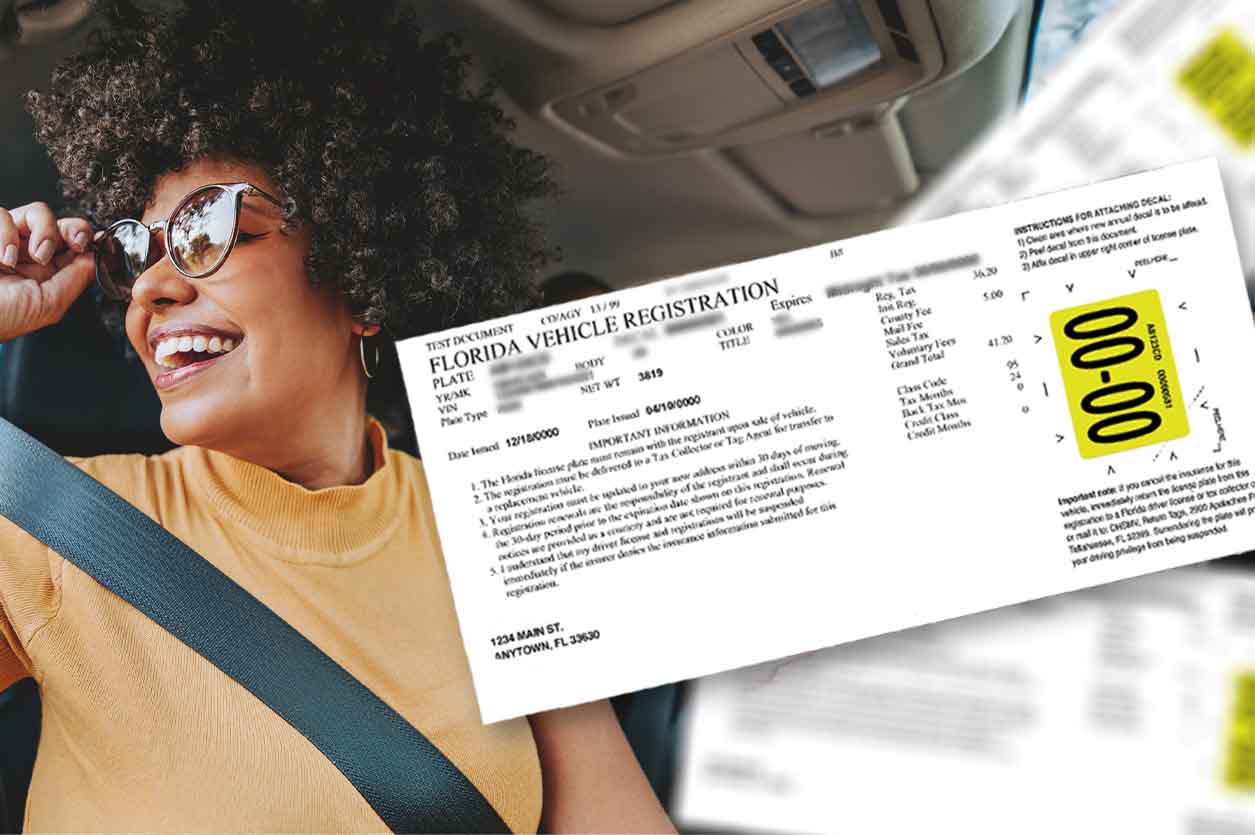
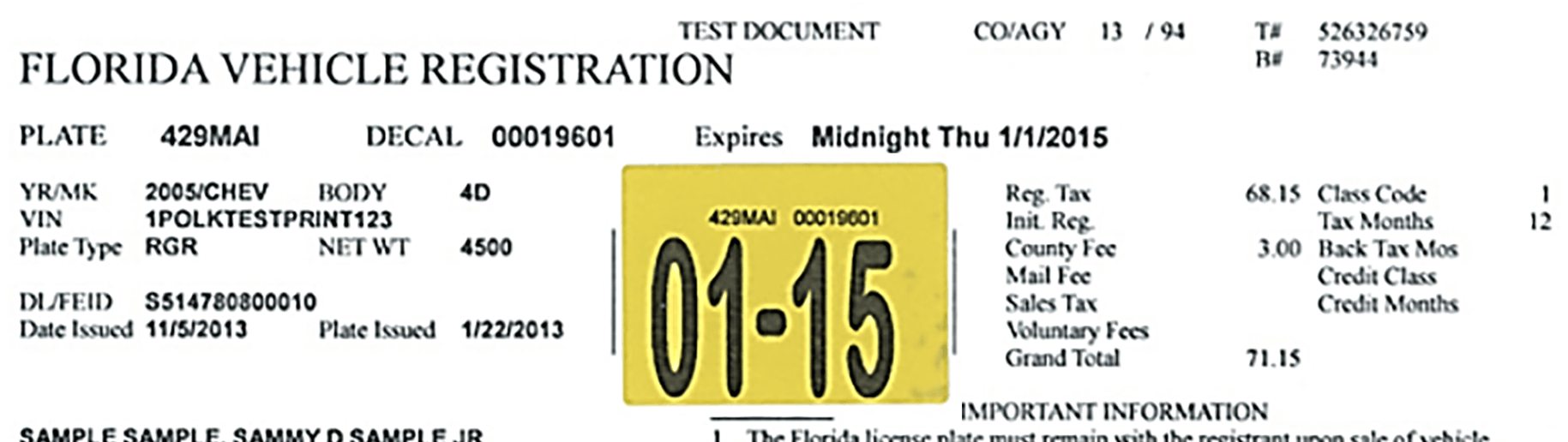
After your transaction is complete at the tax collector’s office, you will walk away with your new Florida license plates, registration certificate, and validation stickers. You will need to affix the validation stickers to your license plates, indicating the expiration month and year. Your registration certificate should be kept in your vehicle at all times, readily available for inspection by law enforcement.
The process of obtaining permanent Florida license plates and registration can vary. For new residents registering an out-of-state vehicle, you’ll receive these items at the tax collector’s office. If you purchased a vehicle from a dealer, they will typically mail these to you directly after they have processed the paperwork.
Renewing Your Registration
Vehicle registration in Florida is typically valid for one year, expiring on your birthday. You will receive a renewal notice in the mail from the FLHSMV approximately 45 days before your expiration date. It is crucial to renew your registration before it expires to avoid penalties and fines.
Renewals can be completed online through the FLHSMV website, by mail, or in person at a county tax collector’s office. You will need your license plate number and your Florida driver’s license number to renew online. Proof of insurance is also required for renewal. Failure to maintain continuous Florida insurance coverage can result in the suspension of your driver’s license and vehicle registration.
Special Considerations and Tips
While the general process is clear, there are a few extra points to consider to ensure a smooth registration experience, especially for those who enjoy the diverse offerings of the Sunshine State, from the theme parks of Orlando to the vibrant nightlife of Tampa or the historical charm of St. Augustine.
Specialty License Plates
Florida offers a wide array of specialty license plates, many of which support various charities, organizations, or interests. These can range from plates supporting wildlife conservation to those celebrating Florida‘s universities and professional sports teams. While these plates often come with an additional fee, they provide a unique way to personalize your vehicle and contribute to causes you care about. You can explore the available options on the FLHSMV website and choose one that resonates with you during the registration process.
Vehicle History Reports
When purchasing a used vehicle, especially from a private seller, it’s highly recommended to obtain a vehicle history report. Services like Carfax or AutoCheck can provide invaluable information about a vehicle’s past, including accident history, title issues, and previous ownership. While not a mandatory document for registration, it’s a crucial step for responsible car ownership and can save you from costly surprises down the road.
Navigating Different Counties
While the core registration requirements are set by the FLHSMV, each county tax collector’s office may have slightly different procedures or appointment systems. It’s always a good idea to visit the website of your local county tax collector to check their specific hours of operation, accepted payment methods, and any appointment requirements. This proactive approach can save you a trip and ensure you are fully prepared.
Planning Your Visit
If you’re a new resident and your vehicle is your primary mode of transportation, consider tackling registration shortly after you’ve secured your Florida driver’s license. This will ensure you have all necessary identification and are compliant with state laws. For those who enjoy exploring beyond their immediate surroundings, perhaps heading to Everglades National Park or enjoying the beaches of Clearwater, having your vehicle properly registered is the first step in freely enjoying all that Florida has to offer.
Registering your car in Florida is a necessary step for all vehicle owners. By understanding the requirements, gathering the necessary documentation, and following the outlined steps, you can confidently complete the process and enjoy your drives across the beautiful Sunshine State. Whether you’re headed to a resort in Naples or exploring the historic streets of Key West, a properly registered vehicle ensures your travels are legal and worry-free.
LifeOutOfTheBox is a participant in the Amazon Services LLC Associates Program, an affiliate advertising program designed to provide a means for sites to earn advertising fees by advertising and linking to Amazon.com. Amazon, the Amazon logo, AmazonSupply, and the AmazonSupply logo are trademarks of Amazon.com, Inc. or its affiliates. As an Amazon Associate we earn affiliate commissions from qualifying purchases.