
Florida, the Sunshine State, is renowned for its vibrant tourism industry, offering a plethora of attractions and experiences for every kind of traveler. From the dazzling beaches of Miami Beach to the enchanting theme parks of Orlando, and the unique ecological wonders of the Everglades National Park, there’s always something new to explore. For those who call this beautiful state home, whether permanently or for extended stays, understanding the administrative processes, like vehicle registration renewal, is a crucial part of enjoying life in Florida.
While the allure of Florida lies in its travel destinations, luxurious resorts, rich local culture, and diverse lifestyle options, practicalities like renewing your vehicle registration are essential for seamless living and exploring. This guide will walk you through the process of renewing your registration in Florida, ensuring you can continue to enjoy all the state has to offer without any hitches.
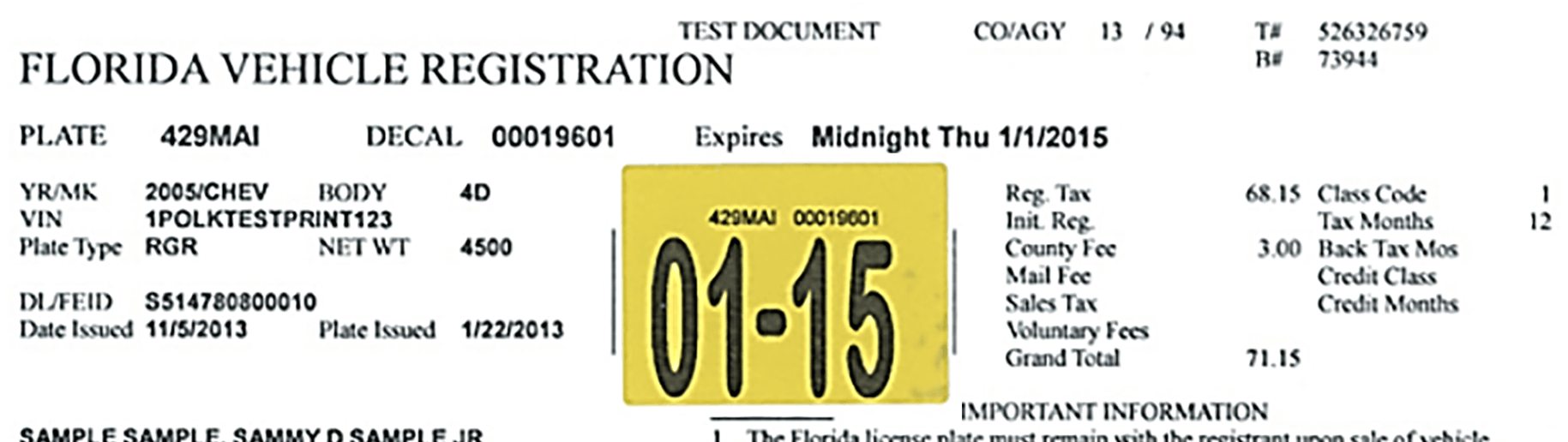
Understanding Your Florida Vehicle Registration Renewal
Renewing your vehicle registration in Florida is a straightforward process designed to be as convenient as possible for residents and long-term visitors alike. The Department of Highway Safety and Motor Vehicles (DHSMV) oversees these renewals, ensuring that all vehicles operating on Florida’s roads are properly documented and insured.
When to Renew Your Registration
Your Florida vehicle registration is typically valid for one year, expiring on your birthday. You will receive a renewal notice by mail from the DHSMV approximately 60 days before your expiration date. This notice will contain all the necessary information, including the amount due and the specific requirements for renewal. It’s crucial to keep your address updated with the DHSMV to ensure you receive this important notification. If you don’t receive a renewal notice, it is still your responsibility to renew your registration before it expires. Failing to do so can result in late fees and penalties.
For those who are new to Florida or are considering a long-term stay, understanding this renewal cycle is part of integrating into the local lifestyle. Whether you plan to enjoy leisurely drives along the scenic Overseas Highway or need your vehicle for business stays in cities like Tampa, keeping your registration current is a must.
Requirements for Renewal
To successfully renew your Florida vehicle registration, you will generally need the following:
- Your current registration certificate or renewal notice: This provides your vehicle’s information and renewal identification number.
- Proof of Florida insurance: Florida law requires all drivers to maintain continuous Florida Personal Injury Protection (PIP) insurance and Property Damage Liability (PDL) coverage. You will need to provide the name of your insurance company and policy number.
- Payment for renewal fees: The amount varies depending on the type of vehicle and its weight. You can typically find an estimate of your fees on the renewal notice.
- Emissions inspection (for certain counties): While most of Florida does not require emissions inspections, counties such as Hillsborough, Miami-Dade, and Palm Beach have specific requirements for certain vehicles. Check with your local county tax collector’s office if you are unsure.
It’s always a good idea to have your driver’s license or identification card handy as well, especially if you are renewing in person. For those who appreciate budget travel or are planning extended family trips, ensuring all legal requirements are met simplifies the journey and prevents unexpected expenses.
Options for Renewing Your Registration in Florida
The Florida DHSMV offers several convenient methods for renewing your vehicle registration, catering to different preferences and accessibility needs. Whether you prefer the ease of online services, the personal touch of an in-person visit, or the convenience of mail, there’s an option for you.
Online Renewal: The Quickest and Easiest Method
Renewing your registration online through the official Florida DHSMV website is by far the most efficient and popular method. This option allows you to complete the renewal process from the comfort of your home, hotel suite, or any location with internet access, making it ideal for those enjoying their leisure time or managing business stays.
- Visit the Florida DHSMV Website: Navigate to the official Florida DHSMV website. Look for the section dedicated to vehicle registration renewals.
- Enter Your Information: You will be prompted to enter your license plate number and a renewal identification number, which can be found on your renewal notice.
- Verify Insurance Information: The system will verify your Florida insurance status electronically. Ensure your insurance policy is active and meets all state requirements.
- Pay Fees: You can pay the renewal fees securely online using a credit card, debit card, or electronic check.
- Print Your Receipt and New Decal: Once the transaction is complete, you will receive a confirmation and can usually print a temporary registration. Your new registration sticker (decal) will be mailed to your address on file.
Online renewal is particularly beneficial for frequent travelers who might be enjoying destinations like the Florida Keys or experiencing the local culture in cities like St. Augustine and find themselves away from their primary residence when renewal is due. It ensures you remain compliant without interrupting your travel plans.
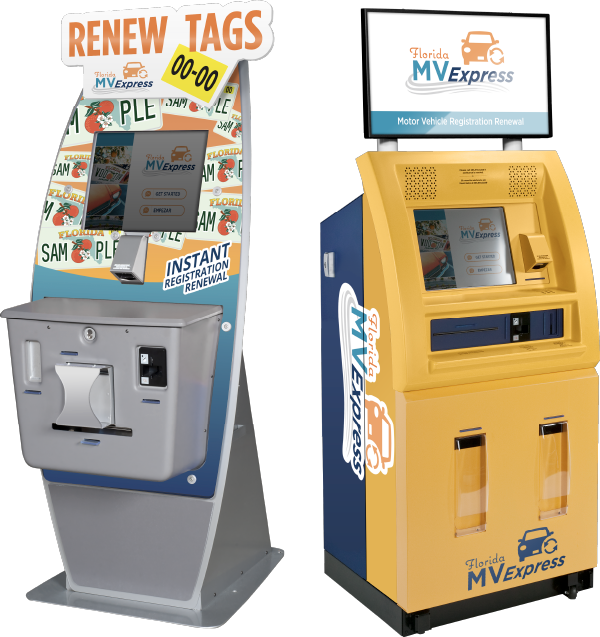
In-Person Renewal: Visiting Your Local County Tax Collector’s Office
For those who prefer face-to-face assistance or need to resolve any issues with their registration, visiting a local county tax collector’s office is a reliable option. These offices are equipped to handle all aspects of vehicle registration, including renewals.
- Locate Your Nearest Office: You can find a list of county tax collector offices on the DHSMV website. Choose an office convenient to your location.
- Gather Required Documents: Bring your renewal notice or current registration, proof of insurance, and payment.
- Visit the Office: Upon arrival, you will typically take a number and wait to be served. A customer service representative will process your renewal.
- Receive Immediate Decal: In most cases, you will receive your new registration decal and receipt on the spot, allowing you to continue driving legally without delay.
This method is ideal for individuals who may be staying in villas or apartments for extended periods and want to handle all administrative tasks in one go. It also provides an opportunity to interact with local services and perhaps gather more tips on local activities or attractions.
Mail-In Renewal: A Traditional Approach
If you are not comfortable with online services or cannot visit an office, you can opt for mail-in renewal. This method requires a bit more advance planning to ensure your renewal is processed on time.
- Complete the Renewal Notice: Fill out the renewal notice that was mailed to you.
- Include Payment: Send a check or money order for the exact renewal fee along with the completed notice.
- Provide Proof of Insurance: Include a copy of your current Florida insurance card or policy declaration page.
- Mail to the Address Provided: Send your documents to the address specified on the renewal notice, which is typically your local county tax collector’s office.
While mail-in renewal is a viable option, it’s important to mail your documents well in advance of your expiration date to account for postal delivery times and processing delays. This method might suit individuals who are on longer trips, perhaps enjoying a budget travel experience or a family trip to a less urban area of Florida, and have reliable mail service.
Common Questions and Important Considerations
Renewing your vehicle registration in Florida, while generally straightforward, can sometimes bring up specific questions or require attention to certain details. Understanding these nuances can prevent confusion and ensure a smooth renewal process, whether you’re a new resident or a seasoned Floridian.
What if I Lose My Renewal Notice?
Losing your renewal notice is not a cause for alarm. As mentioned earlier, you can renew your registration online without it by using your license plate number and vehicle identification number (VIN). If you don’t have your VIN readily available, you can often retrieve it from your previous registration certificate or by contacting the DHSMV or your local county tax collector’s office. They can look up your vehicle information using your name and driver’s license number.
What if My Registration Has Already Expired?
If your registration has expired, you will still be able to renew it, but you may be subject to late fees. The DHSMV encourages timely renewals, and penalties are in place to incentivize compliance. The renewal process remains the same regardless of whether your registration is current or expired. However, it is illegal to operate a vehicle with an expired registration, so it’s best to renew it as soon as possible. Driving a vehicle with expired registration can lead to tickets and fines, which would detract from any luxury travel or family trip you might be planning.
How to Update Your Address
It is crucial to keep your mailing address updated with the DHSMV. If you move, you are required by law to notify the DHSMV of your new address within 30 days. You can update your address online through the DHSMV website, by mail, or in person at a county tax collector’s office. This ensures you receive important notifications, such as your registration renewal notice, and any other official correspondence from the state. This is especially important for those who might be enjoying different accommodations, from luxury resorts in Destin to long-term apartments in Jacksonville.
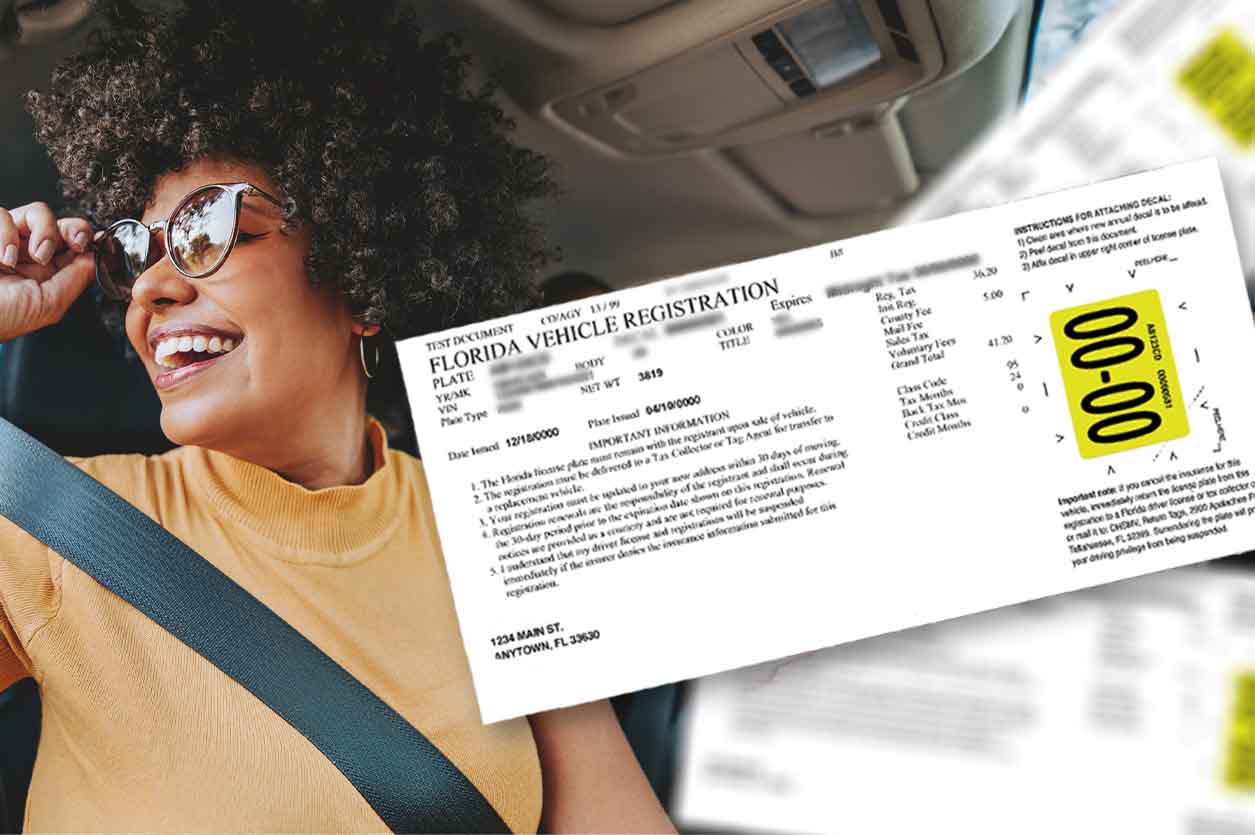
Insurance Requirements and Verification
Florida’s mandatory insurance laws are strict. Your vehicle must have continuous PIP and PDL coverage. When you renew your registration, the DHSMV will electronically verify your insurance status. If your insurance is not current or properly documented, your renewal will be blocked until the issue is resolved. It is essential to maintain a relationship with a reputable insurance provider and ensure they are reporting your coverage accurately to the state. This is a fundamental aspect of responsible car ownership, whether you’re a local enjoying the everyday lifestyle or a tourist on an extended stay.
By understanding these options and considerations, you can confidently navigate the process of renewing your registration in Florida. This ensures that your explorations of the state’s diverse attractions, from the historic sites of St. Petersburg to the natural beauty of the Florida Keys National Marine Sanctuary, are always legal and hassle-free. The Sunshine State offers endless adventures, and staying on top of administrative tasks like registration renewal is a small but significant step in fully enjoying everything it has to offer.
LifeOutOfTheBox is a participant in the Amazon Services LLC Associates Program, an affiliate advertising program designed to provide a means for sites to earn advertising fees by advertising and linking to Amazon.com. Amazon, the Amazon logo, AmazonSupply, and the AmazonSupply logo are trademarks of Amazon.com, Inc. or its affiliates. As an Amazon Associate we earn affiliate commissions from qualifying purchases.