
Embarking on a new venture, especially one centered around the vibrant and ever-evolving world of travel and hospitality, often leads aspiring entrepreneurs to consider establishing a Limited Liability Company (LLC). Florida, with its booming tourism industry and attractive business climate, presents an ideal location for such endeavors. Whether you’re envisioning a chain of boutique hotels in the heart of Miami, planning unforgettable luxury travel experiences across the United States, or curating unique local tourism packages in the charming streets of St. Augustine, forming an LLC is a crucial step towards solidifying your business and protecting your personal assets. This guide will walk you through the essential steps of starting an LLC in Florida, ensuring a smooth and successful launch for your travel or hospitality-focused enterprise.
Understanding the Benefits of an LLC for Your Florida Business
Before diving into the procedural aspects, it’s important to understand why an LLC is often the preferred business structure for many entrepreneurs, particularly in sectors like travel and hospitality. The primary advantage of an LLC is the separation of personal and business liabilities. This means that if your business incurs debt or faces legal action, your personal assets, such as your home or savings, are generally protected. For a business operating in the dynamic tourism sector, where client satisfaction and operational risks are inherent, this protection is invaluable.
An LLC also offers a desirable level of flexibility in terms of management and taxation. Unlike a corporation, an LLC can be managed by its members or by appointed managers. Furthermore, profits and losses can be passed through directly to the members’ personal income without being subject to corporate taxes, avoiding the “double taxation” often associated with C-corporations. This simplified tax structure can be particularly beneficial for smaller businesses or startups in the early stages of growth. Imagine launching a unique resort in the Florida Keys or offering guided tours of the historic St. Augustine Lighthouse & Maritime Museum – an LLC provides a robust framework to manage these operations while safeguarding your personal financial well-being.
The Core Steps to Forming Your Florida LLC
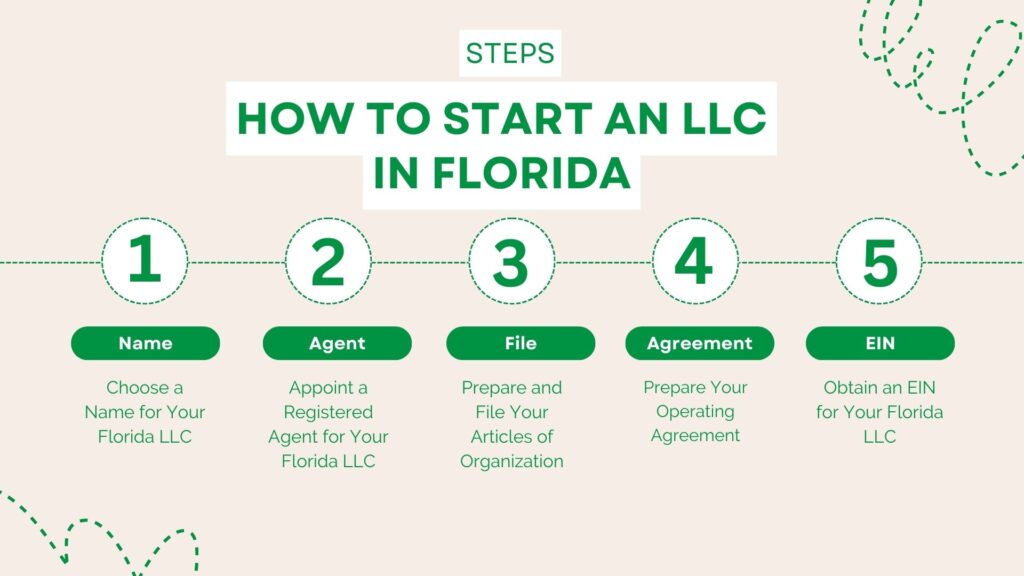
Starting an LLC in Florida involves a series of well-defined steps, each crucial for legal compliance and establishing your business’s foundation. These steps are designed to ensure your business is properly registered with the state and ready to operate legally.
1. Choose a Business Name and Register It
The first, and perhaps most creative, step is selecting a name for your LLC. This name should be unique, memorable, and reflective of your business’s identity, whether it’s a luxury villa rental service in Orlando or a budget travel agency focusing on Europe. Florida law requires that your business name be distinguishable from other registered business names in the state. You can check the availability of your desired name by searching the Florida Department of State’s Sunbiz database.
Once you’ve identified an available name, you’ll need to officially reserve it if you’re not ready to file your formation documents immediately. This reservation is typically valid for a specific period. It’s also advisable to check if the corresponding domain name for your website is available, as a strong online presence is vital for any modern travel or hospitality business. For example, if you plan to offer curated experiences in Naples, securing “NaplesAdventuresLLC.com” could be a strategic move.
2. Appoint a Registered Agent
Every Florida LLC is required to have a registered agent. This individual or company is responsible for receiving official legal and tax documents on behalf of your business. The registered agent must have a physical street address in Florida (not a P.O. Box) and be available during normal business hours to accept service of process. This is a critical role, ensuring that your business stays informed of any legal or administrative matters. You can serve as your own registered agent if you have a physical address in Florida, or you can hire a professional registered agent service. This is particularly important if your business operations extend beyond Florida or if you frequently travel, perhaps scouting new destinations like the Everglades National Park for eco-tourism packages.
3. File the Articles of Organization
The official formation document for a Florida LLC is called the Articles of Organization. This document must be filed with the Florida Department of State. It typically includes essential information such as:
- The name of your LLC.
- The name and address of your registered agent.
- The principal address of your LLC.
- The name and address of each organizer.
- The management structure of the LLC (member-managed or manager-managed).
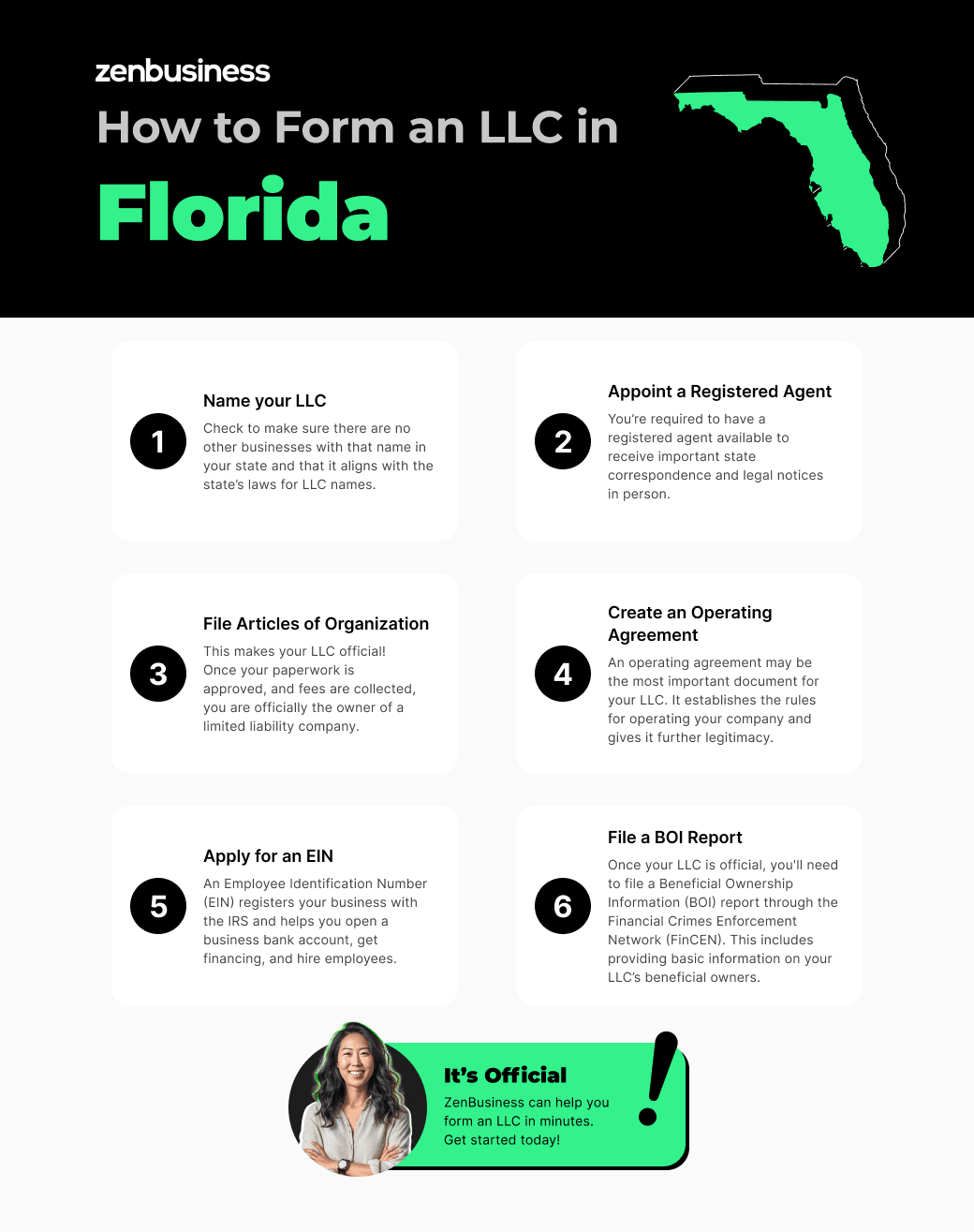
You can file the Articles of Organization online through the Sunbiz website, by mail, or in person. There is a filing fee associated with this process, which varies depending on the current state regulations. Accurate and complete filing is crucial to avoid delays in the approval of your LLC.
4. Create an Operating Agreement
While not legally required by the state of Florida, having an Operating Agreement is highly recommended for all LLCs. This internal document outlines the ownership structure, operational procedures, and management responsibilities of your LLC. It details how profits and losses will be distributed, how members can join or leave the company, and how decisions will be made. A well-drafted Operating Agreement can prevent future disputes among members and provide clarity on your business’s internal governance. For instance, if you and a partner are launching a luxury villa management service in Palm Beach, clearly defining roles and profit-sharing in the Operating Agreement is paramount, especially when considering different lifestyle preferences such as luxury travel versus budget travel.
5. Obtain an Employer Identification Number (EIN)
If your LLC plans to hire employees, operate as a corporation for tax purposes, or file certain tax returns, you will need to obtain an Employer Identification Number (EIN) from the Internal Revenue Service (IRS). This is a unique nine-digit number assigned to business entities operating in the United States. You can apply for an EIN for free on the IRS website. It’s a straightforward process and essential for tax compliance and for opening a business bank account. Even if you don’t immediately plan to hire staff for your planned hotel or resort, having an EIN provides a professional business identity, akin to securing your booking system for a large resort like the Ritz Carlton.
Navigating Ongoing Compliance and Business Operations
Once your LLC is officially formed, there are ongoing responsibilities to ensure your business remains in good standing with the state of Florida and operates smoothly. These include maintaining your registered agent, filing annual reports, and adhering to tax obligations.
Annual Reports and Fees
Florida LLCs are required to file an annual report with the Department of State each year by May 1st. This report helps the state keep its business records up-to-date and confirms that your business is still active and compliant. There is a filing fee associated with the annual report, and failure to file on time can result in the administrative dissolution of your LLC. Keeping track of this deadline is crucial, especially if you’re managing multiple properties or travel packages, perhaps across different regions of Florida like Tampa or the scenic shores of Clearwater Beach.
Business Licenses and Permits
Depending on the specific nature of your travel or hospitality business, you may need to obtain various federal, state, and local licenses and permits. For example, if you are operating a bed and breakfast, managing vacation rentals, or offering guided tours, you might require specific tourism licenses, health permits, or business operating permits from the city or county where your business is located. Researching these requirements thoroughly is essential to avoid any legal issues. This diligence is as important as ensuring every amenity in your proposed hotel suites is top-notch, or that your local culture guides are well-versed in the history of the Vizcaya Museum and Gardens.
Business Bank Account
It is highly recommended to open a separate business bank account for your LLC. This helps maintain the separation between your personal and business finances, which is critical for preserving the limited liability protection that an LLC offers. Using a separate account also simplifies bookkeeping and tax preparation. You will typically need your Articles of Organization and EIN to open a business bank account. This is as fundamental to your business operations as ensuring smooth booking processes for long-term stays in a family trip villa.

Conclusion: Launching Your Florida Travel and Hospitality Venture with Confidence
Forming an LLC in Florida is a foundational step that provides legal protection, operational flexibility, and a professional structure for your travel or hospitality business. By carefully following the steps outlined – from choosing a name and appointing a registered agent to filing your Articles of Organization and considering an Operating Agreement – you can establish a solid foundation for your venture. Remember to stay on top of ongoing compliance requirements like annual reports and necessary licenses and permits. With your LLC in place, you are well-equipped to focus on what you do best: creating unforgettable travel experiences, offering exceptional accommodation, and immersing your clients in the rich tourism and lifestyle opportunities that Florida has to offer, whether it’s the luxury of Boca Raton or the family-friendly attractions of Orlando. Starting an LLC is not just a legal formality; it’s a strategic move that empowers you to build a resilient and successful business in the Sunshine State.
LifeOutOfTheBox is a participant in the Amazon Services LLC Associates Program, an affiliate advertising program designed to provide a means for sites to earn advertising fees by advertising and linking to Amazon.com. Amazon, the Amazon logo, AmazonSupply, and the AmazonSupply logo are trademarks of Amazon.com, Inc. or its affiliates. As an Amazon Associate we earn affiliate commissions from qualifying purchases.