
While the allure of the Sunshine State often conjures images of sun-drenched beaches, vibrant theme parks like Walt Disney World and Universal Orlando Resort, and the bustling nightlife of cities such as Miami and Orlando, Florida also offers a deeply rewarding career path for those who wish to serve their communities: becoming a firefighter. This profession, while demanding, is built on courage, dedication, and a profound commitment to helping others. For many, the journey begins with a clear understanding of the steps involved, from meeting initial requirements to excelling in a rigorous training program. If you’ve ever dreamed of wearing the uniform and being a first responder in the beautiful state of Florida, this guide will illuminate the path.
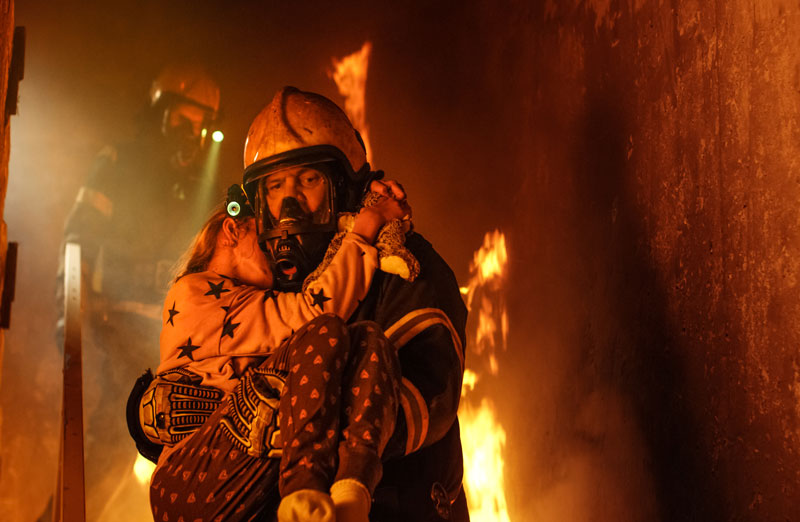
The decision to become a firefighter is a significant one, promising a career of purpose and impact. It’s a role that requires not only physical and mental fortitude but also a genuine desire to protect lives and property. Florida, with its diverse landscapes ranging from the sandy shores of the Florida Keys to the wetlands of the Everglades and the urban centers of Jacksonville and Tampa, presents unique challenges and opportunities for its fire departments. Understanding the process is crucial for aspiring firefighters aiming to join the ranks and contribute to the safety of this dynamic state.
The Foundation: Meeting the Prerequisites for Firefighter Careers in Florida
Before you can even consider applying to a fire academy, there are fundamental requirements that every candidate must meet. These are the gatekeepers to the profession, ensuring that only those with the basic qualifications can move forward. For aspiring firefighters in Florida, these prerequisites are designed to establish a baseline of eligibility, encompassing age, education, and citizenship.
Citizenship and Residency
One of the most straightforward requirements is citizenship. To become a firefighter in Florida, you must be a United States citizen. This is a standard stipulation for most public service roles. In addition to citizenship, many fire departments will also require you to be a legal resident of Florida or the specific county or city you are applying to. This residency requirement helps ensure local commitment and understanding of the community’s needs. While specific duration requirements for residency can vary between departments, it’s a common practice to demonstrate a connection to the area you wish to serve.
Age Requirements
The minimum age to become a firefighter in Florida is typically 18 years old. This aligns with the legal age of majority and ensures that applicants are considered adults capable of undertaking the responsibilities of the role. There isn’t usually a maximum age limit, but physical fitness standards will naturally become a more significant factor as candidates age. It’s important to check with individual fire departments, as some may have specific preferences or requirements that could indirectly influence the age of their recruits.
Education and Certifications
A high school diploma or a GED (General Educational Development) is a non-negotiable requirement for almost all fire departments in Florida. This foundational education signifies a candidate’s ability to comprehend complex instructions, complete coursework, and engage in critical thinking, all of which are vital for firefighter training and on-the-job performance.
Beyond a basic diploma, some departments may prefer or even require additional certifications. While not always mandatory at the initial application stage, having certifications in Emergency Medical Technician (EMT) or Paramedic can significantly boost your application. These certifications demonstrate a level of medical training that is directly applicable to firefighting duties, as medical emergencies often accompany fires. Obtaining an EMT certification, for instance, involves specific training and passing a state-approved exam. This proactive step can make you a more competitive candidate.
Driving Privileges and Criminal Background
A valid Florida driver’s license is essential. Firefighters often operate large vehicles, including fire trucks and emergency response units, and a clean driving record is paramount. Any significant traffic violations or a history of reckless driving can be disqualifying.
Furthermore, fire departments conduct thorough background checks. Applicants generally must have no felony convictions and a clean criminal record. A history of serious misdemeanors may also be grounds for disqualification, as the role demands a high level of trust and integrity. Honesty and transparency during the application process are crucial; any attempt to conceal past issues can lead to immediate rejection.
The Path to Qualification: Training and Testing
Once you’ve met the foundational prerequisites, the next major hurdle is the rigorous training and testing process. This is where you’ll acquire the skills and knowledge necessary to perform the duties of a firefighter effectively and safely. Florida has established standards for firefighter training, ensuring a consistent level of competence across the state.
The Fire Academy Experience
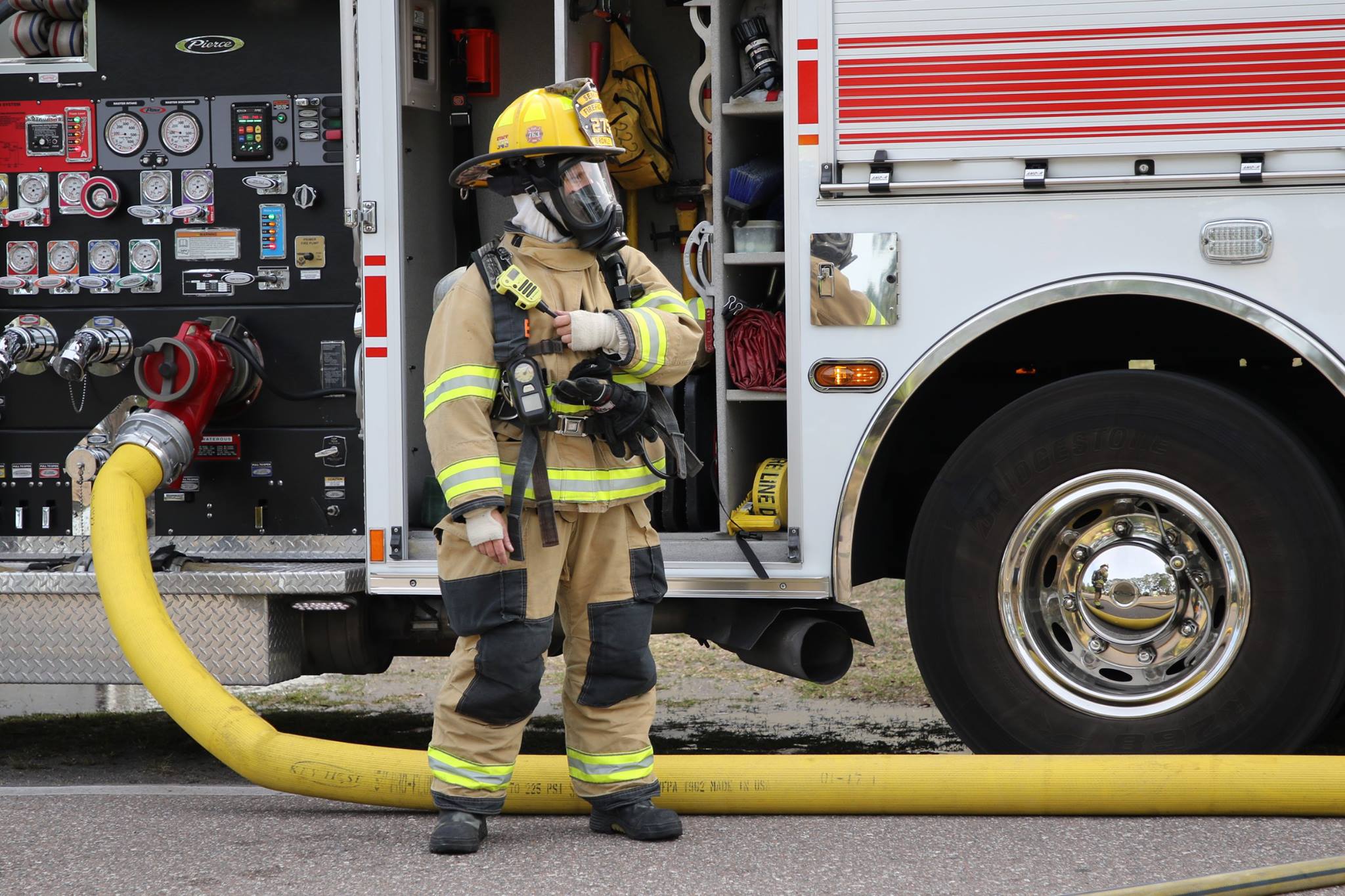
The cornerstone of firefighter training in Florida is the fire academy. These academies are typically accredited and provide comprehensive instruction in a wide range of firefighting disciplines. The curriculum is intense and demanding, designed to prepare recruits for the physical and mental challenges they will face.
Core subjects covered at a fire academy include:
- Fire Suppression Techniques: This encompasses strategies and tactics for extinguishing various types of fires, including structural fires, wildland fires, and vehicle fires. You’ll learn about water application, foam use, and ventilation techniques.
- Emergency Medical Response: As mentioned earlier, medical emergencies are a significant part of a firefighter’s role. Training includes advanced first aid, CPR, and often the skills needed to function as an EMT or Paramedic.
- Hazardous Materials (HazMat) Response: Firefighters are trained to identify, contain, and mitigate incidents involving hazardous materials, such as chemical spills or leaks. This includes understanding protective gear and containment procedures.
- Search and Rescue Operations: Learning techniques for locating and safely extracting individuals from burning structures or other dangerous environments is a critical component.
- Fire Prevention and Safety: This involves understanding fire codes, conducting inspections, and educating the public on fire safety measures.
- Building Construction and Collapse Awareness: Knowledge of how buildings are constructed is vital for understanding fire behavior and predicting collapse points to ensure firefighter safety.
- Physical Fitness and Agility: The academy will push your physical limits. You’ll participate in rigorous training exercises designed to build strength, endurance, and agility, preparing you for the physically demanding nature of firefighting. This often includes obstacle courses, hose lays, and carrying heavy equipment.
The duration of fire academies can vary, but they are typically several months long. Upon successful completion, graduates receive a certificate of completion, which is a prerequisite for seeking employment.
The Firefighter Selection Process
Securing a position with a Florida fire department often involves a multi-stage selection process. Each department has its own specific recruitment and hiring procedures, but common elements include:
- Application Submission: This is the initial step where you submit your resume, certifications, and complete the department’s application form.
- Written Examination: Many departments administer a written test to assess candidates’ aptitude, general knowledge, and ability to comprehend written material. This exam often covers reading comprehension, mathematical reasoning, and situational judgment.
- Physical Agility Test (PAT): This is a critical component designed to simulate the physical demands of the job. The PAT typically involves a series of tasks such as climbing stairs with equipment, carrying heavy objects, dragging hoses, and performing rescues. Success in the PAT demonstrates your physical capability to perform essential job functions.
- Oral Interview Board: Candidates who pass the written and physical tests will usually face an interview panel. This interview assesses your communication skills, problem-solving abilities, motivation, and overall suitability for the role. Questions may be behavioral, situational, or technical in nature.
- Background Investigation: As mentioned earlier, a comprehensive background check is conducted, including a review of your criminal history, driving record, and employment history.
- Medical Examination: A thorough medical evaluation is performed to ensure you meet the physical health standards required for the demanding work of a firefighter. This often includes vision, hearing, and cardiovascular assessments.
- Psychological Evaluation: Some departments may require a psychological evaluation to assess your mental resilience, ability to handle stress, and overall psychological suitability for the profession.
Passing all stages of this selection process is necessary to receive a conditional job offer.
Advancing Your Career: Continuous Learning and Specialization
Becoming a firefighter in Florida is not merely about getting hired; it’s about a commitment to lifelong learning and professional development. The world of emergency services is constantly evolving, with new technologies, techniques, and challenges emerging. To excel and advance, continuous learning and potential specialization are key.
Post-Academy Training and Ongoing Education
Even after graduating from the fire academy, your training doesn’t stop. Newly hired firefighters will typically undergo an probationary period where they receive on-the-job training and further mentoring from experienced colleagues. They will learn the specific protocols, equipment, and operational procedures of their particular department.
Fire departments across Florida often provide opportunities for continuing education and in-service training. This can include refresher courses on basic skills, training on new equipment, and updates on emergency response protocols. Staying current with industry best practices and certifications is vital for maintaining your proficiency and ensuring the safety of both yourself and the public.
Specialization and Promotional Opportunities
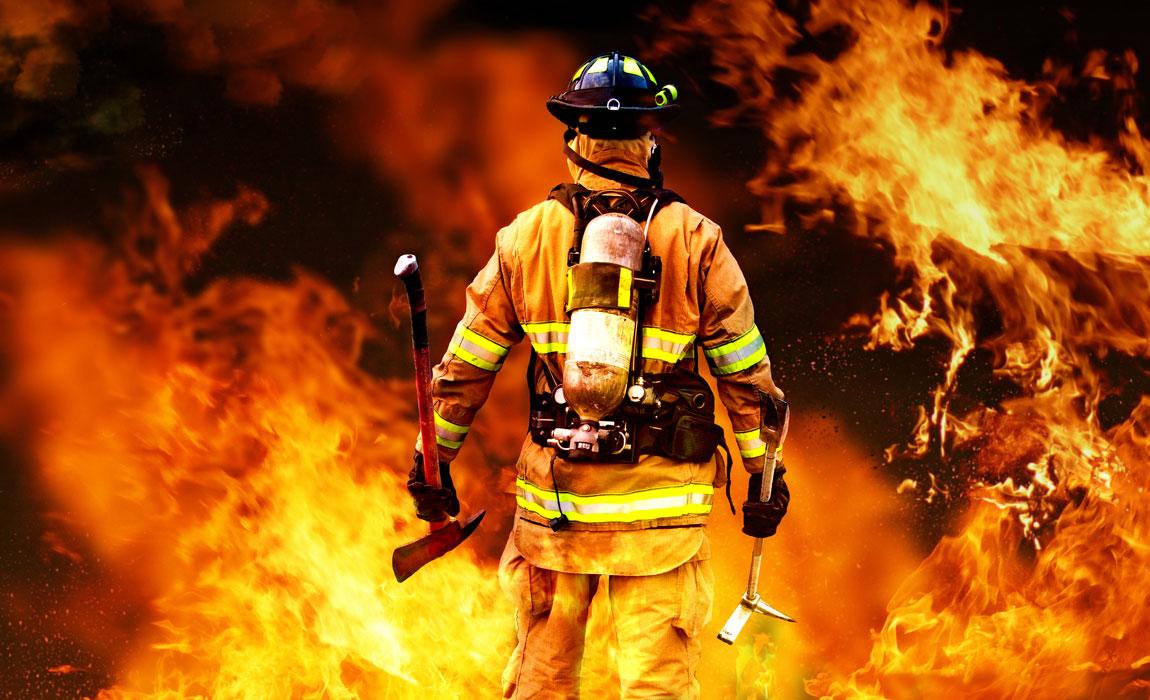
As you gain experience, you may find opportunities to specialize in certain areas of firefighting. These specializations can lead to greater job satisfaction and career advancement. Some common areas of specialization include:
- Arson Investigation: For those with a keen eye for detail and a knack for detective work, becoming an arson investigator can be a rewarding path. This involves working with law enforcement to determine the cause and origin of fires, often requiring specialized training in fire science and investigation techniques.
- Technical Rescue: This involves specialized training in rescuing people from challenging situations, such as confined spaces, high-angle environments, or collapsed structures.
- Marine Firefighting: In coastal cities like Fort Lauderdale or those near major waterways, firefighters may receive specialized training to combat fires on boats or near marine structures.
- Airport Firefighting: Fire departments serving major airports require specific expertise in aircraft rescue and firefighting (ARFF), dealing with the unique challenges of aviation incidents.
- Paramedic/Advanced Medical Care: While basic medical training is standard, becoming a paramedic firefighter offers advanced life support capabilities and is a highly valued specialization.
Promotional opportunities within fire departments often depend on a combination of experience, performance, and additional education or certifications. Firefighters can progress through the ranks, from Probationary Firefighter to Firefighter, Lieutenant, Captain, Battalion Chief, and potentially to higher leadership positions like Fire Chief. Each promotion typically involves taking promotional exams and demonstrating leadership potential.
The career of a firefighter in Florida is a demanding yet incredibly fulfilling one. It requires a strong will, a dedication to service, and a commitment to continuous improvement. By understanding and diligently working through the prerequisites, excelling in the fire academy and selection process, and embracing ongoing learning and potential specialization, you can successfully embark on a career that makes a tangible difference in the lives of Floridians. The allure of serving and protecting is a powerful motivator, and for those with the drive and the heart, the path to becoming a firefighter in the Sunshine State is well within reach.
LifeOutOfTheBox is a participant in the Amazon Services LLC Associates Program, an affiliate advertising program designed to provide a means for sites to earn advertising fees by advertising and linking to Amazon.com. Amazon, the Amazon logo, AmazonSupply, and the AmazonSupply logo are trademarks of Amazon.com, Inc. or its affiliates. As an Amazon Associate we earn affiliate commissions from qualifying purchases.