
Florida, the Sunshine State, is a magnet for travelers worldwide, drawn to its pristine beaches, vibrant cities like Miami and Orlando, and world-class attractions. Whether you’re planning a luxurious stay in a resort in Palm Beach or a budget-friendly family trip to Disney World, understanding local laws is a crucial aspect of responsible tourism. Among the myriad considerations for visitors and residents alike, the legal status of substances like Kratom often raises questions.
Kratom, a botanical substance derived from a tree native to Southeast Asia, has gained considerable attention in recent years for its unique properties and the ongoing debate surrounding its legality and safety. For those exploring Florida’s diverse landscapes and vibrant lifestyle, knowing the specific regulations surrounding Kratom is paramount. This comprehensive guide aims to demystify Kratom’s legal standing in Florida, offering insights for travelers, residents, and anyone interested in understanding this complex issue.
Understanding Kratom: A Brief Overview for Travelers
Before diving into the intricate legal landscape of Florida, it’s essential to understand what Kratom is and why it sparks such debate. This knowledge is not just for compliance but also for making informed personal choices, an integral part of any mindful travel experience.
What Exactly Is Kratom?
Kratom (Mitragyna speciosa) is a tropical evergreen tree in the coffee family, indigenous to Thailand, Malaysia, Indonesia, and Papua New Guinea. For centuries, indigenous communities have used its leaves for traditional medicinal purposes, often chewed fresh or brewed into a tea. The leaves contain psychoactive compounds, primarily mitragynine and 7-hydroxymitragynine, which interact with opioid receptors in the brain.
The effects of Kratom are dose-dependent. At lower doses, it often acts as a stimulant, potentially enhancing alertness, physical energy, and sociability – effects that might be compared to coffee. At higher doses, however, its properties shift, producing more sedative and analgesic (pain-relieving) effects, often described as opioid-like. This dual nature is part of what makes Kratom a subject of both interest and concern. It’s often marketed as a natural supplement for various conditions, including pain management, opioid withdrawal, and mood enhancement, though it’s important to note that the FDA has not approved it for any medical use.
The Federal Stance: A Patchwork of Laws
In the United States, the legal status of Kratom is a complex and evolving issue. Currently, there is no federal ban on Kratom, meaning it is not listed as a controlled substance under federal law. However, this federal inaction has led to a patchwork of laws across states, counties, and municipalities, making it challenging for consumers and particularly for travelers who cross jurisdictional lines.
The Drug Enforcement Administration (DEA) previously considered classifying Kratom as a Schedule I controlled substance – the same category as heroin and LSD – in 2016. This move was met with significant public outcry and scientific pushback, leading the DEA to withdraw its intent to ban. Since then, the conversation has shifted towards potential regulation rather than outright prohibition on a federal level, though no concrete steps have been taken. This leaves the decision-making largely up to individual states and local governments, creating the varying legal landscape that characterizes Kratom in the U.S..
Navigating Florida’s Kratom Landscape
For anyone visiting or residing in the Sunshine State, understanding Florida’s specific approach to Kratom is critical. While the state has generally adopted a more permissive stance compared to some others, local regulations can significantly impact where and how Kratom can be legally accessed and possessed.
The State of Florida’s Approach: Legal for Adults
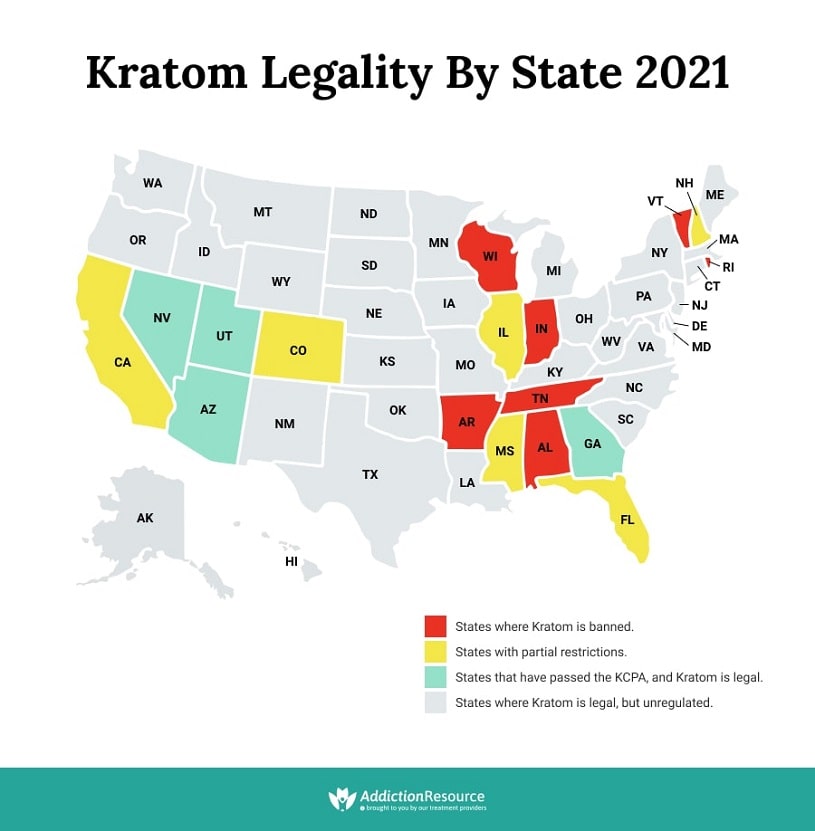
At the state level, Kratom is legal for adults aged 18 and older in Florida. This means that, broadly speaking, adults can legally purchase, possess, and consume Kratom products throughout much of the state. However, this seemingly straightforward legality is tempered by a history of legislative attempts to ban or restrict the substance, and crucially, by varying local ordinances.
Over the years, several bills have been introduced in the Florida Legislature attempting to regulate or prohibit Kratom. For instance, House Bill 107 (HB 107) in 2017 sought to classify Kratom as a Schedule I controlled substance, which would have made it illegal statewide. Similarly, Senate Bill 1182 (SB 1182) in 2019 and Senate Bill 1458 (SB 1458) in 2023 aimed to impose tighter restrictions or an outright ban. All these efforts ultimately failed to pass, reaffirming Kratom’s legal status for adults at the state level. The ongoing legislative activity, however, signals a persistent debate and the potential for future changes, which travelers and residents should monitor.
A County-by-County Guide for Tourists and Locals
Despite Kratom’s general legality across Florida, several counties have enacted their own ordinances, creating a nuanced legal map that is particularly important for travelers to understand. Your ability to legally purchase or possess Kratom can change as you move from one Florida county to another.
Sarasota County and Manatee County: Restrictions for Minors
Two notable counties that have implemented restrictions are Sarasota County and Manatee County. Both counties have passed ordinances that ban the sale and possession of Kratom for minors. While adults aged 18 and over can still legally access Kratom in these areas, these restrictions highlight local concerns about the substance, particularly regarding youth access. For families traveling with teenagers or young adults, this distinction is especially important. Sarasota and Manatee Counties are popular destinations for their beautiful beaches and cultural attractions, so visitors should be mindful of these specific local laws.
Similarly, St. Johns County, home to historic St. Augustine, also restricts the sale and possession of Kratom for minors, mirroring the concerns seen in Sarasota and Manatee.
Miami-Dade and Other Major Tourist Hubs: Generally Legal for Adults
In contrast, many of Florida’s most populous counties and major tourist destinations have maintained Kratom’s legal status for adults 18 and over, without additional local restrictions. These include:
- Miami-Dade County: Encompassing the vibrant city of Miami, a global hub for tourism, culture, and lifestyle.
- Hillsborough County: Home to Tampa, another significant urban center and port city. A proposed ban in Hillsborough County in 2017 ultimately failed, leaving it legal for adults.
- Pinellas County: Known for St. Petersburg and its stunning beaches.
- Orange County: The heart of Florida’s theme park empire, including Orlando and its world-famous attractions.
- Palm Beach County: A destination renowned for its luxury resorts and upscale lifestyle.
- Broward County: Featuring Fort Lauderdale and its canals, beaches, and cultural events.
- Pasco County: Another county where a proposed ban in 2017 did not pass, maintaining legality for adults.
For travelers, this means that while enjoying their stays in hotels or villas in these popular areas, the state-level legality of Kratom generally holds true for adults. However, it is always prudent to check the most current local ordinances, as laws can change.
The Push for Regulation: The Kratom Consumer Protection Act
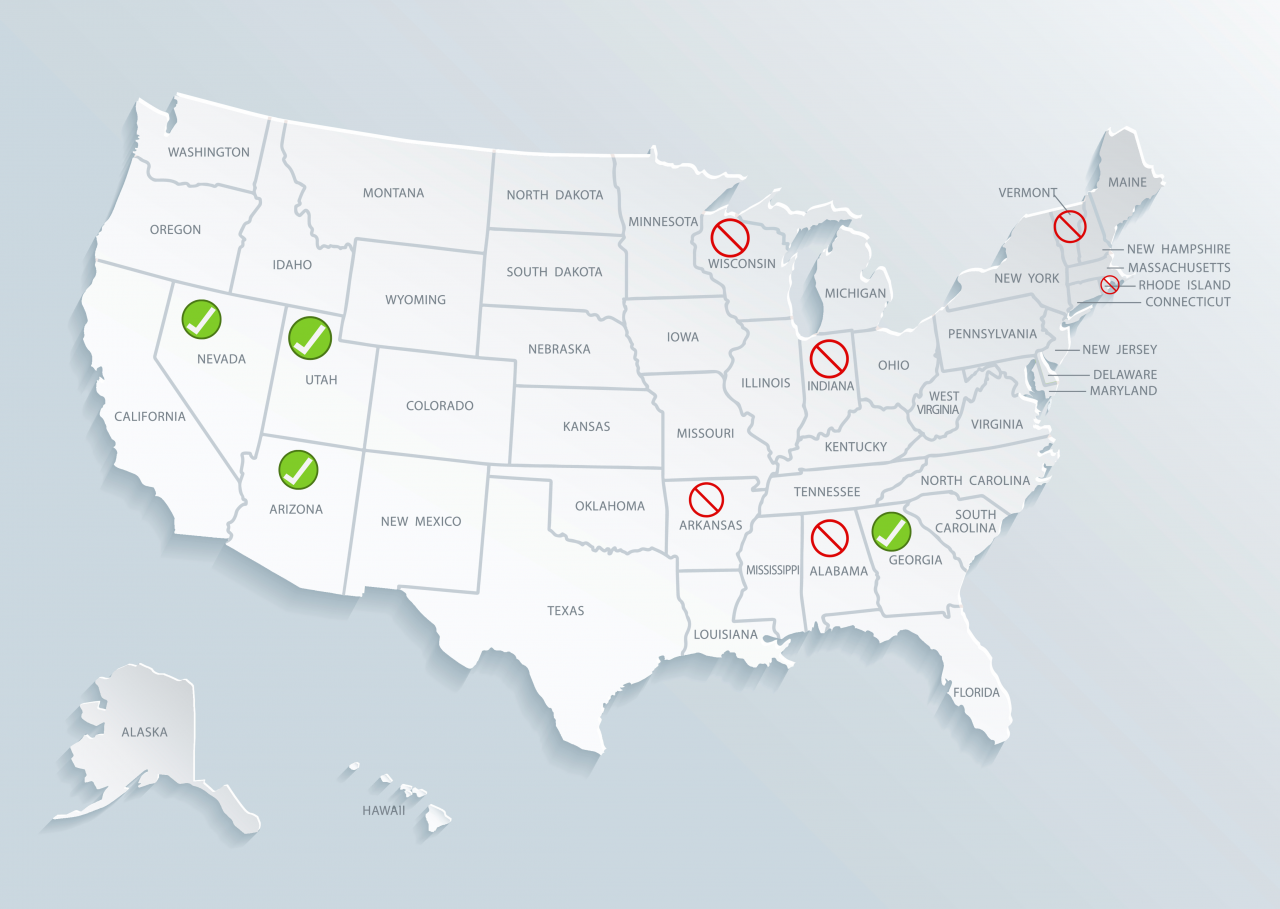
Amidst the varying state and local laws, there’s a significant movement to introduce uniform standards and protections for Kratom consumers. The Kratom Consumer Protection Act (KCPA) is a model bill that has been adopted by several states, though not yet Florida.
The KCPA aims to address many of the public health concerns surrounding Kratom by proposing:
- Age restrictions: Typically setting a minimum age of 18 or 21 for purchase.
- Labeling requirements: Mandating accurate product labeling, including ingredients and warnings.
- Testing and purity standards: Requiring products to be tested for contaminants, heavy metals, and consistent alkaloid content.
- Prohibition of adulterated products: Banning products containing synthetic Kratom or other harmful substances.
Proponents argue that passing the KCPA in Florida would not only protect consumers from potentially unsafe or mislabeled products but also provide a clear, consistent legal framework. This would replace the current patchwork of laws and potentially prevent future outright bans, offering more clarity for both vendors and consumers, including travelers passing through. While the KCPA has been introduced in Florida multiple times, it has yet to be enacted. Its potential passage remains a key point of discussion for the future of Kratom in the state.
Practical Considerations for Visitors to Florida
For any traveler or resident considering Kratom in Florida, beyond just the legalities, there are crucial practical considerations related to safety, quality, and personal responsibility. These are important facets of a mindful and healthy lifestyle, especially when away from home.
Staying Informed: Your Travel Imperative
The most significant takeaway for anyone asking “Is Kratom legal in Florida?” is the imperative to stay informed. Given the dynamic nature of Kratom laws and the county-specific variations, what is legal in one part of your Florida vacation might not be in another.
- Before you go: If you plan to use Kratom during your trip, research the specific county or city you will be visiting. Don’t rely solely on statewide information.
- Check local ordinances: Many county and city websites provide access to their local laws. A quick search for “Kratom ordinance + county name” can yield up-to-date information.
- Be cautious with purchases: When purchasing Kratom in unfamiliar territory, always ensure you are doing so from reputable vendors who adhere to any existing local regulations.
For families, especially those with young adults, understanding age restrictions in places like Sarasota or Manatee Counties is essential to avoid legal issues that could significantly disrupt a planned trip or accommodation stay.
Quality, Safety, and Responsible Choices
Beyond legality, the unregulated nature of Kratom at the federal and, largely, state levels in Florida presents significant safety concerns. The lack of standardized manufacturing, labeling, and testing means that product quality can vary wildly.
- Quality Control Issues: Without FDA oversight or robust state-level regulation (like the KCPA), products sold as Kratom may contain undisclosed ingredients, contaminants (e.g., heavy metals, bacteria), or inconsistent concentrations of active compounds. This makes accurate dosing challenging and increases the risk of adverse effects.
- Potential for Adulteration: Some products marketed as Kratom have been found to be adulterated with other substances, including synthetic opioids, which can be extremely dangerous.
- Health Risks: While many users report positive experiences, Kratom is not without risks. Potential side effects include nausea, constipation, dizziness, and lethargy. At higher doses or with prolonged use, there’s a risk of dependence and withdrawal symptoms, similar to opioids. Interactions with other medications or substances are also a concern.
- Lack of Medical Approval: It bears repeating that the FDA has not approved Kratom for any medical use, and significant scientific research is still needed to fully understand its long-term effects and safety profile.
For any traveler or resident, making responsible choices regarding Kratom involves being aware of these risks. Prioritizing health and safety, especially when enjoying a vacation or new experience in Florida, should always be paramount. If you are considering Kratom for any health-related purpose, consulting with a healthcare professional is always advisable.
The Evolving Future of Kratom in the Sunshine State
The story of Kratom in Florida is far from over. The ongoing debate, fueled by public health concerns on one side and advocates for personal liberty and access to alternative remedies on the other, ensures that its legal status will continue to be a topic of discussion. The legislative attempts to ban Kratom or enact the Kratom Consumer Protection Act demonstrate that the current “legal for adults 18+” status is subject to change.
Future developments could include:
- Statewide KCPA Implementation: This would bring much-needed consistency, quality standards, and consumer protections across Florida, potentially mitigating some of the safety concerns and reducing the current county-by-county confusion.
- Renewed Calls for Bans: As research evolves and public perception shifts, there may be renewed efforts to ban Kratom at either the state or federal level.
- Federal Regulation: While slow, federal action could eventually supersede state laws, creating a uniform approach across the United States.
For travelers and residents of Florida, staying abreast of these potential changes is part of being a responsible citizen and a savvy traveler. Subscribing to updates from reputable advocacy groups, legislative news outlets, or public health organizations can help ensure you have the most current information.
In conclusion, while Kratom is generally legal for adults 18 and over across the state of Florida, the specific nuances of local ordinances – particularly those restricting sales to minors in counties like Sarasota, Manatee, and St. Johns – underscore the importance of due diligence. Whether you’re exploring Florida’s iconic landmarks, enjoying its vibrant tourism, or simply living your lifestyle in the Sunshine State, an informed approach to Kratom ensures both compliance with the law and personal safety.
LifeOutOfTheBox is a participant in the Amazon Services LLC Associates Program, an affiliate advertising program designed to provide a means for sites to earn advertising fees by advertising and linking to Amazon.com. Amazon, the Amazon logo, AmazonSupply, and the AmazonSupply logo are trademarks of Amazon.com, Inc. or its affiliates. As an Amazon Associate we earn affiliate commissions from qualifying purchases.