
Florida, the beloved Sunshine State, beckons millions of travelers each year with its pristine beaches, vibrant cities like Miami and Orlando, and world-renowned attractions such as Walt Disney World Resort and Universal Studios Florida. From the historic charm of St. Augustine to the subtropical wilderness of Everglades National Park and the laid-back allure of the Florida Keys, the state offers an unparalleled array of experiences for every type of visitor. Whether you’re planning a luxurious escape to a Miami Beach resort, a family adventure, or a quiet retreat to a charming Key West guesthouse, understanding local laws is paramount to ensuring a smooth and enjoyable trip. Among the most frequently asked questions by both prospective residents and tourists is one that often stirs confusion: “Is recreational marijuana legal in Florida?”
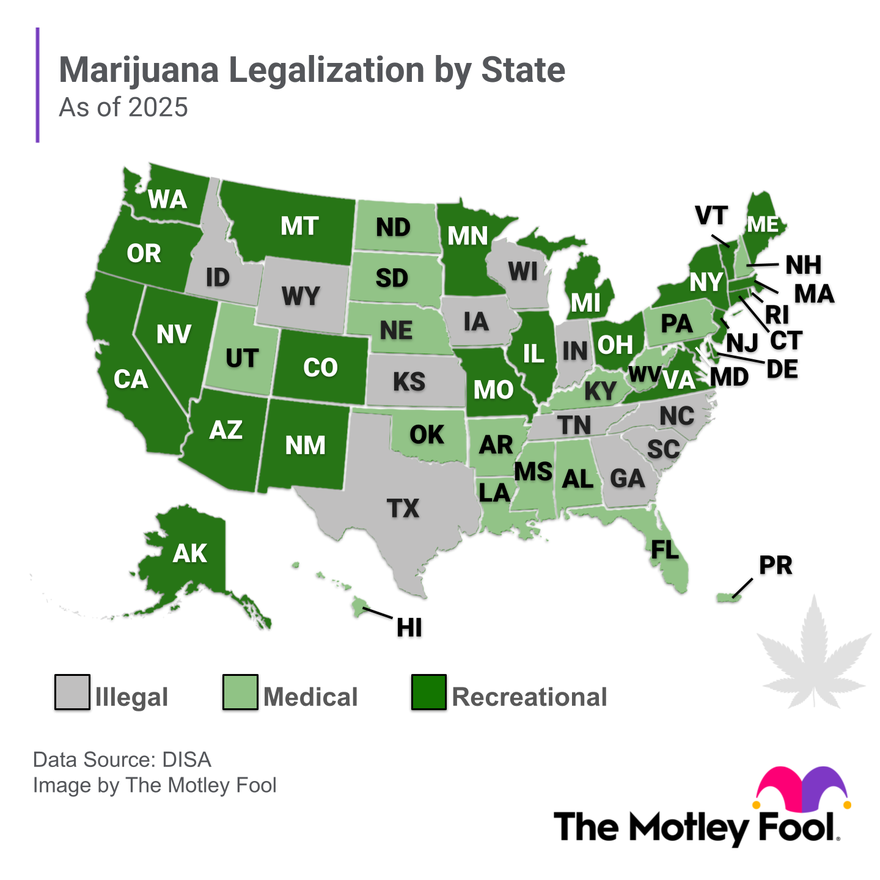
The simple, yet nuanced, answer is no, not yet. While the landscape of cannabis legislation is rapidly evolving across the United States, Florida currently maintains a strict stance against the recreational use of marijuana. However, this definitive “no” comes with a significant caveat: medical marijuana has been legal and widely accessible for qualifying patients since 2016. This distinction is crucial for anyone living in or visiting the state, as the penalties for recreational use remain substantial, even as the possibility of future legalization looms large. Navigating this legal framework requires careful attention to detail, particularly for travelers accustomed to more liberal cannabis laws in other jurisdictions. This article delves into the current legal status, the thriving medical marijuana program, potential future changes, and essential tips for travelers to ensure compliance and peace of mind during their Florida adventure.

The Current Legal Landscape in Florida: A Nuanced Perspective
To truly understand cannabis laws in Florida, it’s essential to differentiate between recreational and medical use. The state has adopted a two-tiered system that, while progressive in its medical approach, remains conservative regarding adult-use cannabis.
Recreational Marijuana: The Clear “No” (For Now)
Despite common misconceptions fueled by national trends, the recreational use of marijuana in Florida remains illegal. This means that possession, cultivation, sale, or distribution of cannabis for non-medical purposes is strictly prohibited and carries significant legal consequences. The state’s laws are clear:
- Possession of 20 grams or less: This is typically classified as a misdemeanor offense, punishable by up to one year in jail and a fine of up to $1,000. While some local jurisdictions have implemented “cite and release” policies or reduced penalties for minor possession, the statewide law remains firm.
- Possession of more than 20 grams: This escalates to a felony offense, carrying a potential prison sentence of up to five years and a fine of up to $5,000.
- Sale or Intent to Sell: Depending on the amount, selling marijuana can result in felony charges with severe penalties, including lengthy prison sentences and substantial fines.
- Cultivation: Growing cannabis plants without proper authorization is also a felony, with penalties varying based on the number of plants.
These strict laws apply equally to residents and visitors. Therefore, travelers coming from states where recreational marijuana is legal should be particularly mindful that those laws do not extend to Florida. Ignorance of the law is not a valid defense, and legal repercussions can significantly disrupt travel plans and lead to lasting difficulties.
Medical Marijuana: A Different Story
In stark contrast to its stance on recreational cannabis, Florida has a robust and well-established medical marijuana program. In 2016, voters overwhelmingly approved Amendment 2, expanding the existing, more limited medical cannabis program established in 2014. This constitutional amendment paved the way for the Florida Medical Marijuana Program, allowing qualified patients with specific debilitating conditions to obtain and use cannabis products for therapeutic purposes.
The program is overseen by the Office of Medical Marijuana Use (OMMU), a division of the Florida Department of Health. It enables patients to access a wide range of cannabis products, including oils, edibles, tinctures, vapes, and flower, from state-licensed Medical Marijuana Treatment Centers (MMTCs), commonly known as dispensaries. This distinction is critical for understanding the legal landscape: medical cannabis is permitted, regulated, and available, while recreational cannabis remains fully illegal.
Navigating Florida’s Medical Marijuana Program as a Visitor or Resident
For individuals seeking therapeutic relief, Florida’s medical marijuana program offers a structured pathway to access cannabis. However, it comes with specific requirements and guidelines that both residents and prospective patients need to understand.
Who Qualifies and How to Obtain a Card
To become a qualified patient in Florida, an individual must meet several criteria:
- Residency: The patient must be a permanent or seasonal resident of Florida. Permanent residents must provide a Florida ID or other proof of residency. Seasonal residents, who reside in Florida for at least 31 consecutive days each calendar year and maintain a temporary residence, can also qualify by providing two forms of proof of residency. This residency requirement is one of the primary hurdles for casual tourists hoping to use the program.
- Qualifying Medical Condition: Patients must be diagnosed with at least one of the conditions specified in the law. These include cancer, epilepsy, glaucoma, HIV/AIDS, PTSD, ALS, Crohn’s disease, Parkinson’s disease, multiple sclerosis, or other debilitating medical conditions of the same kind or class as those listed. A physician may also recommend medical marijuana for chronic non-malignant pain caused by a qualifying medical condition or that originates from a qualifying medical condition.
- Physician Certification: A qualified Florida-licensed physician must examine the patient and diagnose them with a qualifying condition. The physician must then determine that the use of medical marijuana would likely outweigh the potential health risks for the patient. This involves establishing a treatment plan and certifying the patient in the Medical Marijuana Use Registry.
- Application and Approval: After receiving a physician’s certification, the patient must apply to the OMMU for a Medical Marijuana Use Registry Card. This application includes submitting required documentation and a fee. Once approved, the patient receives an identification card, which must be presented at dispensaries to purchase products.

The process typically involves an initial consultation, follow-up appointments, and renewal every 7 months for the physician’s certification and annually for the patient card.
Where to Purchase: Licensed Dispensaries
Medical marijuana products in Florida can only be legally purchased from state-licensed Medical Marijuana Treatment Centers (MMTCs), also known as dispensaries. These facilities are regulated by the OMMU and are the only authorized points of sale for cannabis products to registered patients. It is illegal to purchase cannabis from unlicensed sources, including individuals or unauthorized vendors.
Florida’s dispensaries are widespread across the state, from major metropolitan areas to smaller towns, ensuring accessibility for registered patients. They offer a diverse range of products, including various strains of cannabis flower, concentrates, edibles, tinctures, topicals, and vaporizers, all tested for potency and purity. The staff at these dispensaries are typically knowledgeable and can guide patients through product selection based on their physician’s recommendations and personal needs.
Understanding Possession Limits and Usage Guidelines
Even with a medical marijuana card, there are strict rules regarding possession limits and usage:
- Possession Limits: The OMMU sets specific limits on the amount of cannabis a patient can possess. These limits are typically for a 70-day supply for non-smokable forms and a 35-day supply for smokable flower. The exact amounts vary based on the physician’s recommendation and the type of product.
- Public Consumption: Smoking medical cannabis in public places is prohibited. This includes public parks, beaches, workplaces, and federal property. While other forms like edibles or tinctures might be more discreet, it’s advisable to consume all medical cannabis products in private residences or other locations where public consumption is explicitly permitted (which are rare).
- Transporting Cannabis: When transporting medical cannabis, it should be kept in its original packaging from the dispensary and out of reach of the driver, ideally in the trunk or a locked glove compartment.
- Federal Law: It is crucial to remember that marijuana remains illegal under federal law. This has significant implications, particularly when traveling. Carrying medical cannabis across state lines, even to another state where it is legal, is a federal offense. Similarly, bringing cannabis to airports, which are subject to federal jurisdiction, even for domestic flights within Florida, carries risks of federal prosecution.
The Road Ahead: Potential Changes and Future of Cannabis in the Sunshine State
The cannabis landscape in Florida is not static. A significant development is on the horizon that could dramatically alter the state’s approach to marijuana: a ballot initiative aimed at legalizing recreational use.
The 2024 Ballot Initiative: A Glimmer of Change?
In a move that could be a game-changer for Florida, a proposed constitutional amendment, spearheaded by the Smart & Safe Florida campaign, has successfully qualified for the ballot in November 2024. This initiative, officially known as Amendment 3, seeks to legalize recreational marijuana for adults aged 21 and older.
If approved by 60% of voters, Amendment 3 would allow existing Medical Marijuana Treatment Centers (MMTCs) to sell cannabis products to adults for recreational use. It also permits the Legislature to authorize additional entities to cultivate, process, and sell cannabis products. The proposal maintains restrictions on public consumption and allows employers to establish drug-free workplace policies.
The lead-up to the November 2024 vote is expected to be a period of intense debate and campaigning. Proponents highlight potential benefits such as increased state tax revenue, the creation of new jobs, and the right for adults to make personal choices. Opponents often raise concerns about public health, safety, and potential societal impacts. The outcome of this vote will be pivotal in shaping Florida’s future cannabis policy.
Economic and Tourism Implications of Potential Legalization
Should Amendment 3 pass, the economic and tourism landscape of Florida could undergo a significant transformation. Given Florida’s status as a top tourist destination, the legalization of recreational marijuana could introduce a new dimension to its appeal.
- New Revenue Streams: A regulated recreational market would likely generate substantial tax revenue for the state, which could be allocated to public services, infrastructure, or education. This financial boost could be significant, mirroring the experiences of other states that have legalized cannabis.
- Cannabis Tourism: Florida could become a destination for “cannabis tourism,” attracting visitors interested in exploring a new aspect of the state’s lifestyle. This could lead to the emergence of specialized cannabis-friendly accommodations, tours, and experiences, similar to wine tourism in other regions. Hotels and resorts might need to adapt their policies regarding consumption on their properties, potentially creating designated areas or catering to specific markets.
- Impact on Hospitality and Local Businesses: The expansion of the cannabis industry would create numerous job opportunities in cultivation, processing, distribution, and retail. It could also indirectly benefit other sectors, such as transportation, security, and marketing. Restaurants and entertainment venues might see changes in consumer behavior, potentially leading to new trends in food and beverage offerings.
- Challenges and Regulations: Legalization would also bring challenges, requiring comprehensive regulatory frameworks to manage sales, public safety, packaging, and advertising. The state would need to balance promoting a new industry with protecting public health and preventing underage access. The tourism sector, from major attractions to boutique hotels, would need clear guidelines on how to navigate the new laws to maintain a positive and safe environment for all visitors.
The potential for Florida to join the growing list of states with legal recreational cannabis is a hotly debated topic, with significant implications for its economy, culture, and image as a premier travel destination.
Travel Smart: What Visitors to Florida Need to Know
For those planning a trip to the Sunshine State, understanding and respecting Florida’s current cannabis laws is paramount to a hassle-free vacation.
Respecting the Law: A Priority for All Travelers
Until and unless Amendment 3 passes and is fully implemented, the recreational use of marijuana remains illegal in Florida. This is the most critical piece of information for any visitor. Do not assume that because cannabis is legal in your home state or country, it is permitted here.
- No Cross-State Transport: Never attempt to bring cannabis across state lines into Florida, even if you have a medical card from another state. This is a federal offense with severe penalties.
- Federal vs. State Law: Remember that airports and national parks, like Everglades National Park, are under federal jurisdiction, where marijuana is entirely illegal, regardless of state laws. Transportation Security Administration (TSA) agents, while primarily looking for security threats, are mandated to report discovered illicit substances to law enforcement.
- Public Consumption: Even if you are a qualified medical marijuana patient in Florida, public consumption (especially smoking) is prohibited. Be discreet and only consume in private, permissible locations.
Avoiding Pitfalls: Key Considerations for Tourists
To ensure your Florida trip focuses on sun, sand, and attractions rather than legal troubles, keep these points in mind:
- Hotels and Accommodation: Most hotels, resorts, and vacation rentals in Florida have strict no-smoking policies, which often extend to vaping, particularly of cannabis. Always check the accommodation’s specific rules. Using cannabis products in a non-smoking room can lead to significant cleaning fees and potential eviction. When booking accommodation, consider options that explicitly state their policies regarding cannabis if you are a medical patient.
- Theme Parks and Attractions: World-famous attractions like Walt Disney World Resort and Universal Studios Florida have zero-tolerance policies for illegal substances. Attempting to bring cannabis into these parks will result in immediate removal and potential legal action. Even if recreational cannabis were to become legal, these private establishments would likely retain their right to prohibit it on their premises.
- Driving Under the Influence: Driving under the influence of marijuana, regardless of its legal status, is illegal and dangerous. Florida has strict DUI laws, and penalties are severe, including fines, license suspension, and jail time.
- Children and Minors: Strict laws are in place to protect minors. Providing cannabis to anyone under 21 (or 18 for medical patients without a caregiver) is a serious offense.
In conclusion, while Florida boasts a comprehensive medical marijuana program, recreational cannabis remains illegal with significant penalties. For travelers and residents alike, understanding and adhering to these laws is crucial for a safe and enjoyable experience in the Sunshine State. With a significant ballot initiative on the horizon in November 2024, the future of recreational marijuana in Florida could soon change, potentially opening up new avenues for tourism and lifestyle. Until then, vigilance and compliance are your best guides.
LifeOutOfTheBox is a participant in the Amazon Services LLC Associates Program, an affiliate advertising program designed to provide a means for sites to earn advertising fees by advertising and linking to Amazon.com. Amazon, the Amazon logo, AmazonSupply, and the AmazonSupply logo are trademarks of Amazon.com, Inc. or its affiliates. As an Amazon Associate we earn affiliate commissions from qualifying purchases.