
The allure of the Florida Keys is undeniable, a string of tropical islands stretching southwest from the mainland, culminating in the vibrant and eclectic paradise of Key West. For many planning a Florida vacation, a journey from the bustling metropolis of Miami to the southernmost point of the continental United States is a quintessential part of the experience. This exploration delves into the distance between these two iconic destinations, the various ways to bridge that gap, and what makes the journey itself a significant part of the adventure.
The Direct Distance: Understanding the Miles
The most straightforward answer to “How far is Key West, Florida from Miami?” lies in the road distance. Driving from Miami to Key West spans approximately 160 miles. This figure, however, only tells a fraction of the story. The true magic of this journey isn’t just the mileage but the experience of traversing the legendary Overseas Highway.
Navigating the Overseas Highway: A Scenic Masterpiece
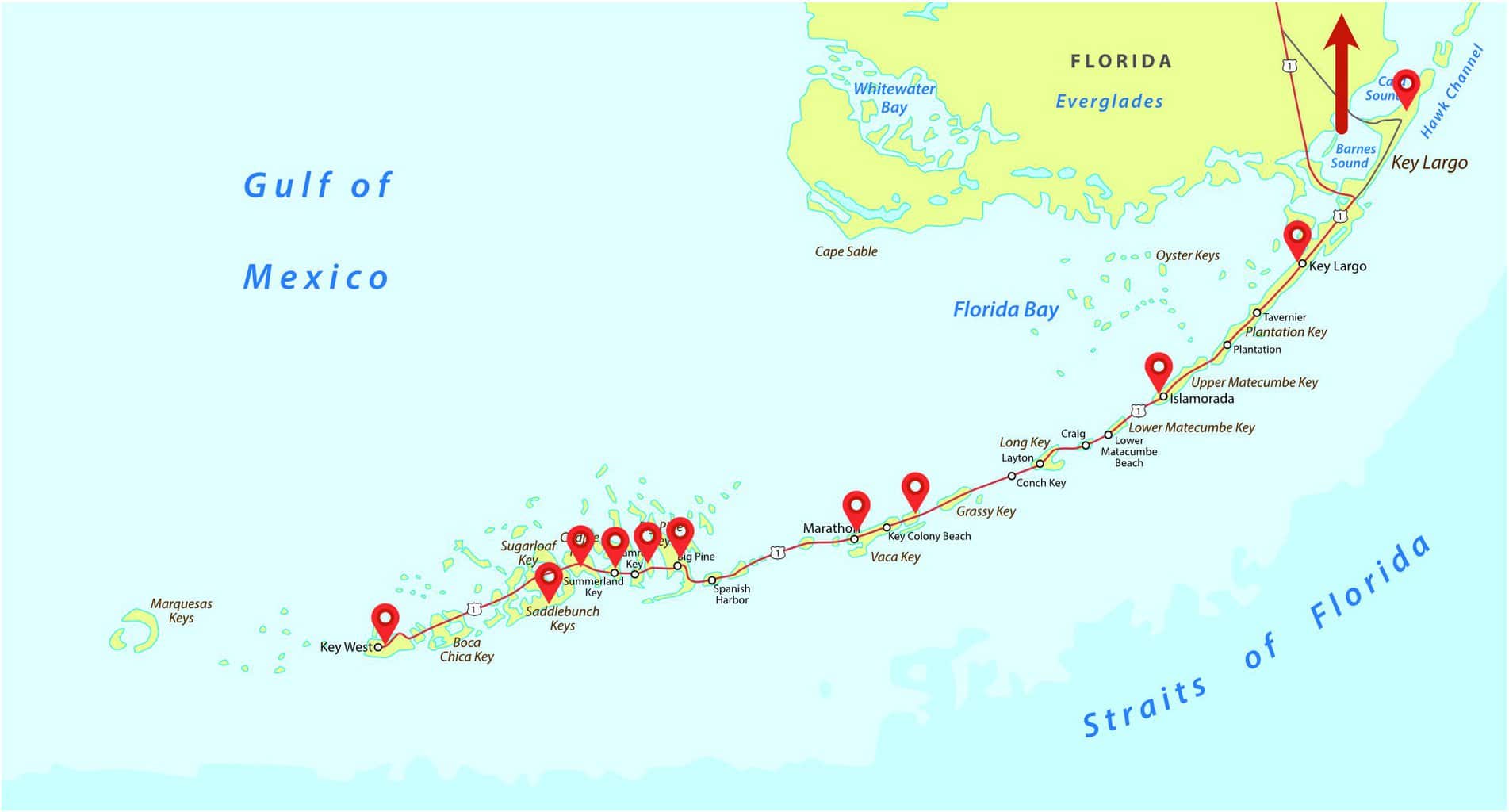
The Overseas Highway, also known as U.S. Route 1, is the backbone of any drive from Miami to Key West. This engineering marvel is a testament to human ingenuity, built largely on the foundations of the original Overseas Railroad, which was a victim of the devastating Labor Day Hurricane of 1935. Today, the highway consists of 42 bridges, including the iconic Seven Mile Bridge, connecting the islands in a breathtaking procession over the turquoise waters of the Atlantic Ocean and the Gulf of Mexico.
The 160 miles are not a monotonous stretch of asphalt. Instead, the drive transforms into a dynamic exploration of marine beauty, charming island towns, and ever-changing vistas. As you depart Miami, the landscape gradually shifts from urban sprawl to a more relaxed, coastal atmosphere. The initial part of the journey takes you through mainland Florida, but soon, you’ll be crossing the first of many bridges, marking your entry into the unique ecosystem of the Keys.
The average speed limit along the Overseas Highway is generally around 55 mph, with some sections being slower due to residential areas or bridge crossings. This means that the drive itself, without significant stops, typically takes between 3.5 to 4 hours. However, very few travelers opt for a direct, uninterrupted journey. The Keys are designed to be savored, with countless opportunities to pull over, admire the scenery, and explore the unique character of each island.
Understanding the Time Factor
While the mileage is fixed, the time it takes to complete the journey can vary significantly. Factors influencing the travel time include:
- Traffic: Miami traffic, especially during peak hours or on weekends, can add substantial time to the beginning of your journey. Similarly, popular entry points to the Keys can experience congestion.
- Road Conditions: While generally well-maintained, occasional construction or weather-related delays can occur.
- Stops: This is where the real variability comes in. Many visitors choose to break up the drive by stopping at various points of interest along the way. From charming seafood shacks to unique attractions, the Keys offer a multitude of distractions that can easily extend a 4-hour drive into an all-day adventure.
The Journey Itself: More Than Just a Drive
The trip from Miami to Key West is more than just a means to an end; it’s an integral part of the Florida Keys experience. The Overseas Highway offers a constantly evolving panorama of natural beauty and coastal charm, making the journey as memorable as the destination.
Exploring the Keys Along the Way
The 160 miles are peppered with opportunities to discover the distinct personality of each island. As you head south, you’ll pass through:
- Key Largo: The “Dive Capital of the World” and the northernmost island of the chain. It’s home to John Pennekamp Coral Reef State Park, a premier destination for snorkeling and diving, offering a glimpse into vibrant underwater ecosystems.
- Islamorada: Known as the “Fishing Capital of the World,” Islamorada offers fantastic opportunities for anglers and a laid-back, tropical ambiance. Here, you can visit the Theater of the Sea, an aquatic animal attraction, or learn about the history of the Keys at the Keys History & Discovery Center.
- Marathon: Situated in the middle of the Keys, Marathon is a great spot for families. It’s home to the Dolphin Research Center, where you can learn about and interact with dolphins, and the Pigeon Key Foundation, offering historical tours of this charming offshore island.
- Big Pine Key: Famous for its endangered Key deer, Big Pine Key offers a more natural and less developed feel. Exploring the National Key Deer Refuge is a must for wildlife enthusiasts.
Each of these stops, and many more in between, offers unique attractions, local food experiences, and opportunities to immerse yourself in the laid-back island lifestyle. Deciding to stop adds a layer of tourism richness to your travel, transforming a simple drive into an exploration.
The Iconic Bridges: Engineering Marvels and Scenic Overlooks

The bridges are undoubtedly the stars of the Overseas Highway. The most famous among them is the Seven Mile Bridge. This impressive structure, composed of two parallel bridges – one for vehicular traffic and the older, historic bridge – offers breathtaking views of the surrounding water and a profound sense of being suspended between the sky and the sea. Pulling over at designated overlooks near the bridges provides unparalleled photographic opportunities and a moment to truly appreciate the scale of the undertaking.
The journey across these bridges is an experience in itself. The vibrant blue and green hues of the water beneath, the distant horizons, and the feeling of moving from one island paradise to the next create a sense of freedom and adventure. For those seeking luxury travel, the views from these bridges are a prelude to the indulgent experiences that await in Key West.
Travel Options: Beyond the Road
While driving is the most popular way to travel from Miami to Key West, it’s not the only option. Depending on your preferences for budget travel, family trips, or simply the desire for a different experience, you might consider alternatives.
Driving Your Own Vehicle or Rental Car
This offers the most flexibility. You can depart from Miami at your convenience, set your own pace, and stop wherever and whenever you please. It’s ideal for those who want to explore the Keys at their leisure, making spontaneous detours to discover hidden gems. The ability to pack and unpack as needed also makes it a convenient choice for those with luggage or specific needs for their accommodation.
When renting a car in Miami, ensure you factor in the round-trip rental costs and consider gas prices, which can sometimes be higher in the Keys. For a long-term stay or extensive exploration, this option often proves to be the most economical and practical.
Bus Services and Shuttles
Several bus and shuttle services operate between Miami and Key West. These can be a more budget travel-friendly option, especially for solo travelers or couples who prefer not to drive. Companies like Greyhound and various private shuttle operators offer daily departures.
The advantage here is that you can relax and enjoy the scenery without the stress of driving or navigating. The journey will still take around 4 hours, and while stops might be limited to scheduled rest breaks, it provides a convenient way to reach your destination. This is a good choice for those who have booked their hotels in Key West and are looking for straightforward transportation.
Flying to Key West
While there isn’t a direct flight from Miami to Key West that bypasses the drive entirely, you can fly from Miami International Airport to Key West International Airport. This option is the fastest in terms of pure travel time, with flights typically lasting around an hour.
However, when you factor in travel to and from airports, security checks, and potential delays, the overall time might not be drastically shorter than driving directly. Furthermore, flying is generally the most expensive option. This is usually chosen by travelers who are short on time and prioritize speed over the scenic journey. Upon arrival, you would still need transportation from the airport to your resort or villa.
Ferries and Other Water Transport
Historically, ferries have been a popular way to travel between the Keys. While less common now for the Miami to Key West route, there are still some limited ferry services, particularly connecting some of the islands or offering scenic excursions. It’s always worth checking current schedules and availability if you’re looking for a unique maritime experience. However, for the primary journey from Miami, land-based transport remains the dominant choice.

Arrival in Key West: The Ultimate Reward
No matter how you choose to make the journey, arriving in Key West is an experience that justifies the travel. The island’s unique blend of history, art, local culture, and vibrant nightlife offers something for every type of traveler. From the iconic Duval Street with its bustling bars and shops to the historic Ernest Hemingway Home and Museum, and the stunning sunsets at Mallory Square, Key West is a destination that captivates and enchants.
The distance of 160 miles from Miami is not merely a measurement; it’s an invitation to explore, to discover, and to immerse yourself in the unparalleled beauty and spirit of the Florida Keys. Whether you’re seeking a luxury travel experience in a secluded suite, a family-friendly adventure, or a solo exploration of famous places, the journey to Key West promises memories that will last a lifetime.
LifeOutOfTheBox is a participant in the Amazon Services LLC Associates Program, an affiliate advertising program designed to provide a means for sites to earn advertising fees by advertising and linking to Amazon.com. Amazon, the Amazon logo, AmazonSupply, and the AmazonSupply logo are trademarks of Amazon.com, Inc. or its affiliates. As an Amazon Associate we earn affiliate commissions from qualifying purchases.