
Florida, often hailed as the “Sunshine State,” is a premier travel destination for a reason. Its allure lies not only in its world-renowned theme parks, pristine beaches, and vibrant cultural tapestry but also, crucially, in its generally pleasant climate. Understanding the weather patterns across this diverse peninsula is paramount for any traveler planning a trip, whether you’re seeking a luxurious resort escape, a family-focused adventure, or a budget-friendly exploration of its many landmarks. The Sunshine State offers a spectrum of experiences year-round, but a little knowledge about what to expect can significantly enhance your visit, from packing the right attire to planning your outdoor activities.

Florida’s weather is predominantly influenced by its subtropical to tropical climate. This means distinct seasons, but with less extreme temperature fluctuations than many other parts of the United States. The state experiences warm to hot summers, mild winters, and a notable wet season that often coincides with the hottest months. Understanding these nuances allows travelers to tailor their trips to their preferences, whether they’re drawn to the vibrant energy of summer or the more relaxed pace of a winter getaway. This guide aims to demystify Florida’s climate, offering insights into what you can anticipate in different regions and at various times of the year, ensuring your journey to destinations like Orlando, Miami, or the Florida Keys is as comfortable and enjoyable as possible.
Seasonal Weather Patterns and Their Impact on Your Florida Experience
Florida’s diverse geography, stretching from the panhandle’s more temperate climate to the tropical southernmost tip, means weather can vary. However, overarching seasonal trends dictate the general experience for most visitors. When planning your trip, considering these seasonal shifts will help you choose the best time to visit based on your desired activities and comfort level.
Spring (March to May): The Sweet Spot for Sunshine and Activities
Spring is widely considered one of the most ideal times to visit Florida. Following the cooler winter months, temperatures begin to warm up, creating comfortable conditions for exploring the state’s numerous attractions. This is a peak season for many, as families and spring breakers flock to the beaches and theme parks.
Pleasant Temperatures and Lower Humidity
From March through May, you can expect average temperatures to range from the mid-60s to the mid-80s Fahrenheit (approximately 18-29 degrees Celsius). This range is perfect for enjoying outdoor activities without the oppressive heat and humidity of the summer months. Whether you’re exploring the historic streets of St. Augustine, visiting Walt Disney World Resort in Orlando, or enjoying water sports in the Gulf Coast cities, the weather is generally conducive to outdoor adventures. The humidity levels are also considerably lower than in summer, making long days spent sightseeing or lounging on the beach much more enjoyable.
Ideal for Outdoor Exploration and Events
The pleasant weather of spring makes it an excellent time for exploring Florida’s diverse landscapes. National parks like the Everglades National Park and state parks offer fantastic opportunities for hiking, wildlife viewing, and airboat tours. It’s also a prime time for visiting the countless attractions that make Florida a top travel destination. Theme parks are usually buzzing with activity, and many outdoor festivals and events take place across the state, capitalizing on the favorable climate. For those interested in accommodations, from charming bed and breakfasts in historic towns to luxury resorts along the coast, spring offers a wide array of options, though booking in advance is highly recommended due to its popularity.
Summer (June to August): Heat, Humidity, and Afternoon Thunderstorms
Florida’s summers are synonymous with heat, humidity, and a daily dose of dramatic afternoon thunderstorms. This season is characterized by high temperatures and significant moisture in the air, which can feel intense for those not accustomed to it.
High Temperatures and Tropical Conditions
June, July, and August are typically the hottest months, with average temperatures often soaring into the upper 80s and low 90s Fahrenheit (around 31-33 degrees Celsius). The “feels like” temperature can be much higher due to the substantial humidity. This tropical climate is a defining characteristic of a Florida summer. While this might deter some, it’s the perfect weather for those who love to embrace the heat and enjoy activities that involve water, such as swimming in the Atlantic Ocean, exploring water parks, or simply relaxing by the pool at a resort in Miami Beach.
The Daily Thunderstorm Phenomenon
A hallmark of Florida summers is the occurrence of afternoon thunderstorms. These are usually brief but can be intense, featuring heavy rain, lightning, and sometimes strong winds. They typically form in the late afternoon, driven by the intense solar heating of the day. While they can disrupt outdoor plans temporarily, they also bring a welcome, albeit temporary, cooling effect. Many travelers find that planning their outdoor activities for the morning hours and reserving the afternoon for indoor attractions or pool time is an effective strategy during this season. Despite these storms, the sunshine hours are still plentiful, making it a vibrant time to experience the state’s energy. For accommodations, you might find slightly lower rates in some areas as it’s considered a more challenging weather season for some, though popular tourist hubs remain busy.
Fall (September to November): A Transition to Cooler, Drier Conditions
As the summer heat begins to wane, Florida transitions into its fall season, offering a more temperate and often drier climate that appeals to many visitors. This period presents a delightful change from the intense summer months, making it another excellent time to explore the state.
Gradual Cooling and Reduced Humidity
September still carries some of the summer’s warmth and humidity, but by October and November, temperatures become significantly more comfortable. Average highs in the fall range from the high 70s to the low 80s Fahrenheit (around 26-28 degrees Celsius) in early fall, gradually dropping to the 60s and 70s (15-26 degrees Celsius) by late November. Humidity levels also decrease considerably, making outdoor exploration much more pleasant. This cooler, drier air is perfect for activities like visiting the Kennedy Space Center Visitor Complex, exploring the natural beauty of Bok Tower Gardens, or enjoying the bustling city life of Tampa.
A Resurgence of Outdoor Activities and Events
With the oppressive heat and humidity gone, fall is an ideal time to revisit or discover attractions that might have been less appealing during the summer. It’s perfect for leisurely strolls through charming historic districts, longer hikes in nature reserves, or enjoying outdoor dining. Many cities and towns host fall festivals, harvest celebrations, and sporting events, adding to the vibrant atmosphere. The transition to milder weather also makes it an opportune time for beach activities, though the water temperatures remain warm enough for swimming for much of the season. Accommodation prices can start to become more attractive as the peak summer travel season ends, offering good value for those looking to book a stay in a luxury resort or a budget-friendly apartment.
Winter (December to February): Mild Temperatures and Peak Tourist Season
Florida’s winters are a major draw for visitors escaping colder climates. The Sunshine State truly lives up to its name during these months, offering a pleasant respite with mild temperatures and abundant sunshine.
Comfortable Temperatures Ideal for Snowbirds and Tourists
Winter in Florida is characterized by mild, comfortable temperatures. Average highs typically range from the low to mid-70s Fahrenheit (around 21-23 degrees Celsius), with cooler evenings dropping into the 50s and 60s (10-20 degrees Celsius). This agreeable climate makes it the perfect time for snowbirds to flock south, seeking refuge from the harsh winter of their home states. It also makes it an extremely popular time for tourists to visit, with attractions like Universal Studios Florida, SeaWorld Orlando, and the beaches of Clearwater bustling with visitors.
Dry Season and Outdoor Enjoyment
Unlike the summer months, Florida’s winters are generally dry, with very little rainfall. This means uninterrupted days for exploring the state’s vast array of offerings. It’s an excellent time for golfing, visiting botanical gardens, exploring the unique ecosystem of the Ten Thousand Islands, or enjoying a boat tour through the Florida Everglades. The clear skies and pleasant temperatures create an ideal environment for all types of outdoor adventures. However, due to its popularity, this is also peak tourist season, which means accommodation prices can be at their highest, and popular attractions can be very crowded. Booking hotels, resorts, and even flights well in advance is crucial for securing desired lodging and avoiding disappointment, especially if you’re aiming for renowned establishments like the Ritz-Carlton Amelia Island or seeking specific amenities in a villa for a long-term stay.
Regional Weather Variations Across Florida
While Florida is a single state, its substantial length, stretching over 400 miles from north to south, leads to noticeable variations in climate. These regional differences are influenced by proximity to large bodies of water, latitude, and prevailing wind patterns, and understanding them can help you better plan your activities and pack accordingly.

North Florida: A More Temperate Climate
The northern part of Florida, often referred to as the Panhandle and extending to areas like Jacksonville and Tallahassee, experiences a climate that is more akin to the Southeastern United States than the tropical south.
Distinct Seasons with Cooler Winters
North Florida enjoys four distinct seasons, with winters being noticeably cooler than the rest of the state. While it rarely experiences significant snowfall, frost is common, and temperatures can dip into the 30s and 40s Fahrenheit (0-9 degrees Celsius) during the coldest winter nights. Summers here are hot and humid, similar to the rest of Florida, but the shoulder seasons of spring and fall offer particularly pleasant weather with mild temperatures and lower humidity, ideal for exploring historic sites and natural landscapes.
Impact on Activities and Attractions
The cooler winters in North Florida mean that some water-based activities might be less appealing during those months compared to South Florida. However, it’s a great time for exploring cities, visiting historical landmarks like the Fort Clinch State Park, or enjoying the vibrant autumn foliage in state parks. Spring and fall are prime times for outdoor pursuits, with comfortable temperatures perfect for visiting attractions like the St. Johns River or enjoying the many festivals that take place in cities like Pensacola.
Central Florida: The Heart of Theme Park Tourism
Central Florida, home to the global epicenter of theme park entertainment, including Orlando, experiences a climate that is a blend of the north and south, though with its own unique characteristics that heavily influence the visitor experience.
Warm Summers and Mild Winters
Central Florida’s summers are hot and humid, marked by frequent afternoon thunderstorms, a predictable pattern that visitors should be prepared for. Winters are generally mild, with daytime temperatures comfortably in the 60s and 70s Fahrenheit (15-26 degrees Celsius). Frost is rare, making it an attractive destination year-round for those seeking sunshine. Spring and fall offer the most consistently pleasant weather, with warm days and cooler evenings, perfect for navigating the expansive theme parks and numerous attractions.
Weather Considerations for Theme Park Visitors
For those visiting the world-famous theme parks in Orlando, such as Walt Disney World Resort and Universal Orlando Resort, understanding the summer thunderstorm patterns is crucial for maximizing their park experience. Planning early morning park visits and having flexible indoor options or water park plans for the afternoon can help mitigate disruptions. The mild winters and pleasant spring and fall make these seasons incredibly popular for theme park visits, so booking accommodations and park tickets well in advance is always advised. This region also offers a wide range of accommodation options, from luxury hotels and family resorts to budget-friendly apartments and villas, catering to every lifestyle and travel budget.
South Florida: Tropical Paradise and Distinctive Seasons
South Florida, encompassing vibrant cities like Miami, Fort Lauderdale, and the Florida Keys, enjoys a climate that is distinctly tropical, with warm temperatures year-round and a pronounced wet season.
Consistently Warm Year-Round
South Florida boasts the warmest temperatures in the state. Even in winter, daytime highs typically hover in the pleasant 70s Fahrenheit (around 21-26 degrees Celsius), making it a haven for those seeking to escape colder weather. Summers are hot and humid, with temperatures frequently reaching the upper 80s and low 90s Fahrenheit (around 31-33 degrees Celsius), often accompanied by the characteristic afternoon thunderstorms. The primary distinction here is the absence of a truly cold season.
The Wet Season and Hurricane Awareness
The wet season in South Florida generally runs from June through September, coinciding with the hottest months and the peak of hurricane season. While not every storm affects the region, awareness and preparation are key for those traveling during this period. These months also bring the highest humidity. However, even with the rain, there are often significant periods of sunshine, and the warm ocean waters are perfect for swimming, snorkeling, and other water sports. The cooler, drier months from November through April offer beautiful weather, making it a prime time to enjoy the beaches, explore the vibrant nightlife of Miami, or visit the unique ecosystems of the Everglades National Park. For accommodations, from exclusive resorts on South Beach to charming villas in the Keys, South Florida offers a diverse and luxurious range of options.
Navigating Florida’s Weather for the Perfect Trip
Understanding Florida’s weather is not just about knowing the temperature; it’s about optimizing your travel experience, from packing your suitcase to booking your ideal accommodation. Whether you’re planning a luxurious escape to a five-star resort, a budget-friendly family adventure, or a solo exploration of historical landmarks, the climate plays a significant role in how you’ll enjoy your time.
Packing Smart for Florida’s Climate
Packing for Florida requires a strategic approach, considering the season and specific region you’ll be visiting. Light, breathable clothing is a staple year-round. Think cotton t-shirts, shorts, and sundresses. For the hotter, more humid months of summer, moisture-wicking fabrics are a lifesaver. Always include swimwear, as the beaches and pools are a major draw.
Essential Items for Every Season
For Spring and Fall: Pack layers. While days are warm, evenings can be cooler, especially in North Florida. A light jacket or sweater is advisable. Sunscreen, a hat, and sunglasses are non-negotiable for all seasons. Comfortable walking shoes are essential for exploring theme parks, cities, and natural attractions.
For Summer: Focus on lightweight, quick-drying clothing. Include a hat with a wide brim for sun protection, and consider packing a small umbrella or a lightweight poncho for those sudden afternoon thunderstorms. Water shoes can be handy for beach activities.
For Winter: While Florida winters are mild, it’s wise to pack a light jacket or fleece for cooler evenings, especially in Central and North Florida. Long pants and perhaps a long-sleeved shirt are good additions. However, you’ll likely still enjoy plenty of warm, sunny days perfect for shorts and t-shirts.
Planning Activities and Accommodations Around the Weather
Your awareness of Florida’s weather patterns can directly influence your itinerary and accommodation choices. Flexibility is key, especially during the summer months.
Maximizing Your Itinerary
Consider the timing of your outdoor activities. For instance, in summer, plan to visit theme parks or explore outdoor attractions in the early morning before the heat and thunderstorms become more intense. The afternoons can be reserved for indoor experiences like museums, shopping, or enjoying the amenities of your hotel, perhaps a spa or a covered pool area. During the cooler, drier months of fall, winter, and spring, you have more freedom to schedule longer outdoor excursions, such as visiting Gatorland, exploring the Art Deco Historic District in Miami Beach, or enjoying a leisurely day on the beaches of Sanibel Island.
Choosing the Right Accommodation
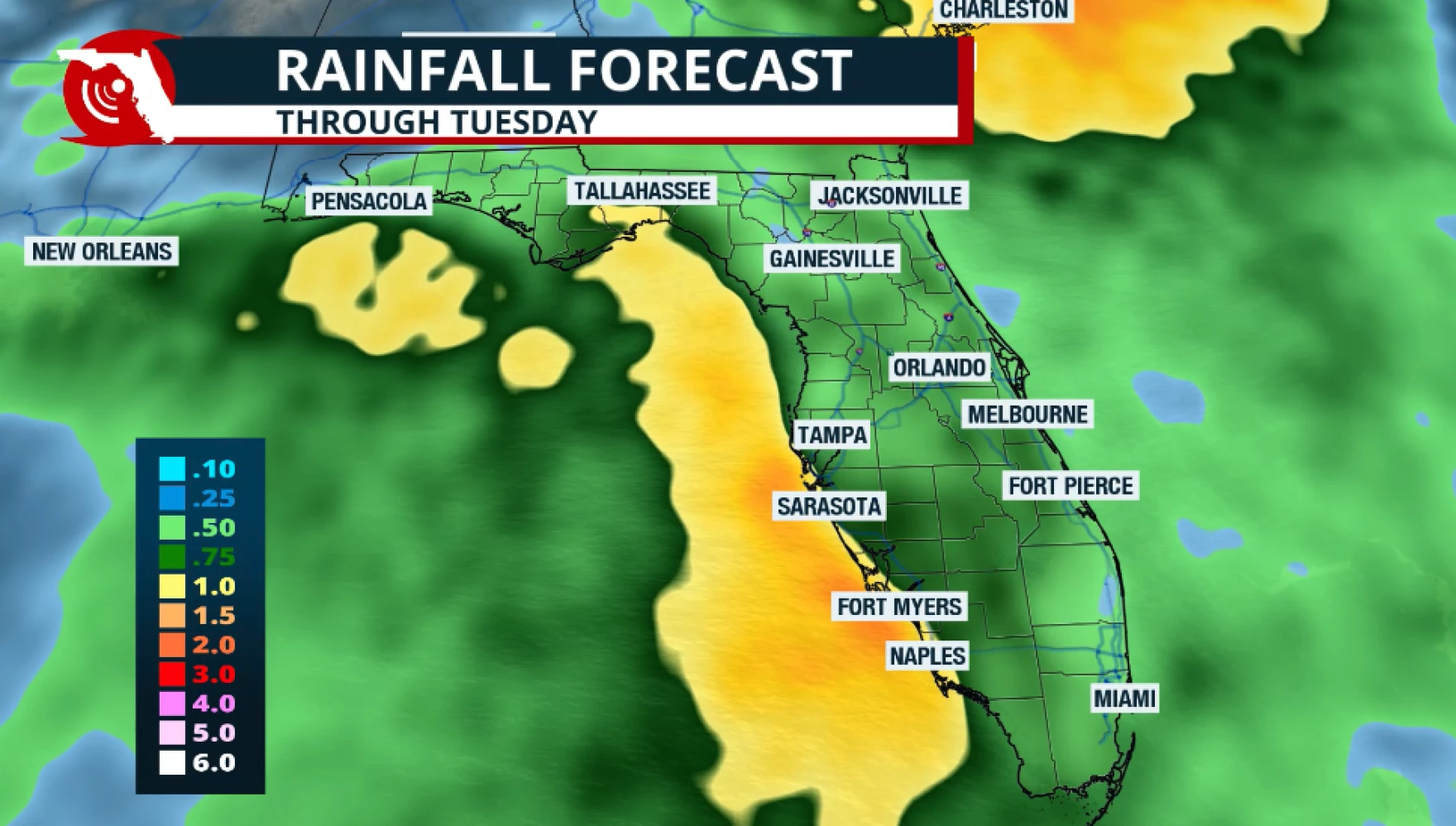
When selecting your accommodation, consider how the weather might impact your stay. If you’re traveling in summer, a resort with a fantastic pool area, perhaps with shaded loungings or even a lazy river, can be a great way to enjoy the heat and humidity. For those who plan extensive outdoor exploration, proximity to attractions and ease of access are important. If you’re traveling during peak season, especially winter, booking well in advance is crucial. Resorts like the Four Seasons Resort Orlando at Walt Disney World Resort or charming boutique hotels throughout the state offer various amenities that can enhance your trip regardless of the weather. For longer stays, apartments or villas can provide more space and flexibility to adapt to any weather conditions, allowing for indoor meals and relaxation. Ultimately, a little weather foresight ensures your Florida adventure is sun-drenched and memorable.
LifeOutOfTheBox is a participant in the Amazon Services LLC Associates Program, an affiliate advertising program designed to provide a means for sites to earn advertising fees by advertising and linking to Amazon.com. Amazon, the Amazon logo, AmazonSupply, and the AmazonSupply logo are trademarks of Amazon.com, Inc. or its affiliates. As an Amazon Associate we earn affiliate commissions from qualifying purchases.