
The relentless heat and humidity of Florida’s climate make air conditioning not just a luxury, but a fundamental necessity for comfort and even habitability. For residents and visitors alike, a functioning AC unit is paramount, especially when considering extended stays or planning a memorable vacation. While most people associate air conditioners with cooling relief, they often overlook a crucial aspect: their lifespan. How long can you truly expect your air conditioning system to perform optimally in the Sunshine State? This question is particularly pertinent for those booking accommodations, whether it’s a luxurious resort, a cozy suite, or a long-term rental villa. Understanding the average lifespan of an AC unit in Florida’s demanding environment can help manage expectations, budget for replacements, and ensure a comfortable experience throughout your stay.

Understanding AC Lifespan in the Florida Heat
The lifespan of an air conditioning unit is a complex equation influenced by a multitude of factors, but in Florida, these variables are often amplified. The constant use required to combat the subtropical climate, coupled with the corrosive effects of salt air near the coast, significantly impacts the longevity of these essential cooling systems. For anyone considering a trip to destinations like Orlando, Miami, or the Florida Keys, or even those contemplating a long-term stay in a Florida apartment, grasping these influencing factors is key.
Typical Lifespan and Why Florida is Different
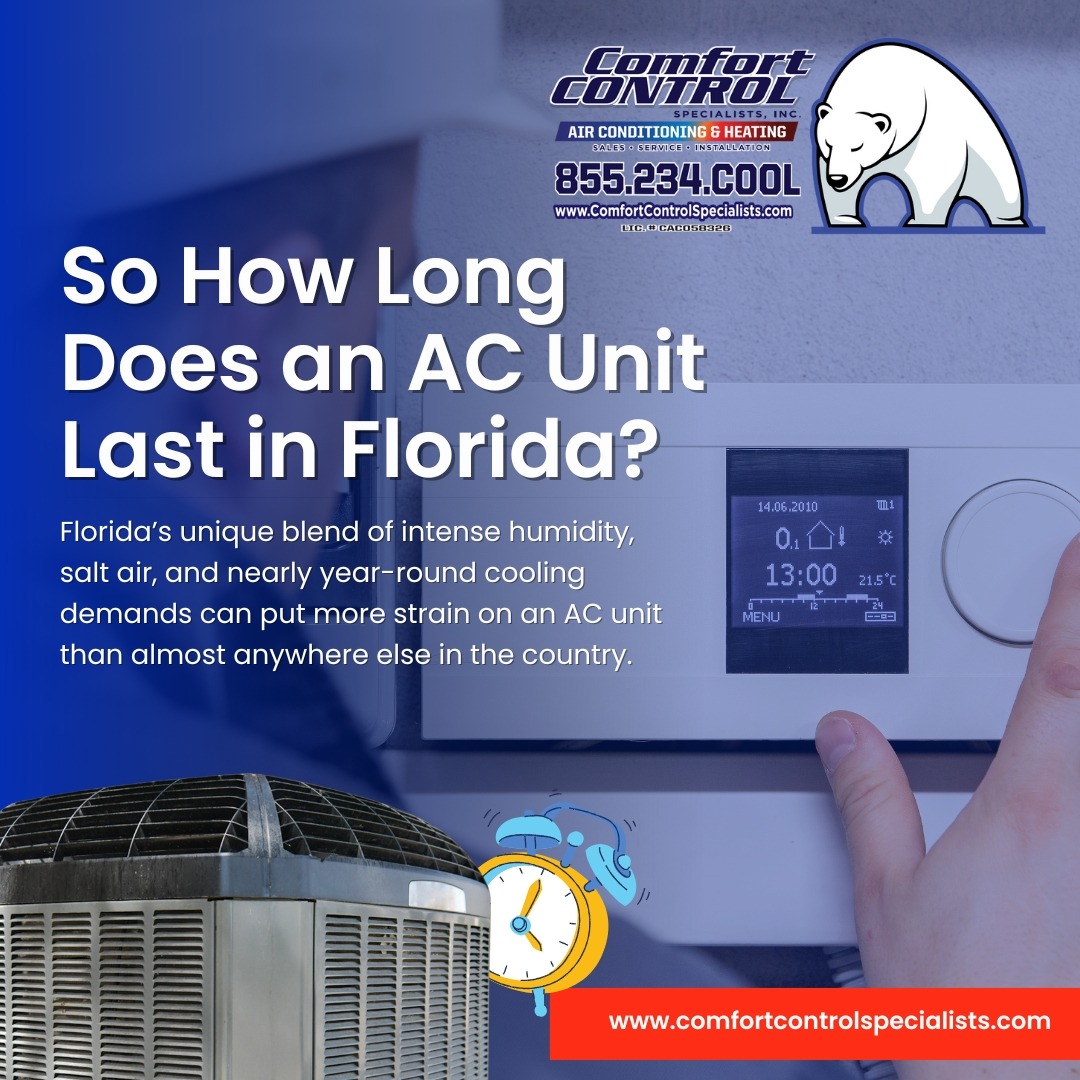
On average, a well-maintained air conditioning system in a more temperate climate might last anywhere from 10 to 15 years, sometimes even longer. However, Florida’s unique environmental conditions often shorten this expected duration. The primary culprit is the sheer intensity and duration of use. Air conditioners in Florida are not just used for a few months of the year; they are often running almost year-round to keep interiors at a comfortable temperature. This constant operation puts a tremendous strain on the various components of the AC system, from the compressor to the fan motor.
Furthermore, the humidity levels in Florida are notoriously high. This persistent moisture can lead to increased wear and tear on the internal workings of the AC unit. Condensation, a natural byproduct of the cooling process, becomes more pronounced and can contribute to rust and corrosion over time, especially if the unit is not properly sealed or maintained.
For those planning a vacation and booking accommodations such as the Hyatt Regency Grand Cypress in Orlando or a beachside villa in Clearwater Beach, understanding this might influence your choice of accommodation if an older building is known to have an aging AC system. Similarly, if you’re looking at long-term stays, knowing the age and maintenance history of the AC unit in a Florida rental property can be a significant consideration.
Key Factors Affecting AC Longevity in the Sunshine State
Several elements directly influence how long your air conditioner will serve you reliably in the Florida heat. Recognizing these can empower you to make informed decisions and potentially extend the life of your unit or choose accommodations with newer, more efficient systems.
- Frequency and Intensity of Use: As mentioned, Florida demands near-constant AC operation. The harder and longer the unit works, the faster its components will wear down. This is a significant factor for both permanent residents and those on extended holidays.
- Maintenance Schedule: Regular professional maintenance is arguably the most critical factor in extending an AC unit’s lifespan. This includes routine check-ups, cleaning of coils, checking refrigerant levels, and inspecting electrical connections. Neglecting this can lead to minor issues escalating into major, system-ending problems. For vacation rentals or hotels, inquire about their maintenance practices.
- Environmental Conditions: Coastal areas in Florida present a unique challenge due to the salty air. Salt is highly corrosive and can rapidly degrade the outdoor condenser unit, leading to premature failure. Homes and businesses located near the coast may see their AC units last shorter periods compared to those inland.
- Quality of Installation: A poor installation can put undue stress on the system from day one. If the unit is the wrong size for the space, improperly connected, or the ductwork is leaky, it will work harder and less efficiently, shortening its life. When considering long-term accommodation or even a major purchase, ensuring professional and correct installation is paramount.
- Unit Quality and Brand: Not all air conditioners are created equal. Higher-quality units from reputable brands, designed to withstand harsher conditions, may inherently last longer. Researching the brand and model of the AC unit in a potential accommodation, if possible, could offer insight.
- Thermostat Usage: While modern thermostats offer convenience, how they are used can impact AC longevity. Constantly setting the thermostat to extremely low temperatures or frequently adjusting it drastically can cause the system to cycle on and off more often, increasing wear. Maintaining a consistent, moderate temperature is generally better for the unit.
Optimizing AC Performance and Longevity for Travelers and Residents
For anyone spending time in Florida, whether on a short visit to explore the theme parks in Orlando or for a longer sojourn, ensuring the AC unit functions optimally is crucial. This section delves into practical tips that can help both travelers booking accommodations and residents looking to maximize their system’s lifespan.
Choosing Accommodations Wisely
When booking hotels, resorts, or vacation rentals in Florida, especially for longer stays, the condition of the air conditioning system should be a consideration. While direct questions about the AC unit’s age might be unusual for a brief stay, signs of good maintenance and modern equipment can be indicative of a comfortable experience.
- Look for Newer Properties or Renovations: Newer buildings are more likely to have updated HVAC systems. Similarly, properties that have undergone recent renovations often include upgrades to their cooling systems. Websites that feature detailed amenities lists or offer virtual tours might provide clues.
- Read Recent Reviews: Traveler reviews can be an invaluable resource. Look for comments specifically mentioning the air conditioning. Consistent complaints about ineffective cooling or noisy units could signal an aging or poorly maintained system. Positive reviews often highlight comfortable temperatures. For example, if a guest at a Miami Beach resort mentions the cool, refreshing air even on the hottest days, it’s a good sign.
- Consider the Location: As discussed, coastal properties may face additional challenges. While beautiful, the salty air can be tough on AC units. This doesn’t mean avoiding these areas, but perhaps being aware that maintenance is even more critical.
- Inquire for Long-Term Stays: If you are planning a long-term stay in a villa or apartment rental, don’t hesitate to ask about the age and maintenance history of the air conditioning unit. A reputable landlord or property manager will be transparent about this. Understanding the HVAC system’s status is as important as knowing about plumbing or electrical systems for a comfortable long-term living situation.
Proactive Maintenance for Residents
For Florida residents, regular, proactive maintenance is not an option; it’s a necessity to ensure their AC system lasts as long as possible and avoids costly emergency repairs during the sweltering summer months.
- Annual Professional Tune-Ups: Schedule at least one, and preferably two, professional inspections and servicing of your AC unit each year. These should occur before the peak cooling season (spring) and ideally before the peak heating season (fall), though in Florida, the latter is less critical. A technician can identify potential problems before they become catastrophic.
- Regular Filter Changes: This is one of the simplest yet most impactful maintenance tasks a homeowner can perform. Dirty air filters restrict airflow, forcing the AC unit to work harder, consume more energy, and potentially overheat. Filters should be checked monthly and replaced every 1-3 months, depending on the type of filter and household conditions (e.g., pets, allergies).
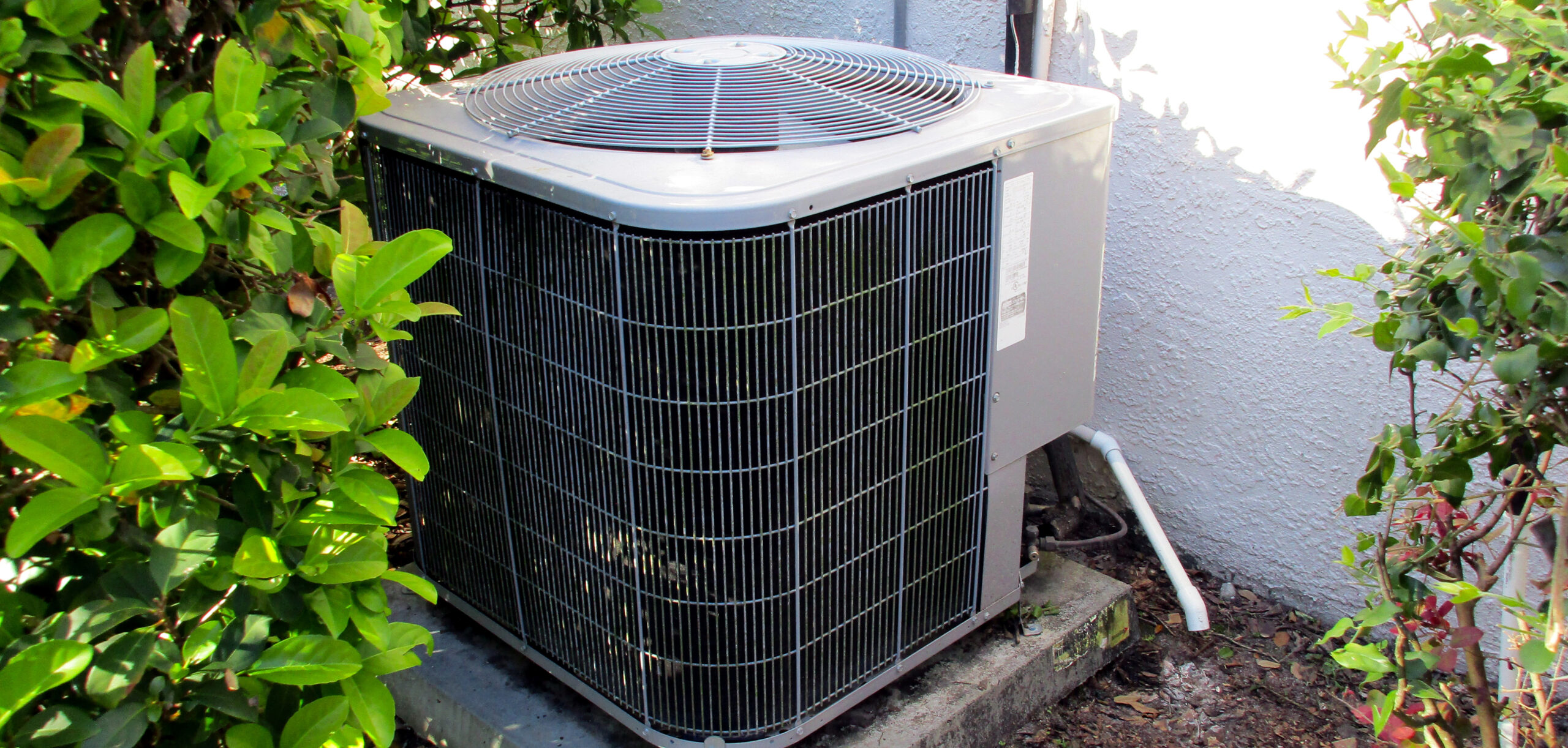
- Keep the Outdoor Unit Clean and Unobstructed: The outdoor condenser unit needs proper airflow to dissipate heat. Ensure it’s free of debris, leaves, grass clippings, and any vegetation that might be growing too close. Gently hosing down the fins can help remove dirt and salt residue, especially in coastal areas.
- Listen for Unusual Noises: Pay attention to any new or strange sounds your AC unit makes – grinding, squealing, or rattling can indicate a developing mechanical issue that needs immediate attention.
- Monitor Energy Bills: A sudden spike in energy consumption, even without a significant change in usage habits, could signal that your AC unit is struggling or has an underlying problem.
When It’s Time for a Replacement: Signs and Considerations
Even with the best care, all air conditioning units eventually reach the end of their operational life, and the demanding Florida climate can hasten this process. Recognizing the signs that your AC unit is nearing its end is crucial for avoiding sudden breakdowns and planning for a replacement efficiently. This is especially important for property owners, whether managing a vacation rental or a primary residence in areas like Tampa or St. Petersburg.
Warning Signs of an Aging AC Unit
Several indicators suggest that your air conditioner may be on its last legs and a replacement might be on the horizon. Ignoring these signs can lead to discomfort, increased energy bills, and more expensive repairs.
- Decreased Cooling Efficiency: If your AC unit struggles to cool your home to your desired temperature, even when set to a low setting, it’s a significant warning. You might notice uneven cooling across different rooms or that it takes much longer to cool down a space.
- Increased Humidity Levels: A properly functioning AC also helps dehumidify the air. If you notice that your home feels clammy or sticky, even when the AC is running, it could indicate a problem with the unit’s ability to remove moisture, a common issue with aging systems.
- Higher Energy Bills: As AC units age and their components wear out, they become less efficient. This inefficiency translates directly into higher electricity consumption and, consequently, higher utility bills. A sudden, unexplained increase in your energy costs is a strong indicator that your AC unit might be failing.
- Frequent Cycling and Short Cycles: If your AC unit turns on and off very frequently, a phenomenon known as “short cycling,” or if it runs continuously without effectively cooling, it’s usually a sign of a system in distress.
- Strange Noises or Smells: Unusual sounds like grinding, squealing, or loud banging, or peculiar smells like burning or musty odors emanating from the unit, are all red flags that require immediate attention. These could point to motor issues, electrical problems, or even mold growth.
- Visible Signs of Wear and Tear: Rusting on the outdoor unit, leaks around the indoor air handler, or corroded wiring are all signs that the unit is degrading and may be approaching its end.
- Frequent Repair Needs: If you find yourself calling for AC repairs more and more often, it might be more cost-effective in the long run to invest in a new, reliable unit rather than continuing to patch up an old one.
Making the Investment in a New System
When the time comes to replace your air conditioning unit in Florida, it’s a significant investment that requires careful consideration. The initial cost can be substantial, but a new, energy-efficient unit can lead to significant savings on utility bills over its lifespan and provide reliable comfort for years to come.
- Energy Efficiency Ratings (SEER/EER): Look for units with high Seasonal Energy Efficiency Ratio (SEER) or Energy Efficiency Ratio (EER) ratings. These ratings indicate how efficiently the unit converts electricity into cooling. Higher ratings mean lower energy consumption and cost savings, which are particularly important in Florida where AC usage is high.
- Size Matters: Ensure the new unit is properly sized for your home. An oversized unit will cycle on and off too frequently, leading to poor humidity control and increased wear. An undersized unit will struggle to cool your home adequately, running constantly. A qualified HVAC professional can perform a load calculation to determine the correct size.
- Consider the Climate: While all AC units are designed for cooling, some are built to withstand extreme conditions better than others. Discuss with your HVAC technician the best options for Florida‘s specific climate, considering factors like humidity and coastal salt exposure.
- Brand and Warranty: Research reputable brands known for their reliability and good warranties. A comprehensive warranty can provide peace of mind and protect your investment.
- Installation is Key: Just as with installation affecting lifespan, the quality of installation for a new unit is paramount. Choose a licensed, insured, and experienced HVAC contractor. Poor installation can negate the benefits of even the most advanced and efficient unit.
- Budgeting and Financing: Factor in the cost of the unit, installation, and any necessary modifications to ductwork. Explore financing options if needed. Remember that the long-term energy savings can offset a portion of the initial cost.
For property managers, hotel owners, and vacation rental operators in Florida, investing in new, efficient, and durable AC systems is not just about tenant or guest comfort; it’s a crucial part of maintaining property value and operational efficiency. Offering a cool, comfortable environment is a key selling point for any accommodation, from a luxury Four Seasons Hotel to a charming boutique inn.
In conclusion, the lifespan of an air conditioner in Florida is typically shorter than in less demanding climates, often ranging from 8 to 12 years for many residential units. However, with diligent maintenance, wise choices regarding accommodations, and a proactive approach to system replacement, one can significantly optimize performance and comfort in this beautiful, yet warm, state. Whether you’re planning a brief escape to the vibrant city of Key West, a family trip to a resort near Clearwater Beach, or a long-term residency, a well-functioning air conditioning system is fundamental to enjoying the best of what Florida has to offer.
LifeOutOfTheBox is a participant in the Amazon Services LLC Associates Program, an affiliate advertising program designed to provide a means for sites to earn advertising fees by advertising and linking to Amazon.com. Amazon, the Amazon logo, AmazonSupply, and the AmazonSupply logo are trademarks of Amazon.com, Inc. or its affiliates. As an Amazon Associate we earn affiliate commissions from qualifying purchases.