
The question of “How Many Pythons In Florida?” is more than just a curious inquiry for tourists or nature enthusiasts; it’s a critical point of ecological concern for the Sunshine State. While the allure of Florida‘s natural beauty, from the vibrant ecosystems of the Everglades National Park to the pristine beaches of the Florida Keys, draws millions of visitors annually, the presence of invasive Burmese pythons has cast a long shadow. These formidable reptiles, reaching lengths of up to 20 feet, are not native to the region and their unchecked proliferation poses a significant threat to the delicate balance of the local wildlife.

For travelers planning a trip to Florida, understanding this ecological challenge can enrich their experience. It’s an opportunity to delve deeper into the conservation efforts underway and appreciate the unique biodiversity that makes Florida such a special destination. Whether you’re exploring the unique charm of a Miami boutique hotel, seeking adventure in a Florida Keys resort, or simply enjoying the local culture and cuisine, the python issue is an intrinsic part of the state’s narrative.
The Scale of the Python Problem
Estimating the exact number of Burmese pythons in Florida is a monumental task, akin to counting grains of sand on a beach. Due to their elusive nature and extensive habitat, definitive population figures remain elusive. However, scientific consensus points to a substantial and growing population, with estimates ranging from tens of thousands to well over a hundred thousand individuals. This rapid increase is attributed to several factors, including ideal breeding conditions and a lack of natural predators.
The impact of this invasive species is far-reaching. Pythons prey on a wide array of native wildlife, including mammals, birds, and even other reptiles. Studies have documented alarming declines in populations of raccoons, possums, bobcats, and various bird species within python-infested areas. This ecological disruption not only threatens biodiversity but also impacts the overall health and resilience of Florida‘s natural landscapes. For tourists, this means that some of the very wildlife they might hope to see during their travels – the vibrant wading birds, the elusive deer, or the playful otters – are at risk.
Understanding the Invasive Species
Burmese pythons, native to Southeast Asia, are believed to have been introduced to Florida primarily through the exotic pet trade. Many pets, either intentionally released by owners unable to care for them or escaped from enclosures, found their way into the wild. The warm, humid climate of South Florida, particularly the vast wetlands of the Everglades, provided an ideal environment for these snakes to thrive and reproduce.
Unlike native snakes, which play a role in the local food web, invasive pythons disrupt this balance. Their large size and generalist diet allow them to outcompete native predators and prey on species that have not evolved defenses against such large constrictors. This unchecked predation has led to significant shifts in the food chain and has had a cascading effect on the entire ecosystem. Understanding this ecological imbalance is crucial for appreciating the conservation efforts in Florida.
Python Control and Conservation Efforts
The Florida government and various environmental organizations are actively engaged in managing the python population. These efforts involve a multi-pronged approach, combining research, eradication, and public awareness.
Research and Monitoring
A significant aspect of python control involves extensive research to understand their distribution, behavior, and reproductive patterns. Scientists use various methods, including tracking snakes tagged with radio transmitters, analyzing scat to determine diet, and conducting aerial surveys, to gather data. This information is vital for developing effective management strategies and identifying key areas for intervention. For instance, understanding breeding grounds can help focus eradication efforts.
Eradication Programs
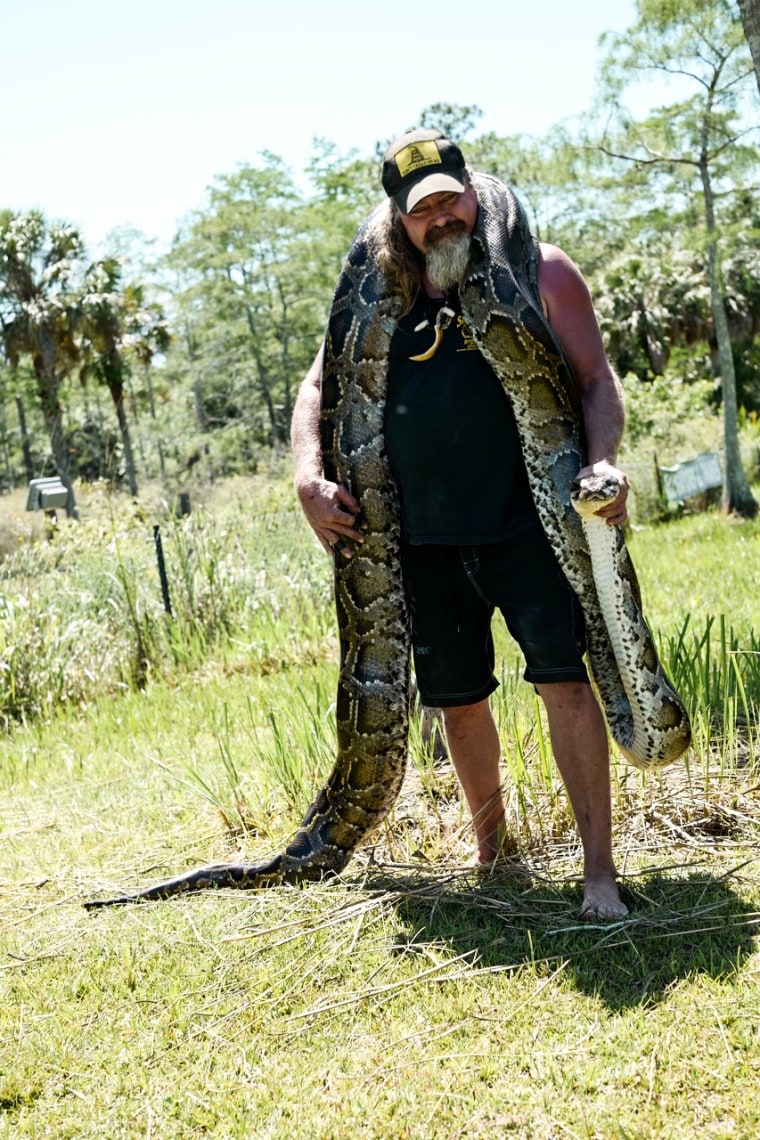
Direct python removal is a critical component of the control strategy. The Florida Fish and Wildlife Conservation Commission (FWC) employs a dedicated team of python removal contractors who patrol designated areas within Florida‘s protected lands, such as Everglades National Park and Big Cypress National Preserve. These trained individuals are authorized to humanely capture and euthanize pythons. The FWC also organizes public python hunts and challenges, encouraging citizen participation in removing these invasive reptiles.
Public Awareness and Education
Educating the public about the dangers of invasive species and responsible pet ownership is paramount. Many initiatives aim to inform Florida residents and visitors about the python problem and encourage them to report sightings. The FWC provides resources on its website and through outreach programs, emphasizing the importance of not releasing exotic pets into the wild. This public engagement is crucial for preventing further introductions and fostering a sense of shared responsibility for protecting Florida‘s natural heritage. Travelers can play a role by being observant and reporting any potential python sightings to the authorities, contributing to the ongoing conservation efforts.
Experiencing Florida’s Nature Responsibly
While the python issue is a serious concern, it should not deter travelers from experiencing the incredible natural beauty and diverse attractions Florida has to offer. The state’s commitment to conservation means that many of its most beloved natural areas remain accessible and are actively managed to protect their ecosystems.
Exploring the Everglades
The Everglades National Park remains a must-visit destination for nature lovers. This vast subtropical wilderness offers unparalleled opportunities for wildlife viewing, hiking, and airboat tours. While you might encounter pythons, experienced guides are trained to identify and manage them, ensuring visitor safety. The park’s rangers are knowledgeable about the ecosystem and can provide insights into the challenges posed by invasive species and the ongoing efforts to mitigate their impact. For those interested in conservation, visiting the Everglades offers a firsthand look at the delicate balance of nature and the vital work being done to preserve it.
Wildlife Viewing Beyond Pythons
Despite the python threat, Florida is still home to an astonishing array of native wildlife. Birdwatching is particularly popular, with countless species of wading birds, raptors, and songbirds gracing the skies and wetlands. Manatees can be spotted in coastal waters and rivers, while alligators are a common sight in many freshwater habitats. Responsible wildlife viewing practices, such as maintaining a safe distance and avoiding any interaction with animals, are essential for both visitor safety and the well-being of the wildlife.
Supporting Eco-Tourism and Conservation
Many tourism operators in Florida are committed to sustainable practices and eco-tourism. Choosing tours and activities that prioritize conservation and educate visitors about the local environment can be a rewarding experience. This might include guided nature walks led by naturalists, kayaking tours through mangrove forests, or visits to wildlife sanctuaries. By supporting businesses that align with conservation values, travelers can contribute to the protection of Florida‘s unique biodiversity.

The Future of Pythons in Florida
The long-term outlook for python control in Florida is a complex challenge that requires sustained effort and innovation. Scientists are continually exploring new methods for detecting, removing, and even preventing python reproduction. The development of more effective trapping techniques, the use of genetic research to understand population dynamics, and ongoing public education campaigns are all crucial components of a comprehensive strategy.
For visitors, understanding the python situation in Florida adds another layer to their travel experience. It’s a reminder of the interconnectedness of ecosystems and the importance of human stewardship. While the exact number of pythons may remain unknown, the impact is undeniable. By engaging with the issue through responsible tourism and supporting conservation efforts, travelers can become part of the solution, helping to preserve the unique natural heritage of the Sunshine State for generations to come. Whether you’re staying at a luxurious resort in Orlando or a cozy villa in Key West, the story of Florida‘s wildlife is an unfolding narrative, and visitors can play a small but significant role in its future.
LifeOutOfTheBox is a participant in the Amazon Services LLC Associates Program, an affiliate advertising program designed to provide a means for sites to earn advertising fees by advertising and linking to Amazon.com. Amazon, the Amazon logo, AmazonSupply, and the AmazonSupply logo are trademarks of Amazon.com, Inc. or its affiliates. As an Amazon Associate we earn affiliate commissions from qualifying purchases.