
Navigating the sunshine state of Florida offers a unique blend of breathtaking coastlines, vibrant cities, and world-renowned theme parks. As you plan your adventure, whether it’s a luxurious escape to Miami, a family-focused exploration of Orlando, or a scenic drive along the Florida Keys, understanding the state’s toll road system is crucial for budgeting and ensuring a smooth journey. This comprehensive guide will delve into the cost of Florida’s toll roads, how to pay, and offer tips to manage your expenses, making your travel experience through Florida more predictable and enjoyable.
Understanding the Florida Toll Road Network
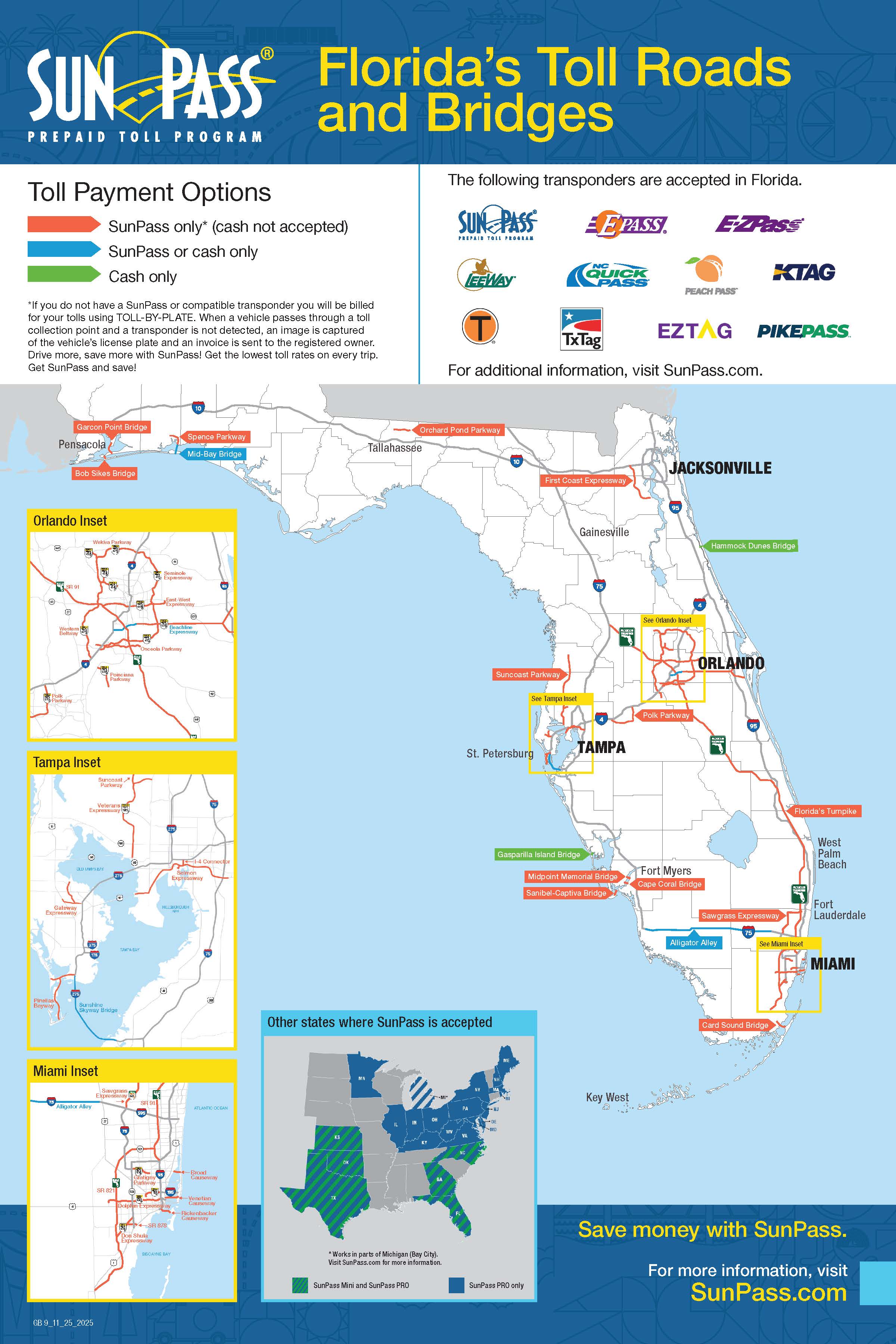
Florida boasts an extensive network of toll roads, managed primarily by the Florida Turnpike Enterprise and various regional toll authorities. These roads are designed to facilitate efficient travel across the state, connecting major metropolitan areas, popular tourist destinations, and key transportation hubs. The revenue generated from tolls is reinvested in maintaining and expanding these vital infrastructure links, ensuring they remain in top condition and continue to serve the growing needs of residents and visitors alike. From the bustling highways of South Florida to the scenic routes in Central Florida, toll roads are an integral part of the state’s transportation fabric.
Key Toll Road Authorities and Systems
The Florida Turnpike Enterprise is the largest toll road operator in Florida, managing over 400 miles of tolled highways. Its flagship road, the Ronald Reagan Turnpike, stretches from South Florida to Central Florida, passing through key cities like Miami, Fort Lauderdale, West Palm Beach, and approaching areas near Orlando.
Beyond the Florida Turnpike Enterprise, other significant toll authorities play a role in managing regional roads. The Central Florida Expressway Authority (CFX) operates several toll roads in the Orlando metropolitan area, including the State Road 417 (Greenway), the State Road 528 (Beachline Expressway), and the State Road 408 (East-West Expressway). These are essential for navigating between Orlando International Airport, the theme park corridors, and surrounding communities.
Further south, the Miami-Dade Expressway Authority (MDX) manages toll facilities within Miami-Dade County, such as the State Road 836 (Dolphin Expressway) and the State Road 874 (Don Shula Expressway), crucial for accessing Miami International Airport and various beach destinations.
In the Tampa Bay area, the Tampa Hillsborough Expressway Authority (THEA) operates the Selmon Expressway, a vital artery for commuting and accessing areas like Channelside.
Factors Influencing Toll Costs
The cost of traveling on Florida toll roads is not a flat rate and can vary significantly based on several factors:
- Distance Traveled: Longer journeys on toll roads naturally incur higher costs. Many tolls are distance-based, meaning you pay for the segments of the highway you use.
- Type of Road: Expressways, turnpikes, and toll bridges can have different tolling structures. Some are open-to-all systems, while others might have specific express lanes with higher tolls.
- Time of Day: While less common on many Florida toll roads compared to some other states, some express lanes or specific facilities might implement congestion pricing, where tolls are higher during peak hours to manage traffic flow.
- Vehicle Type: The size and weight of your vehicle can affect the toll. Motorcycles typically pay a reduced rate, while larger vehicles like trucks and RVs will pay more. Standard passenger cars, SUVs, and minivans usually fall into the same passenger vehicle toll category.
- Toll Payment Method: This is a significant factor. Using a transponder like SunPass, EPASS, or LeeWay (for the Cape Coral Bridge and Midpoint Memorial Bridge) often provides a discount compared to paying with cash or by toll-by-plate.
How to Pay for Florida Tolls
Florida has largely transitioned to cashless tolling systems, making it imperative for visitors to understand the available payment methods. Traditional cash toll booths are becoming increasingly rare.
Cashless Tolling and Toll-By-Plate
Most toll roads in Florida operate on a cashless basis. This means there are no toll booths to stop at. Instead, overhead gantries equipped with cameras capture your license plate information.
- Toll-By-Plate: If you do not have a transponder, your license plate will be recorded, and a bill will be mailed to the registered owner of the vehicle. This bill will include the toll amount plus an administrative fee for processing. This method is generally the most expensive way to pay tolls due to the added fees. It’s crucial to pay these bills promptly to avoid late fees or potential issues with your rental car company.

Transponders: The Cost-Effective Solution
For frequent travelers or those looking to save money and time, a toll transponder is highly recommended. These small electronic devices are mounted on your vehicle’s windshield and communicate with tolling systems wirelessly.
- SunPass: This is the official transponder system for the Florida Turnpike Enterprise and is accepted on all toll roads throughout Florida. You can purchase a SunPass sticker transponder for a small one-time fee, and then link it to a prepaid account. Tolls are automatically deducted from your account. You can buy SunPass devices online, at Publix stores, CVS Pharmacy, Walgreens, and at Florida Turnpike service plazas.
- EPASS: Operated by the Central Florida Expressway Authority (CFX), EPASS is also accepted on all Florida toll roads. Similar to SunPass, it requires a prepaid account.
- Pay with E-ZPass: If you have an E-ZPass transponder from another state (like New York or Pennsylvania), it is now interoperable with the SunPass system, meaning you can use your E-ZPass on Florida toll roads. Your E-ZPass account will be debited accordingly.
Benefits of using a transponder:
- Cost Savings: You generally receive a discounted toll rate compared to toll-by-plate.
- Convenience: No need to worry about receiving bills in the mail or stopping to pay.
- Time Savings: You can pass through toll plazas without stopping, especially on roads with older, but still functional, toll booths that accept transponders.
For Rental Cars: Most rental car companies offer a toll program. You can either enroll in their program, which typically charges a daily fee plus the cost of tolls, or you can arrange to use your own transponder if you have one. Be sure to understand the rental company’s policy as failing to pay tolls can result in significant penalties.
Estimating Your Toll Road Expenses
Given the variable nature of toll costs, providing exact figures for every route is impossible. However, we can offer some general estimates and strategies for planning.
Sample Toll Road Costs in Major Areas
To give you a concrete idea, let’s look at estimated costs for common journeys:
- Orlando Area:
- A round trip from Orlando International Airport to Walt Disney World Resort using the State Road 417 (Greenway) and State Road 528 (Beachline Expressway) could range from approximately $5 to $10, depending on the exact routes taken and whether you use express lanes.
- Driving from Downtown Orlando to Universal Orlando Resort via the State Road 408 (East-West Expressway) might cost around $2 to $4.
- Miami Area:
- A journey from Miami International Airport to South Beach via the State Road 836 (Dolphin Expressway) and the State Road 826 (Palmetto Expressway) could cost approximately $3 to $7.
- Traveling on the Ronald Reagan Turnpike from Miami to West Palm Beach might cost in the range of $10 to $20, depending on your starting and ending points.
- Tampa Bay Area:
- Using the Selmon Expressway to travel across downtown Tampa can cost between $1.50 and $3.00 for a single trip, with express lanes offering higher tolls for faster travel.
These are rough estimates, and actual costs can vary. For precise calculations, it’s best to use online toll calculators.
Tools for Planning and Budgeting
To accurately estimate your toll expenses, several tools are available:
- Florida Turnpike Toll Calculator: The Florida Turnpike Enterprise website offers a toll calculator where you can input your starting and ending points on their system and get an estimated toll cost.
- Google Maps and Waze: When planning your route, both Google Maps and Waze can show you the estimated toll costs for your journey. These apps are invaluable for real-time navigation and traffic information. Waze also allows you to specify if you want to avoid tolls altogether, though this often adds significant time to your trip.
- Regional Toll Authority Websites: For specific areas, the websites of the Central Florida Expressway Authority (CFX), Miami-Dade Expressway Authority (MDX), and Tampa Hillsborough Expressway Authority (THEA) often provide route maps with tolling information and sometimes their own calculators.

Tips for Managing Toll Costs
- Choose Your Accommodation Wisely: If you’re staying in an area with many toll road options, consider accommodations that offer easier access to free roads or are closer to your planned attractions. For instance, staying directly on the coast might reduce the need to use inland expressways.
- Utilize Navigation Apps: As mentioned, Google Maps and Waze can help you identify toll roads and provide alternatives. You can often set preferences to avoid tolls, which is useful for budget travelers, though be mindful of the increased travel time.
- Consider the “Time vs. Money” Trade-off: While avoiding tolls can save money, it often means longer travel times, especially in congested areas like Miami or Orlando. Factor in the value of your time, particularly if you have a packed itinerary of attractions like Walt Disney World, Universal Studios Florida, or visiting the Everglades National Park.
- Plan Day Trips Strategically: If you plan to visit multiple attractions on a single day, map out your route in advance to see if a combination of toll and non-toll roads offers the best balance of speed and cost.
- Get a Transponder: If you anticipate using toll roads more than a few times, investing in a SunPass (or using an interoperable E-ZPass) is the most financially sensible approach due to discounted rates and avoidance of toll-by-plate fees.
By understanding the Florida toll road system, knowing how to pay, and utilizing available planning tools, you can effectively manage your travel expenses and enjoy a seamless journey through the beautiful and diverse landscapes of the Sunshine State, whether you’re exploring the historical charm of St. Augustine, relaxing on the beaches of Clearwater, or experiencing the magic of a Walt Disney World resort.
LifeOutOfTheBox is a participant in the Amazon Services LLC Associates Program, an affiliate advertising program designed to provide a means for sites to earn advertising fees by advertising and linking to Amazon.com. Amazon, the Amazon logo, AmazonSupply, and the AmazonSupply logo are trademarks of Amazon.com, Inc. or its affiliates. As an Amazon Associate we earn affiliate commissions from qualifying purchases.