
Planning a move to the Sunshine State, or perhaps looking to invest in a vacation home in Florida? Understanding the landscape of property taxes is a crucial step in your financial planning. While Florida is renowned for its stunning beaches, vibrant tourism, and desirable lifestyle, it’s also important to be aware of the financial commitments that come with property ownership. This guide will delve into the specifics of property taxes in Florida, helping you navigate the system and estimate your potential costs.
Understanding Florida’s Property Tax System
Florida‘s property tax system is overseen by each of the state’s 67 counties, meaning that while there are overarching state laws, the actual rates and assessments can vary significantly from one locality to another. This decentralized approach allows for local control and responsiveness to community needs, but it also means there isn’t a single, fixed property tax rate for the entire state.
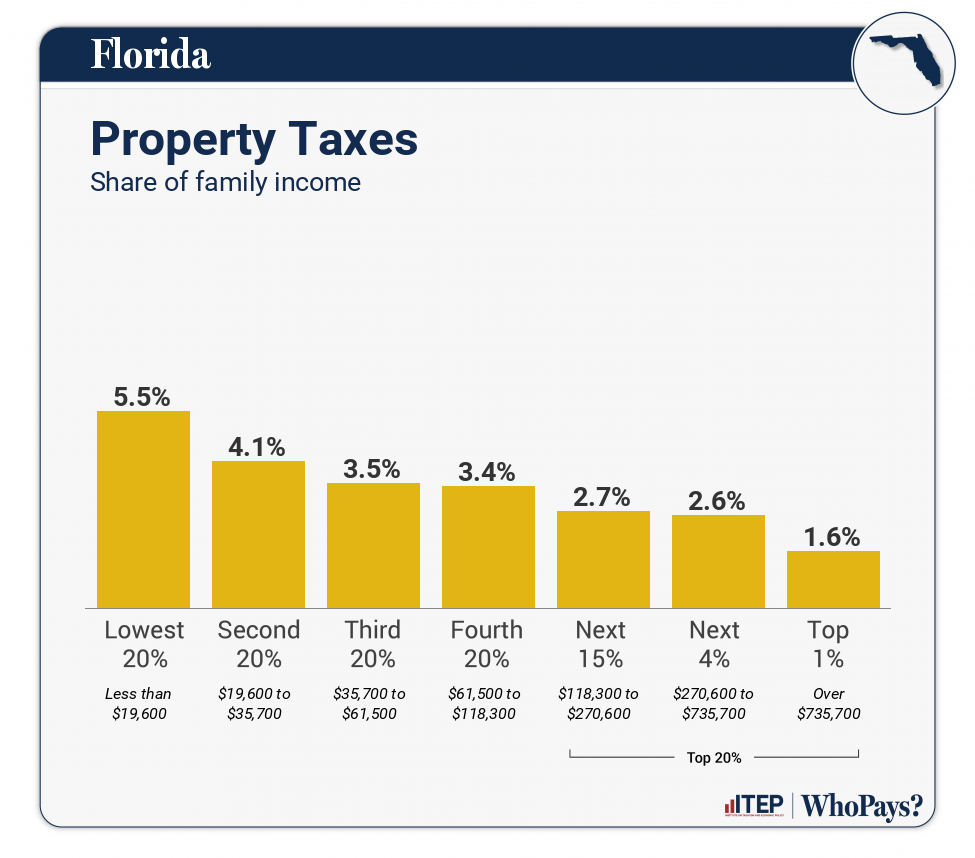
The Role of Ad Valorem Taxes
The majority of property taxes in Florida are “ad valorem” taxes, which literally translates to “according to value.” This means the amount of tax you pay is directly proportional to the assessed value of your property. The assessed value is determined by the county property appraiser, and it’s typically based on the just market value of the property.
Key Components of Your Property Tax Bill
Your annual property tax bill in Florida is generally composed of two main parts:
- County and Municipal Taxes: These are levied by your county government and the city or town in which your property is located. They fund essential local services such as schools, law enforcement, fire departments, road maintenance, and public parks.
- Special Assessments: These are taxes levied for specific local improvements or services that directly benefit a group of properties. Examples include stormwater management, street lighting, or neighborhood beautification projects.
Factors Influencing Your Property Tax Rate
Several factors can influence the final property tax amount you’ll owe in Florida:
- Location, Location, Location: As mentioned, each county and municipality sets its own millage rates. A property in a high-demand area with extensive local services might have a higher millage rate than a property in a more rural county.
- Assessed Value of Your Property: This is the primary driver of your tax bill. A higher assessed value will naturally lead to a higher tax amount, assuming the millage rate remains the same.
- Millage Rate: This is the rate at which your property is taxed. It’s expressed in mills, where one mill is equal to $1 of tax for every $1,000 of taxable value. For instance, a millage rate of 15 mills means you’ll pay $15 in taxes for every $1,000 of your property’s taxable value.
- Exemptions: Florida offers various property tax exemptions that can significantly reduce your tax burden. These are crucial to understanding your net tax liability.
Navigating Property Tax Exemptions in Florida
Florida has robust homestead exemptions and other provisions designed to ease the property tax burden for homeowners. These exemptions reduce the taxable value of your property, thereby lowering your overall tax bill.
The Homestead Exemption
The most significant exemption for Florida residents is the Homestead Exemption. To qualify, you must:
- Own the property.
- Make it your permanent residence as of January 1st of the tax year.
- Provide a Florida driver’s license or Florida identification card.
- Provide a Florida vehicle registration for any vehicles you own.
- Provide proof of residency (e.g., voter registration).
There are two main types of homestead exemptions:
- Basic Homestead Exemption: This exemption reduces your property’s assessed value by up to $25,000 for countywide tax purposes. This means the first $25,000 of your property’s assessed value is not subject to county taxes.
- Additional Homestead Exemption: For properties with an assessed value of more than $50,000, an additional exemption is applied to the portion of the value between $50,000 and $75,000. This provides a further reduction in assessed value.
Important Note: The homestead exemption does not apply to assessments for school district purposes in most counties, which means school taxes are still levied on the full assessed value.
Other Valuable Exemptions
Beyond the homestead exemption, Florida offers several other exemptions that may apply to certain property owners:
- Senior Citizen Exemption: Available to individuals aged 65 and older, this exemption can provide an additional amount of property value that is exempt from taxation. Eligibility requirements and the exemption amount vary by county.
- Disability Exemption: For individuals who are totally and permanently disabled, a significant exemption is available. This exemption can reduce the taxable value of your home by a substantial amount.
- Veterans’ Exemptions: Florida offers various exemptions for veterans, depending on their disability status and service. These can range from partial to total exemptions from property taxes.
- Surviving Spouse Exemption: A surviving spouse may be eligible to receive the homestead tax benefits of their deceased spouse.
- Renewable Energy Tax Credits: While not a direct exemption from assessed value, some initiatives may offer credits or deductions related to renewable energy installations on your property.
To claim any of these exemptions, you typically need to file an application with your county property appraiser’s office by March 1st of the tax year.
Estimating Your Property Taxes in Florida
Given the variables involved, providing an exact property tax figure without knowing the specific property and location is impossible. However, we can illustrate how to estimate your potential tax liability.

The Millage Rate Calculation
Let’s consider a hypothetical scenario. Suppose you purchase a property in Miami-Dade County, Florida.
- Property Appraised Value: Let’s say the property appraiser assesses your home’s market value at $400,000.
- Homestead Exemption Application: You successfully apply for and receive the homestead exemption. This reduces the taxable value by $25,000 for county taxes. Your taxable value for county purposes becomes $375,000 ($400,000 – $25,000).
- County and Municipal Millage Rates: Research indicates that Miami-Dade County has a countywide millage rate of 18 mills, and the city of Miami has a municipal millage rate of 5 mills.
- Total Millage Rate: For this example, let’s assume the total millage rate applicable to your property (including county, municipal, and any other applicable taxing authorities) is 25 mills (2.5% of taxable value).
Calculating Your Tax Bill
- Taxable Value: $375,000
- Total Millage Rate: 25 mills (which is 0.025 as a decimal)
Property Tax Calculation:
Taxable Value x Total Millage Rate = Annual Property Tax
$375,000 x 0.025 = $9,375
In this simplified example, your annual property tax bill would be approximately $9,375.
Important Considerations for Your Estimate:
- The “Save Our Homes” Amendment: This Florida constitutional amendment caps the annual increase in assessed value for homesteaded properties at 3% or the percentage change in the Consumer Price Index (CPI), whichever is less. This means that over time, the assessed value can be significantly lower than the market value, leading to lower property taxes compared to newer properties or those without homestead exemption.
- Special Assessments: Remember to factor in any special assessments that might be levied on your property. These are often billed separately or may be included in your overall tax bill.
- School Taxes: As mentioned, school taxes in many Florida counties are not reduced by the homestead exemption, so you’ll pay taxes on the full assessed value for school purposes.
- Portability: If you’re selling a homesteaded property and buying another in Florida, you can “port” your Save Our Homes benefit to your new property, potentially preserving your lower assessed value.
Tips for Managing Property Taxes in Florida
To ensure you’re not overpaying and to manage your property tax obligations effectively, consider these tips:
Stay Informed About Assessment Changes
Your county property appraiser’s office will mail you a Notice of Proposed Property Taxes each year. This notice will detail your property’s assessed value, exemptions, and the proposed tax rates. Review this document carefully. If you believe your property’s assessed value is higher than its market value, or if there are errors in your exemptions, you have the right to appeal.
Appeal Your Assessment If Necessary
The appeal process typically involves filing an appeal with the Value Adjustment Board (VAB) within a specified timeframe after receiving your tax notice. You may need to gather evidence, such as recent comparable sales data, to support your case.
Explore All Applicable Exemptions
Don’t assume you don’t qualify for an exemption. Regularly check the Florida Department of Revenue website and your local property appraiser’s office for updated exemption information and eligibility criteria. Even small exemptions can add up over time.
Understand Your Payment Options
Property taxes in Florida are typically due by March 31st each year. Many counties offer installment payment plans, which can help spread the cost throughout the year. Some homeowners also choose to escrow their property taxes with their mortgage lender.
Budget for Annual Increases
While the “Save Our Homes” amendment offers protection, property taxes can still increase annually. Factor in a modest annual increase when budgeting for your homeownership costs, especially if you’re planning a long-term stay or investment in a property.

Consider Property Tax Consulting Services
For complex situations or if you’re dealing with high-value properties, consider consulting with a property tax consultant. They can provide expert advice on appeals, exemptions, and strategies to minimize your tax liability.
Owning property in Florida offers a fantastic lifestyle, whether you’re seeking a vibrant city experience in Miami, a tranquil beach retreat in the Florida Keys, or a family-friendly atmosphere near Orlando‘s theme parks. By understanding and planning for property taxes, you can make informed decisions and ensure your Florida dream remains financially sound.
LifeOutOfTheBox is a participant in the Amazon Services LLC Associates Program, an affiliate advertising program designed to provide a means for sites to earn advertising fees by advertising and linking to Amazon.com. Amazon, the Amazon logo, AmazonSupply, and the AmazonSupply logo are trademarks of Amazon.com, Inc. or its affiliates. As an Amazon Associate we earn affiliate commissions from qualifying purchases.