
The allure of the Sunshine State is undeniable, drawing millions of visitors each year for its pristine beaches, vibrant theme parks, and diverse cultural tapestry. But beyond the tourist trails and vacation rentals, Florida is also a bustling hub for real estate. From the sun-drenched shores of Miami to the historic charm of St. Augustine, and the burgeoning tech scene in Orlando, the state offers a dynamic property market. This environment naturally fuels demand for skilled real estate agents. However, a question that often arises for those considering a career in this field, or for those simply curious about the industry, is: “How much do real estate agents make in Florida?”
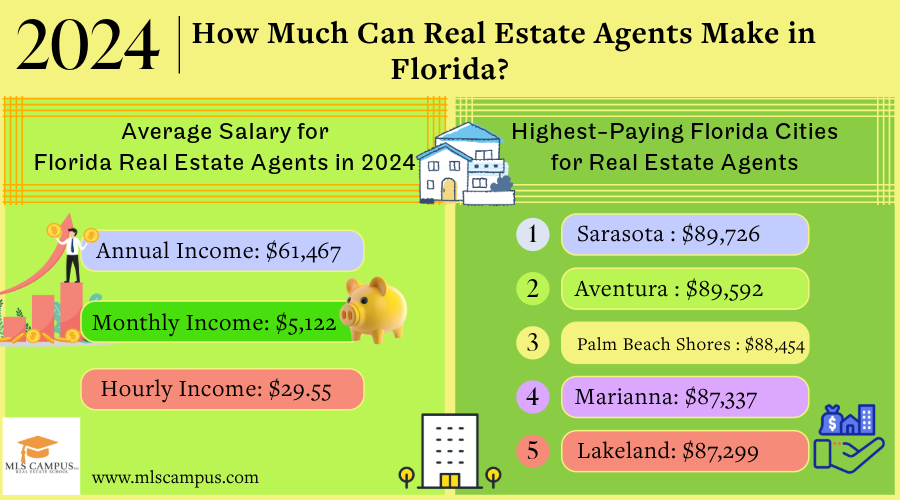
Understanding the earning potential of a real estate agent in Florida is multifaceted. It’s not a simple fixed salary, but rather a complex interplay of factors that influence income. This article aims to demystify the financial landscape for real estate professionals in the Sunshine State, exploring the various income streams, influencing variables, and average earnings.
The Commission-Based Reality of Real Estate Earnings
The fundamental truth about real estate agent compensation is that it is overwhelmingly commission-based. This means agents earn a percentage of the sale price of a property. While some might have a small base salary, particularly when starting out or working for a larger brokerage, the bulk of their income is derived from successful transactions. This commission is typically split between the buyer’s agent and the seller’s agent.
Understanding Commission Splits and Brokerage Fees
When a property is sold, the total commission, usually ranging from 5% to 6% of the sale price, is agreed upon between the seller and the listing brokerage. This total commission is then split. A common arrangement sees the listing brokerage and the buyer’s brokerage each receiving half. For instance, on a $500,000 sale with a 6% commission, that’s $30,000 in total commission. The listing brokerage would receive $15,000, and the buyer’s brokerage would receive $15,000.
However, the individual agent does not take home the entire brokerage’s share. The brokerage firm takes a percentage of the commission earned by its agents, known as a brokerage split. This split can vary significantly depending on the brokerage, the agent’s experience, and their production level. Newer agents might be on a 50/50 split, meaning they keep 50% of the commission they bring in, while experienced, high-producing agents might negotiate splits as high as 80/20 or even 90/10 in their favor.
So, in our $500,000 sale example, if the buyer’s agent is with a brokerage that takes a 70/30 split (meaning the agent keeps 70% and the brokerage keeps 30%), and they secured the buyer, their $15,000 share would be divided. The agent would receive $10,500 ($15,000 x 0.70), and the brokerage would receive $4,500 ($15,000 x 0.30). This individual commission is then subject to taxes.
Factors Influencing Real Estate Agent Income in Florida
Several key factors contribute to the varying income levels of real estate agents across Florida. These are not static figures but rather dynamic elements that shape an agent’s success and, consequently, their earnings.
Experience and Skill Level
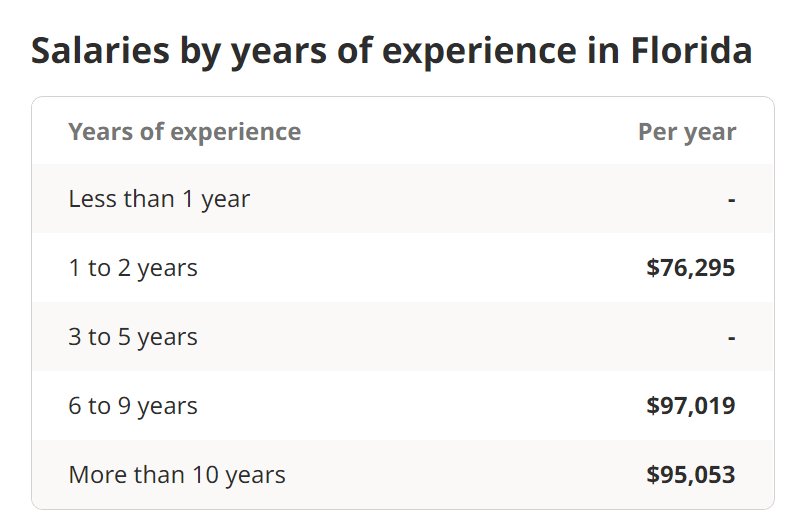
Like most professions, experience plays a crucial role. A seasoned agent with a proven track record, a strong network, and a deep understanding of the local Florida market is likely to command higher commissions and close more deals than a novice. Their expertise in negotiation, marketing, and client management allows them to navigate complex transactions more effectively and attract higher-value listings. An agent who has spent years building relationships in a particular neighborhood, say a luxury market in Naples or a family-friendly community near Tampa, will have an inherent advantage.
Market Conditions and Location
The economic health of Florida and the specific real estate market within different cities and regions significantly impact agent earnings. Areas with high property values, such as Miami-Dade County or parts of the Gulf Coast, offer the potential for larger commissions per sale. Conversely, markets with lower property values or slower sales cycles will naturally yield lower incomes. The demand for housing, interest rates, and inventory levels all play a critical role. For instance, a booming market in Jacksonville with high demand and limited inventory will likely see agents closing more deals and earning more than in a slower market.
Agent’s Work Ethic and Marketing Prowess
Real estate is not a passive profession. Success hinges on an agent’s dedication, self-discipline, and ability to market themselves and their listings effectively. Agents who invest time and resources in building their personal brand, utilizing digital marketing, networking actively, and providing exceptional client service are more likely to generate leads and close sales. This includes everything from professional photography for listings to engaging social media campaigns and hosting open houses. An agent who excels at marketing properties in desirable areas like Orlando‘s theme park corridor or the exclusive enclaves of Palm Beach will stand out.
Specialization and Niche Markets
Agents who specialize in specific market segments can often achieve higher earnings. This could include focusing on luxury properties, commercial real estate, investment properties, vacation rentals, or first-time homebuyers. Developing expertise in a niche allows agents to become the go-to professional for a particular clientele, leading to more targeted and often more lucrative transactions. For example, an agent specializing in waterfront properties in the Florida Keys will likely have a different earning potential than one focusing on rural land.
Brokerage Support and Resources
The brokerage an agent works with can also impact their earning potential. A reputable brokerage often provides valuable resources, including training, marketing support, lead generation systems, and administrative assistance. These resources can help agents operate more efficiently and effectively, ultimately leading to more sales. Some brokerages also offer better commission splits to attract top talent.
Average Earnings and Income Ranges in Florida
Pinpointing an exact average salary for real estate agents in Florida is challenging due to the commission-based structure and the wide range of influencing factors. However, we can look at various data points and industry estimates to provide a clearer picture.
Entry-Level vs. Experienced Agents
For new agents in Florida, the initial earning period can be lean. Many spend their first few months or even a year building their client base and learning the ropes, potentially earning very little. Their income might be confined to small referral fees or the rare closing. As they gain experience and build momentum, their income can increase significantly.
Regional Variations in Florida
Earnings can also vary by region within Florida. Major metropolitan areas with high property values and active markets generally offer greater earning potential. For example, agents in Miami-Dade, Broward, and Palm Beach counties, where property values are often higher, may see higher average incomes compared to agents in more rural or less economically vibrant parts of the state. Similarly, popular tourist destinations like Orlando or coastal cities with significant second-home markets can offer robust earning opportunities.
Statistical Data and Industry Reports
While official salary data can be difficult to aggregate for commission-based roles, industry reports and real estate associations often provide estimates. According to various sources, the average annual income for a real estate agent in Florida can range from approximately $40,000 to $70,000. However, this is a broad average. Top-performing agents, those with established reputations and successful track records, can earn significantly more, with incomes easily exceeding $100,000, and some in high-demand luxury markets potentially earning several hundred thousand dollars annually.
Conversely, agents at the lower end of the spectrum, or those who struggle to close deals, might earn considerably less than the average, sometimes even below minimum wage when factoring in business expenses. This highlights the entrepreneurial nature of the profession and the necessity for strong business acumen.
Beyond Commissions: Additional Income Streams
While commissions are the primary source of income, some Florida real estate agents may supplement their earnings through other avenues. These can include:
- Referral Fees: Receiving a portion of a commission when referring a client to another agent, especially for out-of-state or out-of-area transactions.
- Property Management: Some agents offer property management services for landlords, earning a monthly fee based on a percentage of the rent collected.
- Leasing: Agents specializing in commercial or residential leasing can earn commissions from securing tenants for properties.
- Consulting: Highly experienced agents might offer consulting services to investors or developers.

The Entrepreneurial Aspect of Real Estate
It’s crucial to remember that real estate agents are essentially small business owners. Their income is directly tied to their productivity, marketing efforts, and the success of their ventures. Expenses such as licensing fees, continuing education, marketing costs, association dues, brokerage fees, and transportation must also be factored into their net earnings. Therefore, when discussing “how much they make,” it’s important to distinguish between gross commission and net profit.
In conclusion, the earning potential for real estate agents in Florida is substantial, offering a path to significant financial success for those who are dedicated, skilled, and strategic. While the exact figures vary widely, understanding the commission structure, the impact of experience and market conditions, and the importance of personal drive is key to comprehending the financial realities of this dynamic profession in the Sunshine State. Whether drawn by the vibrant lifestyle of Fort Lauderdale, the historical richness of St. Augustine, or the family fun of Orlando, Florida offers a fertile ground for ambitious real estate professionals.
LifeOutOfTheBox is a participant in the Amazon Services LLC Associates Program, an affiliate advertising program designed to provide a means for sites to earn advertising fees by advertising and linking to Amazon.com. Amazon, the Amazon logo, AmazonSupply, and the AmazonSupply logo are trademarks of Amazon.com, Inc. or its affiliates. As an Amazon Associate we earn affiliate commissions from qualifying purchases.