
While the allure of Florida‘s sun-drenched beaches, vibrant theme parks, and rich cultural tapestry might paint a picture of an idyllic lifestyle, a significant question looms for many considering a move to the Sunshine State or seeking a career within its educational system: “How much does a teacher make in Florida?” This inquiry often arises from individuals captivated by the prospect of living in a state renowned for its tourist attractions and diverse landscapes, yet who also need to understand the financial realities of its workforce. The compensation of teachers is a critical factor, influencing not only their personal lifestyle but also the overall quality and stability of the state’s education sector. Understanding teacher salaries in Florida involves delving into a complex interplay of factors, from district budgets and experience levels to the specific subject matter taught and the cost of living in various regions across this expansive state.
Understanding Teacher Compensation in the Sunshine State
The question of teacher salaries in Florida is multifaceted, extending beyond a simple average to encompass a range of influential elements. While Florida offers a compelling environment for travel, with destinations like Orlando‘s world-famous theme parks, the historical charm of St. Augustine, and the natural beauty of the Everglades, the financial well-being of its educators is paramount for sustaining the very communities that support these attractions. The average teacher salary in Florida is a figure often cited, but it’s crucial to dissect what influences this number. Factors such as years of experience, educational attainment (e.g., bachelor’s, master’s, specialist degrees), and the specific school district where a teacher is employed all play a significant role.
For instance, a seasoned educator with a master’s degree working in a high-demand district might command a significantly higher salary than a newly qualified teacher in a more rural or less affluent area. Similarly, the subject matter an educator teaches can impact their earning potential. Teachers in specialized fields like science, technology, engineering, and mathematics (STEM) often find themselves in higher demand, which can translate into more competitive salary offers. Beyond base salary, some districts may offer additional stipends for coaching extracurricular activities, leading departments, or taking on extra responsibilities. These can contribute to a teacher’s overall income, providing a more comprehensive picture of their financial compensation.
Furthermore, the cost of living across Florida varies dramatically. A salary that might be considered comfortable in a more affordable region like the Panhandle might be stretched thin in pricier metropolitan areas such as Miami-Dade County or parts of South Florida. This disparity in living expenses can significantly affect the perceived value of a teacher’s salary, making it essential to consider local economic conditions when evaluating compensation.
Factors Influencing Teacher Salaries
The landscape of teacher compensation in Florida is shaped by a confluence of factors, each contributing to the final figure an educator receives. These elements are not static and can fluctuate based on state funding initiatives, local economic conditions, and the specific needs of individual school districts.
Salary Determinants: Experience and Education
One of the most significant drivers of a teacher’s salary in Florida is their accumulated experience. Entry-level teachers, typically those with zero to five years of experience, will generally earn less than their more experienced counterparts. As educators gain more years in the classroom, they move up salary scales, often referred to as “steps,” which are designed to reward longevity and the development of pedagogical skills. These step increases are usually predetermined by district policies and are often tied to annual performance evaluations.
Educational attainment also plays a crucial role. A teacher holding a bachelor’s degree will typically start at a lower salary point than a teacher with a master’s degree. Further advanced degrees, such as specialist or doctoral degrees, can lead to even higher salary ceilings. Many Florida school districts recognize the value of ongoing professional development and advanced education by offering salary supplements for these higher degrees. This incentivizes teachers to pursue further learning, which can ultimately benefit their students through enhanced teaching methodologies and deeper subject matter expertise.
District-Specific Variations and Salary Scales
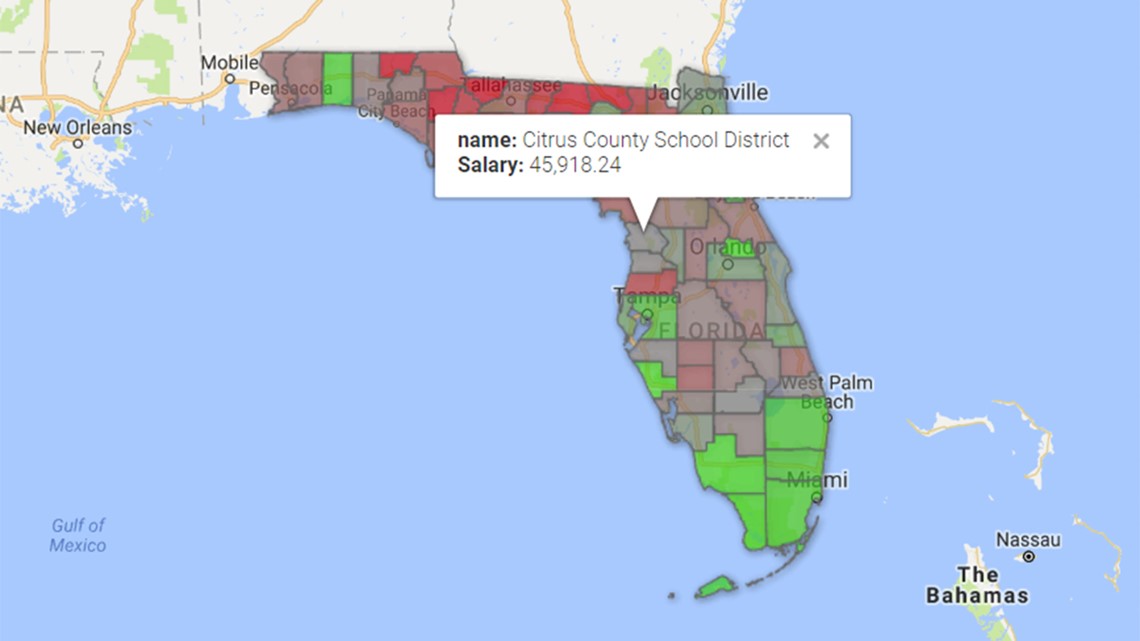
The diversity of Florida‘s 67 public school districts means that teacher salaries can vary considerably from one locale to another. Districts in wealthier areas or those that receive more state funding may be able to offer more competitive salaries and benefits packages to attract and retain high-quality educators. Conversely, districts facing budget constraints might have more modest salary scales, potentially leading to challenges in recruiting teachers, especially in high-demand subjects.
Each school district typically develops its own salary scale, outlining the base pay for different levels of experience and education. These scales are often publicly available, allowing prospective teachers to research potential earnings in specific areas. For example, a teacher considering relocating to Florida and weighing job offers in Hillsborough County versus Palm Beach County would need to consult the respective district salary schedules to understand the financial differences. These variations underscore the importance of localized research when assessing teacher compensation in Florida.
Subject Area Demand and Incentives
Certain subject areas are consistently in higher demand across Florida, and this demand can translate into higher salaries or specialized incentives for teachers. Fields such as secondary mathematics, science (physics, chemistry, biology), computer science, and special education often experience teacher shortages. To attract qualified individuals to these crucial areas, districts may offer signing bonuses, retention incentives, or higher starting salaries.

These incentives can be particularly attractive to teachers transitioning from other careers or to recent graduates entering the profession. For example, a teacher with a background in engineering might find opportunities in Florida‘s STEM education sector with a lucrative salary package, especially if they hold the necessary certifications. Understanding these subject-specific demands and available incentives is vital for anyone seeking to maximize their earning potential as an educator in Florida.
The Financial Landscape for Teachers in Florida: A Deeper Dive
Beyond the average figures, understanding the daily financial realities for teachers in Florida requires a closer examination of how their salaries align with the cost of living and the opportunities for financial growth within the profession. While Florida boasts attractive tourist destinations like Miami‘s vibrant art deco district, the Florida Keys‘ laid-back island vibe, and Tampa‘s bustling urban scene, the economic feasibility of living and working in these areas as a teacher is a key consideration.
The average teacher salary is a starting point, but it doesn’t tell the whole story. Many educators supplement their income through various means, reflecting the diverse economic conditions across the state. The availability of affordable accommodation, from charming apartments in Orlando to beachfront villas in St. Petersburg, can significantly impact a teacher’s disposable income. Likewise, the lifestyle choices available to them are directly tied to their earnings.
For those considering a career in education in Florida, or for current educators seeking to understand their earning potential, it’s essential to look beyond national averages and focus on the specific financial ecosystem within the state. This includes exploring opportunities for professional development that lead to salary increases, understanding the impact of district budgets on compensation, and considering the long-term financial planning necessary for a fulfilling career.
The Cost of Living Versus Teacher Salaries
A significant challenge for teachers across Florida is the disparity between their average salaries and the rising cost of living, particularly in major metropolitan areas and popular tourist destinations. While Florida is a desirable place to live, offering a wealth of attractions, experiences, and diverse local culture, the expense of housing, transportation, and daily necessities can strain a teacher’s budget.
In cities like Miami or Tampa, where the demand for housing is high and tourism drives up prices, teachers may find it difficult to afford comfortable living situations on their starting salaries. This can lead to longer commutes from more affordable outlying areas or require dual-income households to maintain a reasonable standard of living. Even in less urbanized regions, the cost of property taxes and insurance can add to the financial burden.
The impact of this cost-of-living difference is substantial. It can influence where teachers choose to work, potentially leading to staffing challenges in areas with a high cost of living and a lower salary base. It also raises questions about teacher retention, as competitive salaries in other states or professions might become more appealing. Florida‘s economic growth, fueled in part by its robust tourism industry, has not always kept pace with the earning potential for its public servants, including its educators. Therefore, when evaluating a teacher’s salary in Florida, it is imperative to overlay this figure with the specific cost of living in their intended area of work and residence.
Supplementary Income and Career Advancement
Given the salary constraints, many Florida teachers explore avenues for supplementary income to enhance their financial well-being. This can range from taking on summer jobs, tutoring students privately, or teaching online courses. Some educators leverage their expertise by developing educational resources or offering consulting services. These additional income streams are often crucial for covering discretionary spending, saving for retirement, or managing unexpected expenses.
Career advancement within the teaching profession in Florida also presents opportunities for increased earnings. Moving into administrative roles, such as principals or assistant principals, typically comes with a significant salary increase. Pursuing leadership positions within departments, becoming instructional coaches, or taking on curriculum development roles can also lead to higher pay. Furthermore, obtaining additional certifications in high-demand areas or specializations can make a teacher more marketable and eligible for higher pay scales.
For those interested in a long-term lifestyle of financial stability and professional growth, strategic career planning is essential. This might involve pursuing advanced degrees that qualify for higher salary brackets, seeking out professional development opportunities that enhance teaching skills and leadership potential, or considering roles in districts known for more competitive compensation packages. The path to greater financial security as a teacher in Florida often involves a proactive approach to career development and income diversification.
The Future of Teacher Salaries in Florida
The conversation surrounding teacher salaries in Florida is an ongoing one, with various stakeholders advocating for increases to attract and retain qualified educators. Legislative sessions often include debates about education funding, teacher pay raises, and initiatives aimed at improving the teaching profession’s overall appeal. The Florida legislature, school boards, and teacher unions all play a role in shaping the future compensation landscape.
There is a growing recognition that competitive salaries are not just beneficial for individual teachers but are essential for the long-term health of the state’s education system. A well-compensated teaching force can lead to improved student outcomes, greater teacher morale, and a more stable learning environment. Initiatives such as performance-based pay, signing bonuses for hard-to-fill positions, and increased state funding for teacher salaries are frequently discussed and, in some cases, implemented.
Furthermore, the lifestyle aspects of teaching in Florida are intrinsically linked to compensation. The ability to afford housing, raise a family comfortably, and enjoy the state’s many attractions and experiences directly impacts a teacher’s quality of life and their decision to remain in the profession. As Florida continues to grow and attract new residents and businesses, the demand for high-quality education will only increase, placing greater importance on ensuring that teachers are adequately compensated for their invaluable contributions to society. The pursuit of a more robust salary structure for Florida‘s teachers remains a critical goal for the state’s educational future, aiming to create a sustainable and rewarding career path in this popular destination.
LifeOutOfTheBox is a participant in the Amazon Services LLC Associates Program, an affiliate advertising program designed to provide a means for sites to earn advertising fees by advertising and linking to Amazon.com. Amazon, the Amazon logo, AmazonSupply, and the AmazonSupply logo are trademarks of Amazon.com, Inc. or its affiliates. As an Amazon Associate we earn affiliate commissions from qualifying purchases.