
While the allure of Florida often conjures images of sun-drenched beaches, vibrant theme parks, and a laid-back lifestyle, a crucial aspect for many considering a move, an extended stay, or even significant business ventures in the Sunshine State is its tax landscape. Specifically, the question “How much is income tax in Florida?” is one that resonates deeply with prospective residents, entrepreneurs, and even frequent visitors who might be considering a change in their financial residency. The answer, for many, is a welcome one: Florida levies no state income tax. This significant financial advantage is a cornerstone of the state’s appeal, drawing individuals and businesses alike who seek to maximize their disposable income and minimize their tax burden.
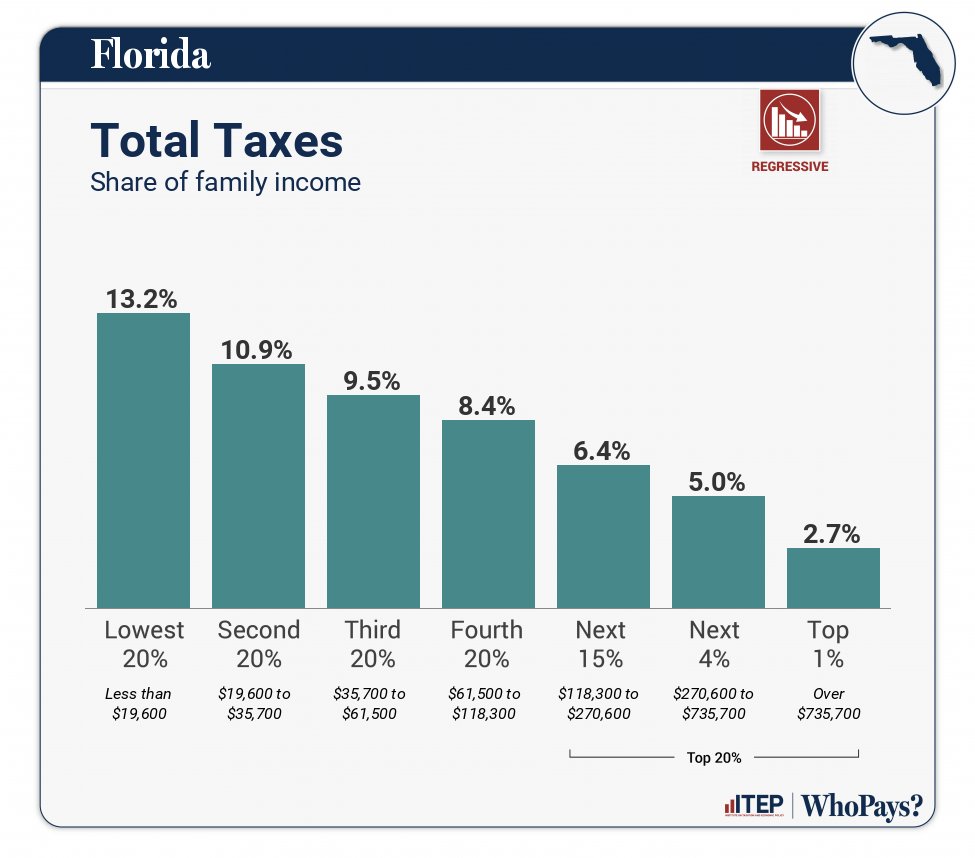
This absence of a state-level income tax is not merely a minor detail; it’s a fundamental economic policy that shapes the Florida experience. It influences everything from the affordability of living in popular destinations like Miami or Orlando to the viability of starting a new business in a competitive market. For travelers who fall in love with the state and contemplate making it their permanent home, understanding this tax structure is paramount. Similarly, for those planning a long-term accommodation, perhaps a villa rental in Naples or an extended stay at a resort in the Florida Keys, the financial implications of income tax – or the lack thereof – play a vital role in budgeting and decision-making.
The appeal of Florida extends far beyond its tax policies, of course. The state boasts an unparalleled tourism industry, offering a diverse range of experiences for every type of traveler. From the thrilling rides at Walt Disney World and Universal Orlando Resort to the serene natural beauty of the Everglades National Park and the historic charm of St. Augustine, there’s an attraction for everyone. The culinary scene is equally diverse, reflecting Florida’s multicultural influences, with fresh seafood dominating menus along the coastlines and international flavors thriving in its major cities.
When it comes to accommodation, Florida offers an extensive array of options, catering to every budget and preference. Luxury resorts and boutique hotels line the pristine beaches of Clearwater and Sarasota, while charming apartments and villas provide more private and home-like experiences in quieter neighborhoods. For those seeking adventure, the possibility of extended stays in places like Tampa or Fort Lauderdale becomes even more attractive when considering the financial savings from avoiding state income tax.
The Financial Advantage: A Closer Look at Florida’s Tax Structure
The absence of state income tax in Florida is a significant differentiator when compared to many other U.S. states. This policy has been in place for decades and has been a major driver of population growth and economic development. It means that individuals and families keep a larger portion of their earned income, which can be reinvested in businesses, spent on leisure activities, or saved for the future. This financial freedom is particularly appealing for those on fixed incomes, retirees, and high-net-worth individuals who are sensitive to tax liabilities.
For businesses, the lack of income tax can translate into increased profitability and a more competitive edge. This has encouraged a diverse range of industries to establish a presence in Florida, from technology and aerospace to healthcare and finance. Entrepreneurs looking to launch startups or expand existing operations often find Florida to be an exceptionally favorable environment. The state’s pro-business climate, coupled with its abundant natural resources and growing workforce, creates a fertile ground for economic success.
This tax advantage also impacts the lifestyle choices of residents. Individuals can allocate more of their income towards travel, dining out, entertainment, and other lifestyle enhancements. For example, a family planning a budget trip to Key West or a luxury stay in a beachfront suite in Palm Beach will find their travel budgets stretch further without the burden of state income tax. This allows for more frequent vacations, more elaborate experiences, and a generally higher quality of life.
The comparison to states with high income tax rates is stark. For instance, someone earning $100,000 annually in a state with a 5% income tax would pay $5,000 in state income tax. In Florida, that $5,000 remains in their pocket, to be used as they see fit. This cumulative effect over years and across a large population contributes significantly to Florida’s robust economy and its reputation as a desirable place to live and work.
Understanding the Impact on Tourism and Lifestyle
The absence of state income tax in Florida has a profound and multifaceted impact on its tourism and lifestyle sectors. For visitors, this translates into more disposable income to spend on the very experiences that draw them to the state in the first place. Think about a family planning their annual pilgrimage to Orlando for theme park adventures at SeaWorld Orlando or LEGOLAND Florida. The savings from not paying state income tax can mean the difference between a comfortable trip and one where they have to cut back on attractions, dining, or souvenirs.

This financial flexibility also encourages longer stays and more frequent visits. Tourists who might have previously considered shorter trips might now opt for extended vacations, perhaps renting a villa in Sanibel Island for a month or enjoying a leisurely resort stay in Amelia Island. This directly benefits the hospitality industry, from hotels and resorts to vacation rental agencies and local businesses that cater to tourists. The ability to enjoy Florida’s attractions, such as the Vizcaya Museum and Gardens or the Ringling Museum of Art, without the looming specter of state income tax makes these experiences more accessible and enjoyable.
Furthermore, the lifestyle of Florida residents is directly enhanced by this tax policy. Individuals can more readily afford to indulge in activities that define the Florida lifestyle – boating along the coast, exploring the vibrant nightlife of South Beach, or enjoying world-class golf courses. For those considering a lifestyle change, such as relocating for retirement or seeking a more relaxed pace of life, the financial advantage of living in a no-income-tax state is a significant draw. It allows for greater financial independence and the freedom to pursue hobbies and interests without the added pressure of a substantial tax obligation.
The luxury travel segment also benefits immensely. High-net-worth individuals and those seeking premium experiences are drawn to Florida’s exclusive resorts and amenities. The ability to keep more of their income allows them to invest in upscale accommodations like the Ritz-Carlton properties or indulge in private villa rentals, further fueling the luxury tourism market. This, in turn, supports a vibrant ecosystem of high-end services, from fine dining to bespoke tour operators.
Long-Term Stays and Property Investment
The appeal of Florida as a destination for long-term stays and property investment is significantly amplified by its tax structure. For individuals considering a second home, a winter retreat, or even a permanent relocation, the elimination of state income tax is a compelling financial incentive. This is particularly true for retirees or individuals with passive income sources, as they can maximize their investment returns and retirement funds without the state government taking a significant cut.
When looking at accommodation options, the decision between a short-term hotel stay and a long-term apartment or villa rental becomes more financially viable in Florida. A person planning to spend several months exploring the natural wonders of the Florida Panhandle or enjoying the cultural offerings of Tampa can do so with greater financial ease. This often leads to a deeper immersion into the local culture and a more authentic experience of Florida living, moving beyond the typical tourist itinerary.
Property investment is another area where the absence of income tax plays a crucial role. Investors are drawn to the potential for appreciation and rental income, and the lack of an income tax on that rental income makes Florida properties a more attractive proposition. Whether it’s a condo in Fort Lauderdale or a beachfront house in Sanibel, the returns on investment are not diminished by a state-level income tax. This has contributed to a robust real estate market across the state, from the bustling urban centers to the tranquil coastal communities.
Furthermore, for businesses looking to establish a physical presence, the cost savings associated with not having to pay state income tax on employee salaries or corporate profits can be reinvested into the business. This could mean expanding operations, hiring more staff, or developing new products and services, all of which contribute to Florida’s economic dynamism. Landmark developments and major architectural projects, often undertaken by large corporations or wealthy individuals, also benefit from this tax-friendly environment, potentially leading to more ambitious and impressive constructions across the state.
Exploring Florida Beyond the Tax Benefits
While the absence of state income tax is a powerful draw, it is by no means the sole reason for Florida’s enduring popularity. The Sunshine State offers an unparalleled diversity of experiences that cater to every interest and demographic. For families, the iconic theme parks of Orlando, such as Magic Kingdom and Epcot, provide endless entertainment. Beyond the magical realms, the natural beauty of Florida beckons. The pristine beaches of the Gulf Coast, like those in Clearwater Beach and Siesta Key, offer relaxation and water sports, while the unique ecosystem of the Florida Everglades provides opportunities for wildlife viewing and eco-tourism.
Culture and history buffs will find plenty to explore. St. Augustine, the oldest continuously inhabited European-established settlement in the United States, is a treasure trove of historical landmarks and architecture. Miami pulsates with a vibrant arts scene, world-class museums like the Pérez Art Museum Miami, and the distinct Art Deco architecture of South Beach. For food lovers, Florida’s culinary landscape is a delightful fusion of Caribbean, Latin American, and Southern influences, with fresh seafood being a constant highlight, especially in coastal cities like Key West and Tampa.
The variety of accommodation options further enhances the appeal. From ultra-luxury resorts and sprawling beachfront villas to charming boutique hotels and family-friendly apartments, Florida caters to every budget and travel style. Whether you’re seeking a secluded getaway in the Florida Keys or a lively city break in Miami, you’ll find the perfect base for your adventures. The ease of travel within the state, with major airports in Orlando, Miami, and Tampa, and a well-developed road network, makes exploring its diverse regions simple and enjoyable.
Ultimately, Florida offers a compelling combination of financial advantages and an enriching lifestyle. The lack of state income tax provides a significant economic benefit, but it is the state’s vibrant culture, stunning natural landscapes, world-class attractions, and diverse culinary scene that truly capture the hearts of its residents and visitors. It’s a place where you can enjoy a high quality of life, pursue your passions, and experience the best of what the southern United States has to offer, all while keeping more of your hard-earned money.
LifeOutOfTheBox is a participant in the Amazon Services LLC Associates Program, an affiliate advertising program designed to provide a means for sites to earn advertising fees by advertising and linking to Amazon.com. Amazon, the Amazon logo, AmazonSupply, and the AmazonSupply logo are trademarks of Amazon.com, Inc. or its affiliates. As an Amazon Associate we earn affiliate commissions from qualifying purchases.