
Dreaming of sun-kissed beaches, vibrant cities, and a lifestyle that feels like a permanent vacation? For many, Florida represents the ultimate destination, whether for a relaxing getaway, a long-term stay, or a permanent relocation. While the state is renowned for its diverse travel experiences, world-class resorts, and captivating landmarks, an increasing number of individuals are considering a more profound investment: building their own home in the Sunshine State. This pursuit offers unparalleled customization and the chance to craft a residence perfectly tailored to one’s unique lifestyle, whether it’s a tranquil retirement haven, a bustling family base near theme parks, or a luxurious escape along the coast.

However, the question inevitably arises: how much does it truly cost to build a house in Florida? The answer, much like Florida’s eclectic landscape, is multifaceted. It involves a careful consideration of various factors, from the specific location you choose to the intricate details of your desired home. This comprehensive guide will break down the expenses involved, explore the unique considerations of building in Florida, and offer insights to help you navigate this exciting, yet complex, journey.
Understanding the Investment: What to Expect When Building in Florida
Building a new home in Florida is a significant financial undertaking, but it’s one that can yield immense personal satisfaction and a valuable asset. On average, the cost to build a house in Florida ranges from $240,000 to $400,000, excluding the price of the land itself. This figure is for the construction phase and covers everything from the foundation to the final touches. When considering the cost per square foot, prospective homeowners can expect to pay anywhere from $120 to $200. It’s crucial to understand that these are broad averages, and the final price tag can swing wildly based on a multitude of decisions you make throughout the process.
This investment isn’t just about brick and mortar; it’s about building a future, whether that involves frequent family trips to Walt Disney World, embracing the local culture in historic districts, or simply enjoying the tranquility of your own private oasis. The initial outlay might seem substantial, but the long-term benefits – modern amenities, energy efficiency, personalized design, and fewer maintenance surprises – often justify the expenditure.
Key Factors Influencing Your Florida Home Building Budget
The variability in construction costs stems from several critical factors, each capable of significantly impacting your overall budget. Understanding these elements from the outset is paramount for effective financial planning and achieving your dream home within a realistic framework.
Location, Location, Location: The Florida Landscape
Just as with buying existing accommodation, the geographical placement of your future home is arguably the most influential cost driver. Florida is a vast state, and land values fluctuate dramatically from one region to another.
- South Florida: Areas like Miami, Fort Lauderdale, and the surrounding coastal communities are known for their high land costs, driven by demand for luxury travel, proximity to vibrant city life, and stunning beachfront properties. Building here often involves premium pricing for labor and materials due to the density and desirability of the region.
- Central Florida: Cities such as Orlando and Tampa offer a slightly more moderate cost range, though still competitive, especially in areas close to major attractions like Universal Orlando Resort or bustling urban centers. Land can be more accessible here, but demand remains high.
- Southwest Florida: Regions like Naples and Fort Myers have seen significant growth, particularly among retirees and those seeking a relaxed, upscale lifestyle. While land prices here can be high, particularly near the coast or in master-planned communities, they might offer a slightly better value than comparable properties in Southeast Florida.
- Northern Florida & Panhandle: Areas like Jacksonville, Gainesville, and the Panhandle often present the most budget-friendly options for land, though the local economy and specific amenities will influence pricing.
Beyond the raw land cost, location also dictates local property taxes, insurance premiums, and even the availability and cost of skilled labor, which can vary depending on regional demand.
Size, Design, and Materials: Crafting Your Lifestyle
The size and complexity of your home’s design directly correlate with construction costs. A larger home naturally requires more materials and labor. Similarly, a custom architectural design with unique features, intricate rooflines, or expansive open-concept living spaces will be more expensive than a simpler, more conventional floor plan.
- Square Footage: The primary driver of cost. A modest 1,500 sq ft home will cost significantly less than a sprawling 3,000 sq ft residence.
- Number of Stories: Multi-story homes often incur higher costs due to the need for more complex framing, additional staircases, and specialized equipment.
- Architectural Style: A simple ranch-style home will generally be less expensive than a Mediterranean villa with ornate details or a modern marvel with extensive glass and unique angles.
- Materials and Finishes: This is where budget travel and luxury travel mentalities truly diverge. Choosing high-end materials like imported marble, custom cabinetry, smart home technology, and premium appliances can drastically increase costs. Conversely, opting for standard-grade options, while still high-quality, can help keep the budget in check. Considerations like impact-resistant windows (a must in hurricane-prone Florida), specific flooring types (tile, hardwood, luxury vinyl), and exterior finishes (stucco, stone veneer, siding) all contribute to the final price.
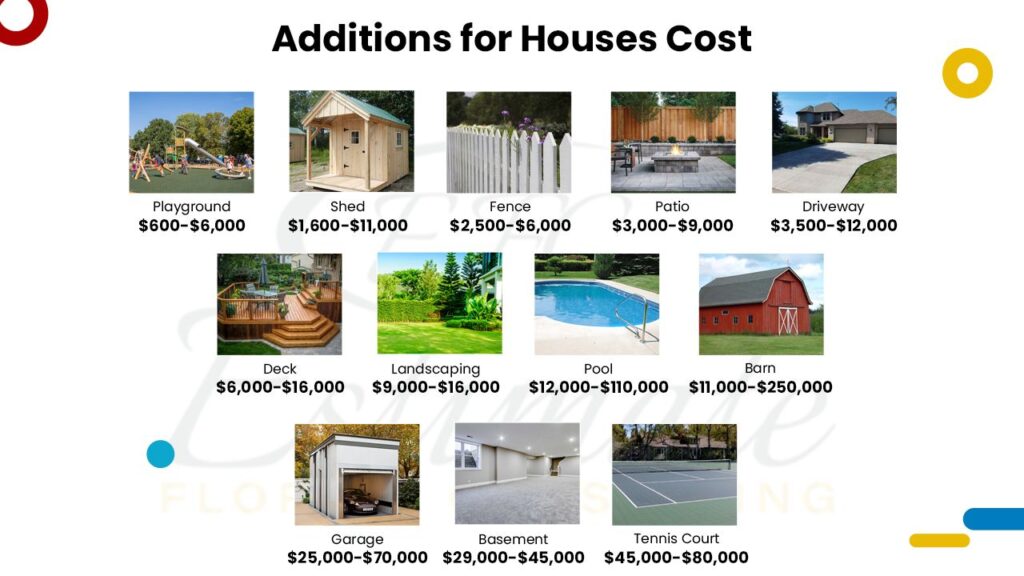
- Special Features: Swimming pools, outdoor kitchens, elaborate landscaping, smart home automation, and energy-efficient systems are all desirable additions that come with their own price tags. These features, while enhancing your lifestyle and home value, need to be factored into the initial budget.
Labor and Permits: The Unseen but Essential Costs
Skilled labor is a significant component of construction costs, and demand for tradespeople in a rapidly growing state like Florida can influence pricing. Permits, fees, and inspections are non-negotiable legal requirements that ensure your home is built safely and to code. These can vary based on your specific county and city, often costing several thousands of dollars. They cover aspects like zoning, building structure, electrical, plumbing, and mechanical systems.
Breaking Down the Costs: A Detailed Look at Construction Phases
To better understand where your money goes when building a house in Florida, it’s helpful to look at a typical breakdown of construction phases and their approximate percentage of the total budget. These percentages can fluctuate based on the specific project, but they offer a good general guideline.
- Permits, Plans, & Fees (Approx. 2-5%): This initial stage involves architectural plans, engineering reports, and securing all necessary permits from local authorities. Given Florida’s stringent building codes, especially related to hurricanes and flood zones, these fees can sometimes be higher than in other states.
- Site Preparation & Foundation (Approx. 10-15%): Before construction can even begin, the land needs to be prepared. This includes clearing, grading, excavation, and bringing in utilities. The foundation, whether slab, crawl space, or pier, is critical for structural integrity and is especially important in Florida’s often sandy or low-lying terrain.
- Framing (Approx. 15-20%): This is where the skeleton of your home takes shape. Lumber, steel, and the skilled labor to erect the walls and roof structure are major costs in this phase. The complexity of the roof design significantly impacts this portion.
- Roofing (Approx. 5-7%): A robust roof is essential in Florida for hurricane protection. This cost includes materials like asphalt shingles, metal, or tile, along with installation. High-quality, wind-resistant options are highly recommended and can add to the expense.
- Exterior Finishes (Approx. 10-15%): This encompasses siding, stucco, stone veneer, exterior paint, windows, and doors. The quality and type of windows, particularly impact-resistant ones, are crucial for both safety and energy efficiency.
- Interior Finishes (Approx. 25-30%): This is often the largest single category and where much of the personalization occurs. It includes drywall, interior paint, flooring (tile, laminate, hardwood, carpet), cabinetry, countertops (granite, quartz, laminate), plumbing fixtures, electrical fixtures, and appliances. The choices here heavily influence the final aesthetic and cost.
- HVAC, Plumbing, Electrical (Approx. 10-15%): These essential systems ensure comfort and functionality. This includes the installation of heating, ventilation, and air conditioning units (critical in Florida’s climate), all plumbing lines and fixtures, and the entire electrical wiring system, outlets, and circuit breakers.
- Landscaping & Driveway (Approx. 5-10%): While sometimes overlooked, creating an inviting exterior with proper drainage, a driveway, and landscaping contributes significantly to curb appeal and property value. This can include anything from basic sod and a few shrubs to elaborate gardens and irrigation systems.
Navigating the Florida Landscape: Permits, Regulations, and Unique Challenges
Building in Florida comes with specific considerations that are less common in other parts of the United States. These factors are critical for both safety and long-term financial planning.
Stringent Building Codes and Hurricane Preparedness
Due to its susceptibility to hurricanes and tropical storms, Florida has some of the most rigorous building codes in the nation, especially in coastal areas. These codes dictate everything from foundation requirements and framing techniques to roof construction and window specifications.

- Impact-Resistant Materials: Expect to invest in impact-resistant windows, doors, and garage doors, or at least provisions for hurricane shutters. While these add to the upfront cost, they offer invaluable protection and can lower insurance premiums in the long run.
- Roofing Standards: Roofs must be designed and installed to withstand significant wind uplift, often requiring specific fastening methods and materials.
- Structural Integrity: Foundations and framing are built to higher standards to ensure the home can endure extreme weather events.
Adhering to these codes is not optional; it’s a legal requirement designed to protect your investment and, more importantly, the lives of those within.
Flood Zones and Elevated Construction
Much of Florida is low-lying, making certain areas prone to flooding. If your chosen land is in a designated flood zone, you will likely face additional construction requirements and costs.
- Elevation: Homes in flood zones often need to be built on elevated foundations, such as pilings or stilts, to raise the finished floor above the base flood elevation. This can significantly increase foundation costs.
- Flood Vents: Specific requirements for flood vents are often mandated to allow water to flow through enclosed areas below the elevated living space, reducing hydrostatic pressure.
- Flood Insurance: Regardless of elevation, homes in flood zones will require additional flood insurance, a cost that must be factored into your ongoing homeownership budget.
It’s imperative to consult a topographical survey and understand the flood zone designation of any property before purchasing land in Florida.
Homeowners Insurance: A Significant Ongoing Cost
Given the heightened risk of natural disasters in Florida, homeowners insurance premiums can be substantially higher than in other states. While a newly built home with modern codes and hurricane-resistant features might qualify for some discounts, this remains a significant ongoing expense. Factors like proximity to the coast, construction type, and claims history in the area will all impact your rates.
Making Your Florida Dream Home a Reality: Tips for Budgeting and Success
Building a house in Florida is an exciting journey, and with careful planning and an understanding of the unique local nuances, it can be a highly rewarding experience. Here are some tips to help you manage your budget and ensure a successful build.
Strategic Budgeting and Financial Planning
- Contingency Fund: Always allocate an additional 10-20% of your total estimated construction cost as a contingency fund. Unexpected issues, material price increases, or desired upgrades are common during construction, and a buffer will prevent financial stress.
- Construction Loans: Explore construction-to-permanent loans. These loans provide funds during the building phase and then convert into a traditional mortgage once the home is complete. Lenders will typically require detailed plans, budgets, and often a reputable builder.
- Professional Advice: Engage with a financial advisor specializing in real estate or construction loans early in the process. They can provide tailored advice for your specific situation.
Choosing Your Team Wisely
- Reputable Builder: Select a builder with extensive experience in Florida, particularly in the specific region you’re interested in. Look for contractors who are familiar with local building codes, flood zone regulations, and hurricane preparedness. Check references, review their past projects, and ensure they are licensed and insured. Their expertise is invaluable.
- Architect/Designer: For custom homes, an architect or designer can help translate your vision into practical, code-compliant plans. They can also help optimize space, incorporate energy-efficient designs, and even suggest cost-saving alternatives without compromising aesthetics.
- Real Estate Agent: A local real estate agent who specializes in land sales can help you find suitable plots that meet your criteria and fit your budget, also providing crucial insights into local zoning and potential development challenges.
Smart Design and Material Choices
- Energy Efficiency: Florida’s climate means high cooling costs. Investing in energy-efficient windows, insulation, HVAC systems, and appliances will save you money in the long run, even if the upfront cost is slightly higher. Consider solar panels as a long-term investment.
- Standard vs. Custom: While a fully custom home offers ultimate personalization, considering semi-custom plans or making minor modifications to existing builder plans can significantly reduce architectural and design costs.
- Material Selection: Balance your desires with your budget. You can often achieve a luxurious look with mid-range materials if chosen strategically. For example, using high-end finishes in key areas like the kitchen and master bath, and more standard options in secondary rooms.
Building vs. Buying an Existing Home
This is a common dilemma for those seeking accommodation in Florida.
Advantages of Building:
- Customization: Design your home exactly how you want it, from layout to finishes.
- New Systems: Everything is brand new, leading to fewer immediate repairs and lower maintenance costs initially.
- Energy Efficiency: New homes can incorporate the latest energy-saving technologies, resulting in lower utility bills.
- Modern Codes: Built to the most current Florida building codes, offering superior hurricane resistance and safety.
Disadvantages of Building:
- Longer Timeline: Construction can take 6-18 months or more, subject to delays from weather, labor shortages, or material issues.
- Potential for Stress: Managing a construction project can be stressful, even with a good builder.
- Unexpected Costs: Despite careful planning, unforeseen expenses can arise.
Advantages of Buying an Existing Home:
- Quicker Move-in: Move in much faster, often within weeks or months.
- Established Neighborhoods: Already has landscaping, mature trees, and established community amenities.
- Potentially Lower Initial Cost: Often, the purchase price might be lower than building new, especially for older homes.
Disadvantages of Buying an Existing Home:
- Compromises: You may have to compromise on layout, features, or finishes.
- Potential for Repairs: Older homes may require significant maintenance or updates.
- Less Energy Efficient: Older homes typically aren’t as energy-efficient as new builds.
Ultimately, the decision depends on your budget, timeline, desire for customization, and tolerance for project management.
Building a house in Florida is more than just a construction project; it’s an investment in a lifestyle. Whether you envision a luxury retreat near Miami, a family-friendly abode in Orlando, or a serene haven in Southwest Florida, understanding the costs and unique challenges is the first step toward turning that dream into a tangible reality. By meticulously planning, budgeting wisely, and assembling a trusted team, you can unlock the full potential of living the Florida dream, enjoying the sunshine, culture, and countless attractions from the comfort of a home truly built for you.
LifeOutOfTheBox is a participant in the Amazon Services LLC Associates Program, an affiliate advertising program designed to provide a means for sites to earn advertising fees by advertising and linking to Amazon.com. Amazon, the Amazon logo, AmazonSupply, and the AmazonSupply logo are trademarks of Amazon.com, Inc. or its affiliates. As an Amazon Associate we earn affiliate commissions from qualifying purchases.