
Florida, often dubbed the Sunshine State, is a perennially popular destination known for its stunning beaches, vibrant cities, and world-class attractions. From the magical theme parks of Orlando to the Art Deco charm of Miami and the tranquil beauty of the Florida Keys, the state offers an unparalleled array of experiences for every type of traveler. However, its geographical location also places it directly in the path of the Atlantic hurricane season, a period that brings heightened awareness and potential challenges for both residents and visitors.
When the question “What hurricane is hitting Florida?” arises, it often sparks immediate concern for those planning or currently enjoying a trip. While specific hurricane threats can change rapidly, understanding the dynamics of hurricane season, knowing how to stay informed, and being prepared are crucial for ensuring a safe and enjoyable experience in Florida. This comprehensive guide delves into everything travelers need to know about hurricanes in the Sunshine State, from season specifics to essential travel preparation and what to expect should a storm approach.
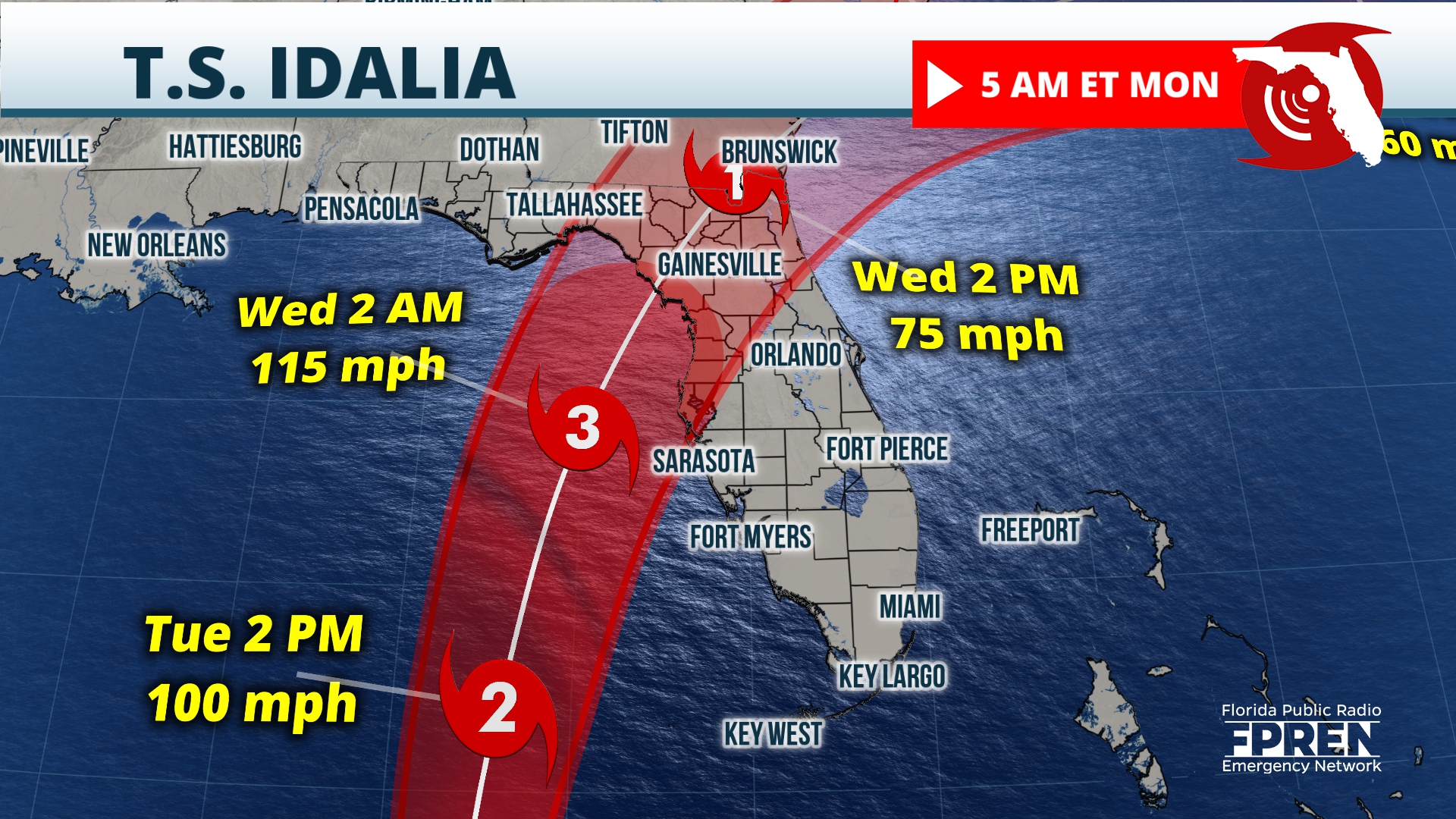
Understanding Hurricane Season in Florida
Hurricane season is a regular occurrence for Florida and other coastal regions along the Atlantic Ocean and Gulf of Mexico. Rather than deterring travel entirely, an informed approach allows visitors to plan effectively and enjoy the state’s many offerings with peace of mind.
When is Hurricane Season?
Officially, the Atlantic hurricane season runs from June 1st to November 30th each year. Within this six-month window, the peak activity typically occurs from mid-August through October. During this time, the warm waters of the Atlantic Ocean, the Caribbean Sea, and the Gulf of Mexico provide the ideal conditions for tropical disturbances to form and strengthen into tropical storms and hurricanes. While storms can develop outside this period, they are less common.
Why Florida is Prone to Hurricanes?
Florida’s unique geography makes it particularly susceptible to hurricanes. As a peninsula stretching into warm tropical waters, it is naturally exposed to systems developing in the Atlantic basin. The warm ocean temperatures, low wind shear, and prevailing atmospheric patterns during the hurricane season all contribute to the state’s vulnerability. Furthermore, its extensive coastline means that nearly every part of Florida, from the Panhandle to the southern tip, has experienced the impact of a hurricane at some point in history. This makes understanding regional variations and staying updated on local advisories particularly important for travelers.
How Hurricanes are Monitored and Named?
The process of monitoring and naming tropical systems is a coordinated effort by several meteorological agencies. The National Hurricane Center (NHC), a division of the National Oceanic and Atmospheric Administration (NOAA) in the United States, is the primary authority for tracking and forecasting these storms. When a tropical disturbance reaches sustained winds of 39 mph, it is designated a tropical storm and given a name from a pre-determined list. Should its winds reach 74 mph or higher, it is upgraded to a hurricane.
Hurricanes are categorized using the Saffir-Simpson Hurricane Wind Scale, ranging from Category 1 (74-95 mph winds) to Category 5 (157 mph or higher). This scale helps to communicate the potential intensity and destructive power of an approaching storm, guiding emergency responders and the public in their preparations. Staying informed through official sources like the NHC website, local news channels, and the Florida Emergency Management Agency is paramount for anyone traveling to or residing in Florida during hurricane season.
Immediate Impact on Florida Travel and Tourism (Hypothetical Scenario)
To address the prompt directly, let’s consider a hypothetical scenario where a hurricane, let’s call it Hurricane Isabella, is currently threatening Florida. Please note: Hurricane Isabella is a fictional storm created for the purpose of this article to illustrate potential impacts.
Current Hurricane Situation: Hurricane Isabella’s Path
As of our hypothetical scenario, Hurricane Isabella is a powerful Category 3 storm with sustained winds of 120 mph, located approximately 300 miles southeast of Miami. It is moving west-northwest at 15 mph and is projected to make landfall along Florida’s southwest coast, potentially affecting areas from Naples up through Tampa Bay. Tropical storm force winds are expected to reach the Florida Keys and parts of South Florida within 24-36 hours, with hurricane conditions possible in the primary impact zone within 48 hours. Heavy rainfall, dangerous storm surge, and isolated tornadoes are also significant threats.
Advisories and Evacuations
In response to Hurricane Isabella’s imminent threat, hurricane warnings have been issued for coastal areas from Everglades National Park north to Sarasota. Tropical storm warnings are in effect for the Florida Keys and the Southeast Florida coast, including Miami and Fort Lauderdale. Mandatory evacuation orders have been issued for barrier islands and low-lying coastal zones in counties within the hurricane warning area, including parts of Collier, Lee, and Manatee Counties. Emergency shelters are being opened, and residents and visitors in these areas are urged to evacuate immediately. Always heed the advice of local authorities and the Florida Emergency Management Agency.
Travel Disruptions
The approach of Hurricane Isabella has led to significant disruptions across Florida’s travel infrastructure:
- Airlines: Major airlines have issued travel waivers for passengers traveling to, from, or through affected Florida airports. Miami International Airport (MIA), Orlando International Airport (MCO), Tampa International Airport (TPA), and Southwest Florida International Airport (RSW) have experienced numerous flight cancellations and delays. Travelers are strongly advised to check with their airlines for the latest flight status before heading to the airport.
- Roads: Key evacuation routes across the state are experiencing increased traffic volumes. Portions of I-75 and I-4 may be congested. Bridges to barrier islands are being closed in accordance with local emergency plans.
- Cruise Lines: Several cruise lines, including Carnival Cruise Line and Royal Caribbean International, have altered itineraries or canceled sailings departing from PortMiami, Port Canaveral, and Port Everglades. Passengers should contact their cruise line directly for updates on their specific voyages.
- Attractions: Theme parks such as Walt Disney World Resort and Universal Studios Florida in Orlando, and Busch Gardens Tampa Bay in Tampa, closely monitor storm developments and implement their robust hurricane preparedness plans. While these major parks are often resilient, they may announce closures or modified operating hours for the safety of guests and staff. Other attractions, smaller theme parks, and cultural sites may also close temporarily.
Preparing for Your Florida Trip During Hurricane Season
Traveling to Florida during hurricane season doesn’t mean canceling your plans entirely, but it does require an added layer of preparation and awareness. With smart planning, you can minimize potential disruptions and ensure a safer, more enjoyable journey.
Essential Pre-Travel Checks
Before you even book your trip, especially if traveling during peak hurricane season, consider these vital steps:
- Travel Insurance: This is perhaps the most crucial investment. Look for comprehensive travel insurance that includes “cancel for any reason” (CFAR) coverage, which can protect your financial investment if you decide to cancel due to hurricane threats, even if official advisories haven’t triggered standard cancellation clauses. Standard travel insurance often covers cancellations due to mandatory evacuations or widespread travel interruptions declared by authorities. Carefully read the policy details to understand what is covered.
- Flexible Bookings: Whenever possible, opt for refundable or flexible flight and hotel bookings. Many airlines and hotels offer options that allow changes or cancellations without hefty fees, providing peace of mind.
- Monitor Weather Forecasts: Stay updated on long-range forecasts before your departure, and continuously monitor conditions closer to your travel date through reputable sources like the National Hurricane Center (NHC) and local Florida news outlets. This will help you make informed decisions about your trip.
- Know Your Accommodation’s Policies: Understand your hotel or resort’s hurricane policy. Many establishments in Florida have specific procedures for guests during a storm, including cancellation flexibility, sheltering options, or evacuation protocols.
Accommodation Considerations
Choosing the right accommodation can be a significant factor in your hurricane preparedness plan.
- Robust Hurricane Plans: Inquire about the hotel’s, resort’s, apartment, or villa’s hurricane preparedness plan. Reputable establishments, especially large resorts like those operated by Marriott, Hilton, or Grand Hyatt, typically have well-practiced protocols for guest safety, including emergency supplies, backup power, and communication systems.
- Location: While storm surge can affect coastal properties, inland accommodations might offer a slightly different risk profile. However, all parts of Florida can experience heavy winds and rain.
- Cancellation Policies: Double-check the cancellation and refund policies for your specific booking. Some may be more lenient during declared states of emergency. For long-term stays, ensure you understand the terms for early departure due to weather.
Packing Essentials for Unexpected Delays
Even with the best planning, travel during hurricane season can lead to unexpected delays or even temporary power outages. Pack a small “go-bag” within your luggage with essentials:
- Emergency Kit: Flashlight, extra batteries, a first-aid kit, and any necessary prescription medications.
- Important Documents: Keep identification, travel insurance information, booking confirmations, and emergency contacts in a waterproof bag.
- Power Banks: Portable chargers for your cell phone and other electronic devices are invaluable during power outages.
- Snacks and Water: A small supply of non-perishable snacks and bottled water can be helpful during travel delays.
- Entertainment: Books, games, or downloaded movies can make long waits or power outages more bearable.
Post-Hurricane Florida: Rebuilding and Resilience
Should a hurricane impact Florida, the immediate aftermath focuses on safety and recovery. However, the state is known for its incredible resilience, and most areas bounce back quickly, often within weeks or months.
Supporting Local Tourism
After a storm passes and an area is deemed safe for travel, one of the best ways to support affected communities is to visit. Tourism is a cornerstone of Florida’s economy, and your visits help local businesses, hotels, and attractions get back on their feet.
- Explore Unaffected Areas: If one part of the state is recovering, other regions often remain pristine and open for business. For example, if the Gulf Coast is impacted, the Atlantic Coast or central Florida might be fully operational and welcoming guests. Destinations like St. Petersburg, Destin, Panama City Beach, and Key West are incredibly popular, and visitors should check on their status directly with local tourism boards.
- Volunteer and Contribute: For those with the means and desire, contributing to reputable relief organizations or volunteering your time can be a powerful way to help with the recovery efforts.
- Check Before You Go: Always verify the status of specific attractions, restaurants, and hotels directly with them or their official tourism websites after a storm. Many will update their operational status promptly.
The Florida Spirit
The spirit of Florida is one of community, strength, and a rapid return to normalcy. Locals and businesses are accustomed to hurricane season preparedness, and recovery efforts are often swift and efficient. Major tourist landmarks and attractions like Walt Disney World Resort, Universal Studios Florida, Kennedy Space Center Visitor Complex, Castillo de San Marcos, South Beach, the Art Deco Historic District, Disney Springs, and Universal CityWalk typically have highly developed resilience plans and often reopen much faster than smaller, independent operations. The state invests heavily in infrastructure and emergency response, ensuring that the magic of Florida can be restored for all to enjoy as quickly as possible.
In conclusion, while the question “What hurricane is hitting Florida?” can be unsettling, preparedness and accurate information are your best allies. By understanding hurricane season, monitoring official advisories, and making informed travel decisions, you can navigate potential weather challenges and still experience the incredible beauty and vibrant lifestyle that Florida offers. Its enduring appeal as a top global destination, coupled with the resilience of its communities, ensures that the Sunshine State will continue to welcome travelers with open arms, come rain or shine.
LifeOutOfTheBox is a participant in the Amazon Services LLC Associates Program, an affiliate advertising program designed to provide a means for sites to earn advertising fees by advertising and linking to Amazon.com. Amazon, the Amazon logo, AmazonSupply, and the AmazonSupply logo are trademarks of Amazon.com, Inc. or its affiliates. As an Amazon Associate we earn affiliate commissions from qualifying purchases.