
Embarking on a new chapter in life often involves significant changes, and for many, a name change is a deeply personal and symbolic step. Whether you’re celebrating a marriage, embracing a new identity, or simply seeking a fresh start, understanding the process for changing your last name in Florida is crucial. This comprehensive guide will walk you through the necessary steps, ensuring a smooth and successful transition, whether you’re a resident planning a wedding at a charming St. Augustine inn or a new homeowner in the vibrant city of Miami.
While Florida offers beautiful beaches and exciting attractions like Walt Disney World and Universal Orlando Resort, the legalities of a name change are a separate, albeit important, matter. This guide focuses on the official procedures required by the state, helping you navigate the paperwork and court system with confidence. We’ll cover everything from understanding the different reasons for a name change to preparing your petition, attending court hearings, and updating your identification.

The process can seem daunting, but by breaking it down into manageable steps and understanding the requirements, you can efficiently achieve your desired name change. Think of it as planning an itinerary for a memorable trip to the Florida Keys – with the right plan, the journey is just as rewarding as the destination.
Understanding the Legal Framework for Name Changes in Florida
In Florida, changing your legal last name is primarily governed by state statutes, which outline the requirements and procedures for individuals seeking this change. The process generally involves petitioning a court for a legal name change. Unlike some states where a name change can occur simply through common usage or marriage certificates, Florida typically requires a formal court order to make the change legally binding for all official purposes.
The most common scenarios prompting a name change include marriage, divorce, personal preference, or gender transition. It’s important to note that the state has specific rules and considerations for each of these situations. For instance, a name change upon marriage is often facilitated by the marriage certificate itself, but a formal court order is still the most robust way to ensure all agencies recognize the change. For other personal reasons, a more extensive judicial process is involved.
Eligibility and Requirements
To petition for a legal name change in Florida, you must meet certain eligibility criteria. Generally, you must be a resident of Florida and at least 18 years old. Minors can also change their names, but the process requires a parent or legal guardian to petition on their behalf, and often involves a more detailed review by the court, including considerations for the child’s best interest.
There are also limitations on the types of name changes permitted. For example, you cannot change your name for fraudulent purposes, to evade creditors, or to infringe on the rights of others. The court will review the petition to ensure the requested name change is not for an illegal or deceptive purpose. This diligence is in place to protect the integrity of public records and prevent misuse of the legal system.
Common Scenarios for Name Changes
-
Marriage: When individuals marry in Florida, one or both partners may choose to change their last name. While the marriage certificate serves as a basis, obtaining a court order provides a definitive legal document for updating all official records. This is often a joyous occasion, and the name change can be an integral part of celebrating the union, perhaps after a romantic getaway to Key West.
-
Divorce: Following a divorce, a person may wish to revert to their maiden name or a previous legal surname. The divorce decree itself can sometimes include provisions for a name change, but again, a separate petition for a legal name change might be necessary depending on the specific circumstances and the court’s ruling.
-
Personal Preference: Individuals may decide to change their name for various personal reasons, unrelated to marital status. This could be to adopt a name that better reflects their identity, to honor family heritage, or simply because they dislike their current name. This process typically involves the most comprehensive court procedures.
-
Gender Transition: Individuals undergoing gender transition may seek a legal name change to align their legal name with their gender identity. Florida courts are generally supportive of these petitions when presented with proper documentation and adherence to legal procedures.
The Petition Process: Step-by-Step
The core of changing your last name in Florida involves filing a petition with the appropriate court. This legal document formally requests the court to grant your name change. The specific court you petition will depend on your county of residence.
Step 1: Prepare Your Petition for Name Change
The first formal step is to draft and file a “Petition for Change of Name.” This document, which can often be found as a template on the Florida court system’s website or obtained from the clerk of court, requires specific information. You will need to provide your current legal name, the name you wish to adopt, your date of birth, your address, and your social security number.
Crucially, the petition must state the reason for your name change. As mentioned earlier, you must clearly articulate a legitimate reason that does not involve fraud, deception, or evasion of legal obligations. You will also need to attest that you are not seeking the name change to avoid debts or criminal prosecution.
- Essential Information to Include:
- Your current legal name.
- Your desired new legal name.
- Your date of birth.
- Your current address.
- Your social security number.
- The statutory reason for your name change.
- A statement that the change is not for fraudulent purposes.
- Your signature and date.
Step 2: Filing the Petition and Paying Fees
Once your petition is complete, you will file it with the Clerk of the Circuit Court in your county of residence. Be prepared to pay a filing fee. The amount of this fee can vary by county, so it’s advisable to check with the specific clerk’s office beforehand. If you cannot afford the filing fee, you may be able to apply for a waiver based on indigency, by filing a “Motion to Waive Court Fees.”
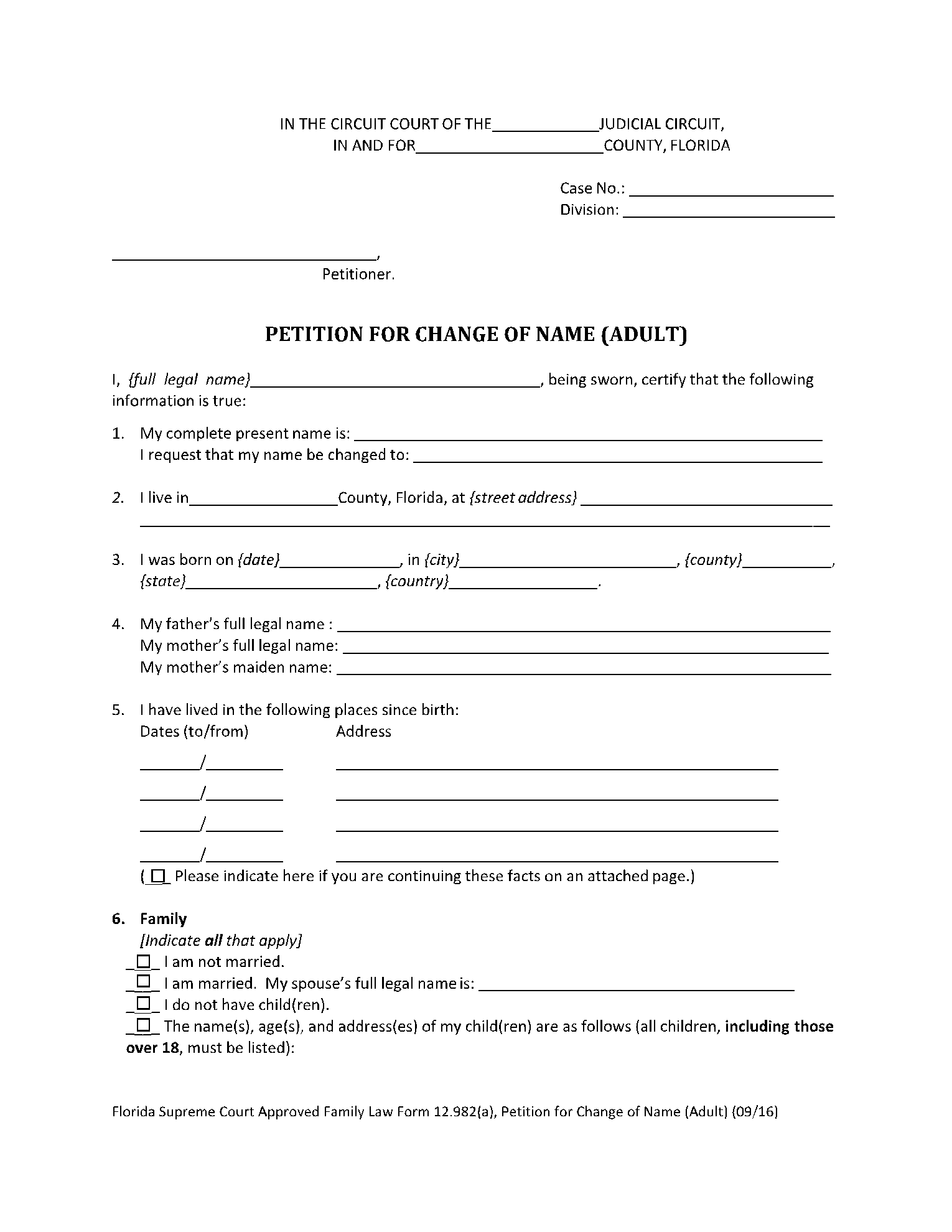
After filing, the clerk will assign a case number to your petition. This number will be essential for all future correspondence and court documents related to your name change.
Step 3: Publication of Notice (If Required)
In some cases, Florida law requires you to publish a notice of your intended name change in a local newspaper. This requirement is typically for name changes that are not directly related to marriage or divorce, and it serves to inform the public of your request. The purpose is to allow anyone who might object to the name change to come forward.
The court will specify whether publication is necessary and the details of how it should be done. This usually involves publishing a formal notice in a newspaper of general circulation in your county for a set period. You will need to provide proof of publication, typically an affidavit from the newspaper, to the court. The cost of this publication is an additional expense you should anticipate.
Step 4: Attending the Court Hearing
After filing and, if necessary, publishing the notice, the court will schedule a hearing. This hearing is your opportunity to appear before a judge and present your case for a name change. For simple, straightforward cases without objections, the hearing might be brief. The judge will review your petition and any accompanying documents.
You will likely be asked to swear under oath that the information in your petition is true and that you are seeking the name change for legitimate reasons. If there are no objections and the judge is satisfied that you have met all the legal requirements, they will grant your petition.
In rare instances, if an objection is filed, the hearing may become more formal, and you may need to present evidence or legal arguments. However, for most uncontested name changes, the process is relatively streamlined.
Finalizing Your Name Change and Updating Identification
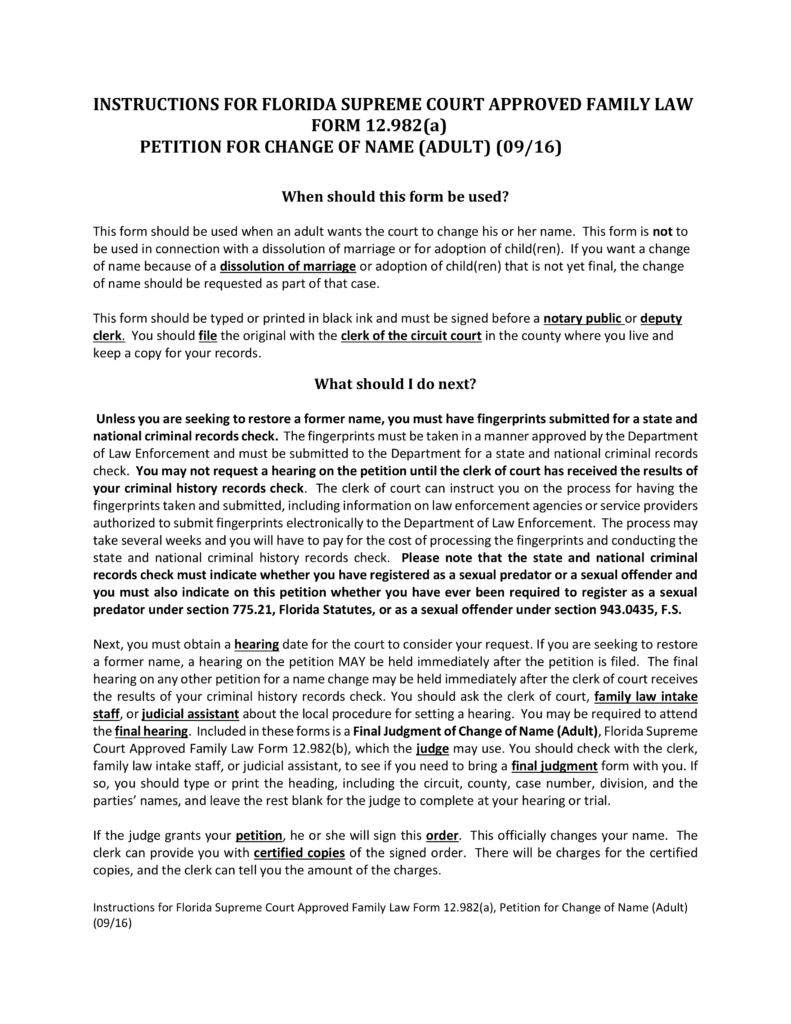
Once the court has granted your petition, you will receive a “Final Judgment of Name Change” or a similar court order. This official document is the legal proof that your name has been changed. It is crucial to obtain certified copies of this order, as you will need them to update your identification and inform various institutions of your new legal name.
Obtaining Certified Copies of the Court Order
After the judge signs the Final Judgment, request several certified copies from the Clerk of the Court. Each certified copy will bear an official seal and signature, confirming its authenticity. These are essential for updating your records. You’ll likely need them for your driver’s license, social security card, passport, bank accounts, and more.
Updating Your Identification and Official Records
This is arguably the most time-consuming part of the process, but it’s vital for your new legal name to be recognized across all official platforms.
-
Social Security Administration: This is usually the first agency you should notify. You will need to fill out an application for a new social security card and present your certified court order and proof of identity. This update will then filter to other government agencies.
-
Driver’s License/State ID: Visit your local Florida Department of Highway Safety and Motor Vehicles (DHSMV) office. You will need to bring your certified court order, your current driver’s license or ID, and potentially other forms of identification.
-
Passport: If you have a passport, you’ll need to apply for a new one with your updated name. The U.S. Department of State has specific forms and requirements for this process, which will include submitting your certified court order.
-
Banks and Financial Institutions: Inform your banks, credit card companies, and any other financial institutions of your name change. You’ll typically need to provide a certified copy of the court order.
-
Employer and Other Institutions: Update your name with your employer for payroll and HR purposes. You’ll also need to inform other entities such as the IRS, your insurance providers, utility companies, and any other place where your legal name is registered.
-
Travel and Accommodation: If you’re planning upcoming travel, especially to international destinations, ensure all your travel documents, including your passport and flight bookings, are updated with your new legal name. If you’ve booked a stay at a resort like The Breakers Palm Beach or a quaint bed and breakfast in Savannah (though this is in Georgia, the principle applies), make sure your reservations reflect your new name.
Important Considerations:
- Patience: The process of updating all your records can take time. Be patient and diligent in following up with each agency.
- Keep Records: Hold onto your certified court order and any receipts or confirmation documents from your updates.
- Common Usage vs. Legal Name: While you might start using your new name socially immediately, it’s not legally recognized until the court order is official and you’ve updated your identification.
Changing your last name in Florida is a significant legal undertaking, but with careful preparation and adherence to the outlined steps, you can successfully navigate the process. Whether this change marks a new beginning in your personal life, a celebration of love, or a step towards affirming your identity, this guide aims to equip you with the knowledge to make it a smooth and positive experience, allowing you to focus on enjoying your new chapter in the beautiful state of Florida.
LifeOutOfTheBox is a participant in the Amazon Services LLC Associates Program, an affiliate advertising program designed to provide a means for sites to earn advertising fees by advertising and linking to Amazon.com. Amazon, the Amazon logo, AmazonSupply, and the AmazonSupply logo are trademarks of Amazon.com, Inc. or its affiliates. As an Amazon Associate we earn affiliate commissions from qualifying purchases.