
Navigating the legal landscape, even for seemingly straightforward matters, can be a daunting prospect. When faced with a situation requiring legal action within the Sunshine State, understanding the process of filing a lawsuit in Florida is crucial. While this guide aims to provide a comprehensive overview, it is essential to remember that legal matters are complex, and consulting with a qualified attorney is always recommended for personalized advice. This article will break down the fundamental steps involved, from initial considerations to the actual filing and beyond, offering insights relevant to various scenarios, whether you are a resident or a visitor dealing with an issue that arose during your travels or accommodation.

Understanding the Foundations of a Lawsuit in Florida
Before embarking on the journey of filing a lawsuit, a thorough understanding of the underlying principles and preparatory steps is paramount. This stage is not merely about filling out forms; it’s about building a strong case and ensuring you are prepared for the legal proceedings ahead. Whether your dispute stems from a disappointing hotel stay, a contractual disagreement related to a villa, or an incident that occurred during your exploration of local culture, the initial groundwork remains consistent.
Preliminary Considerations Before Filing
The decision to initiate a lawsuit should not be taken lightly. It involves significant time, financial investment, and emotional toll. Therefore, before you even consider stepping into a courthouse, several critical questions need to be addressed.
Assessing Your Case and Potential Remedies
The first and most crucial step is to objectively assess the strength of your case. What are the facts? What evidence do you possess to support your claims? Are there any witnesses who can corroborate your account? Understanding the legal basis for your complaint is vital. Are you seeking monetary damages, specific performance of a contract, or injunctive relief? For instance, if you experienced a severe issue with a resort in Miami and incurred significant expenses due to their negligence, you would need to quantify those losses. Similarly, if a business transaction related to your lifestyle in Florida went awry, you must clearly define what you expect as a resolution.
Identifying the Proper Venue and Jurisdiction
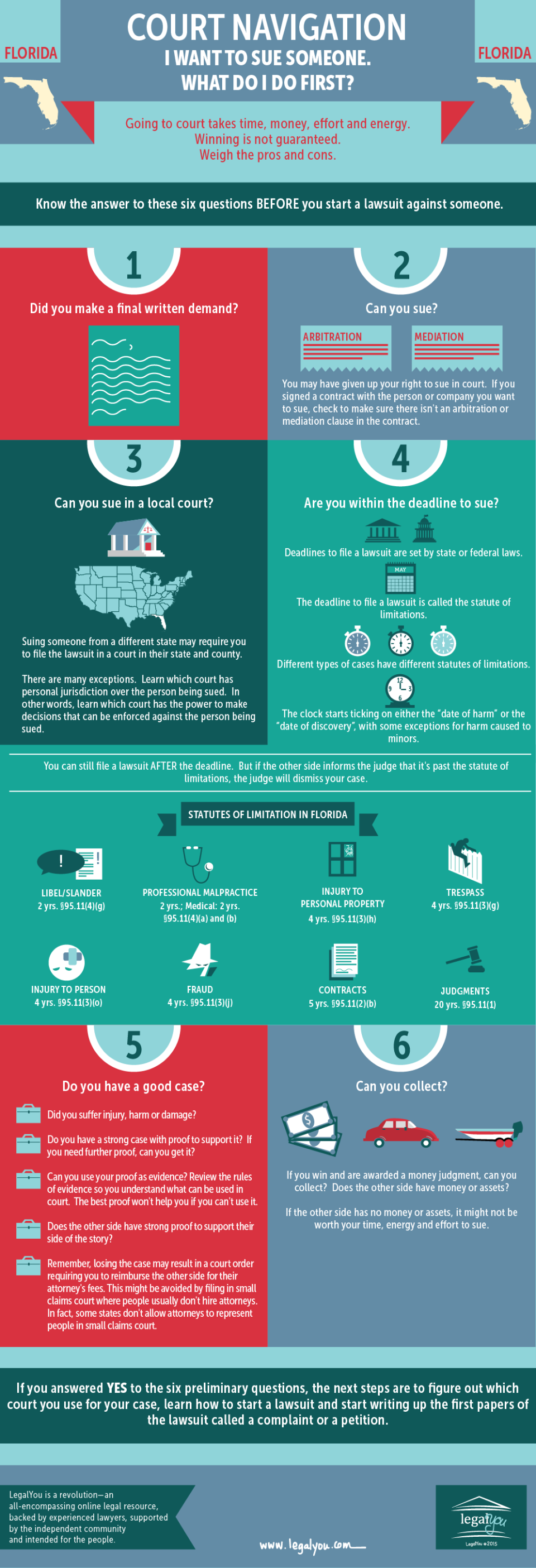
Florida has a tiered court system. You must determine which court has the authority to hear your case. This is known as jurisdiction. There are two primary types of jurisdiction to consider: subject matter jurisdiction, which refers to the court’s power to hear the specific type of case, and personal jurisdiction, which concerns the court’s power over the parties involved in the lawsuit. Generally, for lawsuits originating in Florida, the state courts will have jurisdiction.
The venue refers to the specific geographic location of the court within Florida where the lawsuit should be filed. This is often determined by where the events giving rise to the lawsuit occurred, where the defendant resides, or where the property in dispute is located. For example, if you had a negative experience at a popular attraction like Disney World in Orlando and the issue arose there, the lawsuit would likely need to be filed in the county where Orlando is situated.
Statutes of Limitations
Every type of legal claim has a time limit within which it must be filed, known as the statute of limitations. Failing to file your lawsuit within this prescribed period will result in your claim being forever barred, regardless of its merit. These statutes vary depending on the nature of the claim. For instance, a claim for breach of contract might have a different statute of limitations than a claim for personal injury. It is imperative to research the specific statute of limitations applicable to your situation and ensure you act within that timeframe. Missing a statute of limitations is a common pitfall that can be easily avoided with proactive planning.
Gathering Evidence and Documentation
A lawsuit is built on evidence. The more compelling and organized your evidence, the stronger your position will be. This stage is critical and often involves meticulous record-keeping and diligent searching for supporting materials.
Essential Documentation to Collect
What constitutes essential documentation will depend entirely on the nature of your lawsuit. However, some common types of evidence include:
- Contracts and Agreements: Any written agreements, leases, purchase orders, or service contracts relevant to your dispute. If you booked a luxury travel package or a long-term stay, all booking confirmations and terms of service are vital.
- Financial Records: Receipts, invoices, bank statements, canceled checks, and any other financial documentation demonstrating monetary loss or expenditure. This is particularly important if you are seeking financial compensation for damages related to a business stay or a disappointing experience.
- Correspondence: Emails, letters, text messages, or any other written or digital communication between you and the other party involved. This can include communications with a hotel manager regarding an issue at the resort or discussions with a tour operator.
- Photographs and Videos: Visual evidence can be incredibly powerful. This could include pictures of damages, faulty products, or conditions that led to your complaint. If you experienced a safety concern at a landmark, photographic evidence is crucial.
- Witness Information: Names, contact information, and a brief summary of what potential witnesses can attest to. This could include fellow travelers who witnessed an incident or staff members who can corroborate your account.
- Medical Records (if applicable): If your lawsuit involves personal injury, all medical records, doctor’s reports, and bills are indispensable.
Preserving Evidence
It is crucial to take steps to preserve any evidence you possess. This means refraining from deleting emails, discarding documents, or making significant changes to physical evidence that could be misinterpreted. If the evidence is electronic, ensure you have proper backups. If it is physical, store it in a safe place where it will not be damaged or altered.
The Lawsuit Filing Process in Florida
Once you have completed the preliminary considerations and gathered your evidence, you are ready to proceed with the formal filing of your lawsuit. This involves preparing specific legal documents and submitting them to the appropriate court.
Drafting the Complaint
The initial document filed to commence a lawsuit is called the Complaint. This is a formal legal pleading that outlines the factual basis for your claims and the relief you are seeking from the court.
Key Components of a Complaint
A well-drafted Complaint should include:

- Caption: This includes the name of the court, the county, the names of the parties (Plaintiff and Defendant), and the case number (which will be assigned upon filing).
- Jurisdictional Statement: This section explains why the court has the authority to hear your case.
- Factual Allegations: This is the core of your Complaint, where you present a clear, concise, and chronological narrative of the events that led to your dispute. Each factual assertion should be presented in numbered paragraphs.
- Causes of Action: Based on the facts, you will state the legal grounds for your lawsuit. These are your legal claims, such as breach of contract, negligence, fraud, or misrepresentation.
- Prayer for Relief: This section clearly states what you are asking the court to do. This typically includes a request for monetary damages, but can also include other forms of relief.
- Signature: The Complaint must be signed by the plaintiff or their attorney, certifying that the allegations are true to the best of their knowledge and belief.
Filing the Complaint with the Court
After the Complaint is drafted, it needs to be officially filed with the Clerk of the Court in the appropriate venue. There will be a filing fee associated with this process, the amount of which varies depending on the court and the nature of the claim. You can typically pay this fee in person at the courthouse or, in some cases, online. The Clerk will then assign a case number and stamp your Complaint, officially initiating your lawsuit.
Service of Process
Once the Complaint has been filed, the defendant(s) must be formally notified of the lawsuit. This is known as service of process. Proper service is critical, as without it, the court cannot proceed with the case.
Methods of Service in Florida
Florida law dictates specific methods for serving a defendant. These typically include:
- Personal Service: A sheriff’s deputy or a professional process server physically delivers a copy of the Complaint and a Summons (a document informing the defendant they have been sued and must respond) to the defendant. This is generally the most reliable method.
- Substituted Service: If personal service is not possible, substituted service may be permitted. This often involves leaving the documents with a person of suitable age and discretion at the defendant’s usual place of abode or business and then mailing a copy to the defendant’s last known address.
- Service by Mail: In certain circumstances, particularly for defendants located outside of Florida, service by certified mail may be an option.
Importance of Proper Service
Ensuring that service is performed correctly according to Florida Rules of Civil Procedure is paramount. Improper service can lead to delays, dismissal of your case, or even prevent you from refiling the lawsuit if the statute of limitations has expired. It is highly advisable to use a professional process server to ensure compliance with all legal requirements.
After Filing: Next Steps and Considerations
The filing of the Complaint and service of process are just the beginning of the litigation process. There are numerous subsequent steps and considerations that will shape the trajectory of your lawsuit.
Responding to the Lawsuit
Once the defendant has been served, they have a specific period (typically 20 days in Florida state courts) to file a response with the court. This response is usually an Answer, which admits or denies the allegations in your Complaint and may also raise affirmative defenses. If the defendant fails to respond within the allotted time, you may be able to seek a default judgment against them.
Discovery and Evidence Exchange
The discovery phase is where both parties exchange information and gather evidence to support their respective positions. This process can be extensive and may involve:
- Interrogatories: Written questions that must be answered under oath.
- Requests for Production of Documents: Requests for the opposing party to provide specific documents or tangible evidence.
- Depositions: Out-of-court sworn testimony of parties and witnesses, taken under oath before a court reporter.
Negotiation, Mediation, and Trial
Many lawsuits are resolved before reaching a trial.
- Negotiation: Parties can engage in direct discussions to try and reach a settlement.
- Mediation: A neutral third-party mediator facilitates discussions between the parties to help them reach a mutually agreeable resolution. This is a common step in resolving disputes, whether they involve a disagreement at a resort in the Florida Keys or a contractual issue with a local business.
- Arbitration: Similar to mediation, but the arbitrator’s decision is typically binding.
- Trial: If a settlement cannot be reached, the case will proceed to trial, where a judge or jury will hear the evidence and make a decision.
Seeking Legal Counsel in Florida
While this guide provides an overview of the lawsuit filing process in Florida, it cannot substitute for the expertise of a legal professional. The intricacies of Florida law, court rules, and procedural requirements are best understood and navigated by an experienced attorney.
When to Consult an Attorney
It is highly recommended to seek legal counsel at the earliest possible stage of your dispute, especially if:
- The case involves significant financial stakes.
- The legal issues are complex.
- The other party is represented by an attorney.
- You are unsure about your legal rights or the best course of action.
An attorney can help you assess the strength of your case, gather evidence, draft legal documents, represent you in court, and negotiate on your behalf. They can also advise you on whether pursuing a lawsuit is the most appropriate strategy for resolving your issue, considering alternatives like seeking compensation directly from the establishment you encountered problems with, whether it was a disappointing apartment rental or an unsatisfactory experience at a renowned landmark. Ultimately, professional legal guidance is your most valuable asset when confronting a legal challenge in Florida.
LifeOutOfTheBox is a participant in the Amazon Services LLC Associates Program, an affiliate advertising program designed to provide a means for sites to earn advertising fees by advertising and linking to Amazon.com. Amazon, the Amazon logo, AmazonSupply, and the AmazonSupply logo are trademarks of Amazon.com, Inc. or its affiliates. As an Amazon Associate we earn affiliate commissions from qualifying purchases.