
Planning a trip to the Sunshine State? From the pristine beaches of Miami and the theme park thrills of Orlando to the historic charm of St. Augustine and the natural wonders of Everglades National Park, Florida offers an unparalleled array of experiences for every type of traveler. Whether you’re dreaming of a luxurious South Beach escape, a budget-friendly family adventure, or a serene long-term stay, understanding the nuances of local taxation is a crucial step in budgeting effectively. One of the most common questions visitors have revolves around sales tax: What is it, how much will it add to your expenses, and where exactly does it apply?
Beyond the excitement of planning your itinerary and booking the perfect accommodation, getting a grasp of Florida’s sales tax system can prevent unwelcome surprises on your final bill. This guide will demystify Florida sales tax, detailing how it impacts everything from your hotel stay and dining experiences to souvenir shopping and attraction tickets. We’ll delve into the state’s baseline rate, explain the additional county-specific taxes you might encounter, and offer practical tips to help you navigate these costs like a seasoned pro, ensuring your focus remains on enjoying your unforgettable Florida journey.
The Foundation: Florida’s State Sales Tax Rate
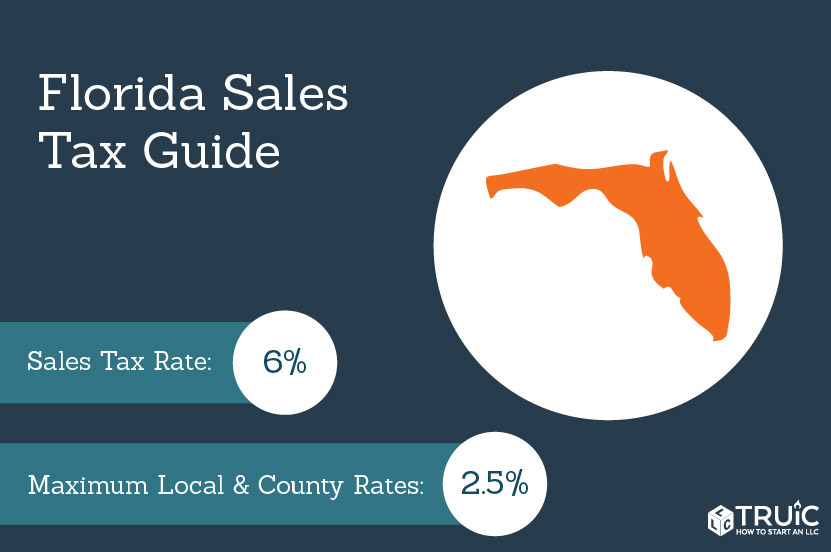
At its core, Florida imposes a statewide sales tax on the sale, rental, storage, or use of most goods and services. The standard state sales tax rate is 6%. This rate applies broadly across a vast spectrum of transactions, from purchasing merchandise in a gift shop to renting a car or enjoying a meal at a restaurant.
This 6% figure serves as the baseline, meaning that at a minimum, you can expect to pay this amount on taxable purchases. However, as we’ll explore, this isn’t always the final rate you’ll encounter. Various counties in Florida have the authority to levy additional local option taxes, often referred to as discretionary sales surtaxes, which can increase the total sales tax rate you pay depending on your specific location within the state. Understanding this distinction is key, as a shopping spree in Miami-Dade County will incur a different combined sales tax rate than buying the same item in Orange County, home to many of Orlando’s major attractions.
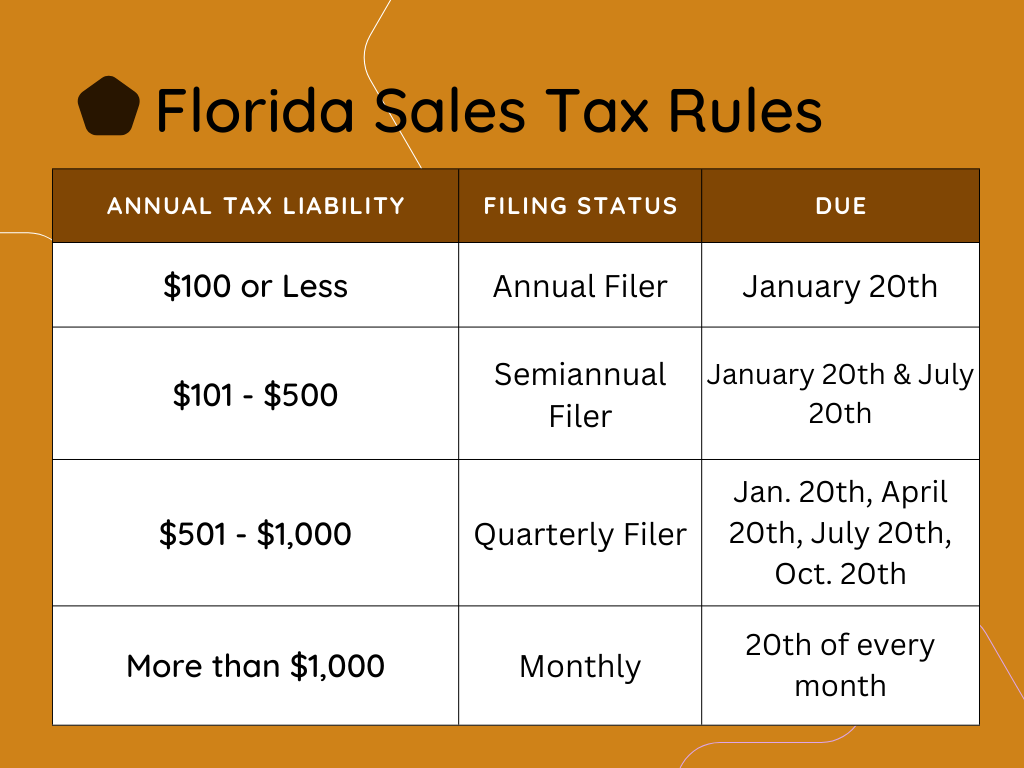
For visitors, the implication is straightforward: the sticker price you see on many items or services often doesn’t include the sales tax. This tax will be added at the point of sale, so it’s always wise to factor it into your budget, especially when making significant purchases or planning your overall travel expenses.
Sales Tax and Your Florida Travel Budget
For most travelers, accommodation, dining, and attractions make up the lion’s share of their expenses. Florida sales tax significantly impacts these categories, making it essential for smart budgeting.
Accommodation: Hotels, Resorts, and Beyond
When it comes to where you lay your head in Florida, sales tax, and an additional, often higher, tax known as the Tourist Development Tax (TDT), will likely apply.
- State Sales Tax on Accommodation: The standard 6% Florida sales tax is applied to the rental of transient accommodations. This includes hotel rooms, motel rooms, suites, resorts, vacation rentals (whether booked directly or through platforms like Airbnb or Vrbo), and even timeshares that are rented out. So, if your room rate is $200 per night, expect to add at least $12 for state sales tax.
- The Tourist Development Tax (TDT): This is where it gets a bit more complex, and potentially more expensive for travelers. The TDT, also known as a resort tax or “bed tax,” is a local option tax levied by counties on transient rentals for six months or less. It’s specifically designed to fund tourism-related infrastructure, marketing, and cultural facilities. The rate of the TDT varies significantly by county, typically ranging from 1% to 6% on top of the state sales tax.
- For example, if you’re staying in Orange County (home to Walt Disney World Resort and Universal Studios Florida), you’ll pay the 6% state sales tax plus a 6% TDT. This means your accommodation bill effectively has a 12% tax added on top of the room rate.
- In Miami-Dade County, the TDT can be even higher in some zones, reaching up to 6%, which combines with the 7% discretionary sales surtax (we’ll discuss this below) and the 6% state sales tax for a potentially very high overall tax rate on accommodation.
- Other popular destinations like Tampa, Key West, Naples, Fort Lauderdale, Sarasota, and Clearwater Beach all have their own specific TDT rates that visitors need to be aware of.
- Impact on Total Cost: The TDT can significantly increase the total cost of your accommodation, especially for longer stays or for those choosing premium resorts like a Hyatt, Marriott, or Hilton. A $300/night hotel room in Orlando would incur $18 in state sales tax and another $18 in TDT, bringing the nightly cost to $336 before any resort fees or other charges. Over a week, this adds up considerably.
- Long-Term Stay Exemption: An important detail for those planning extended visits or “snowbirds” is that rentals for periods of longer than six months (181 days or more) are generally exempt from both the state sales tax on accommodation and the TDT, provided there’s a written lease agreement. This offers a substantial saving for long-term residents or visitors.
Dining and Entertainment: What to Expect
Eating out and enjoying Florida’s myriad attractions are quintessential parts of the travel experience, and sales tax applies to most of these activities.
- Restaurant Meals and Prepared Foods: Whether you’re enjoying gourmet dining in Palm Beach, grabbing a quick bite at Disney Springs or Universal CityWalk, or sipping a cocktail on Amelia Island, all prepared food and beverage sales are subject to the combined state and local sales tax rate of the county you’re in. This means your bill will reflect the 6% state sales tax plus any applicable discretionary sales surtax.
- Groceries: A welcome relief for budget-conscious travelers, most staple food items sold in grocery stores are exempt from sales tax. This means you won’t pay tax on bread, milk, fresh produce, meat, and other basic ingredients if you decide to cook some of your own meals, especially if staying in a vacation rental or an apartment-style hotel with kitchenettes. However, prepared foods, deli items, hot food bars, and certain beverages (like soda, but not usually fresh juice) are generally taxable.
- Attraction Tickets and Admissions: Entry to Florida’s world-famous theme parks like Walt Disney World Resort, Universal Studios Florida, SeaWorld Orlando, Busch Gardens Tampa Bay, Legoland Florida Resort, and even museums, concerts, sporting events, and other entertainment venues are subject to the combined state and local sales tax. When purchasing tickets, the tax is typically added to the advertised price. So, a $100 ticket might cost you $106 or $107 depending on the county’s combined rate.
- Souvenirs and Merchandise: Any physical goods you purchase, from clothing and electronics to gifts and souvenirs, are subject to the combined state and local sales tax rate of the county where the transaction occurs. This applies whether you’re shopping at a boutique in Sarasota, a mall in Jacksonville, or a gift shop at the Kennedy Space Center Visitor Complex.
Transportation and Services
- Car Rentals: Renting a car is often essential for exploring Florida beyond the immediate vicinity of major cities. Car rentals are subject to the combined state and local sales tax rate. In addition, you’ll often encounter various other fees and surcharges, such as a state rental car surcharge and county rental car surcharges, which can further inflate the final cost. Always scrutinize rental car quotes carefully to understand the all-in price.
- Guided Tours and Excursions: From airboat rides in the Everglades National Park to deep-sea fishing charters off The Florida Keys, most guided tours and excursions are considered taxable services, meaning the combined sales tax rate will apply.
- Exemptions: While most services are taxable, there are exceptions. For example, public transportation services, such as bus fares or train tickets on services like Brightline, are generally exempt from sales tax.
Understanding Local Option Taxes: Beyond the State Rate
While the 6% state sales tax is constant across Florida, the “local option taxes” are what introduce variability in the total tax rate. These are primarily:
- Discretionary Sales Surtax (County Sales Tax): Most of Florida’s 67 counties have chosen to implement an additional sales surtax on top of the state’s 6%. This surtax can range from 0.5% to 2.5%, bringing the combined sales tax rate in some areas up to 7% or even 8.5%. These funds are typically used for local infrastructure projects, transportation, or other county-specific needs.
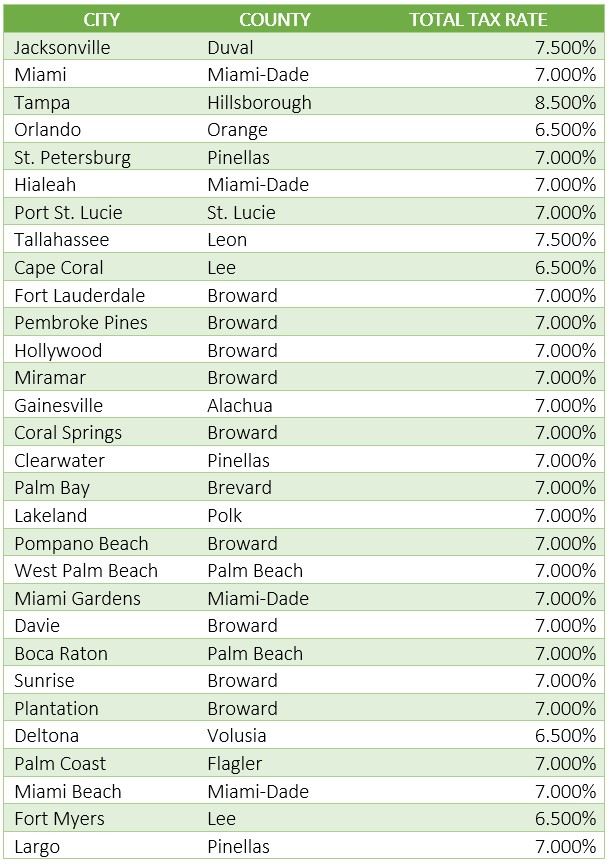
- For instance, if you’re shopping in Miami-Dade County, the state 6% sales tax is combined with a 1% discretionary sales surtax, resulting in a total sales tax rate of 7%.
- In Orange County, the combined rate is 6.5% (6% state + 0.5% surtax).
- It’s crucial to check the specific county you’re visiting for its current combined sales tax rate, as this will affect all your taxable purchases. The Florida Department of Revenue provides a comprehensive list of these rates, which are subject to change based on local government decisions.
- Tourist Development Tax (TDT): As previously discussed, this tax applies specifically to short-term accommodations and is levied by counties. It is in addition to both the state sales tax and any county discretionary sales surtax that applies to the accommodation itself. The TDT rates are specific to each county and range from 1% to 6% in most tourist-heavy areas like Orlando, Miami, Tampa, Kissimmee, St. Petersburg, and Daytona Beach.
The interplay of these taxes means that the final price you pay for items and services will depend heavily on your exact location within Florida. A luxury item purchased in Boca Raton could carry a different sales tax burden than the same item purchased in Panama City Beach or Pensacola, simply due to differing local surtaxes. Always consider the local tax environment when budgeting for your trip, especially if you plan to move between different counties.
Navigating Sales Tax as a Smart Traveler
Understanding Florida’s sales tax structure is the first step; effectively managing it is the next. Here are some smart strategies for travelers:
- Budget with Taxes in Mind: Never assume the advertised price is the final price. Always factor in the combined sales tax rate for the county you’ll be in, plus the TDT for accommodation. For a hotel, it’s safer to estimate an additional 10-13% (6% state sales tax + 4-7% TDT) on top of the room rate. For other purchases, assume 6.5-8.5%.
- Scrutinize Receipts: Make it a habit to check your receipts, especially for larger purchases or hotel bills. Ensure that the correct sales tax and TDT rates have been applied. Mistakes can happen, and it’s always better to catch them early.
- Ask for All-Inclusive Pricing (Where Applicable): When booking tours, packages, or certain hotel deals, inquire if taxes and fees are already included in the quoted price. While less common for standalone items, some all-inclusive resorts like Sandals Resorts or Club Med Sandpiper Bay often incorporate taxes into their package rates for accommodation and dining, simplifying budgeting. However, additional services or special purchases might still incur separate tax.
- Leverage Grocery Shopping: For budget-conscious travelers or families, taking advantage of the sales tax exemption on most groceries can lead to significant savings. Stock up on staple foods, snacks, and non-prepared items at local supermarkets instead of dining out for every meal. This is especially beneficial if your accommodation has kitchen facilities.
- Price Transparency: Be aware that some businesses might advertise prices “excluding tax” while others might include it implicitly for simplicity (though this is rare for sales tax). If in doubt, always ask for the “out-the-door” price.
- Understand County Borders: If you’re staying in one county but plan to shop or dine frequently in an adjacent county, be mindful that the sales tax rates might differ. For example, staying near the border of Orange County and Osceola County (also part of the Orlando area) means you could encounter slightly different rates for general sales tax and TDT.
Impact on Different Travel Styles
Florida’s diverse appeal means it attracts all sorts of travelers, and sales tax impacts each group differently.
Budget Travelers
For those focused on making every dollar count, sales tax can be a substantial hidden cost. A few percentage points might seem small, but they add up quickly on multiple meals, attraction tickets for a family, and daily accommodation.
- Strategy: Prioritize accommodations with kitchenettes, utilize grocery stores for meals, look for attractions that bundle tickets (sometimes offering slight discounts), and be mindful of your chosen county’s combined sales tax rate. Opting for destinations with lower TDTs or general sales surtaxes can also lead to savings.
Luxury Travelers
While sales tax might represent a smaller proportion of a luxury budget, it still applies to high-value purchases and premium services. A lavish stay at a five-star resort in Naples, a designer shopping spree in Palm Beach, or an exclusive charter yacht rental will all incur significant tax amounts.
- Strategy: For high-end expenditures, calculating the exact tax burden beforehand is advisable. Some luxury experiences might offer package deals where taxes are integrated, simplifying the financial aspect. Understanding the total cost can help in overall wealth management during your trip.
Family Trips
Families often face magnified costs due to the need for multiple tickets, larger accommodation, and frequent dining. Sales tax on these cumulative expenses can quickly inflate the total budget.
- Strategy: Families can benefit most from the grocery shopping exemption, choosing family-friendly accommodations that offer space and kitchen facilities, and looking into multi-day park passes or city passes that sometimes offer better value. Always factor in the tax per person when estimating attraction costs.
Business Stays
Business travelers often submit expense reports, and understanding sales tax is crucial for accurate accounting. Hotel stays, business meals, and transportation are common expenses where sales tax applies.
- Strategy: Keep meticulous records of all receipts. Familiarize yourself with your company’s expense policies regarding sales tax and whether it needs to be itemized separately or is considered part of the total expense. For long-term projects, exploring the six-month accommodation tax exemption can be beneficial for companies.
In conclusion, while Florida’s sales tax system might seem a little intricate at first glance, especially with the added layer of county-specific surtaxes and the Tourist Development Tax, it’s entirely navigable. By understanding the baseline 6% state rate, being aware of the local additions in popular destinations like Orlando, Miami, and Tampa, and applying smart budgeting strategies, you can ensure your financial planning is as sunny as your Florida vacation itself. From the historical streets of St. Augustine to the vibrant nightlife of Key West, enjoy all that Florida has to offer, confident in your grasp of its tax landscape.
LifeOutOfTheBox is a participant in the Amazon Services LLC Associates Program, an affiliate advertising program designed to provide a means for sites to earn advertising fees by advertising and linking to Amazon.com. Amazon, the Amazon logo, AmazonSupply, and the AmazonSupply logo are trademarks of Amazon.com, Inc. or its affiliates. As an Amazon Associate we earn affiliate commissions from qualifying purchases.