
Navigating the Sunshine State’s requirements for temporary vehicle registration can seem like a puzzle, especially for new residents or those temporarily relocating. Whether you’re embarking on an extended road trip through the scenic byways of Florida, planning a move to a vibrant city like Miami or Orlando, or simply purchased a vehicle and need to drive it legally before permanent registration, understanding the process for obtaining a temporary tag is crucial. This guide aims to demystify the steps involved, ensuring your experience with vehicle registration in Florida is as smooth as a drive along the Overseas Highway.
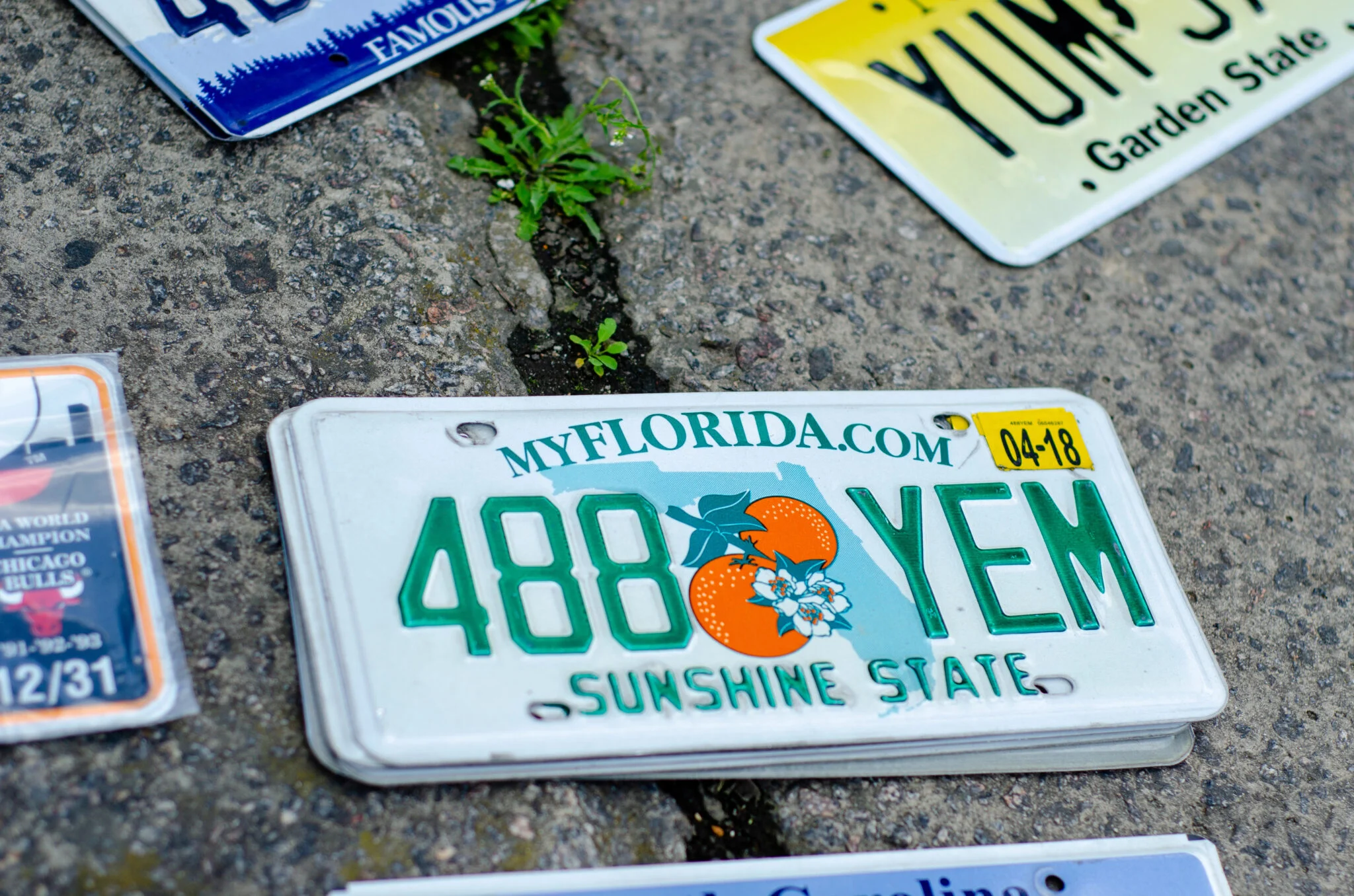
The primary purpose of a temporary tag, often referred to as a temporary license plate or temporary tag, is to provide legal authorization for a vehicle to be operated on public roads for a limited period. This is particularly important after purchasing a vehicle from a dealership or a private seller. In Florida, these temporary tags are issued by licensed dealers and serve as a bridge until you can obtain permanent plates from the Department of Highway Safety and Motor Vehicles (FLHSMV).
Understanding Florida’s Temporary Tag Requirements
Before diving into the “how-to,” it’s essential to grasp the fundamental aspects of temporary tags in Florida. These tags are not a free-for-all; they come with specific durations and conditions. Typically, temporary tags are valid for 30 days. This period is designed to allow ample time for vehicle owners to complete the necessary paperwork for permanent registration, including title transfers, insurance verification, and emissions testing (where applicable, though Florida has specific rules regarding emissions).
The issuance of temporary tags is a regulated process. In most scenarios, if you purchase a vehicle from a licensed dealer, they are legally obligated to provide you with a temporary tag as part of the sales transaction. This is often included in the purchase price or itemized as a separate fee. For private sales, the process can be slightly different and may require you to visit a licensed tag and title service or a county tax collector’s office to obtain a temporary tag.
Who Issues Temporary Tags in Florida?
The primary entities responsible for issuing temporary tags in Florida are:
- Licensed Vehicle Dealers: When you buy a new or used car from a dealership, they will issue you a temporary tag. This is the most common way individuals obtain temporary tags. The dealer handles the initial paperwork and ensures you have a legal tag to drive the vehicle off the lot. This process is often streamlined, as dealers are familiar with the requirements and have direct access to the necessary systems.
- Licensed Tag and Title Services: For private sales or if a dealer is unable to issue a temporary tag for any reason, you can visit a licensed tag and title service. These businesses are authorized by the FLHSMV to process vehicle registrations and issue temporary tags. They will typically charge a service fee in addition to the cost of the tag.
- County Tax Collector’s Offices: In some counties, the county tax collector’s office may also be able to assist with issuing temporary tags, particularly for situations involving private sales or complex title transfers. However, it’s advisable to check with your specific county’s tax collector office beforehand to confirm their services and operating hours.
The distinction between dealer-issued tags and those obtained through a tag and title service is important. Dealer-issued tags are typically tied to the sale of a vehicle from their inventory, while tags obtained through third-party services are more flexible and can be used in various private sale scenarios.
Documentation Required for Temporary Tags
To successfully obtain a temporary tag in Florida, you will generally need to present several key documents. The exact requirements might vary slightly depending on who is issuing the tag and the specific circumstances, but the following are almost always necessary:
- Proof of Vehicle Ownership: This is the most critical document.
- For New Vehicle Purchases from a Dealer: You will have a manufacturer’s Statement of Origin (MSO) or Certificate of Origin (COO) that the dealer uses to process the title. The bill of sale will also be essential.
- For Used Vehicle Purchases from a Dealer: You will receive a reassigned title from the previous owner, along with a bill of sale from the dealership.
- For Private Sales: You will need the signed-off title from the seller. It’s crucial that the title is properly signed and dated by all parties. A bill of sale is also highly recommended, detailing the purchase price, date, and vehicle information.
- Proof of Insurance: In Florida, it is mandatory to have at least $10,000 of personal injury protection (PIP) and $10,000 of property damage liability (PDL) insurance coverage on a vehicle before it can be registered. You’ll need to present an insurance policy card or declaration page as proof.
- Valid Identification: You will need to present a valid government-issued photo ID, such as a driver’s license or passport. This is to verify your identity and ensure you are legally permitted to register a vehicle.
- Application for Certificate of Title With/Without Registration (Form HSMV 82040): This form is essential for titling and registering your vehicle. It can be downloaded from the FLHSMV website or obtained from the issuing agency. Ensure it is filled out completely and accurately.
- Proof of Lien Satisfaction (if applicable): If the vehicle you are purchasing has a loan on it, you will need to provide proof that the lien has been satisfied. This usually comes in the form of a lien release letter from the lender.
- Sales Tax Payment: You will be required to pay sales tax on the purchase price of the vehicle. The current sales tax rate in Florida is 6%, with additional discretionary sales surtaxes that vary by county. This tax is collected at the time of registration.
Having all these documents in order will significantly expedite the process of obtaining your temporary tag and ensure you can legally drive your new vehicle without interruption. It’s always a good practice to have originals and copies of all important documents.
The Process of Obtaining a Temporary Tag
The actual process of getting your temporary tag can vary slightly depending on whether you are buying from a dealer or a private seller. However, the core steps remain consistent.
For New and Used Vehicle Purchases from a Dealership
If you’ve just finalized the purchase of a vehicle from a licensed dealership, the process of obtaining a temporary tag is typically straightforward and handled by the dealership.
- Dealer Initiates the Process: Upon completion of the sale, the dealership’s finance and insurance (F&I) department will begin the paperwork for your title and registration. This includes gathering all necessary information from you, such as your name, address, and insurance details.
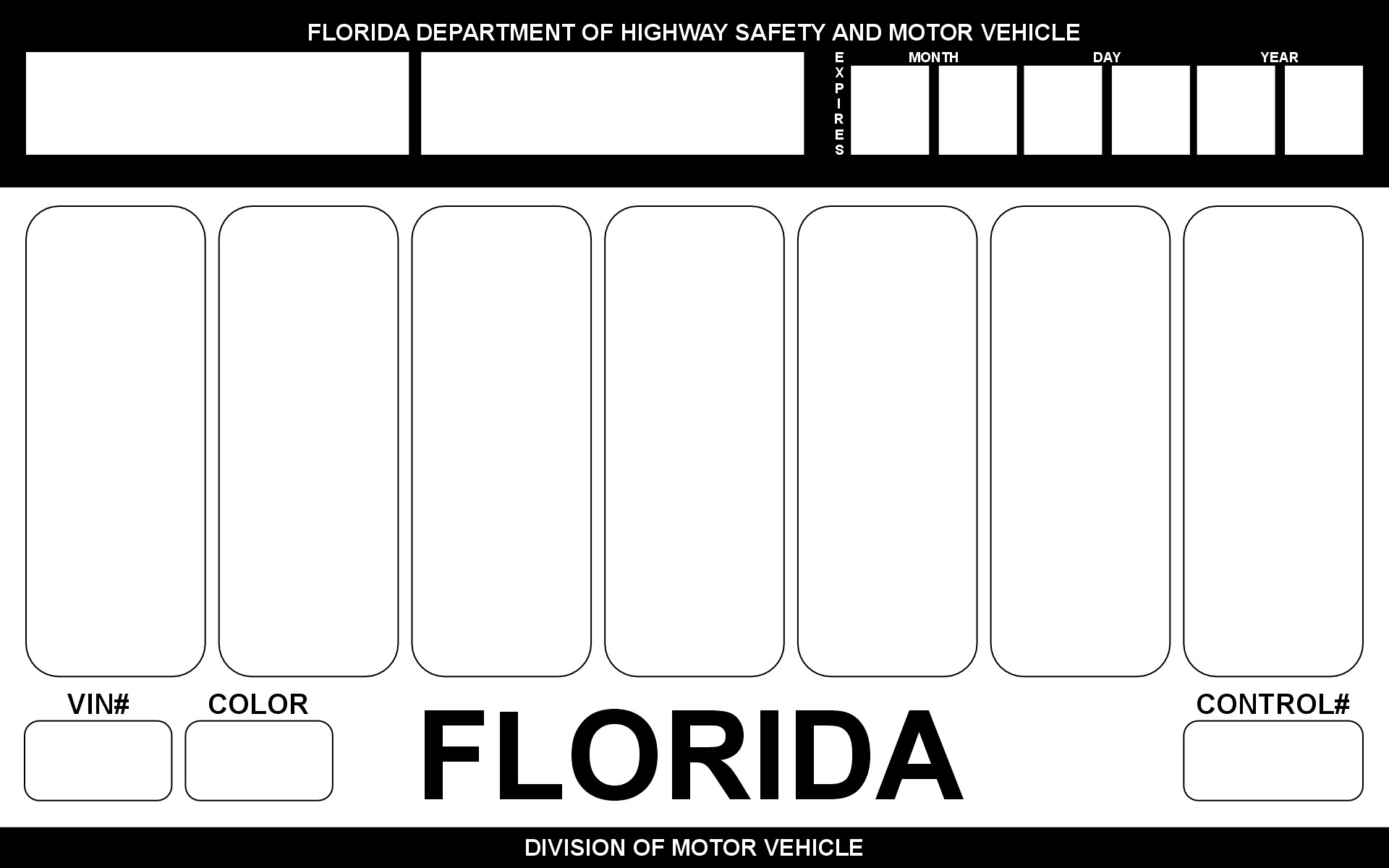
- Issuance of Temporary Tag: The dealer will then electronically submit the required information to the FLHSMV or its designated third-party provider. Once this is processed, they will print and affix a temporary tag to your vehicle. This tag will usually have the date of issuance printed on it and will clearly indicate its expiration date, which is typically 30 days from the issuance.
- Receipt of Paperwork: Along with the temporary tag, the dealership will provide you with a temporary registration document. They will also typically give you a packet of information detailing the next steps for your permanent registration, including any forms you might need to complete yourself if the dealer isn’t handling the entire permanent registration process.
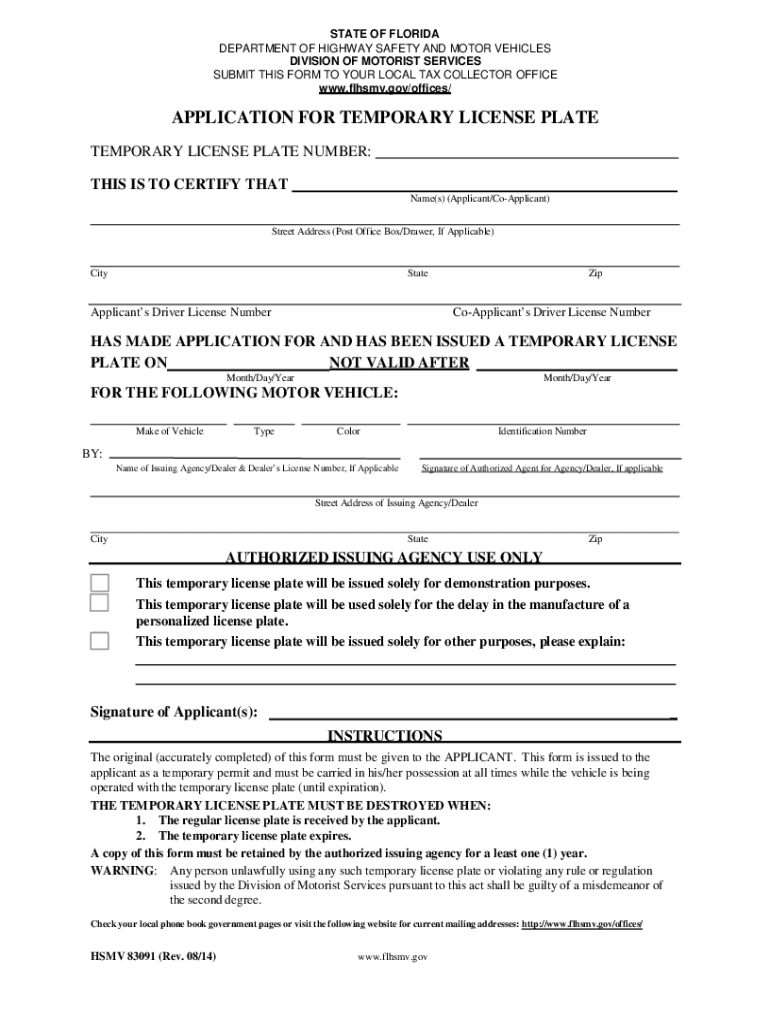
It’s vital to understand that the temporary tag and registration provided by the dealer are meant to be a temporary solution. The dealer usually handles the submission of your title and registration application to the FLHSMV. However, in some cases, you might be responsible for completing certain aspects of the permanent registration yourself, especially if you’re registering the vehicle in a different county or have unique circumstances. Always clarify with the dealership what their role is in the permanent registration process.
For Private Vehicle Sales
When purchasing a vehicle from a private individual, you will need to take a more active role in obtaining a temporary tag. Here’s how:
- Secure Necessary Documents from the Seller: Ensure you receive a properly signed-off title and a bill of sale. Verify that the Vehicle Identification Number (VIN) on the title matches the VIN on the vehicle.
- Obtain Proof of Insurance: As mentioned earlier, you must have Florida required insurance coverage. Get your insurance policy active for the vehicle.
- Visit a Licensed Tag and Title Service or County Tax Collector’s Office:
- Tag and Title Service: Locate a reputable licensed tag and title service in your area. These services specialize in handling vehicle registration paperwork for the public. You will present all your documents (title, bill of sale, proof of insurance, ID) to the service provider. They will assist you in completing the necessary forms, including the Application for Certificate of Title With/Without Registration (Form HSMV 82040). They will then process your application and issue you a temporary tag and registration. You will pay them the title and registration fees, sales tax, and their service fee.
- County Tax Collector’s Office: Some county tax collector offices offer similar services. It’s advisable to call ahead to confirm their specific requirements and hours of operation for issuing temporary tags. The process will be similar to visiting a tag and title service.
- Complete and Submit Forms: The staff at the tag and title service or tax collector’s office will guide you through filling out the required paperwork. This ensures accuracy and compliance with Florida regulations.
- Receive Temporary Tag and Registration: Once all paperwork is processed and fees are paid, you will be issued a temporary tag to affix to your vehicle and a temporary registration document.
It’s crucial to act promptly after a private sale. Driving an unregistered vehicle, even with a bill of sale, is illegal. Obtaining a temporary tag ensures you can legally operate the vehicle while you complete the permanent registration process.
After Obtaining Your Temporary Tag: Next Steps and Considerations
Receiving your temporary tag is a significant step, but it’s not the final one. There are important considerations and actions you need to take to transition to permanent registration and ensure compliance.
Permanent Registration in Florida
The temporary tag is a limited-time solution. You have 30 days from the date of purchase (for dealer sales) or the date of issuance (for private sales and tag/title services) to complete your vehicle’s permanent registration with the FLHSMV. Failure to do so can result in fines and penalties.
Here’s what you generally need to do for permanent registration:
- Gather All Required Documents: This includes your completed Application for Certificate of Title With/Without Registration (HSMV 82040), the vehicle’s title (properly assigned), proof of Florida insurance, your valid ID, and the bill of sale.
- Pay Applicable Fees and Taxes: You’ll need to pay the title fee, registration fee, and any applicable sales tax or surtaxes. The registration fee varies based on the vehicle’s weight and type.
- Visit a County Tax Collector’s Office: Take all your documents and payment to your local county tax collector’s office. They are the primary point of contact for processing permanent vehicle registrations in Florida.
- Receive Your Permanent License Plates and Registration: Once your application is processed and approved, you will be issued your permanent license plates and registration sticker. You will then need to affix these to your vehicle according to Florida law.
The process of permanent registration might involve inspections in certain circumstances, although for most standard vehicle purchases, it’s primarily a documentation and fee-based process. Always check the FLHSMV website for the most up-to-date information and any specific requirements for your vehicle.
Renewing or Extending Temporary Tags
In Florida, temporary tags are generally not renewable. The 30-day period is considered sufficient time to complete the permanent registration process. If you find yourself in a situation where you need an extension, it’s usually due to unforeseen circumstances or complexities in the title transfer. In such rare cases, you would typically need to contact the issuing agency (dealer, tag and title service, or county tax collector) to discuss your specific situation. They may be able to advise on whether a new temporary tag can be issued, but this is not guaranteed and often involves additional fees and justification. It is always best to aim to complete the permanent registration well within the 30-day window.
Legal Implications of Driving Without a Proper Tag
Driving a vehicle on public roads without a valid registration or a proper temporary tag is a serious traffic violation in Florida. This can lead to:
- Traffic Citations: You can be pulled over and issued a citation for operating an unregistered vehicle.
- Fines: Fines for such violations can be substantial and may increase if you are a repeat offender.
- Vehicle Impoundment: In some cases, law enforcement may have the authority to impound your vehicle until it is properly registered.
- Insurance Issues: Driving an unregistered vehicle can also create complications with your insurance policy. While Florida requires insurance for all registered vehicles, driving an unregistered one may be seen as a breach of terms.
To avoid these legal headaches, particularly if you are enjoying the diverse attractions Florida has to offer, from the theme parks of Orlando to the beaches of Clearwater, ensure your vehicle is legally registered. Whether you’re moving into a new apartment in Tampa or staying at a luxury resort near Naples, a valid temporary tag, followed by permanent registration, is essential for peace of mind and legal compliance.
In conclusion, obtaining a temporary tag in Florida is a vital step for anyone acquiring a vehicle. By understanding the requirements, gathering the necessary documentation, and following the correct procedures, you can ensure a smooth transition to legally operating your vehicle on the roads of the Sunshine State. Whether you’re a tourist exploring the wonders of Key West or a new resident settling into life in Jacksonville, a temporary tag is your first legal stride towards enjoying your vehicle to the fullest.
LifeOutOfTheBox is a participant in the Amazon Services LLC Associates Program, an affiliate advertising program designed to provide a means for sites to earn advertising fees by advertising and linking to Amazon.com. Amazon, the Amazon logo, AmazonSupply, and the AmazonSupply logo are trademarks of Amazon.com, Inc. or its affiliates. As an Amazon Associate we earn affiliate commissions from qualifying purchases.