
While “Florida” might conjure images of sun-drenched beaches, vibrant theme parks like Walt Disney World and Universal Studios Florida, and world-class resorts such as the Ritz-Carlton Amelia Island, the Sunshine State also presents a fertile ground for entrepreneurs. If you’re looking to establish a business presence in this dynamic economic landscape, understanding how to open a Limited Liability Company (LLC) in Florida is a crucial first step. This guide will walk you through the process, ensuring your entrepreneurial journey in Florida is as smooth and well-prepared as planning a luxury getaway to Miami or a budget-friendly family trip to the Florida Keys.
An LLC offers a compelling structure for small to medium-sized businesses, blending the liability protection of a corporation with the pass-through taxation and operational flexibility of a partnership or sole proprietorship. For those drawn to Florida not just for its travel appeal but for its business opportunities, this legal entity provides a solid foundation. Whether you’re envisioning a boutique hotel in St. Augustine, a tour operator showcasing the natural beauty of the Everglades, or a digital nomad service catering to long-term stays in apartments across the state, an LLC can be the ideal choice.
Understanding the LLC Structure in Florida
Before diving into the procedural steps, it’s essential to grasp what an LLC is and why it’s a popular choice for businesses operating in Florida. The primary benefit of an LLC is the separation of personal assets from business liabilities. This means that if your business incurs debts or faces lawsuits, your personal savings, home, and other assets are generally protected. This protection is a significant advantage, especially when compared to sole proprietorships or general partnerships where personal assets are at risk.
Furthermore, an LLC offers a streamlined operational structure. Unlike corporations, LLCs typically have fewer formal requirements regarding meetings and record-keeping. This flexibility allows business owners to focus more on their operations, be it managing hotel bookings, crafting unique travel experiences, or developing new tourism attractions. The pass-through taxation means that the LLC itself doesn’t pay federal income taxes. Instead, profits and losses are “passed through” to the owners’ personal income tax returns, avoiding the “double taxation” that can occur with C-corporations. This can lead to significant tax savings for many small businesses.
The decision to form an LLC in Florida is often driven by its business-friendly environment, growing population, and diverse economy. From the bustling financial centers of Tampa and Orlando to the tourism hubs of Fort Lauderdale and the tech corridors emerging across the state, opportunities abound. For individuals looking to capitalize on these opportunities, understanding the formation process is paramount.
Naming Your Florida LLC
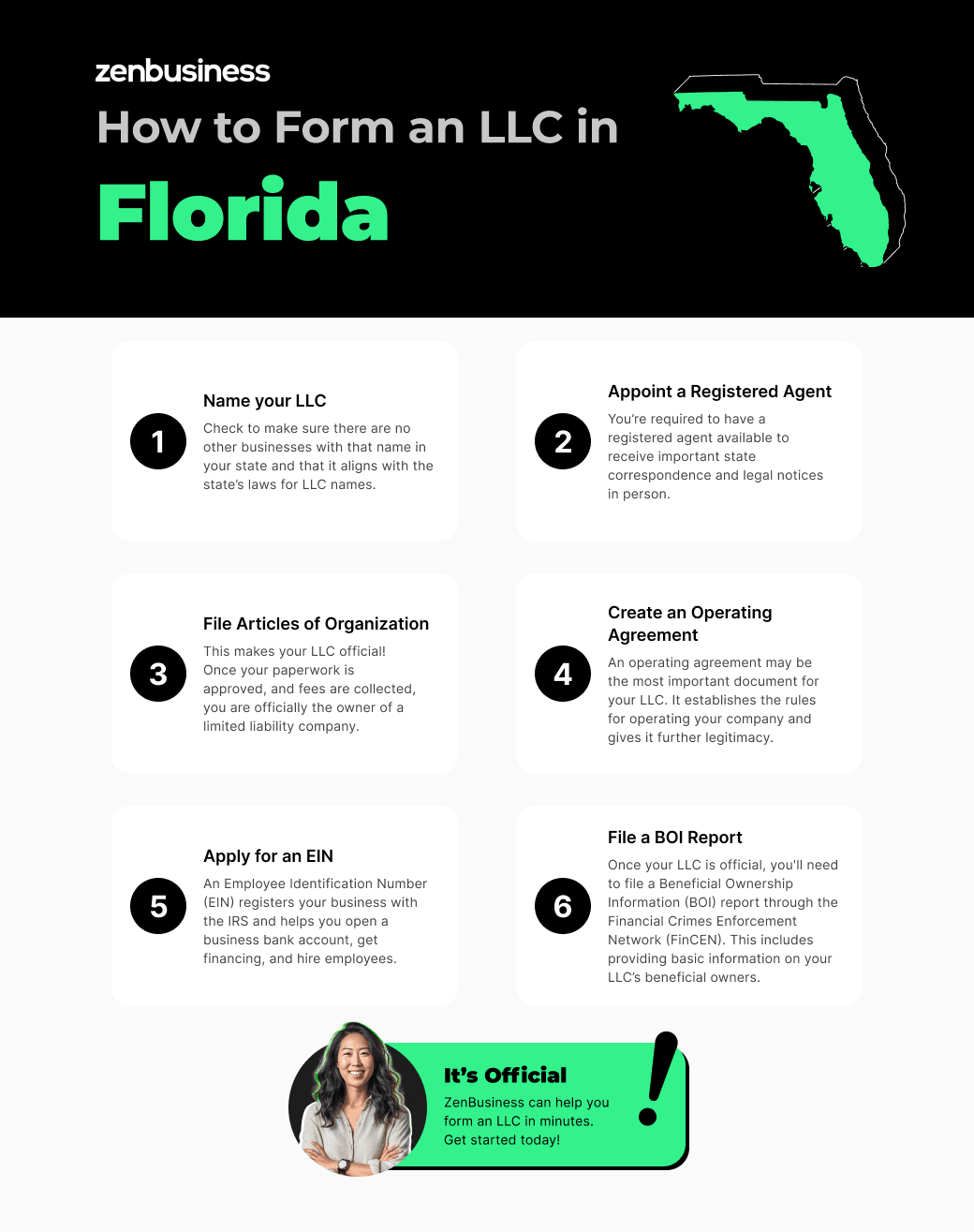
The first practical step in forming your LLC is choosing a business name. This might seem straightforward, but Florida has specific requirements to ensure uniqueness and clarity.
Choosing a Distinctive and Available Name
Your LLC name must be distinguishable from other business names already registered with the Florida Department of State. It also needs to include specific designators that indicate it’s an LLC. Common acceptable designators include:
- “Limited Liability Company”
- “LLC”
- “L.L.C.”
Some designators might be abbreviated or spelled out, but it’s best to stick to the universally recognized “LLC” for clarity and ease. The name should also be indicative of your business, whether it’s a luxury resort management company, a budget travel agency, or a local tourism guide service.
Before you get too attached to a name, it’s crucial to check its availability. The Florida Department of State’s Division of Corporations provides an online database where you can search for existing business names. This search will confirm whether your desired name is already in use.
Reserving Your Business Name (Optional but Recommended)
If you have a name you love but aren’t quite ready to file your LLC paperwork, you can reserve it for a period. This prevents other businesses from taking your chosen name while you finalize your formation documents. Name reservations typically last for a set period, after which you’ll need to reapply or file your formation documents to secure it permanently. This step is particularly useful if you’re in the planning stages of a business that will eventually operate in Florida, perhaps as an extension of your travel blog or a new venture inspired by your experiences at places like the Biltmore Hotel Miami.
Filing Your Articles of Organization in Florida
The core of establishing your LLC lies in filing the correct documentation with the state. This is the official act that brings your business into legal existence.
The Articles of Organization: Your LLC’s Birth Certificate
The document required to form an LLC in Florida is called the Articles of Organization. This document formally registers your LLC with the Florida Department of State. You can file this document online, by mail, or in person.

The Articles of Organization typically require specific information, including:
- The Name of the LLC: This must be the name you’ve chosen and confirmed as available.
- The Principal Office Address: This is the physical address where your business will be located in Florida. It cannot be a P.O. Box.
- The Registered Agent Name and Address: This is a crucial element. The registered agent is an individual or a company designated to receive official legal and tax documents on behalf of your LLC. The agent must have a physical address in Florida and be available during normal business hours. You can appoint yourself as the registered agent if you meet these criteria, or you can hire a registered agent service. This is vital for any business, from a small tour operator in Key West to a large resort management firm.
- Management Structure: You’ll need to indicate whether the LLC will be managed by its members (member-managed) or by appointed managers (manager-managed).
- Effective Date of the LLC: You can specify a future date for your LLC to become effective, which can be useful for planning purposes.
Filing the Articles of Organization involves a filing fee, which is subject to change by the state. It’s important to check the most current fee schedule on the Florida Department of State’s website to avoid any delays. Once filed and approved, your LLC officially exists as a legal entity in Florida. This is the foundational step for any entrepreneurial endeavor, whether it’s expanding your travel agency’s reach or launching a new hospitality venture inspired by stays at places like the Four Seasons Hotel Orlando at Walt Disney World Resort.
The Operating Agreement: Governing Your LLC’s Internal Affairs
While not legally required by the state of Florida for filing purposes, an Operating Agreement is a critical document for any LLC. This internal document outlines how the LLC will be managed, the rights and responsibilities of its members, and how profits and losses will be distributed. Think of it as the constitution for your business.
Key Components of an Operating Agreement
A well-drafted Operating Agreement should cover:
- Member Contributions: Details on initial capital contributions made by each member.
- Profit and Loss Distribution: How profits and losses will be allocated among members. This can be based on ownership percentages or other agreed-upon metrics.
- Management Structure and Duties: Clearly defines who manages the LLC and their specific responsibilities, especially if it’s a manager-managed LLC.
- Member Meetings and Voting Rights: Outlines how decisions are made and the voting power of each member.
- Adding or Removing Members: Procedures for admitting new members or for members exiting the LLC.
- Dissolution of the LLC: The process and conditions under which the LLC can be dissolved.
Having a clear Operating Agreement can prevent disputes among members, ensuring the smooth operation of your business, whether it’s a small family-run guesthouse or a larger enterprise managing multiple vacation rentals across Florida. It provides a roadmap for the future and helps maintain good governance, much like a well-structured travel itinerary ensures a memorable trip.
Post-Formation Requirements for Your Florida LLC
Once your LLC is officially formed, there are several ongoing requirements and steps to ensure compliance and maintain its legal standing. These are often overlooked but are crucial for the continued success and protection your LLC offers, akin to essential travel documents or booking confirmations.
Obtaining an Employer Identification Number (EIN)
An Employer Identification Number (EIN), also known as a Federal Tax Identification Number, is issued by the Internal Revenue Service (IRS). You will need an EIN if your LLC plans to hire employees, operates as a multi-member LLC, or files certain tax returns. Even if not strictly required, obtaining an EIN is highly recommended for opening a business bank account and establishing the LLC’s financial identity separately from its owners. You can apply for an EIN online for free directly through the IRS website. This is a straightforward process that provides your business with its unique tax identifier.
Opening a Business Bank Account
Keeping business finances separate from personal finances is a cornerstone of LLC protection. Once you have your Articles of Organization and your EIN, you should open a dedicated business bank account for your LLC. This account will be used for all business transactions, including deposits, payments, and payroll. Maintaining separate accounts is essential for accurate bookkeeping and for reinforcing the liability protection that the LLC provides. This is particularly important if your business involves managing bookings for accommodations or processing payments for travel packages.
Understanding Florida’s Annual Requirements
Florida requires LLCs to file an annual report with the Department of State. This report is a statement of information that updates the state on your LLC’s details, such as its registered agent and principal office address. The annual report is due by May 1st each year. Failure to file the annual report can result in the dissolution of your LLC by the state. Keeping track of this deadline is crucial for maintaining active status. For businesses operating in the tourism sector, this might be as vital as renewing permits for boat tours or booking system updates.
Business Licenses and Permits
Depending on your specific business activities and location within Florida, you may need to obtain various business licenses and permits. This can include federal, state, county, and city licenses. For example, a hotel or a bed and breakfast would need specific hospitality and health permits, while a tour operator might require specific licenses related to transportation or guiding. Researching the specific requirements for your industry and locale is a necessary step. This diligence ensures that your business operates legally and avoids potential fines or shutdowns, much like ensuring you have the correct visa for international travel or the necessary permits for exploring national parks. For instance, a business offering guided tours through natural reserves like Myakka River State Park would need to investigate specific environmental and guiding permits.
By diligently following these steps, from naming your LLC and filing the necessary paperwork to understanding ongoing compliance and licensing requirements, you can establish a strong legal foundation for your business in Florida. This allows you to focus on what you do best, whether that’s crafting unforgettable travel experiences, managing exquisite accommodations, or developing new tourism ventures that capture the spirit of the Sunshine State.
LifeOutOfTheBox is a participant in the Amazon Services LLC Associates Program, an affiliate advertising program designed to provide a means for sites to earn advertising fees by advertising and linking to Amazon.com. Amazon, the Amazon logo, AmazonSupply, and the AmazonSupply logo are trademarks of Amazon.com, Inc. or its affiliates. As an Amazon Associate we earn affiliate commissions from qualifying purchases.