
The allure of the Sunshine State extends far beyond its pristine beaches and vibrant theme parks. For many aspiring entrepreneurs, Florida presents a fertile ground for establishing and growing a business, with its favorable tax climate and dynamic economy. If you’re considering launching your venture in Florida, forming a Limited Liability Company (LLC) is a popular and often advantageous choice. An LLC offers the liability protection of a corporation while maintaining the pass-through taxation and operational flexibility of a sole proprietorship or partnership. This guide will walk you through the essential steps to starting your LLC in Florida, ensuring a smooth and compliant launch.
Understanding the Basics of an LLC in Florida
Before diving into the procedural aspects, it’s crucial to grasp what an LLC is and why it’s a preferred business structure. A Limited Liability Company is a hybrid business entity that combines the pass-through taxation of a partnership or sole proprietorship with the limited liability of a corporation. This means that the personal assets of the owners (called “members”) are generally protected from business debts and lawsuits. If the LLC incurs debt or faces litigation, the members’ personal savings, homes, and vehicles are typically shielded.
Florida offers a robust legal framework for LLCs, overseen by the Florida Department of State. The state’s business-friendly environment, combined with the inherent benefits of an LLC, makes it an attractive destination for entrepreneurs from various sectors, including those involved in tourism, hospitality, and lifestyle services, which are core to Florida’s economy. Whether you’re planning to open a boutique hotel in Miami, offer guided tours of the Everglades, or manage vacation rental properties near Walt Disney World Resort, an LLC can provide the legal and financial separation needed for peace of mind and operational efficiency.
Key Advantages of Forming an LLC in Florida:
- Limited Liability Protection: As mentioned, this is the primary draw. Your personal assets are protected from business liabilities.
- Pass-Through Taxation: Profits and losses are passed through directly to the members’ personal income without being taxed at the corporate level, avoiding double taxation.
- Flexibility in Management: LLCs can be managed by their members or by appointed managers, offering significant operational freedom.
- Fewer Formalities: Compared to corporations, LLCs generally have fewer record-keeping and meeting requirements.
- Credibility: Operating as an LLC can lend an air of legitimacy and professionalism to your business, which can be beneficial when seeking clients or partnerships.
The ease with which one can navigate the setup process, especially for those with experience in the tourism and accommodation sectors, further enhances Florida’s appeal. Imagine managing your portfolio of beautiful villas or charming apartments in Orlando or Tampa under the umbrella of a well-structured LLC, knowing your personal finances are separated from the business’s financial obligations. This structure is equally valuable for those focusing on providing unique travel experiences or curating luxury resorts along the Emerald Coast.
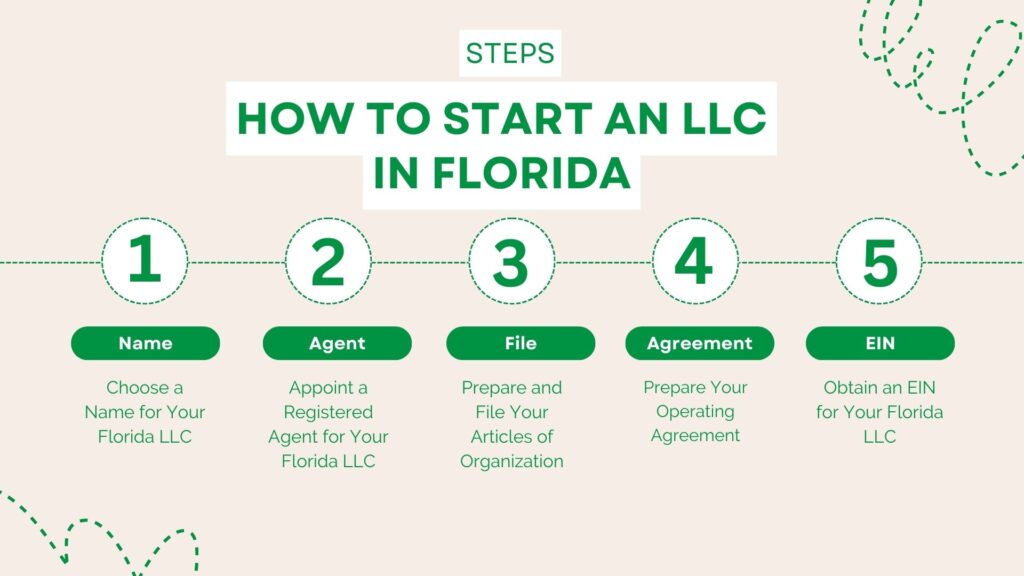
Step-by-Step Guide to Forming Your Florida LLC
Establishing an LLC in Florida involves several distinct steps. While it might seem daunting, breaking it down into manageable stages makes the process clear and achievable. Each step is designed to ensure your LLC is legally compliant and ready to operate within the state’s jurisdiction.
Step 1: Choose a Name for Your Florida LLC
The first and perhaps most creative step is selecting a name for your LLC. This name will be your business’s identity, so it should be memorable, relevant, and legally available.
- Name Availability Search: Before committing to a name, you must ensure it’s not already in use by another business entity registered in Florida. The Florida Department of State provides an online searchable database of registered business names. Conduct a thorough search on the Florida Division of Corporations’ website to verify availability.
- Naming Requirements: Florida law requires that your LLC name contain certain designators to indicate its legal structure. These include “Limited Liability Company,” “LLC,” or “L.L.C.” You cannot use words that are restricted or misleading, such as “Bank,” “Insurance,” or “Trust,” without proper authorization.
- Reservations: If you’ve found a great name but aren’t ready to file your formation documents, you can reserve the name for 120 days by filing an Application for Reservation of Limited Liability Company Name with the Florida Department of State. This gives you exclusive rights to use that name during the reservation period.
For a business focused on travel and tourism, a name that evokes adventure, relaxation, or the unique essence of Florida would be ideal. Consider names that hint at your offerings, whether it’s “Sunshine State Adventures LLC” for a tour operator or “Coastal Escapes Rentals LLC” for accommodation management. The key is to be unique and compliant with Florida’s naming conventions.
Step 2: Appoint a Registered Agent
Every LLC operating in Florida must designate a registered agent. This individual or company serves as the official point of contact for your LLC, responsible for receiving legal documents, such as lawsuits, and official government correspondence on behalf of your business.
- Who Can Be a Registered Agent? The registered agent must be an individual residing in Florida or a business entity authorized to conduct business in Florida. The agent must have a physical street address in Florida (a P.O. Box is not acceptable) and be available during normal business hours to accept service of process.
- Choosing Your Agent: You can appoint yourself as the registered agent, provided you meet the requirements. However, many businesses choose to hire a professional registered agent service. This is particularly beneficial if you don’t have a physical address in Florida, want to maintain privacy, or are often traveling and may not be readily available to receive important documents. This is especially relevant for lifestyle brands or businesses catering to luxury travelers who might be constantly on the move.
The registered agent’s role is critical for legal compliance. Failure to maintain a registered agent or respond to correspondence can lead to administrative dissolution of your LLC by the state. For example, a company managing resorts in Naples or offering family trips to key West must ensure their registered agent is always accessible.
Step 3: File Articles of Organization with the Florida Department of State
This is the foundational step that officially creates your LLC. The Articles of Organization (sometimes called a Certificate of Formation) is a legal document filed with the Florida Department of State, Division of Corporations.
- Required Information: The Articles of Organization typically require the following information:
- The name of your LLC.
- The street address of your LLC’s principal office in Florida.
- The name and street address of your registered agent.
- The name and address of each organizer (the person filing the document).
- A statement as to whether the LLC is to be managed by its members or by managers.
- Filing Methods: You can file your Articles of Organization online through the Florida Department of State’s Sunbiz website, by mail, or in person. The online filing is generally the quickest and most efficient method.
- Filing Fee: There is a filing fee associated with submitting your Articles of Organization. The fee can change, so it’s important to check the current fee schedule on the Florida Department of State’s website.
Once the Department of State approves your Articles of Organization, your LLC is officially formed and recognized as a legal entity in Florida. This marks a significant milestone in bringing your business vision to life, whether it’s for a chain of boutique hotels or a specialized tourism agency.
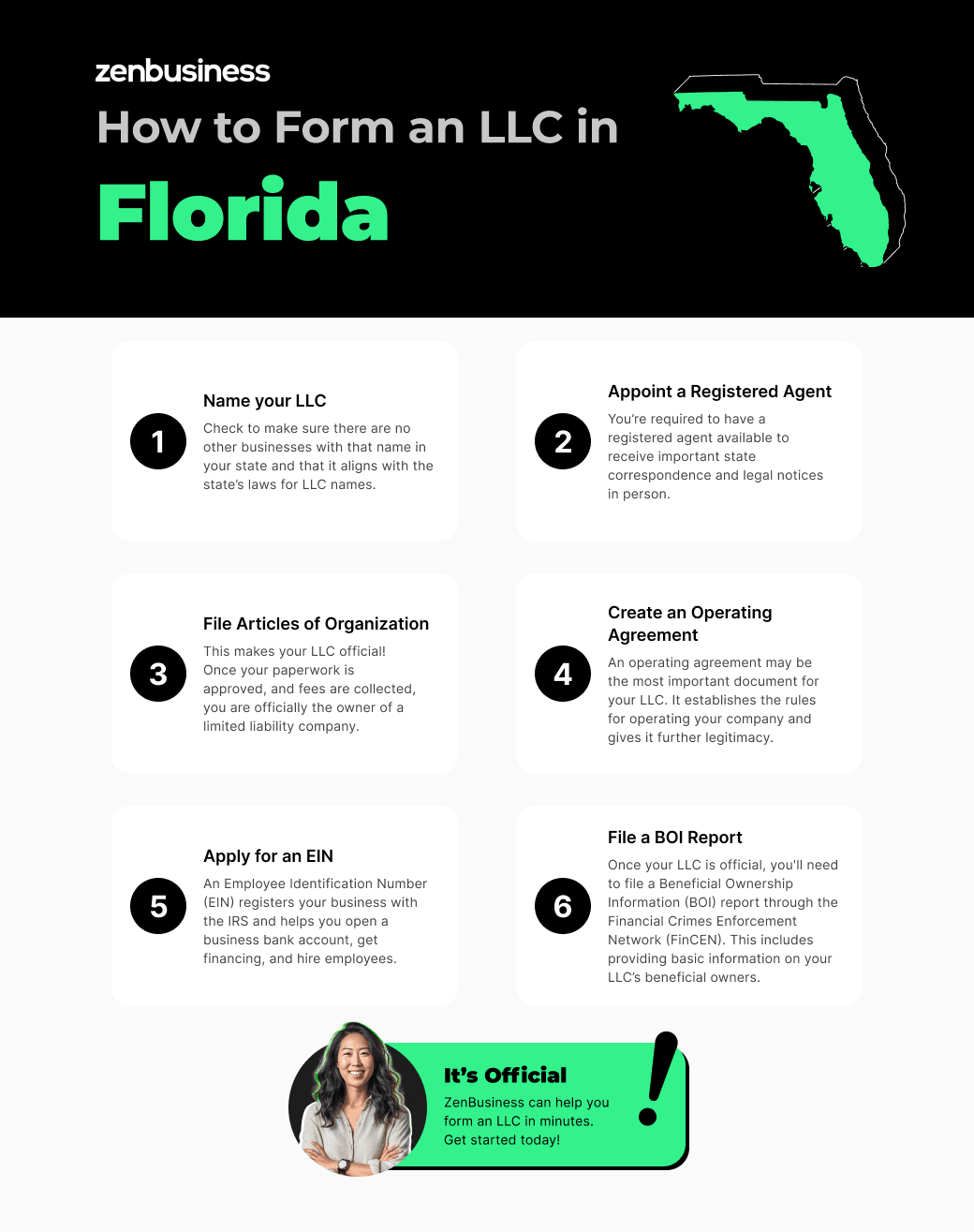
Step 4: Create an Operating Agreement
While not legally required by the state of Florida for LLCs, an Operating Agreement is a crucial internal document that governs how your LLC will be run. It’s highly recommended for all LLCs, regardless of size or complexity.
- Purpose of the Operating Agreement: This document outlines the ownership structure, member responsibilities, profit and loss distribution, procedures for admitting new members, and processes for dissolution. It essentially acts as the rulebook for your LLC.
- Key Provisions: A comprehensive Operating Agreement typically includes:
- Member information and ownership percentages.
- Member voting rights and procedures.
- Distribution of profits and losses.
- Management structure (member-managed vs. manager-managed).
- Procedures for adding or removing members.
- Dissolution procedures.
- Buy-sell provisions.
Having a well-drafted Operating Agreement is vital for preventing disputes among members and ensuring smooth operations. It provides clarity and legal backing for internal decisions, which is especially important for businesses with multiple stakeholders in the travel or accommodation industry. For instance, if you’re managing a portfolio of resorts or apartments, this agreement ensures clarity on how revenues and responsibilities are divided among partners.
Step 5: Obtain an EIN (Employer Identification Number)
An Employer Identification Number (EIN), also known as a Federal Tax Identification Number, is a unique nine-digit number assigned by the Internal Revenue Service (IRS) to business entities operating in the United States.
- When You Need an EIN: You will need an EIN if your LLC will have employees, operate as a corporation or partnership for tax purposes, or file certain tax returns. Even if you don’t plan to hire employees immediately, obtaining an EIN is often beneficial for opening a business bank account, establishing credit, and generally presenting a more professional image.
- How to Obtain an EIN: You can apply for an EIN online directly from the IRS website. This is a free service, and you can typically receive your EIN immediately after completing the application.
For any LLC that plans to engage in significant business activities, especially those involving transactions with vendors, partners, or customers beyond simple direct sales, an EIN is a standard requirement. This includes businesses in the tourism sector that might contract with various service providers or hotels that process payments through different channels.
Ongoing Compliance and Considerations for Your Florida LLC
Forming an LLC is just the beginning of your business journey. To maintain your LLC’s good standing with the state of Florida and ensure its continued legal operation, you’ll need to adhere to certain ongoing compliance requirements.
Annual Reports and Fees
Florida requires all LLCs to file an annual report with the Department of State. This report updates the state on essential information about your business, such as its principal office address, registered agent information, and the names and addresses of its principal officers or managers.
- Filing Deadline: The annual report in Florida is due between January 1st and May 1st of each year.
- Filing Fee: There is a modest fee associated with filing the annual report. Failing to file the annual report on time can result in administrative dissolution of your LLC.
Staying current with your annual report ensures your LLC remains in good standing and avoids potential penalties or the loss of your business’s legal status. For any business, from a small travel agency to a large resort chain, this compliance is non-negotiable.
Business Licenses and Permits
Depending on the nature of your business and its location within Florida, you may need to obtain specific federal, state, and local licenses and permits.
- Industry-Specific Licenses: Businesses in sectors like tourism, hospitality, and food service often require specialized licenses. For example, a company offering guided tours of nature preserves might need permits from state park authorities, while a hotel or apartment rental business will likely need occupancy permits and potentially business licenses from the city or county where it operates.
- Federal Requirements: Some businesses may also need federal licenses or permits, particularly if they engage in activities regulated by federal agencies.
It is crucial to research and secure all necessary licenses and permits before commencing operations to avoid fines and legal issues. Consulting with your local chamber of commerce or a business attorney can help you identify all required licenses for your specific venture.

Business Bank Account
While not a state filing requirement, it is highly recommended to open a separate business bank account for your LLC. Commingling personal and business funds can jeopardize the liability protection that an LLC provides.
- Benefits of a Business Account: A dedicated business bank account helps maintain clear financial records, makes accounting and tax preparation easier, and further separates your personal assets from your business liabilities.
- Opening the Account: You will typically need your Articles of Organization and your EIN to open a business bank account.
Managing your LLC’s finances through a dedicated business account is a fundamental practice for sound financial management and legal compliance. This is a crucial step for any business owner, whether managing a single vacation villa or a vast network of hotels and resorts.
By diligently following these steps and staying on top of ongoing compliance, you can successfully establish and maintain a Limited Liability Company in Florida, paving the way for a prosperous and legally protected business venture in this vibrant state. Whether your focus is on luxury travel, family experiences, or providing exceptional accommodation, a well-formed LLC in Florida provides a solid foundation.
LifeOutOfTheBox is a participant in the Amazon Services LLC Associates Program, an affiliate advertising program designed to provide a means for sites to earn advertising fees by advertising and linking to Amazon.com. Amazon, the Amazon logo, AmazonSupply, and the AmazonSupply logo are trademarks of Amazon.com, Inc. or its affiliates. As an Amazon Associate we earn affiliate commissions from qualifying purchases.