
Navigating the legal landscape of any state can be complex, and for travelers and residents alike, understanding specific offenses like driving under the influence (DUI) is crucial. When you’re planning a trip to the Sunshine State, perhaps to explore the vibrant beaches of Miami Beach or to experience the magic of Walt Disney World Resort, it’s important to be aware of local laws, especially those that could have serious repercussions. This article delves into the question: Is DUI a felony in Florida? We will explore the circumstances under which a DUI offense can escalate from a misdemeanor to a felony, the penalties associated with each, and what travelers and residents should know to stay safe and compliant.
Understanding Florida’s DUI Laws
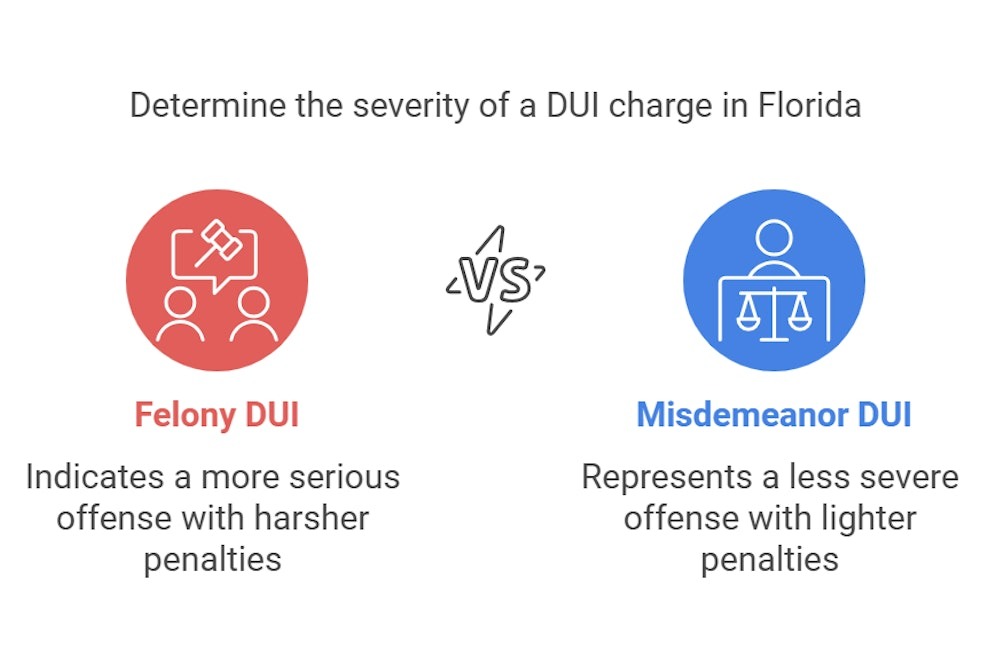
In Florida, driving under the influence of alcohol or drugs is a serious offense. The classification of a DUI charge, whether it remains a misdemeanor or is elevated to a felony, hinges on several key factors, primarily the presence of aggravating circumstances. For a first-time offender without any prior DUI convictions, and in the absence of injuries or fatalities, a DUI is typically charged as a misdemeanor. However, the legal system is designed to impose stricter penalties for repeat offenses and for DUIs that involve more dangerous outcomes.
Misdemeanor DUI in Florida
A first-offense DUI in Florida that does not involve property damage, injuries, or fatalities is generally classified as a first-degree misdemeanor. The penalties for a misdemeanor DUI can still be significant and may include:
- Fines: Ranging from $250 to $1,000.
- Jail Time: Up to six months in jail.
- License Suspension: A mandatory 180-day driver’s license suspension.
- Probation: A period of probation, typically up to one year.
- Community Service: Often required as part of the sentencing.
- DUI School: Mandatory attendance and completion of a DUI education program.
- Ignition Interlock Device (IID): May be ordered in some cases.
Even a misdemeanor DUI conviction can have lasting consequences, impacting employment opportunities and requiring significant financial expenditure for fines, legal fees, and increased insurance premiums. For visitors, a DUI conviction can complicate future travel to the United States.
When Does a DUI Become a Felony in Florida?
The critical distinction between a misdemeanor and a felony DUI in Florida lies in the presence of certain aggravating factors. These factors significantly increase the severity of the offense and the corresponding penalties. The most common circumstances that elevate a DUI to a felony are:
Felony DUI Due to Prior Convictions
Repeat offenders face substantially harsher penalties. In Florida, a third DUI conviction within ten years is classified as a third-degree felony, regardless of whether there were any injuries. A fourth or subsequent DUI conviction is also considered a felony.
-
Third DUI Conviction (within 10 years): This is a third-degree felony. Penalties can include:
- Fines: Ranging from $1,000 to $5,000.
- Jail Time: Up to five years in state prison.
- License Revocation: Permanent driver’s license revocation.
- Vehicle Impoundment: Vehicle may be impounded for up to 90 days.
-
Fourth or Subsequent DUI Conviction: This is also a third-degree felony, and the penalties are severe, including significant prison time and permanent license revocation.
The look-back period for prior DUIs is crucial. Even if prior offenses occurred in other states, they can be used to enhance charges in Florida. This underscores the importance of understanding that a DUI record follows you, regardless of state lines.
Felony DUI Resulting in Injury or Death
Perhaps the most severe form of DUI offense is when the act of driving under the influence leads to harm or fatality. These offenses are treated with extreme gravity by the legal system.
- DUI Causing Serious Bodily Injury: If a driver under the influence causes a DUI crash that results in serious bodily injury to another person, the charge can be elevated to a third-degree felony.
- Penalties: This can include up to five years in prison, substantial fines, and significant license suspension or revocation. The definition of “serious bodily injury” is broad and includes injuries that create a substantial risk of death or cause serious permanent disfigurement or long-term loss or impairment of a bodily function.

-
DUI Manslaughter (Vehicular Homicide): If a DUI incident results in the death of another person, the charge is typically DUI manslaughter, which is a second-degree felony.
- Penalties: This carries a potential prison sentence of up to 15 years. In cases of “aggravated vehicular homicide,” where there are additional aggravating factors, the penalties can be even more severe.
-
Reckless Driving Causing Death or Serious Bodily Injury while Under the Influence: Even if the primary charge is not DUI, if reckless driving resulting in death or serious bodily injury occurs while the driver is impaired, felony charges can apply.
These felony DUI charges carry the most severe consequences, not only in terms of incarceration and fines but also in their long-term impact on an individual’s life, including their ability to travel, secure employment, and maintain personal freedom.
Consequences of a Felony DUI Conviction in Florida
A felony DUI conviction in Florida has profound and far-reaching consequences that extend beyond the immediate legal penalties. These consequences can impact nearly every aspect of a person’s life.
Legal and Financial Ramifications
- Loss of Rights: A felony conviction results in the loss of certain civil rights, such as the right to vote, serve on a jury, and possess firearms. These rights may be restored under specific circumstances, but it often involves a lengthy legal process.
- Extended Prison Sentences: As discussed, felony DUIs can lead to many years in state prison, significantly disrupting personal and professional lives.
- Substantial Fines and Fees: Fines for felony DUIs can be tens of thousands of dollars, in addition to court costs, probation fees, and other associated expenses.
- Permanent License Revocation: For multiple felony DUIs, driver’s license revocation can be permanent, effectively ending one’s ability to drive legally.
- Criminal Record: A felony record creates a permanent criminal history that will appear on background checks, making it challenging to find employment, secure housing, and obtain certain professional licenses.
Impact on Travel and Lifestyle
For those who enjoy traveling, a felony DUI conviction can present significant hurdles.
- International Travel: Many countries, including Canada, have strict entry requirements. A felony conviction, particularly for DUI, can lead to denial of entry, even for short tourist visits. Traveling to countries like the United Kingdom or Australia can also be problematic.
- Domestic Travel: While less restrictive than international travel, a felony record can sometimes affect certain types of travel, such as commercial pilot licensing or positions requiring security clearances.
- Employment: Many employers conduct background checks, and a felony conviction can disqualify individuals from a wide range of jobs, especially those involving driving, working with children, or positions of trust. This can impact individuals seeking opportunities in sectors like hospitality or tourism management.
- Insurance: Obtaining auto insurance after a felony DUI is extremely difficult and expensive, if not impossible, for many years.
For travelers planning a visit to Florida to enjoy attractions like the Everglades National Park or the beaches of Clearwater Beach, understanding these laws is paramount. It’s always advisable to plan transportation responsibly and avoid impaired driving at all costs. If you are staying in a resort like the Ritz-Carlton, Amelia Island or a villa in Orlando, ensure you have safe and legal transportation options.
Avoiding DUI Charges in Florida
The best way to deal with DUI laws is to avoid them altogether. For anyone visiting or residing in Florida, understanding safe practices and legal alternatives is essential for a positive and trouble-free experience.
Responsible Travel and Drinking Practices
- Designated Drivers: Always arrange for a designated driver who will not consume alcohol. This is the safest and most responsible option.
- Ride-Sharing Services: Florida has readily available ride-sharing services like Uber and Lyft in most tourist areas and major cities. Utilizing these services is a convenient and safe alternative to driving.
- Taxis: Traditional taxi services are also widely available.
- Public Transportation: In major cities like Tampa or Jacksonville, public transportation options can be a viable choice for getting around.
- Moderation: If you choose to consume alcohol, do so in moderation and be aware of your limits. Never drive after consuming any amount of alcohol.
- Medication Awareness: Be aware that certain prescription and over-the-counter medications can impair your ability to drive. Check medication labels and consult your doctor if you are unsure.
- Know the Legal Limit: In Florida, the legal limit for blood alcohol content (BAC) is 0.08%. However, even a BAC below this limit can lead to a DUI charge if impairment is evident.

Seeking Legal Counsel
If you or someone you know is facing DUI charges in Florida, seeking experienced legal counsel immediately is crucial. A qualified DUI attorney can:
- Explain your rights: Understand the specific charges and potential penalties.
- Build a defense: Analyze the evidence and develop a strategy to defend your case.
- Negotiate with prosecutors: Work towards a favorable plea agreement or dismissal of charges.
- Represent you in court: Ensure your rights are protected throughout the legal process.
For travelers, a DUI arrest can turn a dream vacation into a legal nightmare. It is vital to be informed and make responsible decisions to ensure your time in Florida, whether enjoying the theme parks in Orlando, exploring the historic streets of St. Augustine, or relaxing on the Gulf Coast, is memorable for all the right reasons. Understanding that DUI can indeed be a felony in Florida under specific circumstances is the first step to staying safe and compliant.
LifeOutOfTheBox is a participant in the Amazon Services LLC Associates Program, an affiliate advertising program designed to provide a means for sites to earn advertising fees by advertising and linking to Amazon.com. Amazon, the Amazon logo, AmazonSupply, and the AmazonSupply logo are trademarks of Amazon.com, Inc. or its affiliates. As an Amazon Associate we earn affiliate commissions from qualifying purchases.