
The question of whether the sun-drenched state of Florida is destined to be submerged beneath the waves is a pressing one, conjuring images of Atlantis washed ashore. For a state so intimately tied to its coastal allure, its iconic beaches, and its vibrant tourism industry, the prospect of significant sea-level rise is not merely an abstract environmental concern; it’s an existential threat that touches every facet of its identity, from its bustling cities to its tranquil natural landscapes. This article delves into the scientific projections, the tangible impacts, and the adaptive strategies that are shaping Florida’s future in the face of rising waters, all through the lens of its prominent role as a global tourism and lifestyle destination.
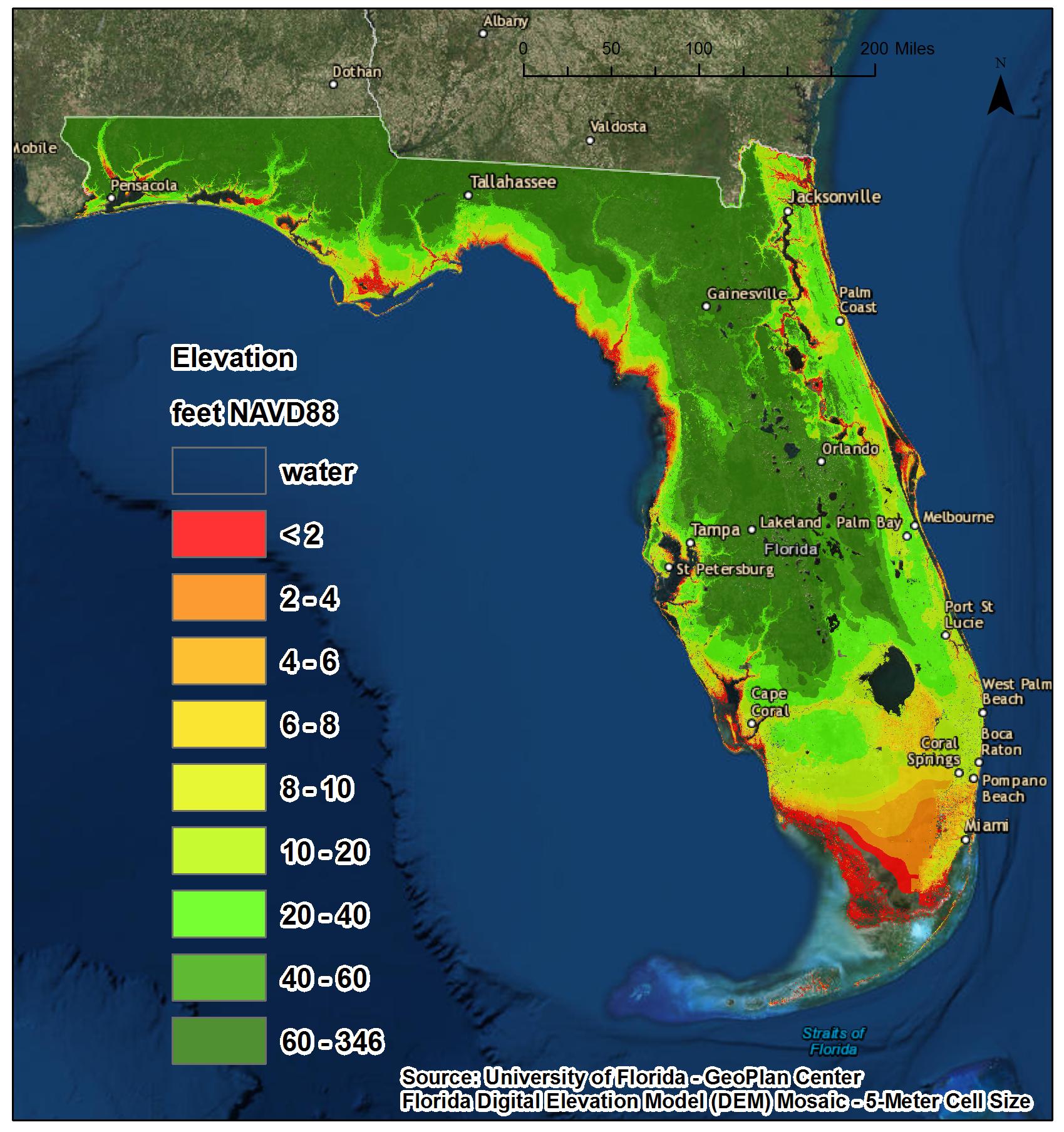
The Science Behind the Soaking: Understanding Sea Level Rise in Florida
Florida’s unique geography makes it particularly vulnerable. Much of the state is low-lying, composed of porous limestone that acts like a sponge, readily absorbing and transmitting water. This, coupled with its extensive coastline, stretching over 1,350 miles, positions it as a ground zero for the impacts of climate change. The primary driver of this phenomenon is the thermal expansion of ocean water as it warms and the melting of glaciers and ice sheets worldwide.
Projections and Scientific Consensus
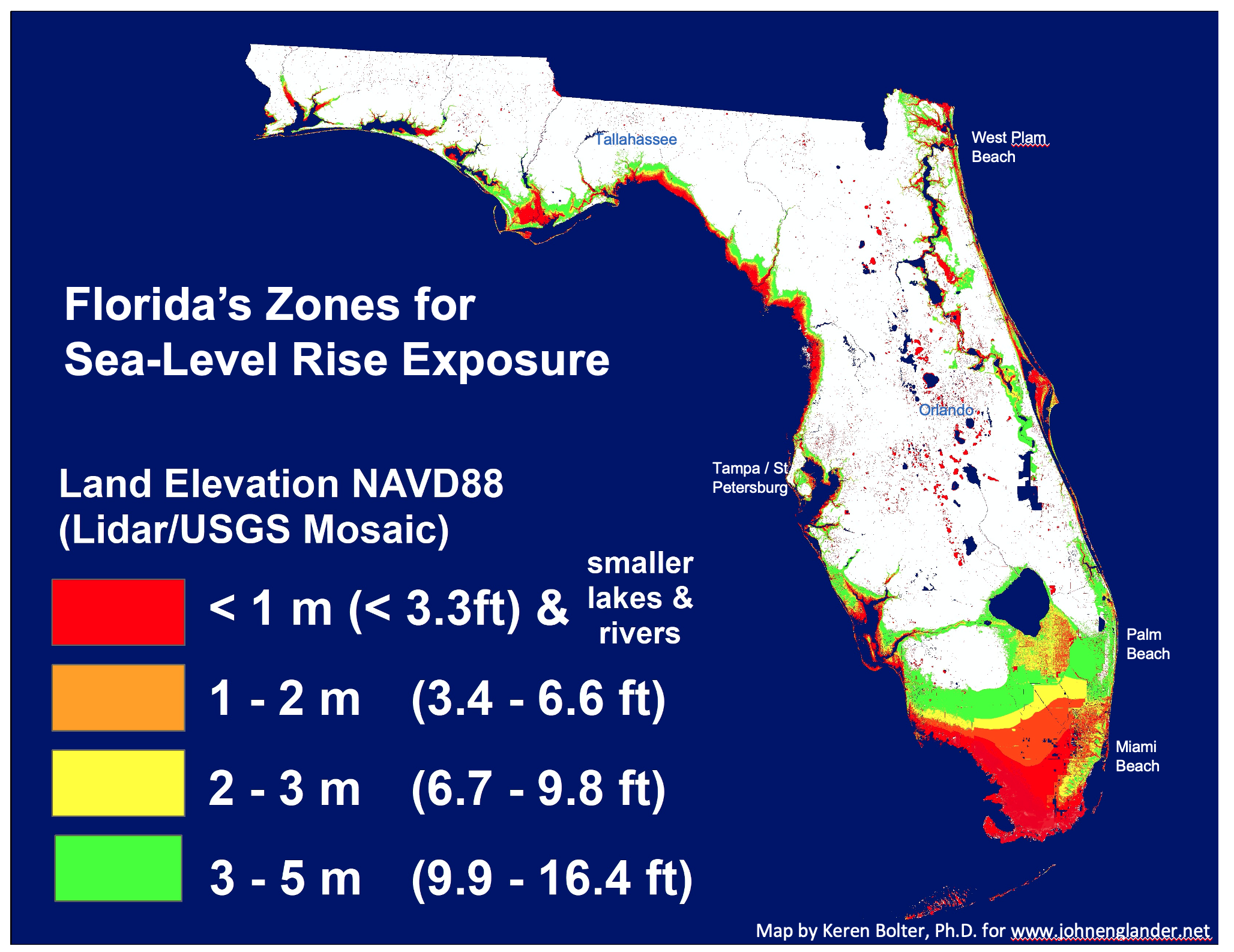
Leading scientific bodies, including the National Oceanic and Atmospheric Administration (NOAA) and the Intergovernmental Panel on Climate Change (IPCC), have consistently projected significant sea-level rise for Florida. Projections vary depending on emission scenarios, but even under moderate assumptions, many areas could experience several feet of rise by the end of the century. For instance, reports suggest that by 2060, average sea levels in South Florida could be 1.5 to 2.5 feet higher than they are today. By 2100, this rise could exceed 6 feet under high-emission scenarios.
These numbers are not mere academic figures; they translate into a very real and present danger. Coastal communities, from the glamorous shores of Miami Beach to the historic charm of St. Augustine, are already experiencing what scientists call “nuisance flooding” or “sunny-day flooding.” This occurs when high tides push saltwater inland, inundating streets and properties even when there’s no rain. What was once an occasional inconvenience is becoming a chronic issue, disrupting daily life, damaging infrastructure, and impacting local economies.
The porous nature of Florida’s land means that rising seas don’t just affect the immediate coastline. Saltwater can infiltrate the groundwater, contaminating freshwater aquifers that supply drinking water to millions. This “squeezing” effect can push saltwater further inland, impacting agricultural lands and natural ecosystems alike.
Florida’s Unique Vulnerabilities
Beyond its low elevation, several other factors amplify Florida’s susceptibility. The state is built on ancient coral reefs and seagrass beds, which are inherently susceptible to inundation and erosion. Furthermore, the extensive network of canals and drainage systems, designed to keep much of South Florida habitable, can inadvertently act as conduits for saltwater intrusion. Storm surge from hurricanes, a perennial threat in the region, also becomes more devastating as sea levels rise, pushing destructive waves further inland. The iconic Everglades National Park, a vital ecosystem and a major tourist attraction, is particularly at risk, with its delicate balance of fresh and saltwater ecosystems threatened by creeping inundation.
The Ripple Effect: Impacts on Tourism, Lifestyle, and Landmarks
The implications of sea-level rise for Florida are far-reaching, fundamentally altering its appeal as a premier destination for leisure, business, and permanent residency. The very elements that draw millions – its beaches, its waterfront properties, its vibrant coastal cities – are the most exposed.
Tourism and Accommodation Under Threat
Florida’s tourism industry is a colossal economic engine, and its lifeblood is its coastline. World-renowned destinations like Orlando (while not directly coastal, its theme parks rely heavily on Florida’s overall appeal), Fort Lauderdale, and the Florida Keys are all significantly impacted by rising seas. Beaches, the primary draw for many visitors, are eroding. Coastal hotels, resorts, and apartments, many offering spectacular ocean views, face increased risks of flooding, storm damage, and long-term devaluation.
The luxury travel sector, which often centers around exclusive beachfront villas and opulent resorts like the Fontainebleau Miami Beach or the Boca Raton Resort and Club, is particularly exposed. Property insurance costs are soaring, and in some low-lying areas, insurance may become unavailable or prohibitively expensive. This could force a reassessment of development strategies and alter the landscape of hospitality. Budget travelers might also be affected as increased operational costs for businesses are passed on, or as more affordable, less vulnerable inland accommodations become more popular.
Lifestyle and Infrastructure Sacrifices

The lifestyle that many associate with Florida – laid-back beach living, water sports, and outdoor recreation – is directly challenged. The picturesque drive along the Overseas Highway in the Florida Keys could become more precarious. Coastal golf courses, a significant amenity for many resorts, may face saltwater intrusion and erosion. The vibrant nightlife and dining scenes in cities like Tampa and St. Petersburg, often concentrated near the waterfront, could be disrupted by recurrent flooding.
Beyond tourism, the impact on daily life for residents is profound. Businesses operating in flood-prone areas face increased operational disruptions. Essential infrastructure, including roads, power grids, and wastewater treatment facilities, many of which are located at or near sea level, are at risk of damage or failure. The strain on emergency services will undoubtedly increase as these events become more frequent.
Landmarks at Risk
Florida is dotted with historical and natural landmarks that hold significant cultural and economic value. The historic architecture of St. Augustine, the nation’s oldest continuously inhabited European-established settlement, is vulnerable to increased flooding. The unique ecosystems of the Everglades and the delicate coral reefs off the coast, critical for both nature and diving tourism, are under immense pressure. Iconic natural landmarks like the Dry Tortugas National Park face the real possibility of significant habitat loss.
Adapting to the Tide: Florida’s Response and Future Outlook
The gravity of the situation is not lost on Florida’s leaders, scientists, and communities. A multifaceted approach is being adopted, ranging from ambitious engineering projects to more fundamental shifts in urban planning and lifestyle.
Engineering and Infrastructure Solutions
In many coastal cities, significant investments are being made in “hard” engineering solutions. This includes raising roads and infrastructure, constructing seawalls and surge barriers, and improving drainage systems to manage increased water levels. Miami is a prime example, undertaking massive projects to elevate its streets and upgrade its pumps. The city is also exploring the possibility of building higher seawalls to protect its valuable real estate.
However, these solutions are costly and may not be sustainable in the long term, especially in areas with the lowest elevations. The porous nature of the land means that water can still seep in from below, even behind a seawall. There is also a growing recognition of the limitations of solely relying on engineering fixes.
Nature-Based Solutions and Resilience
Increasingly, there is a focus on “soft” or nature-based solutions that work with natural systems. This includes restoring and protecting coastal wetlands, mangroves, and coral reefs, which act as natural buffers against storm surge and erosion. These ecosystems can absorb wave energy and trap sediment, helping to stabilize shorelines. For example, efforts are underway to restore seagrass beds in Florida Bay, which are crucial for the health of the ecosystem and can help protect the coast.
Another aspect of adaptation involves promoting resilience in building codes and development practices. This means encouraging the construction of buildings that are elevated and designed to withstand more frequent flooding. It also involves considering where new development should occur, potentially steering away from the most vulnerable coastal areas.
Policy and Lifestyle Adjustments
Beyond physical infrastructure, policy changes are crucial. This includes updating flood maps, revising zoning regulations to discourage development in high-risk areas, and exploring innovative insurance models. Some communities are even contemplating managed retreat from the most exposed areas, a difficult but potentially necessary long-term strategy.
For individuals, adapting means rethinking lifestyle choices. This could involve investing in flood insurance, considering properties in less vulnerable inland locations, or embracing a more water-conscious lifestyle. The luxury market might see a shift towards elevated properties or inland estates with expansive grounds, redefining what constitutes prime real estate. Budget travelers might find themselves exploring the diverse inland attractions of Florida, from its natural springs to its historic towns, as coastal options become more challenging.
The question of whether Florida will be underwater is not a simple yes or no. It is a complex challenge that requires a dynamic and evolving response. While parts of the state are undeniably facing significant threats, a proactive and adaptable approach, blending scientific understanding with innovative solutions, offers a pathway to a more resilient future. The allure of the Sunshine State remains, but its inhabitants and visitors must now reckon with the rising tides and embrace the changes necessary to preserve its unique charm and livability. The ongoing evolution of Florida’s coast is a compelling narrative for anyone interested in travel, lifestyle, and the profound impact of our changing planet.
LifeOutOfTheBox is a participant in the Amazon Services LLC Associates Program, an affiliate advertising program designed to provide a means for sites to earn advertising fees by advertising and linking to Amazon.com. Amazon, the Amazon logo, AmazonSupply, and the AmazonSupply logo are trademarks of Amazon.com, Inc. or its affiliates. As an Amazon Associate we earn affiliate commissions from qualifying purchases.