
The question of whether Naples, Florida is in an evacuation zone today is a critical one for residents, travelers, and anyone with an interest in this vibrant Southwest Florida city. This concern is paramount, especially given the region’s susceptibility to tropical weather systems. Understanding the factors that determine evacuation zones and how to access the most up-to-date information is crucial for ensuring safety and peace of mind.
Naples, known for its pristine beaches, upscale resorts, and charming downtown, draws visitors year-round. From exploring the historic Fifth Avenue South with its boutique shops and fine dining to enjoying the natural beauty of the Naples Pier and the Corkscrew Swamp Sanctuary, the city offers a rich tapestry of experiences. However, its picturesque coastal location also places it within the potential path of hurricanes and tropical storms, making emergency preparedness a vital aspect of life and travel in the area.

The designation of evacuation zones is not static; it is a dynamic process that relies on sophisticated modeling and real-time meteorological data. These zones are established by local and state emergency management agencies to protect the public from imminent threats, primarily from storm surge, but also from high winds and inland flooding. For tourists planning a trip to Naples or those already enjoying its luxurious lifestyle, staying informed about potential evacuation orders is not just a matter of convenience, but of safety.
Understanding Evacuation Zones and Their Impact on Travel
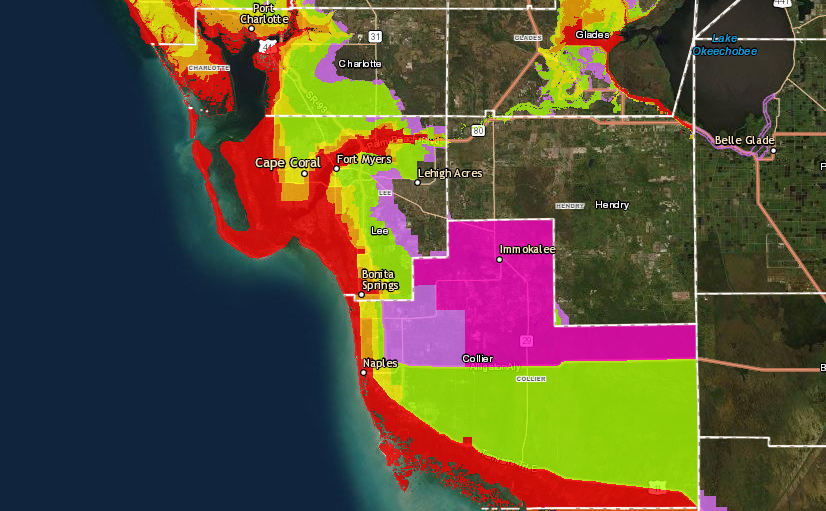
Evacuation zones are geographically defined areas that are deemed most vulnerable to the dangers posed by severe weather events, particularly hurricanes. These zones are typically based on factors like elevation, proximity to the coast, and the potential for storm surge inundation. In Florida, the system is designed to guide residents and visitors to safety when a storm poses a significant threat.
How Evacuation Zones Are Determined
The determination of evacuation zones is a complex process undertaken by agencies like the Florida Division of Emergency Management and local county emergency management. They utilize historical data, storm surge prediction models, and real-time hurricane track and intensity forecasts to delineate areas that would be most severely impacted. These models take into account various factors, including the storm’s category, wind speed, forward speed, and the specific topography of the coastline.
- Storm Surge: This is the primary driver for coastal evacuations. It is an abnormal rise of water generated by a storm, over and above the predicted astronomical tides, at a particular location. Storm surge can be the deadliest aspect of a hurricane, capable of inundating coastal communities with feet of water, destroying buildings, and posing extreme drowning risks.
- Wind Speeds: While storm surge is the main concern for coastal evacuations, extremely high winds associated with hurricanes can also necessitate evacuations from areas with structurally unsound buildings or those particularly exposed.
- Inland Flooding: Heavy rainfall associated with tropical systems can also lead to significant inland flooding, sometimes requiring evacuations from low-lying or flood-prone areas away from the immediate coast.
For visitors considering a stay at a renowned establishment like the Ritz-Carlton, Naples, understanding these zones is crucial. Many luxury hotels and resorts are located in prime beachfront areas, which often fall within the most vulnerable evacuation zones. This means that during hurricane season, especially when a storm is approaching, these areas might be subject to mandatory evacuation orders.
The Practical Implications for Travelers
If Naples, Florida is declared to be within an evacuation zone, it has several practical implications for travelers. Firstly, mandatory evacuation orders mean that individuals are legally required to leave the designated area. Law enforcement will often enforce these orders, and staying behind can put one’s life at extreme risk.
For those who have booked accommodations, such as a suite at the Edgewater Beach Hotel or a villa in a private community, a mandatory evacuation order will necessitate canceling or altering travel plans. Many hotels will issue flexible cancellation policies during declared emergencies, but it’s essential to confirm this with the property directly. Furthermore, attempting to drive out of an evacuation zone during a mandatory order can be challenging. Roads can become congested as many people try to leave simultaneously, and authorities may restrict access to certain routes.
It’s also important for travelers to have a plan in place before their trip. This includes identifying potential inland destinations or alternative accommodations in less vulnerable areas should an evacuation be ordered. Understanding the “Zone” designation on an evacuation map is key. Different zones will have different levels of risk and may be subject to evacuation at different storm intensities. For instance, Zone A is typically the most vulnerable, followed by Zone B, and so on.
Staying Informed: Resources for Evacuation Information
Accessing reliable and up-to-the-minute information is paramount when dealing with potential evacuations. Emergency management agencies and local news outlets are the primary sources for this critical data. For visitors and residents alike, knowing where to look can make all the difference in preparing for or responding to a weather threat.

Official Emergency Management Channels
The most authoritative source for evacuation orders and emergency information is the official emergency management agency for the affected area. In Collier County, which includes Naples, Florida, the Collier County Emergency Management is the leading authority. They are responsible for issuing evacuation orders based on the recommendations of the National Hurricane Center and the Governor of Florida.
These agencies typically provide information through multiple channels:
- Websites: Official county and state emergency management websites are updated frequently with maps of evacuation zones, current alerts, and readiness information. For example, the Collier County Emergency Management website will display interactive maps showing current evacuation orders.
- Social Media: Emergency management agencies often use platforms like Twitter and Facebook to disseminate rapid updates and alerts. Following these official accounts is a good way to stay informed in real-time.
- Emergency Alert Systems: Many jurisdictions utilize reverse 911 or opt-in alert systems that can send notifications directly to mobile phones or landlines within a designated area. Residents and visitors can often sign up for these services.
Local News and Media Outlets
Local news stations and radio broadcasts play a vital role in disseminating information to the public. During a weather emergency, these outlets will provide continuous coverage, including:
- Live Updates: News channels will break into regular programming to provide the latest information on storm tracks, intensity, and evacuation orders.
- Expert Analysis: Meteorologists and emergency management officials will provide commentary and guidance.
- Traffic and Shelter Information: News outlets often provide crucial details about evacuation routes, traffic conditions, and the locations of public shelters.
For visitors staying in hotels or resorts, such as the luxurious La Playa Beach & Golf Resort, it is advisable to have a battery-powered radio or to download the news apps of local stations beforehand. This ensures access to information even if internet service is disrupted.
Preparing for the Unexpected: Safety and Planning in Naples
Whether you are a long-term resident or a short-term visitor enjoying the abundant amenities of Naples, Florida, preparing for potential weather emergencies is an essential part of experiencing the region. This preparation extends beyond just knowing evacuation zones; it involves having a comprehensive plan.
Creating a Personal Emergency Plan
A well-thought-out emergency plan can significantly reduce stress and enhance safety during a threatening weather event. For travelers, this involves a few key steps before even arriving in Naples, Florida.
- Research Accommodation Location: Understand the specific location of your hotel, resort, or rental property. Is it in a known evacuation zone? This information can often be found on the local emergency management website by searching for the address. If you’re considering places like the Inn on Fifth, check its proximity to coastal areas.
- Identify Potential Inland Destinations: Have a list of potential safe havens inland, either with friends or family, or pre-researched alternative hotels in areas not prone to storm surge. This could include cities further north or east, away from the immediate coast.
- Pack an Emergency Kit: This kit should include essentials like water, non-perishable food, a first-aid kit, medications, flashlights, batteries, a portable phone charger, important documents (copies of IDs, insurance policies, reservation confirmations), and cash.
- Understand Pet Needs: If traveling with pets, research pet-friendly shelters or hotels in advance, as not all public shelters accept animals. Resorts like Hyatt Regency Coconut Point Resort and Spa, while often luxurious, may have specific pet policies or may not be suitable during an evacuation order.
- Know Your Transportation Options: If an evacuation is ordered, how will you leave? Will you drive your own vehicle? Will ride-sharing services still be operating? Understanding these logistics in advance is crucial.
The Role of Tourism and Hospitality in Emergencies
The tourism and hospitality sector in Naples, Florida plays a vital role in visitor safety during emergencies. Reputable hotels and resorts are equipped to handle various scenarios, including providing guidance on evacuation procedures. Many establishments have dedicated staff who monitor weather alerts and are trained to assist guests.
- Information Dissemination: Hotels will often post notices, make announcements, or have staff available to inform guests about any impending weather threats and potential evacuation orders.
- Flexible Policies: As mentioned, hotels are typically more flexible with cancellations and rebookings during declared weather emergencies.
- Shelter-in-Place Guidance: In cases where an evacuation is not mandatory but the weather is severe, hotels will provide guidance on how to shelter safely within the property.
For those seeking long-term stays or contemplating a move to Naples, Florida, understanding the seasonal weather patterns and the local emergency preparedness infrastructure is a fundamental aspect of lifestyle planning. The allure of the beaches of Naples, the vibrant arts scene, and the world-class golf courses are all part of the appeal, but preparedness is an integral component of enjoying this beautiful corner of the Sunshine State. By staying informed through official channels and having a solid emergency plan, both residents and visitors can navigate the potential challenges of hurricane season with greater confidence and safety.
LifeOutOfTheBox is a participant in the Amazon Services LLC Associates Program, an affiliate advertising program designed to provide a means for sites to earn advertising fees by advertising and linking to Amazon.com. Amazon, the Amazon logo, AmazonSupply, and the AmazonSupply logo are trademarks of Amazon.com, Inc. or its affiliates. As an Amazon Associate we earn affiliate commissions from qualifying purchases.