
Florida, the Sunshine State, is renowned for its vibrant ecosystems, abundant wildlife, and of course, its warm climate that attracts both tourists and a diverse array of animal species. Among these fascinating creatures are iguanas, particularly the green iguana (Iguana iguana), which has become a common sight across the southern parts of the state. While many visitors to Florida are captivated by the sight of these large reptiles basking in the sun or gliding through lush vegetation, a common question arises: what exactly do these fascinating creatures consume in their adopted Florida home? Understanding their diet is crucial not only for appreciating their role in the local ecosystem but also for managing their populations, which can sometimes present challenges to native flora and infrastructure.
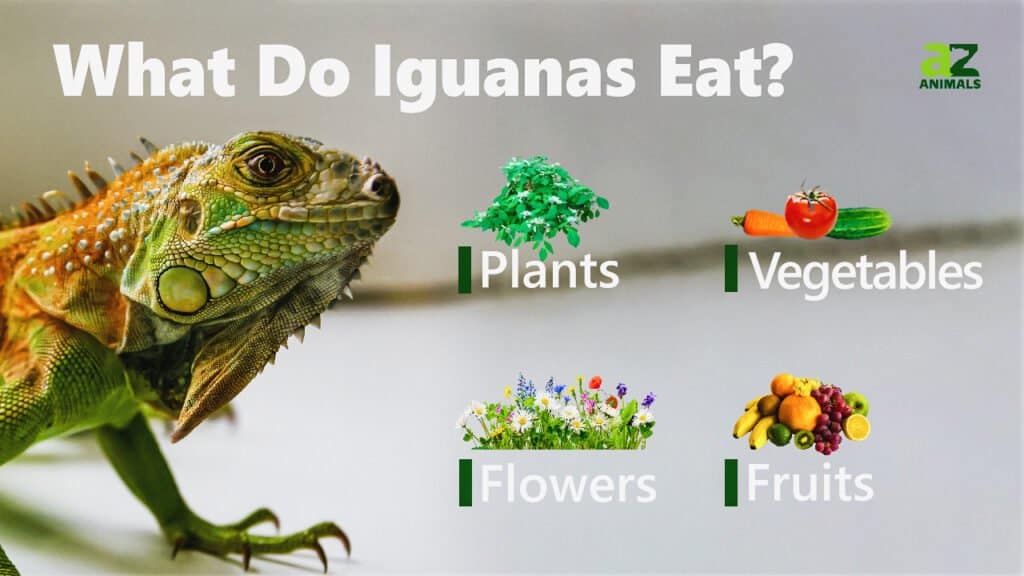
The Natural Diet of a Green Iguana
Originally from Central and South America, green iguanas are herbivores, meaning their diet consists almost exclusively of plant matter. In their native habitats, they are opportunistic eaters, adapting their food choices based on seasonal availability. This adaptability has served them well in Florida, where they have found a surprisingly compatible environment. Their digestive systems are specifically adapted to process fibrous plant material, and they derive most of their nutrients from leaves, flowers, and fruits.
Foliage: The Staple of an Iguana’s Diet
The primary component of a green iguana’s diet is foliage. They are particularly fond of tender, young leaves, which are easier to digest and more nutrient-rich than older, tougher leaves. In Florida, this translates to a wide variety of plant species. Iguanas will readily consume the leaves of hibiscus, bougainvillea, and croton, plants often found in gardens and landscaping throughout the state. They are also known to eat the leaves of fruit trees, such as mango, papaya, and guava, when available. The abundance of these ornamental and fruit-bearing plants in Florida provides a consistent and readily accessible food source for the iguana population.
It’s important to note that while iguanas are herbivores, they are not picky eaters within the plant kingdom. They will explore and consume a broad spectrum of leaves. This broad palate allows them to thrive even when certain preferred food sources are scarce. However, their consumption of certain plants can sometimes lead to conflicts, especially when they target well-maintained gardens.
Flowers and Fruits: Sweet Treats in the Sunshine State
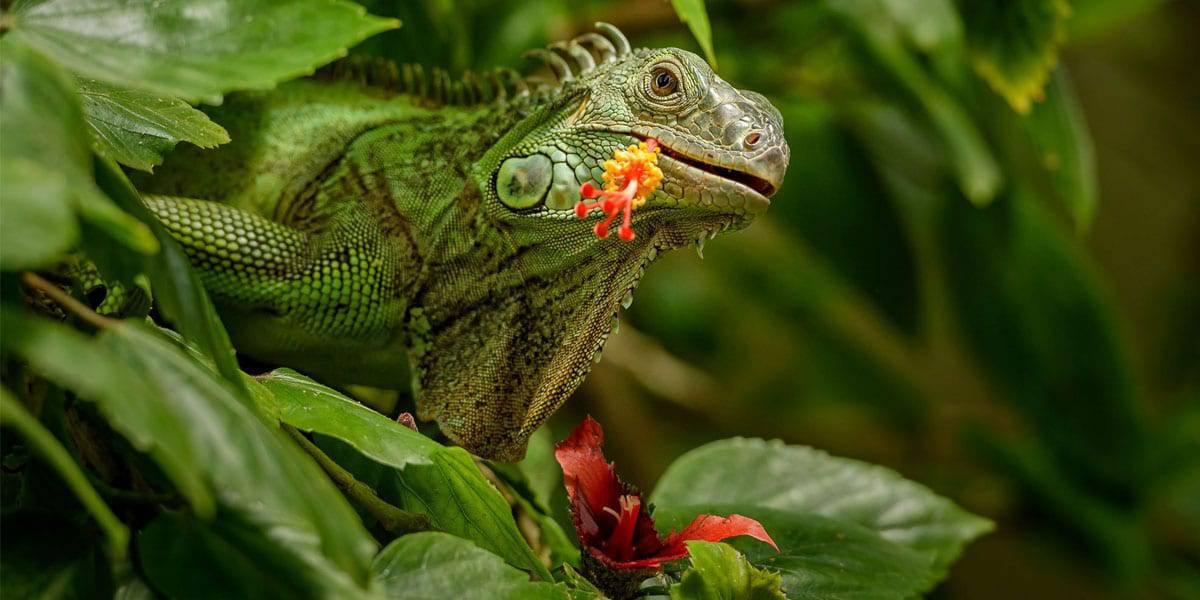
Beyond leaves, flowers and fruits play a significant role in the diet of green iguanas, especially when they are in season. Flowers offer a source of nectar and pollen, adding valuable sugars and other nutrients to their diet. Many iguanas will also readily consume ripe fruits. In Florida, this means they can be found feasting on fallen mangoes, papayas, berries, and other sweet fruits. This preference for fruits makes them particularly drawn to areas with fruit-bearing trees.
The consumption of fruits is particularly important for younger iguanas, as the softer, sweeter nature of fruits is easier for their developing digestive systems to handle. As they mature, their ability to digest tougher, fibrous leaves increases, and foliage becomes a more dominant part of their diet. However, the appeal of a sweet fruit remains, and adult iguanas will readily indulge when the opportunity arises.
What Iguanas Shouldn’t Eat in Florida
While the green iguana is an opportunistic herbivore, there are certain plants and food items that are not part of their natural diet and can be harmful to them. In Florida, it’s essential to understand what not to feed these animals, both for their well-being and to prevent the further establishment of invasive species.
The Dangers of Animal Protein and Processed Foods
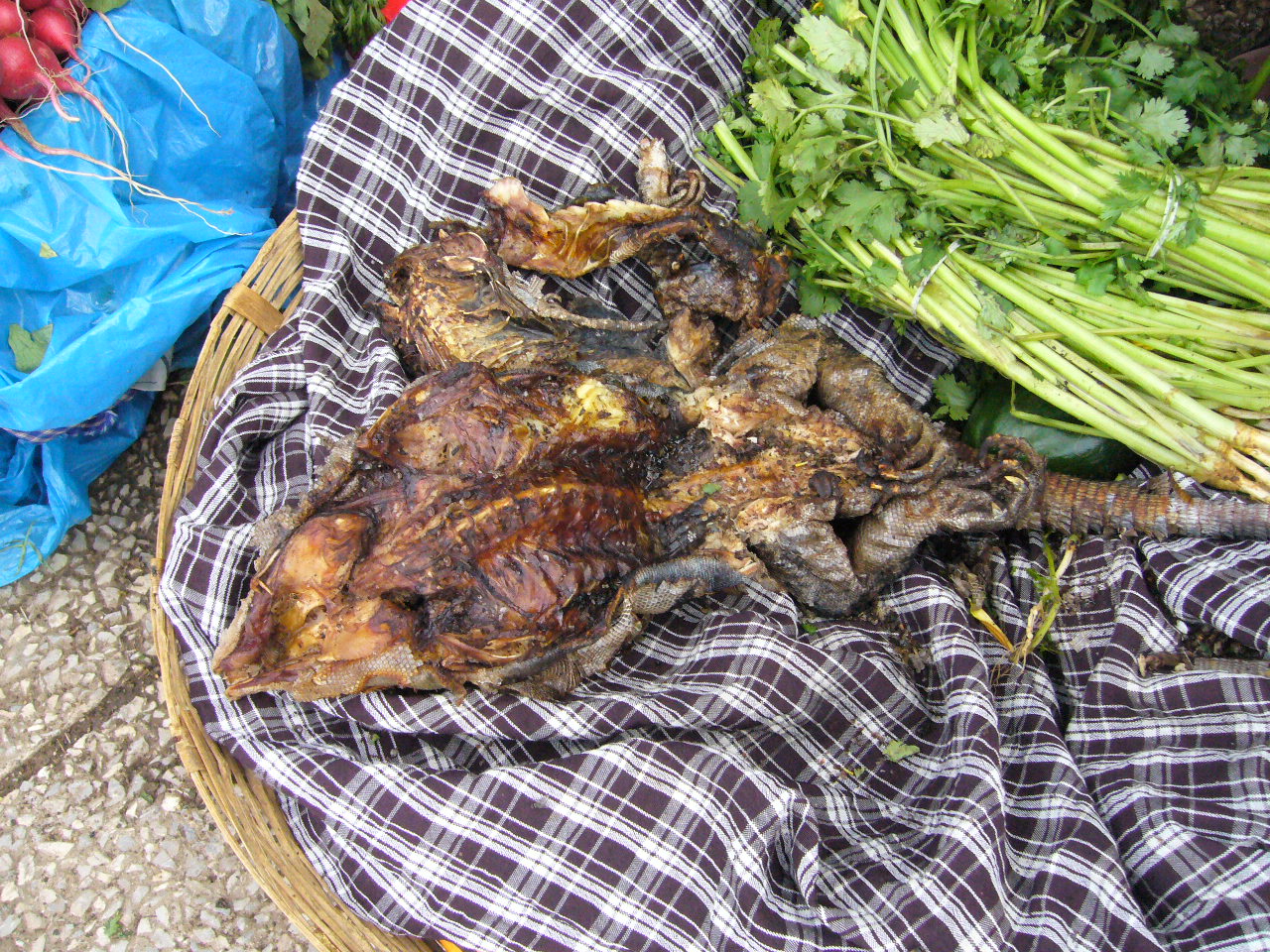
A common misconception is that iguanas might consume insects or small animals. However, adult green iguanas are strictly herbivores. Feeding them animal protein, such as meat or pet food, can lead to severe health problems, including kidney failure, due to their digestive system’s inability to process it. Similarly, processed human foods, which are often high in salt, sugar, and unhealthy fats, are detrimental to their health. These items can disrupt their delicate digestive balance and lead to long-term health issues.
Certain Plants to Avoid
While iguanas are adept at navigating Florida‘s diverse flora, some plants can be toxic or indigestible. While not an exhaustive list, it’s generally advisable to avoid feeding them plants known to contain high levels of oxalates or other compounds that can interfere with calcium absorption, potentially leading to metabolic bone disease. Many gardeners in areas like Miami or Fort Lauderdale have observed iguanas consuming their prize-winning hibiscus and bougainvillea, but even these can be problematic if consumed in excessive quantities or if the plants themselves are treated with pesticides. It’s crucial for residents and visitors alike to refrain from intentionally feeding iguanas, allowing them to forage on their natural food sources within the environment.
Iguanas in the Florida Ecosystem: A Newcomer’s Impact
The presence of green iguanas in Florida is a testament to their adaptability, but it also highlights the complexities of managing non-native species in a new environment. Their dietary habits, while natural to them, can have ripple effects on the local ecosystem and human interests.
Competition with Native Wildlife
As herbivores, green iguanas can compete with native Florida wildlife for food resources. While their impact might not be as pronounced as some other invasive species, their consumption of fruits, flowers, and tender leaves can affect the food availability for native herbivores and frugivores. This is particularly a concern in areas where native plant populations are already stressed. Researchers are continually studying the extent of this competition to better understand the long-term ecological implications.
Impact on Agriculture and Gardens
Perhaps the most visible impact of iguanas in Florida is their effect on residential gardens and agricultural lands. Their love for tender leaves, flowers, and fruits makes them unwelcome visitors for many homeowners and farmers. They can decimate vegetable gardens, strip fruit trees bare, and damage ornamental plants. In areas with high iguana populations, such as parts of Palm Beach County, residents often find themselves defending their yards and gardens against these determined foragers. This can lead to significant frustration and the need for pest management strategies.
Navigating Iguana Encounters: Tips for Residents and Tourists
For those living in or visiting Florida, encountering an iguana is a common experience, especially in the southern regions. While they are generally not aggressive towards humans, it’s important to maintain a respectful distance and understand their behavior.
Observe, Don’t Interfere
The best approach to encountering iguanas is to observe them from a distance. They are a fascinating part of the Florida landscape, and witnessing them in their natural habitat can be a unique experience. Tourists visiting attractions like the Everglades National Park or enjoying a stroll through a botanical garden in Miami might spot them basking on rocks or swimming in canals. It’s crucial to remember that they are wild animals and should be treated as such. Feeding them is strongly discouraged for the reasons mentioned earlier.
Protecting Your Property
For homeowners concerned about iguana damage to their gardens, various non-lethal deterrents can be employed. These include fencing, repellents, and habitat modification to make the area less attractive to them. In some cases, professional wildlife removal services may be necessary, especially if the population becomes overwhelming. Understanding their feeding habits can help in planning effective strategies to protect vegetation. For instance, if iguanas are drawn to a particular fruit tree, efforts can be made to harvest the fruit before it ripens and falls, or to protect the tree with netting.
Legal Considerations and Responsible Coexistence
It is important to be aware that in Florida, green iguanas are considered an invasive species. While they are not protected by law, there are regulations regarding their capture and removal. Residents are generally allowed to humanely kill iguanas on their own property, but it’s always advisable to check with local wildlife authorities for specific guidelines. The goal in managing these populations is to minimize their negative impact while fostering a sense of responsible coexistence within the unique Florida environment. This involves educating the public about their diet, behavior, and the importance of not feeding them.
The Broader Picture: Iguanas as Part of Florida’s Evolving Wildlife
The presence of the green iguana in Florida is a dynamic ecological story. Their diet, primarily plant-based, has allowed them to thrive, but their success also brings challenges. As visitors explore the diverse landscapes of Florida, from the bustling streets of Miami to the serene beauty of the Florida Keys, they are likely to encounter these prehistoric-looking reptiles. Understanding what iguanas eat in Florida sheds light on their integration into the local food web and the considerations necessary for managing their presence.
A Tourist’s Perspective: Spotting Iguanas in the Wild
For tourists, spotting a green iguana can be a highlight of their trip. These reptiles are often seen in sunny spots, perched on rocks, fences, or even trees, soaking up the warmth. Popular locations for iguana sightings include South Florida cities like Miami, Fort Lauderdale, and Key West, as well as areas with abundant vegetation and water sources, such as along canals and in parks. They can be found near coastal areas, in suburban neighborhoods, and even in urban parks, showcasing their remarkable ability to adapt to human-modified environments.
When visiting a resort or exploring a local attraction, keep an eye out for these green giants. They are most active during the warmer parts of the day. Remember to maintain a safe distance and avoid any attempt to touch or feed them. Their diet of plants means they aren’t a direct threat to people, but like any wild animal, they can bite if they feel threatened.
Conservation and Management Efforts
The management of invasive species like the green iguana is an ongoing effort in Florida. While they have become an established part of the ecosystem, their impact on native plants and potential competition with native wildlife necessitate monitoring and control measures. This often involves educating the public about their diet and discouraging feeding, as well as implementing targeted removal programs where populations are most dense and causing significant damage.
The Florida Fish and Wildlife Conservation Commission (FWC) plays a key role in overseeing wildlife management, including the regulation of invasive species. Their efforts focus on minimizing the ecological and economic impacts of introduced animals. Understanding the dietary preferences of iguanas, as discussed, is fundamental to these management strategies, as it helps in predicting their movements and identifying areas where they are likely to cause the most impact.
Ultimately, the question of “What Do Iguanas Eat In Florida?” opens a window into a fascinating interplay between introduced species and a unique environment. Their herbivorous diet, consisting of leaves, flowers, and fruits, allows them to thrive, but also brings them into contact with human interests. Responsible observation, education, and understanding are key to coexisting with these reptilian newcomers in the Sunshine State.
LifeOutOfTheBox is a participant in the Amazon Services LLC Associates Program, an affiliate advertising program designed to provide a means for sites to earn advertising fees by advertising and linking to Amazon.com. Amazon, the Amazon logo, AmazonSupply, and the AmazonSupply logo are trademarks of Amazon.com, Inc. or its affiliates. As an Amazon Associate we earn affiliate commissions from qualifying purchases.