
Florida, the Sunshine State, is renowned for its pristine beaches, vibrant theme parks, and lush natural landscapes. However, its idyllic beauty also comes with a significant responsibility: preparedness for natural disasters, particularly hurricanes. For residents and visitors alike, understanding evacuation zones is not just a matter of convenience, but of critical safety. This guide aims to demystify the process of identifying your evacuation zone in Florida, ensuring you can navigate potential emergencies with confidence and clarity.
The primary purpose of an evacuation zone is to provide a structured and timely way to move people out of harm’s way when a hurricane or other significant weather event threatens. These zones are meticulously determined by state and local emergency management agencies, taking into account factors such as storm surge potential, historical flood data, and the elevation of the land. Knowing your zone allows you to understand when you might be advised or ordered to evacuate, and to plan your route to safety accordingly.

Understanding Florida’s Evacuation Zone System
Florida’s approach to evacuation zones is a critical component of its comprehensive disaster preparedness plan. The system is designed to be as clear and actionable as possible, allowing individuals to quickly ascertain their risk level and the necessary steps to take during a hurricane threat. These zones are not arbitrary; they are scientifically determined based on extensive data and modeling.
The Science Behind the Zones: Storm Surge and Vulnerability
The most significant threat during a hurricane for coastal areas is storm surge. This is an abnormal rise of water generated by a storm, over and above the predicted astronomical tide. Storm surge can be incredibly destructive, inundating low-lying areas and causing widespread flooding. The National Hurricane Center plays a crucial role in predicting storm surge, and these predictions are fed into the development of evacuation zones.
Evacuation zones are typically delineated based on predicted storm surge inundation levels. Areas with higher predicted surge are assigned to earlier evacuation phases. This means that if a hurricane is forecast to bring a significant storm surge, residents in Zone A, for example, may be asked to evacuate before those in Zone B or C, as Zone A is deemed to be at the highest risk of inundation.
Beyond storm surge, other factors contribute to the designation of evacuation zones. These include:
- Elevation: Lower elevation areas are inherently more susceptible to flooding from storm surge and heavy rainfall.
- Proximity to the Coast: Areas directly on the coastline or along bays and estuaries are more vulnerable to the direct impact of storm surge.
- Historical Data: Past storm events and their impact on specific areas provide valuable insights into flood-prone regions.
- Inland Flooding Potential: While storm surge is a primary concern, inland flooding from torrential rainfall associated with hurricanes can also pose a significant risk, especially in areas with poor drainage or proximity to rivers and lakes.
- Infrastructure Vulnerability: The resilience of infrastructure, such as seawalls and drainage systems, can also be a consideration.
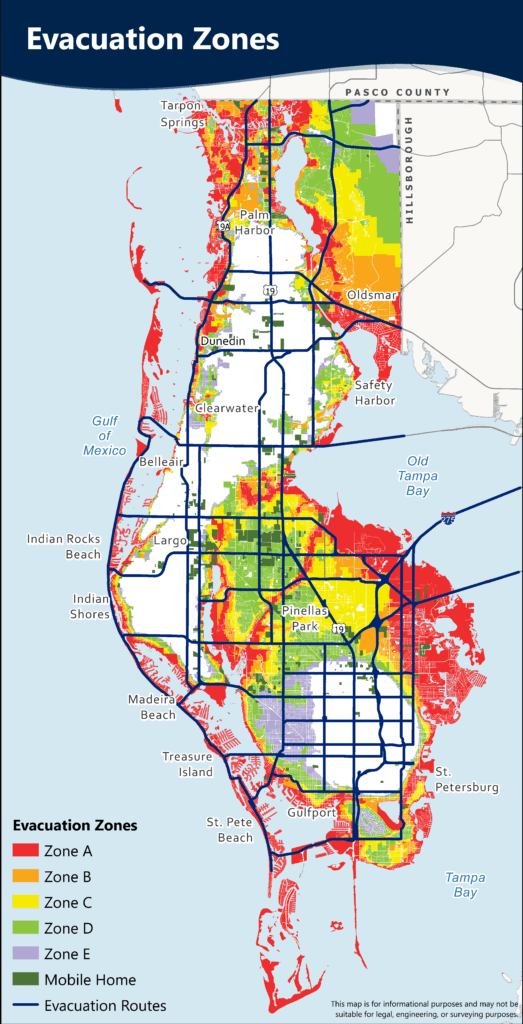
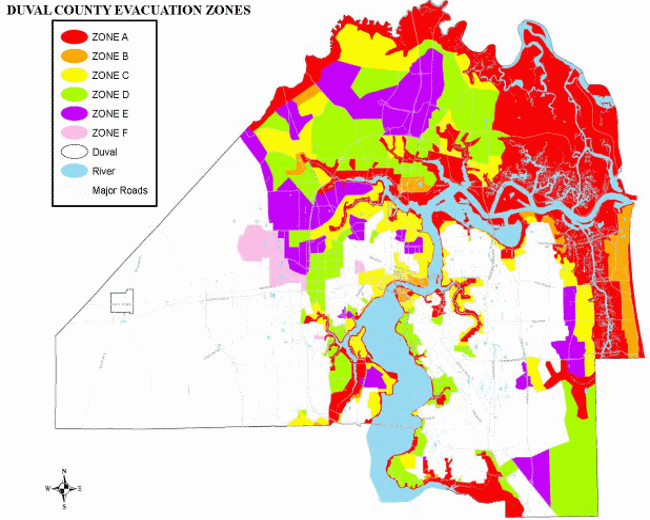
The culmination of these factors results in a tiered system of evacuation zones, usually labeled with letters, such as A, B, C, D, and sometimes E. Zone A is typically the most vulnerable, followed by Zone B, and so on. Each zone represents a different level of risk and will likely be activated for evacuation at different stages of a hurricane threat.
How to Find Your Florida Evacuation Zone
Locating your specific evacuation zone is a straightforward process, but it requires accurate address information. Fortunately, Florida’s emergency management agencies have made this information readily accessible through various online tools and resources.
Online Resources and Official Websites
The most reliable method to determine your evacuation zone is to visit the official websites of your local county emergency management agency or the Florida Division of Emergency Management. These agencies provide interactive maps and search functions where you can enter your address to pinpoint your zone.
- County Emergency Management Websites: Every county in Florida has its own emergency management division. A quick online search for “[Your County Name] Emergency Management” will direct you to their official website. These sites typically feature an “Evacuation Zone Map” or a “Hurricane Preparedness” section.
- Florida Division of Emergency Management (FL DEM): The state’s official emergency management website often provides a centralized portal or links to county-specific resources. Look for sections related to hurricane preparedness or evacuation information.
- ** FEMA Flood Maps:** While not directly for evacuation zones, the Federal Emergency Management Agency (FEMA) provides flood insurance rate maps. These maps can offer a visual representation of flood risk in your area and are often used in conjunction with evacuation zone information.
When using these online tools, you will typically be prompted to enter your full street address, including your city and zip code. The system will then cross-reference your address with its database of designated evacuation zones and display your specific zone. It is crucial to use the most accurate and up-to-date address information for this to be effective.
What to Do with Your Zone Information
Once you have identified your evacuation zone, the next step is to understand what it means for your safety.
- Stay Informed: Continuously monitor official news and weather reports from trusted sources like the National Hurricane Center, the National Weather Service, and your local emergency management agencies. Pay close attention to hurricane watches and warnings issued for your area.
- Understand Evacuation Orders: Local officials will issue evacuation orders based on the severity of the threat and the projected impact on specific zones. These orders will specify which zones are being evacuated and when. It is imperative to heed these orders promptly.
- Develop a Plan: Knowing your zone is just the first step. Develop a comprehensive hurricane preparedness plan that includes:
- Shelter Options: Identify safe locations to go, whether it’s a designated public shelter, a friend’s or family member’s home outside a vulnerable area, or a hotel in a non-evacuation zone.
- Transportation: Plan your route to your chosen shelter or safe haven. Have a full tank of gas and be aware of potential traffic congestion.
- Supplies: Assemble an emergency kit with essentials like water, non-perishable food, medications, a first-aid kit, flashlights, batteries, a radio, and important documents.
- Communication: Establish a plan for how you will communicate with family members if separated.
Beyond the Zone: Comprehensive Hurricane Preparedness
While identifying your evacuation zone is paramount, true hurricane preparedness extends beyond this single piece of information. A holistic approach involves understanding the broader risks, preparing your home, and having robust plans in place for various scenarios.
Preparing Your Home and Property
Before hurricane season even begins, it’s wise to take steps to secure your home. This proactive approach can significantly mitigate potential damage.
- Secure Windows and Doors: Install hurricane shutters or board up windows and doors with plywood. This is crucial for preventing wind and rain from entering your home, which can lead to structural damage.
- Trim Trees and Vegetation: Overhanging branches can become projectiles during high winds. Trim trees and remove dead limbs that could fall on your home or power lines.
- Secure Outdoor Items: Anything not tied down or brought inside can become a dangerous projectile. This includes patio furniture, grills, garbage cans, and potted plants.
- Check Your Roof: Ensure your roof is in good condition and that any necessary repairs are made. Loose shingles are particularly vulnerable to high winds.
- Consider Flood Protection: For homes in flood-prone areas, consider elevating your home, installing flood vents, or using sandbags if advised by local authorities.
Emergency Kits and Communication Strategies
A well-stocked emergency kit is a cornerstone of personal preparedness. This kit should be readily accessible and include enough supplies to sustain your household for at least 72 hours. Essential items include:
- Water: One gallon per person per day.
- Food: Non-perishable items like canned goods, energy bars, and dried fruit. Don’t forget a manual can opener.
- Medications: A sufficient supply of prescription and over-the-counter medications.
- First-Aid Kit: Comprehensive and well-stocked.
- Light Sources: Flashlights with extra batteries, and battery-powered or hand-crank radios.
- Sanitation and Personal Hygiene: Toiletries, moist towelettes, garbage bags, and plastic ties.
- Tools and Supplies: A wrench or pliers to turn off utilities, a whistle to signal for help, dust masks, plastic sheeting, and duct tape.
- Documents: Copies of important family documents such as identification, insurance policies, and bank records.
Communication is also vital. Establish a communication plan with your family and friends. Designate an out-of-state contact person who everyone can check in with, as local phone lines may be overloaded. Ensure you have a way to charge your cell phones, such as a portable power bank or a car charger.
Evacuation as a Visitor: Navigating Safety in Florida
For tourists and short-term visitors, understanding evacuation zones is just as important as it is for residents. Florida’s tourism industry is vast, and millions of visitors flock to destinations like Orlando and Miami each year. While enjoying attractions like Walt Disney World or the beaches of Clearwater, visitors must also be aware of potential safety protocols.
Key Considerations for Tourists
- Hotel and Accommodation Preparedness: Hotels, resorts like The Breakers Palm Beach, and other accommodations typically have their own emergency plans. Familiarize yourself with your hotel’s evacuation procedures and any announcements they make. Many hotels will automatically assist guests in evacuation or provide guidance.
- Rental Car Preparedness: If you are renting a car, ensure you have a full tank of gas and a basic understanding of the local road network. Familiarize yourself with your rental car’s features, especially if you are unfamiliar with driving in the United States.
- Stay Informed Through Official Channels: Rely on official news sources and your accommodation’s advisories rather than unofficial social media posts. Local tourism boards often provide updated information for visitors.
- Heed Official Orders: If evacuation orders are issued, do not hesitate to comply. Local authorities are responsible for the safety of everyone in the area, including visitors.
- Plan for Potential Disruptions: Hurricane season can lead to flight cancellations, road closures, and temporary closures of attractions like Universal Studios Florida. Be prepared for potential disruptions to your travel plans and have some flexibility.
Understanding your evacuation zone in Florida is a fundamental step in ensuring your safety and the safety of your loved ones during hurricane season. By utilizing the available online resources, preparing your home, and staying informed, you can face the possibility of a hurricane with greater confidence and preparedness. Whether you are a permanent resident or a visitor enjoying the attractions, a well-informed approach is your best defense against the power of nature. Remember, your safety is paramount, and proactive preparation is key to navigating any potential challenges that Florida may present.
LifeOutOfTheBox is a participant in the Amazon Services LLC Associates Program, an affiliate advertising program designed to provide a means for sites to earn advertising fees by advertising and linking to Amazon.com. Amazon, the Amazon logo, AmazonSupply, and the AmazonSupply logo are trademarks of Amazon.com, Inc. or its affiliates. As an Amazon Associate we earn affiliate commissions from qualifying purchases.