
Florida, the Sunshine State, is renowned for its balmy weather, vibrant tourism, and a diverse array of natural beauty. From the bustling theme parks of Orlando to the tranquil beaches of the Florida Keys, it attracts millions of visitors annually seeking sun, fun, and unforgettable experiences. However, when it comes to planning your dream vacation, understanding the local climate, especially in relation to gardening and agricultural potential, can be incredibly insightful. This is where the concept of “hardiness zones” comes into play. These zones, established by the United States Department of Agriculture (USDA), are crucial for understanding which plants can thrive in specific regions based on their average minimum winter temperatures. For a state like Florida, which stretches over 500 miles from north to south, this translates into a fascinating variation in climate, impacting everything from the types of tropical fruits you can grow to the best times to visit its many attractions.
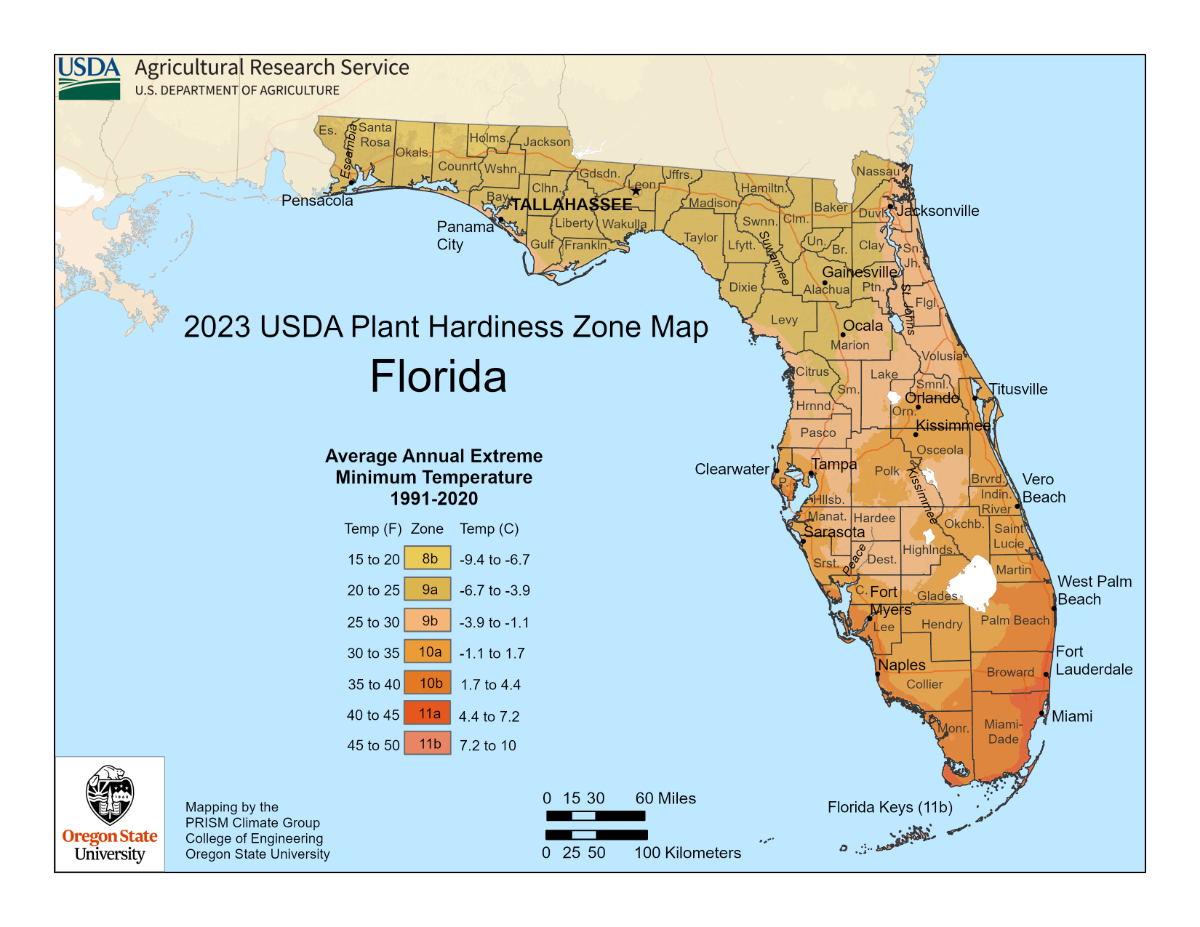
The USDA Hardiness Zone Map divides North America into 11 distinct zones, with Zone 1 being the coldest and Zone 11 the warmest. These zones are a fundamental tool for gardeners, landscapers, and anyone interested in the agricultural capabilities of a region. For Florida, understanding its specific hardiness zones is not just about planting a garden; it offers a deeper appreciation for the state’s unique ecosystem and influences the types of tourism experiences available. For instance, knowing that parts of Florida fall into Zone 10 or even Zone 11 immediately signals a climate suitable for a wide variety of subtropical and tropical plants, which in turn contributes to the lush, verdant landscapes that draw so many to its shores. Conversely, understanding the slightly cooler zones in the northern parts of the state helps explain why you might find different types of flora and fauna, and why certain agricultural products are more prevalent in those areas.
Unpacking Florida’s Diverse Hardiness Zones
Florida‘s geographical expanse is the primary driver behind its varied hardiness zones. Stretching across a significant portion of the southeastern United States, the state experiences a gradient of temperatures, with the northern regions generally being cooler than the southern tip. This variation is not drastic enough to classify Florida as a state with harsh winters, but it is significant enough to warrant different planting and travel considerations depending on your location.
Northern Florida: A Touch of the Temperate
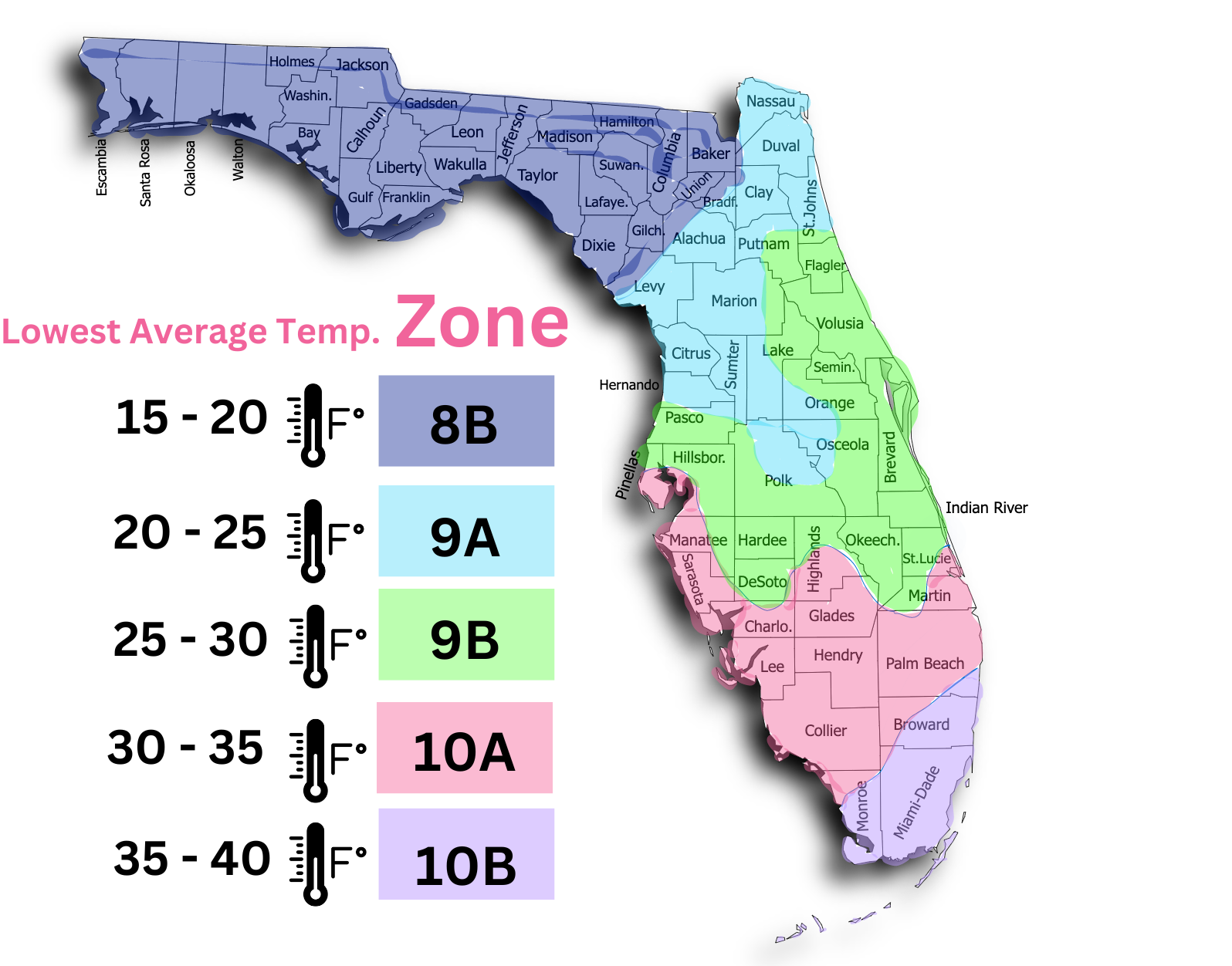
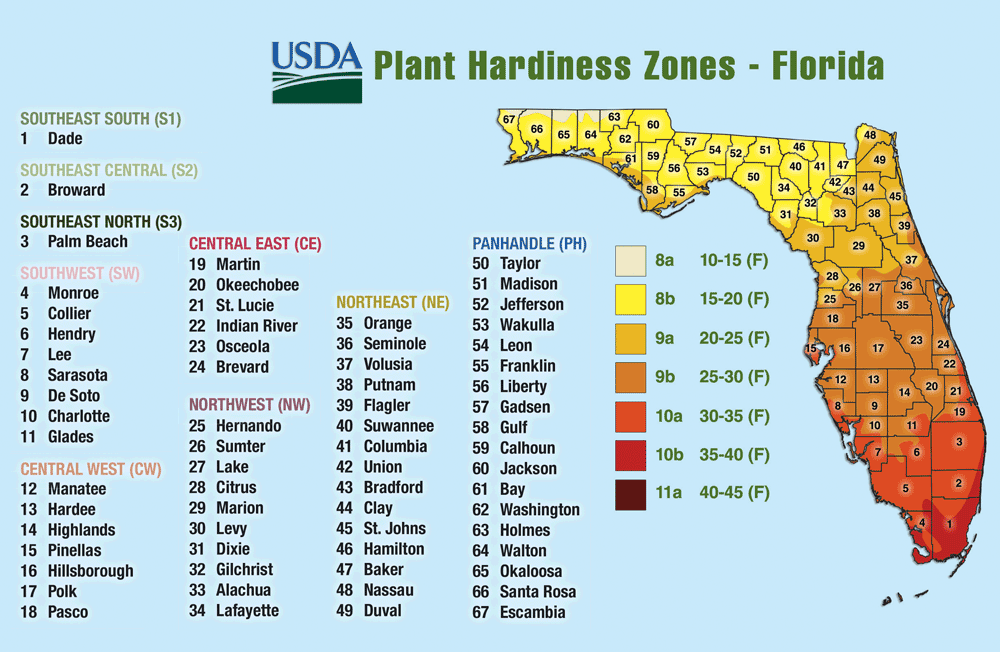
In the northernmost regions of Florida, including areas like the Panhandle and cities such as Tallahassee and Jacksonville, you’ll find the climate transitioning from temperate to subtropical. These areas typically fall into USDA Hardiness Zones 8 and 9. This means they experience average annual minimum winter temperatures that can dip below freezing for brief periods. While these temperatures are mild compared to many other parts of the country, they are sufficient to influence the types of plants that can be grown outdoors year-round.
-
Zone 8: Average annual minimum winter temperature of 10°F to 20°F (-12.2°C to -6.7°C). In Florida, this zone is generally found in the northwesternmost parts of the state. Here, some cold-hardy citrus varieties might struggle without protection, and deciduous trees are more common than in the south. Think of the charming historic districts in St. Augustine or the rolling hills around Gainesville; these areas experience a discernible, albeit mild, winter. For travelers, this means that while snow is exceptionally rare, you might pack a light jacket for evenings in December or January. The blooming seasons for certain flowers will also differ from those further south.
-
Zone 9: Average annual minimum winter temperature of 20°F to 30°F (-6.7°C to -1.1°C). Zone 9 covers a broader swathe of northern and central Florida, extending to areas like Tampa and Daytona Beach. In this zone, citrus trees are generally more successful, and the growing season is longer. You’ll see a greater abundance of flowering plants that might not survive the occasional dips below freezing in Zone 8. For tourism, this zone offers a delightful balance, with pleasant winters perfect for exploring attractions like Busch Gardens Tampa Bay without the intense heat of the summer months.
Central Florida: The Subtropical Heart
As you move south into the heart of Florida, the climate becomes decidedly more subtropical, with warmer winters and a longer growing season. Central Florida is predominantly classified under Hardiness Zone 9, with some areas creeping into Zone 10.
-
Zone 9 (Continued): Many of the popular tourist destinations, including the theme park mecca of Orlando, fall squarely within Zone 9. This zone is ideal for growing a wide variety of fruits, including many types of citrus, and a stunning array of ornamental plants and flowers. The tourism industry here thrives on the year-round pleasant weather, making it a fantastic destination for family trips and adventures at places like Walt Disney World Resort or Universal Orlando Resort any time of the year. The concept of a “winter freeze” is minimal, usually manifesting as a few chilly nights rather than prolonged cold spells.
-
Zone 10: Average annual minimum winter temperature of 30°F to 40°F (-1.1°C to 4.4°C). This zone begins to appear in central Florida, pushing further south and encompassing areas like the northern edges of the Everglades. In these warmer pockets, the threat of frost is very low, allowing for a wider range of tropical plants to flourish. This is where you start seeing more exotic fruits and vibrant, heat-loving flowers throughout the year. For travelers, this hints at the increasingly tropical feel of the landscape as they journey south.
South Florida and the Keys: A Tropical Paradise
The southern reaches of Florida, including Miami, Fort Lauderdale, and the entire chain of the Florida Keys, reside firmly within the warmest hardiness zones, primarily Zone 10 and even touching on Zone 11 in the most southerly islands. This is where Florida truly embraces its tropical identity.
-
Zone 10 (Continued): This zone extends to cover most of South Florida. Here, the winters are exceptionally mild, with frost being a very rare occurrence. This makes it a haven for lush tropical vegetation, including mangoes, avocados, and a dazzling array of flowering trees and shrubs. For visitors, South Florida offers a consistent warm-weather experience, perfect for beach holidays in Miami Beach or exploring the vibrant arts scene in Wynwood. The culinary scene also reflects this tropical abundance, with fresh, locally grown produce readily available.
-
Zone 11: Average annual minimum winter temperature above 40°F (4.4°C). While technically designated as Zone 11, the southernmost tips of Florida and especially the Florida Keys experience conditions that align with this zone, where winter temperatures rarely dip below 40°F. This is the epitome of a tropical climate in the continental United States. Here, the growing season is virtually year-round, and you can cultivate plants that are typically found in the Caribbean or even further south. For travelers, the Florida Keys offer a unique island-hopping experience with crystal-clear waters, incredible snorkeling, and a laid-back lifestyle, all under the canopy of a truly tropical environment. The vibrant coral reefs around Key West are a testament to the warm waters that define this zone.
The Impact of Hardiness Zones on Travel and Lifestyle in Florida
Understanding Florida‘s hardiness zones isn’t just an academic exercise for gardeners; it profoundly influences the state’s tourism, lifestyle, and the types of accommodations and experiences available. The consistent warmth and the diverse plant life contribute significantly to the allure of the Sunshine State.
Gardens, Groves, and Greenery: Nature’s Showcase
The varying hardiness zones directly dictate the botanical diversity across Florida. Northern Florida, with its Zones 8 and 9, supports a mix of temperate and subtropical plants. You’ll find magnolias, live oaks, and pine forests alongside more tender species. Traveling south, the landscape becomes increasingly dominated by tropical flora. In Zones 9, 10, and 11, you’ll encounter an explosion of color with hibiscus, bougainvillea, orchids, and a plethora of palm tree species. This natural beauty is a significant draw for tourists.
-
Agricultural Tourism: Florida is famous for its citrus groves, particularly oranges and grapefruits. While citrus can be grown in Zones 8 and 9 with some care, it thrives best in the warmer Zones 10 and 11. The availability of fresh citrus year-round is a direct result of these warmer zones. Visitors can enjoy farm tours, pick-your-own experiences, and sample fresh juices and marmalades. Similarly, the cultivation of tropical fruits like mangoes, avocados, and papayas is concentrated in the southern parts of the state, offering unique culinary experiences.
-
Botanical Gardens and Parks: The state boasts numerous botanical gardens and natural parks that showcase its diverse plant life, meticulously curated according to their hardiness requirements. Visiting these, such as the Naples Botanical Garden in the warmer south or the Alfred B. Maclay Gardens State Park in the north, allows visitors to appreciate the distinct flora of each zone. The lush landscapes also contribute to the appeal of resorts and hotels, many of which feature extensive gardens and offer a luxurious tropical escape.
Tourism and Activities: A Year-Round Destination
The mild winters afforded by Florida‘s hardiness zones make it a premier destination for snowbirds and tourists seeking to escape colder climates.
-
Outdoor Activities: The ability to enjoy outdoor activities year-round is a major advantage. From exploring theme parks in Orlando during the mild winter months to enjoying water sports in the Florida Keys or golfing in Punta Gorda, the climate facilitated by these zones allows for a continuous tourism season. This means that accommodations, from family-friendly resorts to luxury villas, are in demand throughout the year.
-
Festivals and Events: Florida hosts a multitude of festivals and events celebrating its climate and produce. Harvest festivals for citrus, seafood festivals along the coast, and flower shows are common. These events are a significant part of the tourism landscape, offering local flavor and cultural immersion for visitors. The vibrant street art and cultural festivals in cities like Miami also benefit from the consistently warm weather that allows for outdoor celebrations and art displays.
Accommodation and Lifestyle: Embracing the Warmth
The climate dictated by the hardiness zones influences the types of accommodations and the overall lifestyle in Florida.
-
Resorts and Hotels: Many hotels and resorts are designed to maximize the outdoor experience. Properties in South Florida often feature expansive pool areas, open-air dining, and lush tropical landscaping that is sustainable due to the warm climate. The presence of tropical plants and the ability to maintain them year-round allows for a consistently beautiful and inviting atmosphere at places like the Fontainebleau Miami Beach or the Ritz-Carlton Naples.
-
Long-Term Stays and Lifestyle: For those considering long-term stays or retirement in Florida, understanding the hardiness zones can be crucial for choosing the right location for gardening and enjoying outdoor living. The lifestyle in Florida is often centered around its pleasant climate, with many communities featuring golf courses, boating facilities, and beach access. The consistent warmth allows for an active outdoor lifestyle throughout the year, contributing to Florida‘s reputation as a destination for relaxation and recreation. Whether you’re seeking the bustling energy of South Beach or the serene beauty of the Everglades, Florida‘s diverse hardiness zones ensure a rich tapestry of natural beauty and enjoyable experiences for every visitor.