
The year 2022 presented a significant meteorological challenge for the Sunshine State, with one particular hurricane making a profound impact on Florida. The question on many minds, especially those planning trips to the state or residing there, was precisely what hurricane hit Florida in 2022? The answer, and the story of its landfall, is Hurricane Ian. This powerful storm carved a path of destruction, leaving a lasting impression on the landscape, its inhabitants, and the tourism industry that thrives within its borders.
The aftermath of such a significant weather event often prompts introspection and a reassessment of preparedness, not just for residents but also for the vast network of businesses that cater to the millions of visitors who flock to Florida each year. From the iconic beaches of the Gulf Coast to the vibrant theme parks of Orlando, the ripple effects of a major hurricane can be felt across the entire tourism ecosystem. Understanding the trajectory and impact of Hurricane Ian offers a unique perspective on the resilience of this popular travel destination and the intricate planning that goes into safeguarding its allure for future travelers.

This article will delve into the specifics of Hurricane Ian, its devastating landfall, and the subsequent recovery efforts. We will also explore how such events can influence travel decisions, accommodation choices, and the overall tourism landscape of Florida, drawing insights relevant to anyone interested in exploring its diverse attractions, from its natural wonders to its man-made marvels.
The Fury of Hurricane Ian: A Closer Look at its Impact
In late September 2022, a menacing storm system began to coalesce in the Caribbean Sea. This system rapidly intensified, evolving into a formidable hurricane that would soon become a household name: Hurricane Ian. Its journey towards the United States coast was closely monitored by meteorologists and coastal residents alike, with Florida bearing the brunt of its destructive power.
Formation and Track
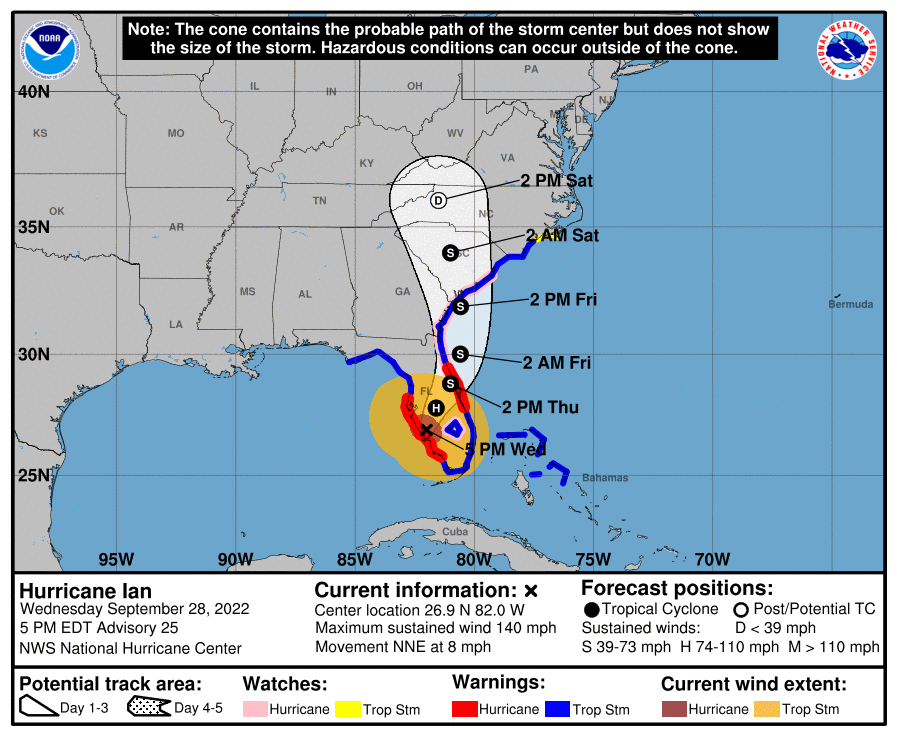
Hurricane Ian originated from a tropical wave that emerged off the coast of Africa in mid-September. As it moved westward across the warm waters of the Atlantic Ocean and the Caribbean Sea, it found favorable conditions for rapid intensification. By September 27th, Ian had strengthened into a major hurricane, reaching Category 4 status on the Saffir-Simpson Hurricane Wind Scale. Its projected path indicated a direct threat to the southwestern coast of Florida.
The storm’s trajectory was a cause for significant concern. It made landfall on the southwestern coast of Florida near Cayo Costa on September 28, 2022, as a powerful Category 4 hurricane. The wind speeds at landfall were immense, exceeding 150 miles per hour, accompanied by a catastrophic storm surge that inundated coastal communities. The sheer force of the winds and the relentless surge of water caused widespread devastation, transforming familiar landscapes into scenes of disarray.
Landfall and Initial Devastation
The impact of Hurricane Ian on Florida was immediate and severe. The southwestern coastline, including areas like Fort Myers, Cape Coral, and Naples, experienced some of the worst destruction. Homes were ripped from their foundations, businesses were flattened, and infrastructure was severely compromised. The storm surge, in particular, was a major factor in the widespread flooding and damage, with some areas experiencing surges of over 10 feet.
Beyond the immediate coastal impact, the hurricane’s inland movement continued to wreak havoc. As Ian traversed the state, it brought torrential rainfall, leading to significant inland flooding in areas far from the coast. Rivers overflowed their banks, and communities that had not anticipated such widespread water damage found themselves unprepared. Power outages were extensive, affecting millions of residents and businesses, further complicating rescue and recovery efforts.
The human cost was also significant, with tragic loss of life reported. The emotional and psychological toll on those who survived, losing their homes and possessions, was immense. The recovery process was immediately recognized as a monumental undertaking, requiring coordinated efforts from local, state, and federal agencies, as well as the unwavering support of volunteer organizations and the resilience of the affected communities themselves.
The Tourism Landscape in the Wake of Ian
Florida‘s identity is deeply intertwined with its status as a premier tourist destination. The state welcomes tens of millions of visitors annually, drawn by its sun-drenched beaches, world-class theme parks, vibrant cities, and natural beauty. A hurricane of Ian‘s magnitude inevitably casts a shadow over this crucial economic engine, raising questions about safety, accessibility, and the overall travel experience.
Immediate Impact on Tourist Destinations
The immediate aftermath of Hurricane Ian saw a significant disruption to tourism in the hardest-hit regions of Florida. Coastal areas, particularly on the Gulf Coast, experienced widespread damage to hotels, resorts, restaurants, and attractions. Many businesses were forced to close their doors for extended periods, either due to direct damage or a lack of essential services such as power and water.

Popular destinations that rely heavily on beach tourism saw their pristine shorelines altered by the storm’s fury. Erosion, debris, and damage to piers and boardwalks meant that the idyllic beach experience was temporarily unavailable for many. Furthermore, the travel advisories and warnings issued during and after the storm deterred potential visitors, leading to widespread cancellations and a sharp decline in tourism numbers for the affected areas.
Inland, while perhaps not experiencing the same level of direct wind damage as coastal regions, the impacts were still felt. Flooding in some areas disrupted travel routes, and the general sense of emergency and recovery meant that the usual vibrant atmosphere of popular cities like Orlando, while not directly hit by the most severe aspects of the storm, experienced a dip in visitor numbers as travel plans were altered or postponed.
Recovery and Reopening Strategies
The resilience of Florida‘s tourism sector, however, is a testament to its dynamic nature. In the months following Hurricane Ian‘s landfall, a concerted effort was made to assess damage, clear debris, and rebuild. Many businesses, demonstrating remarkable fortitude, worked tirelessly to reopen their doors and welcome visitors back.
Accommodation providers, from luxury resorts to boutique hotels and vacation rentals, played a crucial role in the recovery. Many began accepting reservations again as soon as they were able to safely accommodate guests, often offering special packages and discounts to encourage tourism’s return. The ability to quickly assess damage and implement repairs was critical for these establishments, as their livelihood depends on being open and accessible.
Attractions, too, began to reopen as they were able to ensure the safety of their patrons. Theme parks, while robustly built, still required assessments for any minor damage and the clearing of any debris from their extensive grounds. Natural attractions, such as state parks and national parks, underwent damage assessments and were reopened once they were deemed safe for visitors. This phased reopening allowed the tourism industry to gradually regain its footing.
The recovery was not uniform. Some areas, particularly those that bore the brunt of the storm surge, faced a longer and more challenging road to recovery. However, the spirit of hospitality that defines Florida remained, with businesses eager to share their revitalized offerings with the world.
Navigating Travel and Accommodation in a Post-Hurricane Environment
For travelers planning a trip to Florida in the aftermath of a major hurricane like Ian, understanding the current conditions and making informed decisions about travel and accommodation is paramount. The experience of visiting a destination still in recovery can be unique, and preparedness is key.
Choosing the Right Accommodation
When booking accommodation in Florida after a hurricane, several factors come into play. Firstly, it’s crucial to research the specific region you intend to visit. Areas that were less affected by Hurricane Ian might offer a more seamless travel experience. Websites and booking platforms can provide up-to-date information on the operational status of hotels, resorts, and vacation rental properties.
It’s also advisable to look for accommodations that have demonstrated their commitment to guest safety and comfort. Many hotels and resorts have contingency plans in place for natural disasters, including robust backup power systems and emergency protocols. Checking recent reviews can offer valuable insights into the current state of the property and the services being offered.
For those seeking longer-term stays or looking for a more independent experience, apartments and villas can be a great option. However, it’s important to verify their accessibility and the availability of essential services in the surrounding area. The flexibility of a villa can be particularly appealing during a recovery period, offering a private and comfortable base from which to explore.
Travel Tips for a Resilient Destination
Traveling to Florida post-hurricane requires a degree of flexibility and understanding. While many areas are eager to welcome visitors, it’s wise to stay informed about local conditions.
- Check Official Advisories: Always consult official sources for travel advisories, weather updates, and information on road closures or any ongoing recovery efforts in your chosen destination.
- Book with Flexibility: Opt for bookings that offer flexible cancellation or rebooking policies, in case unforeseen circumstances arise.
- Support Local Businesses: Your patronage can be instrumental in the recovery of the local tourism economy. Seek out local restaurants, shops, and tour operators that are open and operating.
- Be Patient and Understanding: Recovery takes time. Visitors who are patient and understanding of any minor disruptions are greatly appreciated by the local communities and businesses working hard to restore normalcy.
- Embrace the Spirit of the Place: Even amidst recovery, Florida retains its charm and allure. Explore the well-preserved landmarks, enjoy the diverse culinary scene, and immerse yourself in the local culture. The resilience of its people and businesses is often an inspiring aspect of visiting a destination in its post-event phase.
By being well-informed and adaptable, travelers can still experience the best that Florida has to offer, contributing to its vibrant return as a top-tier travel destination. The lessons learned from Hurricane Ian underscore the importance of preparedness and the remarkable capacity for recovery that defines this beloved state.
LifeOutOfTheBox is a participant in the Amazon Services LLC Associates Program, an affiliate advertising program designed to provide a means for sites to earn advertising fees by advertising and linking to Amazon.com. Amazon, the Amazon logo, AmazonSupply, and the AmazonSupply logo are trademarks of Amazon.com, Inc. or its affiliates. As an Amazon Associate we earn affiliate commissions from qualifying purchases.