
When planning a trip to Florida, or even considering a long-term stay, you might encounter a term that seems peculiar: CDD. This acronym stands for Community Development District, and while it might not be at the forefront of every tourist’s mind, understanding its presence can significantly enhance your experience, particularly regarding the amenities and services available in certain Florida communities. This article aims to demystify CDDs, explaining their purpose, benefits, and how they might impact your stay in the Sunshine State, from the luxury resorts of Orlando to the vibrant beaches of Miami.
Unpacking the Concept: What Exactly is a CDD?
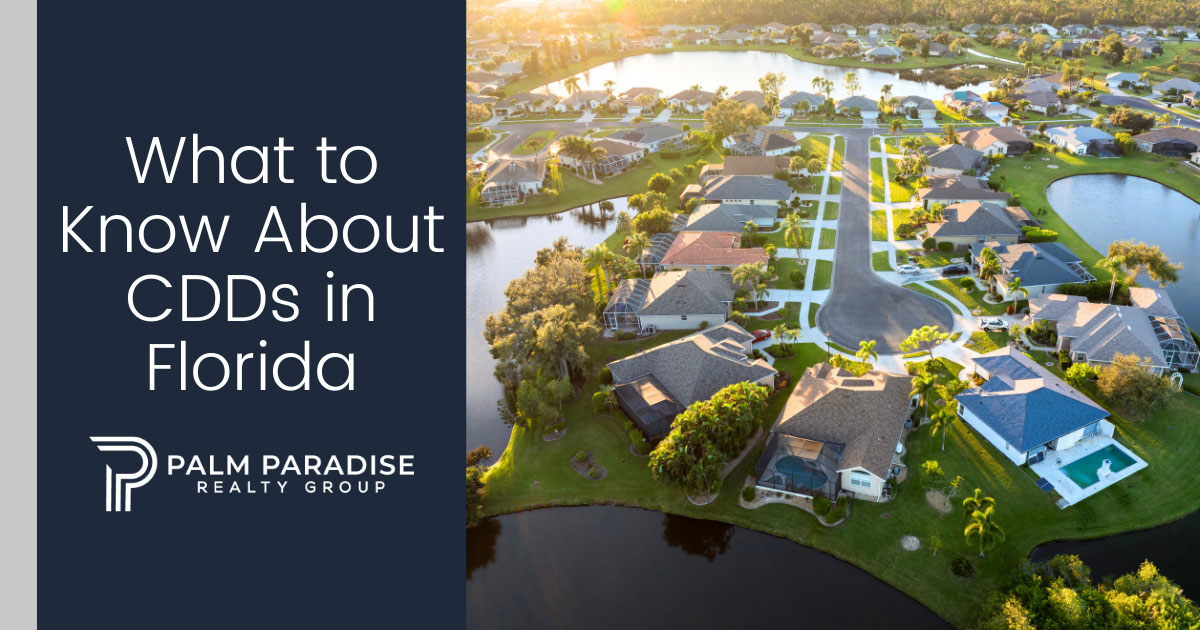
At its core, a Community Development District is a governmental unit established to finance and manage infrastructure, capital improvements, and public services within a specific, self-governing community. Think of it as a specialized local government designed to serve a particular development or a collection of neighborhoods. In Florida, CDDs are a prevalent mechanism for developers to fund the extensive infrastructure required for new communities, such as roads, water and sewer systems, storm drainage, parks, streetlights, and recreational facilities.
The Genesis of CDDs: Addressing Development Needs
The creation of a CDD is typically initiated by a developer when undertaking a large-scale residential or mixed-use project. Florida’s statutes provide a framework for establishing these districts, which then assume responsibility for the ongoing maintenance and operation of the community’s common areas and amenities. This allows developers to finance these significant upfront costs through bond issuance, which are repaid over time through assessments levied on property owners within the district.
The primary objective is to ensure that developments have the necessary infrastructure and services from the outset, without placing the entire financial burden on existing municipalities or taxpayers outside the development. For residents and future homeowners, this translates into well-maintained neighborhoods with a high level of amenities and services.
How CDDs Function: Governance and Funding
A CDD is governed by a Board of Supervisors, typically composed of elected landowners and, once a certain percentage of the development is occupied, elected residents. This board is responsible for managing the district’s finances, overseeing operations, and ensuring that the community’s infrastructure and services are maintained to a high standard.
The funding for CDD operations and debt service comes primarily from two types of assessments that appear on the annual property tax bill:
- Debt Service Assessment: This assessment is used to repay the bonds issued by the CDD to finance the original infrastructure. It is typically a fixed amount for each property within the district.
- Operations and Maintenance (O&M) Assessment: This assessment covers the ongoing costs of maintaining the community’s infrastructure and amenities, such as landscaping, pool cleaning, security, and recreational facility upkeep. This assessment can vary annually depending on the district’s needs and budget.
These assessments are a significant part of the property ownership costs in CDD communities. While they contribute to the high quality of life and amenities, potential buyers and renters should be aware of these additional costs.
The Impact of CDDs on Your Florida Experience
For travelers, understanding CDDs can offer insights into the quality and availability of amenities in the areas you might be visiting. Many of Florida’s most sought-after destinations and newer communities, particularly those offering resort-style living or extensive recreational facilities, are structured with CDDs.
Amenities and Lifestyle in CDD Communities
CDDs are often synonymous with robust community amenities. Because their funding is specifically allocated to infrastructure and services, these districts frequently provide residents and guests with access to:
- Parks and Green Spaces: Expansive parks, walking trails, and meticulously landscaped common areas are hallmarks of CDD communities. Think of the beautifully maintained parks in communities surrounding Tampa or the extensive trail systems found in developments in Southwest Florida.
- Recreational Facilities: Swimming pools (often resort-style with cabanas and water features), fitness centers, tennis courts, sports fields, and playgrounds are commonly managed by CDDs. This means that even in seemingly residential areas, you might find yourself enjoying amenities comparable to those at a high-end resort.
- Clubhouses and Community Centers: Many CDDs offer central clubhouses that serve as hubs for social activities, events, and resident gatherings. These often include meeting rooms, kitchens, and spaces for various recreational pursuits.
- Infrastructure Maintenance: Beyond amenities, CDDs ensure the upkeep of essential infrastructure. This includes well-maintained roads, efficient storm drainage systems, and reliable public utilities. This translates to smoother travel within these communities and a more pleasant living environment.
For those looking for extended stays or even considering a permanent move to Florida, properties within CDD communities often represent a package deal: a well-planned development with guaranteed access to high-quality amenities and a commitment to ongoing maintenance. This can be particularly appealing for individuals seeking a vibrant community lifestyle, perhaps in areas like Naples or the growing communities around Fort Myers.
Understanding Your Financial Obligations
For renters, the presence of a CDD might be less directly felt in terms of direct payments, as the developer or property owner typically covers the CDD assessments. However, understanding that these costs are factored into rental rates provides context for the quality of amenities offered.
For prospective property buyers, the CDD assessment is a crucial financial consideration. It’s essential to:
- Inquire about the CDD Assessments: Before purchasing a property, ask for the details of both the Debt Service and O&M assessments. These figures will be listed on property records and disclosures.
- Understand the Term of the Debt: The Debt Service assessment is tied to the repayment of bonds. Understanding how many years are left on these bonds will help you project future costs.
- Factor O&M into Your Budget: The O&M assessment can fluctuate. While it covers essential services, it’s wise to budget for potential increases over time.
- Review the CDD’s Official Records: The CDD’s website (often found by searching the district’s name) provides access to its budget, meeting minutes, and other important financial information. This transparency is a key feature of CDD governance.
In essence, while CDDs add an extra layer to understanding property ownership and community services in Florida, they are designed to ensure that the infrastructure and amenities of a development are not only created but also continuously maintained, contributing to a higher quality of life and potentially increased property values.
Navigating Florida’s Landscape: Where You’ll Encounter CDDs
Community Development Districts are not confined to a single region of Florida. They are a widespread tool used across the state to facilitate the growth and development of new communities. You’ll find them in master-planned communities, large residential developments, and even in areas with significant tourism infrastructure.
From Coastal Resorts to Inland Havens
Whether you’re exploring the theme park capital of the world in Orlando, seeking the tranquil beaches of the Gulf Coast near Sarasota, or enjoying the bustling nightlife of Fort Lauderdale, there’s a good chance you’ll encounter communities managed by CDDs.
Many of the newer master-planned communities, designed with extensive amenities and a focus on lifestyle, have opted for the CDD structure. This allows them to offer a comprehensive package of services and facilities that might otherwise be difficult to fund or maintain through traditional municipal means. For instance, large resort-style communities that include hotels, residential villas, and extensive recreational complexes, such as those found in the Orlando metropolitan area or the growing regions of Southwest Florida, often leverage CDDs to manage their shared infrastructure and amenities.
CDDs and the Tourism Sector
The impact of CDDs extends beyond just residential living; they play a significant role in the tourism sector as well. Many hotels, resorts, and vacation rental communities in Florida are located within CDD boundaries. This means that the infrastructure supporting these establishments – the roads leading to them, the water and sewer systems, and sometimes even the landscaping and common areas surrounding them – are financed and maintained by the CDD.
For travelers, this often translates into well-maintained destinations with attractive common spaces and reliable services. For example, a new resort development in Tampa Bay might be part of a CDD, ensuring that the surrounding infrastructure, parks, and potentially even shared recreational facilities are kept in pristine condition, enhancing the overall guest experience. When booking a stay at a resort or a vacation rental in a developing area of Florida, it’s worth considering if it falls under a CDD, as this can be an indicator of the quality and upkeep of the surrounding amenities.
A Note on Legacy Communities
It’s important to note that not all communities in Florida have CDDs. Older, more established neighborhoods often predate the widespread use of CDDs and are served by traditional municipal services. However, as Florida continues to grow and develop, particularly in areas experiencing rapid expansion, CDDs remain a popular and effective tool for ensuring that new communities are built with robust infrastructure and a commitment to ongoing amenity management.
Therefore, when exploring different destinations or considering accommodation options across Florida, from the luxury suites in Key West to the family-friendly resorts in central Florida, being aware of the potential presence of a Community Development District can provide valuable context about the services and amenities you can expect.
The Advantages and Considerations of CDDs
Community Development Districts, while sometimes a point of confusion, are designed to offer distinct advantages, primarily focused on facilitating development and ensuring long-term community well-being. However, like any financial or governance structure, there are also aspects that warrant careful consideration.
Benefits of the CDD Model
- Ensures High-Quality Infrastructure and Amenities: The primary advantage of a CDD is its role in funding and maintaining essential infrastructure and desirable amenities. This leads to aesthetically pleasing, well-equipped, and efficiently managed communities. For residents, this means access to parks, pools, fitness centers, and well-kept public spaces without the direct responsibility of individual ownership and maintenance of these common elements.
- Facilitates Large-Scale Development: CDDs allow developers to finance the extensive upfront costs associated with building new communities, including roads, utilities, and public facilities. This makes it feasible to undertake ambitious master-planned projects that might otherwise be economically prohibitive.
- Provides a Dedicated Funding Stream: The assessments collected by the CDD create a predictable and dedicated funding source for operations and debt service. This ensures that ongoing maintenance and capital improvement projects can be adequately funded, preventing the deterioration of community assets over time.
- Promotes Long-Term Planning and Stability: The governance structure of a CDD, with its elected Board of Supervisors, encourages long-term planning for community maintenance and improvements. This can lead to greater stability and predictability in community services and the overall living environment.
- Transparency in Governance: CDDs are governmental entities and are subject to public records laws and open meetings requirements. This transparency allows property owners to stay informed about district finances, operations, and decisions.

Potential Considerations and Drawbacks
- Additional Property Costs: For property owners, CDD assessments are an additional cost of homeownership or rental. These assessments can be significant and are a recurring expense that needs to be factored into the overall cost of living or vacationing in a CDD community.
- Complexity for Buyers: Understanding the nuances of CDD assessments, bond terms, and annual budgets can be complex for new buyers. It requires careful due diligence to fully grasp the financial implications.
- Developer Influence (Initially): In the early stages of a development, the developer often controls the CDD Board, which can raise concerns about potential conflicts of interest. However, as more residents occupy the community, the board typically transitions to being elected by residents.
- Limited Flexibility: While dedicated funding is a benefit, it can also mean less flexibility for the CDD to deviate from its established budget or services without going through a formal process.
In conclusion, Community Development Districts are a fundamental part of how many new communities are built and managed in Florida. For travelers and residents alike, understanding their purpose and function sheds light on the quality of amenities, the upkeep of infrastructure, and the financial considerations associated with certain properties. By demystifying the CDD, you can approach your Florida travel and accommodation choices with greater clarity and confidence, whether you are booking a luxurious suite at the Ritz-Carlton Orlando or exploring vacation rentals in a master-planned community.
LifeOutOfTheBox is a participant in the Amazon Services LLC Associates Program, an affiliate advertising program designed to provide a means for sites to earn advertising fees by advertising and linking to Amazon.com. Amazon, the Amazon logo, AmazonSupply, and the AmazonSupply logo are trademarks of Amazon.com, Inc. or its affiliates. As an Amazon Associate we earn affiliate commissions from qualifying purchases.