
Florida, a state renowned for its sun-drenched beaches, vibrant theme parks, and crystal-clear waters, also grapples with a natural phenomenon that can dramatically alter its coastal landscapes: the red tide. While the name suggests a fiery hue, a red tide is far more complex than just discolored seawater. It’s a bloom of microscopic algae, specifically a type of dinoflagellate called Karenia brevis, that can proliferate in large numbers along the Gulf Coast of Florida, and sometimes extend into other parts of the state. Understanding what a red tide is, how it affects Florida’s tourism and lifestyle, and what to do during one is crucial for anyone planning a visit or living in the Sunshine State.
The Science Behind the Bloom: Understanding Karenia Brevis
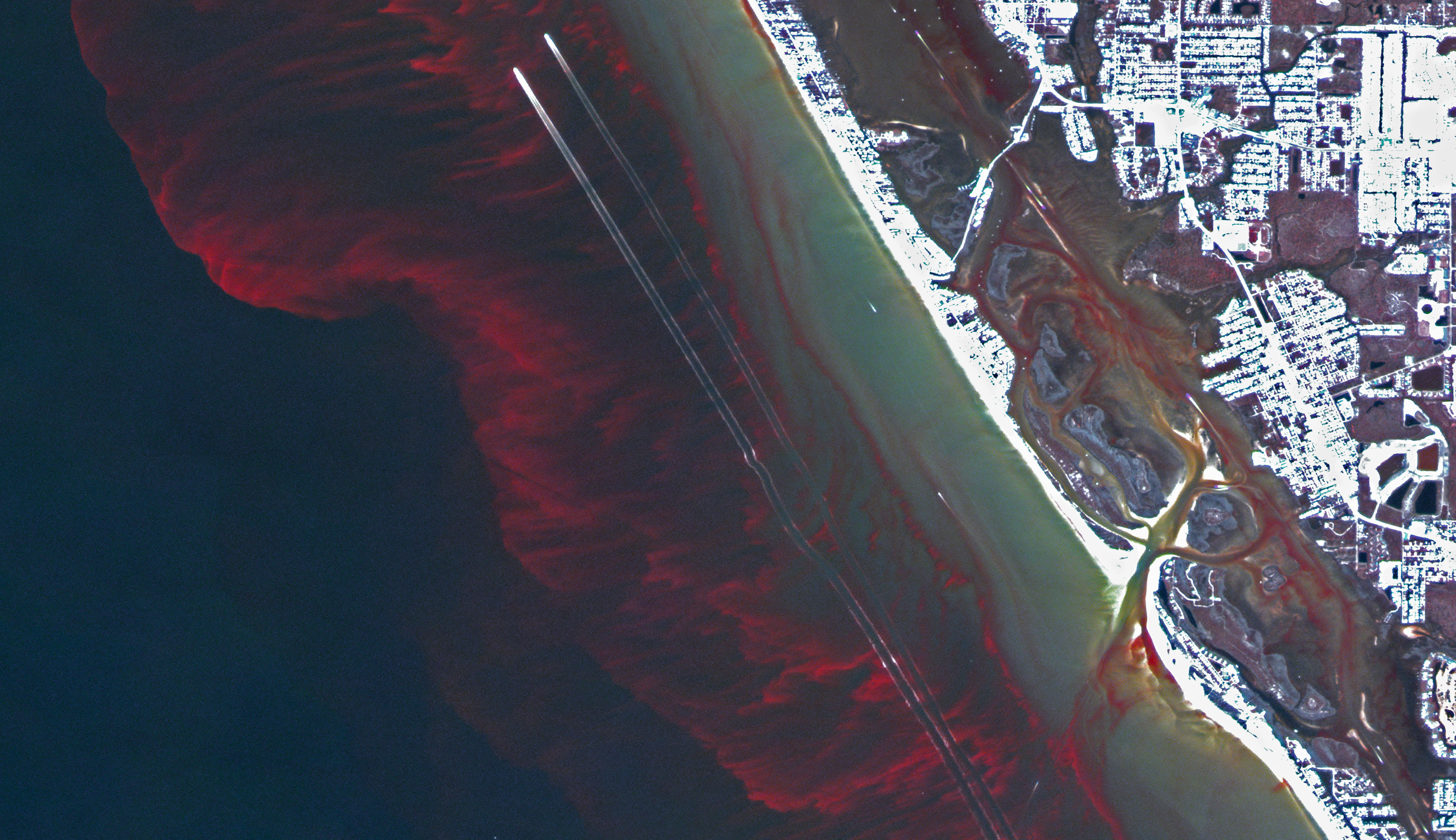
The term “red tide” is somewhat of a misnomer, as the water doesn’t always turn red. While some blooms can impart a reddish or brownish tint, others might appear clear or even foamy. The defining characteristic is not the color, but the sheer concentration of Karenia brevis cells. These single-celled organisms are naturally present in the Gulf of Mexico, but under specific environmental conditions, they can experience explosive growth, forming what is known as a harmful algal bloom (HAB).
What Triggers a Red Tide?
The exact triggers for a Karenia brevis bloom are still a subject of ongoing scientific research, but several factors are believed to play a significant role:
- Nutrient Availability: Like any plant or algae, Karenia brevis requires nutrients to grow. While the ocean naturally contains these nutrients, increased levels, potentially from sources like agricultural runoff, sewage, or upwelling of nutrient-rich deep ocean water, can fuel algal growth.
- Water Temperature: Warmer water temperatures, particularly during the summer months and early fall, are often associated with the development of red tides.
- Salinity Levels: Optimal salinity is another factor that Karenia brevis thrives in. Changes in rainfall and freshwater input can influence this.
- Ocean Currents and Upwelling: Ocean currents can concentrate the algae, and upwelling events can bring nutrient-rich deep water to the surface, further supporting bloom growth.
- Sunlight: Adequate sunlight is necessary for photosynthesis, which algae use to produce energy.
Once a bloom begins, it can persist for weeks or even months, depending on conditions. The algae reproduce rapidly, reaching densities of millions of cells per liter of seawater. As these blooms grow and eventually begin to die, they release toxins that can have a significant impact on marine life and human health.
The Impact on Marine Life
One of the most visible and devastating effects of a red tide is the impact on marine ecosystems. As Karenia brevis blooms, they release potent neurotoxins called brevetoxins. These toxins can:
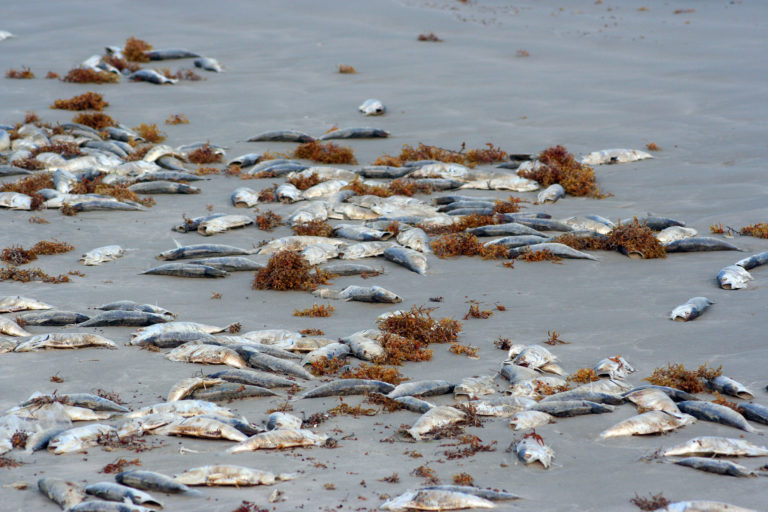
- Affect Fish: Brevetoxins can paralyze the respiratory systems of fish, leading to widespread fish kills. Beaches can become littered with dead fish, creating an unpleasant odor and posing a public health concern.
- Harm Shellfish: Shellfish, such as oysters, clams, and mussels, filter large volumes of water. When they consume Karenia brevis, they accumulate brevetoxins. Consuming contaminated shellfish can cause severe illness in humans, which is why shellfish harvesting areas are closely monitored and often closed during red tide events.
- Impact Marine Mammals and Birds: Dolphins, manatees, sea turtles, and seabirds can also be affected by red tide toxins, either by directly ingesting contaminated fish or by inhaling aerosolized toxins from the surf. This can lead to respiratory distress, neurological damage, and even death. The plight of marine animals affected by red tide is often a heartbreaking aspect of these events, impacting the natural beauty that draws so many to Florida’s coast.
Human Health Concerns Associated with Red Tide
While the visual spectacle of discolored water might be the first indicator for some, the more significant concern for beachgoers and residents is the impact on human health. Brevetoxins can become aerosolized, meaning they can become airborne when waves break along the shore. Inhaling these microscopic toxins can cause a range of respiratory symptoms, particularly for individuals with pre-existing conditions.
- Respiratory Irritation: Symptoms can include coughing, sneezing, wheezing, runny nose, and itchy throat. People with asthma, emphysema, or other chronic respiratory illnesses are especially vulnerable and may experience more severe reactions.
- Skin and Eye Irritation: Direct contact with the water during a red tide can also cause skin irritation and rashes for some individuals.
It is important to note that drinking water contaminated with brevetoxins does not pose a direct threat to humans, as the toxins are not water-soluble and are not ingested through drinking water. However, eating contaminated shellfish is a serious risk.
Red Tide’s Impact on Florida Tourism and Lifestyle
Florida’s economy is heavily reliant on tourism, with its pristine beaches and abundant marine life being major draws. Red tides can significantly disrupt this, impacting various aspects of travel, accommodation, and local lifestyle.
Travel and Attractions: Navigating a Red Tide

When a red tide event occurs, it can cast a shadow over the idyllic beach vacation experience.
- Beach Closures and Advisories: Local authorities often issue advisories or even close beaches entirely if the red tide is severe or if fish kills are significant. This can lead to disappointment for tourists who have planned their trips around beach access.
- Deterioration of Beach Experience: Even if beaches remain open, the presence of dead fish, the pungent odor, and respiratory irritation can make spending time on the sand unpleasant. Tourists may opt for indoor activities or choose to visit unaffected areas of the state.
- Impact on Water Activities: Swimming, surfing, kayaking, and other water sports can become unenjoyable or even unsafe during a red tide due to the toxins. This directly affects the appeal of coastal attractions and experiences.
- Changes in Wildlife Sightings: While the tragedy of marine life deaths is paramount, the reduction in visible marine life can also diminish the appeal for nature enthusiasts looking to spot dolphins or sea turtles.
Cities like Sarasota, Fort Myers, and Naples along Florida’s Gulf Coast are particularly susceptible to the economic impacts of red tides due to their strong reliance on beach tourism. Destinations that are typically bustling with visitors can experience a noticeable downturn in foot traffic and revenue.
Hotels, Accommodation, and Business Stays: Adapting to the Bloom
The accommodation sector in Florida is not immune to the effects of a red tide.
- Reduced Bookings: Tourists planning trips to affected coastal areas may cancel or postpone their bookings. This can lead to significant revenue losses for hotels, resorts, and vacation rental agencies.
- Shift in Demand: Travelers might redirect their plans to unaffected regions of Florida, such as the Atlantic coast or inland destinations, or opt for alternative vacation spots altogether. This can create a surge in demand for accommodation in those areas.
- Reputation Management: Hotels and resorts in red tide-affected areas often have to work harder to reassure potential guests about the safety and experience they can still offer, highlighting alternative amenities and activities.
- Long-Term Stays: For those considering longer stays, such as snowbirds or individuals on extended business trips, the presence of a red tide can be a significant deterrent, prompting them to reconsider their plans or shorten their visits.
Lifestyle and Local Culture: Embracing Resilience
For Floridians, red tides are a recurring, albeit unwelcome, part of life. The local lifestyle is often adapted to manage and mitigate the impacts.
- Shifting Activities: Residents often shift their recreational activities away from the coast during a red tide, favoring inland parks, shopping, or cultural events. This can lead to a temporary boost in business for non-coastal attractions.
- Awareness and Preparedness: Communities develop a heightened awareness of red tide forecasts and advisories. Local news outlets and environmental agencies provide regular updates, helping residents and tourists make informed decisions.
- Economic Diversification: The recurring nature of red tides encourages some communities to diversify their economies beyond just beach-dependent tourism, fostering growth in other sectors.
- Conservation Efforts: Red tides often spur increased interest in conservation efforts and scientific research aimed at understanding and potentially mitigating these blooms. This can lead to greater community engagement in environmental protection.
- Health Precautions: During a red tide, residents are more conscious of air quality and may limit outdoor activities or use air purifiers indoors, especially if they have respiratory sensitivities.
Living with Red Tide: Tips for Travelers and Residents
While a red tide can be a challenging natural event, it doesn’t necessarily have to ruin a trip to Florida or significantly disrupt daily life. With proper planning and awareness, visitors and residents can still make the most of their time.
Before You Travel: Checking Red Tide Status
- Florida Fish and Wildlife Conservation Commission (FWC): The FWC provides real-time red tide status maps and reports for Florida. Checking their website (myfwc.com) before and during your trip is essential.
- Local News and Tourism Websites: Local news outlets and official tourism websites for specific cities or counties often provide updated information on beach conditions and advisories.
During a Red Tide: Making the Best of It
- Consider Alternative Destinations: If your primary goal is to enjoy the beach, and a severe red tide is impacting your chosen destination, consider shifting your plans to a different region of Florida or a different state.
- Focus on Inland Attractions: Florida offers a wealth of attractions beyond its coastline. Explore theme parks like Walt Disney World or Universal Orlando Resort, visit museums and art galleries in cities like Miami or Tampa, or enjoy the natural beauty of state parks and nature preserves further inland.
- Enjoy Coastal Amenities (with Caution): Many coastal towns still offer excellent dining, shopping, and entertainment options that are not directly impacted by the red tide. Restaurants might still serve fresh seafood, though it’s always wise to inquire about sourcing.
- Prioritize Health: If you experience respiratory irritation, avoid the beach and spend time indoors in air-conditioned spaces. If symptoms are severe, consult a healthcare professional.
- Respect Wildlife: If you encounter distressed marine animals, do not approach them. Contact local wildlife rescue organizations or authorities.
Understanding the Lifespan of a Red Tide
Red tides are dynamic events. They can form, intensify, move, and dissipate. Their duration is highly variable, and predicting their exact lifespan is challenging. Some blooms last only a few weeks, while others can persist for many months. Factors like prevailing winds, ocean currents, and the availability of nutrients all influence how long a bloom lasts and where it might move. This unpredictability is one of the challenges in managing the impacts of red tides on Florida’s tourism and ecosystem.
In conclusion, while the term “red tide” might evoke images of vibrant, potentially dangerous waters, it’s a complex ecological phenomenon driven by microscopic algae. Its presence in Florida significantly influences travel plans, accommodation choices, and the daily lives of residents. By staying informed, being prepared, and adapting activities, both visitors and locals can navigate these natural cycles and continue to appreciate the many wonders that the Sunshine State has to offer, even when the algae bloom.
LifeOutOfTheBox is a participant in the Amazon Services LLC Associates Program, an affiliate advertising program designed to provide a means for sites to earn advertising fees by advertising and linking to Amazon.com. Amazon, the Amazon logo, AmazonSupply, and the AmazonSupply logo are trademarks of Amazon.com, Inc. or its affiliates. As an Amazon Associate we earn affiliate commissions from qualifying purchases.