
Florida, a state synonymous with sunshine, sandy beaches, and vibrant tourism, often surprises its residents and visitors with its dynamic legislative landscape. While many associate the Sunshine State with theme parks like Walt Disney World and the stunning coastlines of the Florida Keys, understanding its governing principles is crucial for a complete picture. One such significant piece of legislation that impacts the state’s financial framework is Amendment 5. This amendment, primarily concerned with property tax limitations, has far-reaching implications for homeowners, local governments, and the broader economic development of Florida.
While the initial inquiry into Amendment 5 might seem distant from the typical tourist’s itinerary of exploring Miami’s art deco districts or relaxing on the shores of Clearwater Beach, its influence subtly shapes the very environment that attracts millions. Property taxes fund essential local services – from maintaining public parks and libraries to supporting schools and emergency services. Therefore, understanding how Amendment 5 affects these taxes is key to appreciating the financial underpinnings of the communities people visit and live in. This article will delve into what Amendment 5 in Florida entails, its historical context, its key provisions, and its ongoing impact on the state’s financial health and, by extension, its tourism and lifestyle appeal.

Understanding Amendment 5: Property Tax Relief and Its Evolution
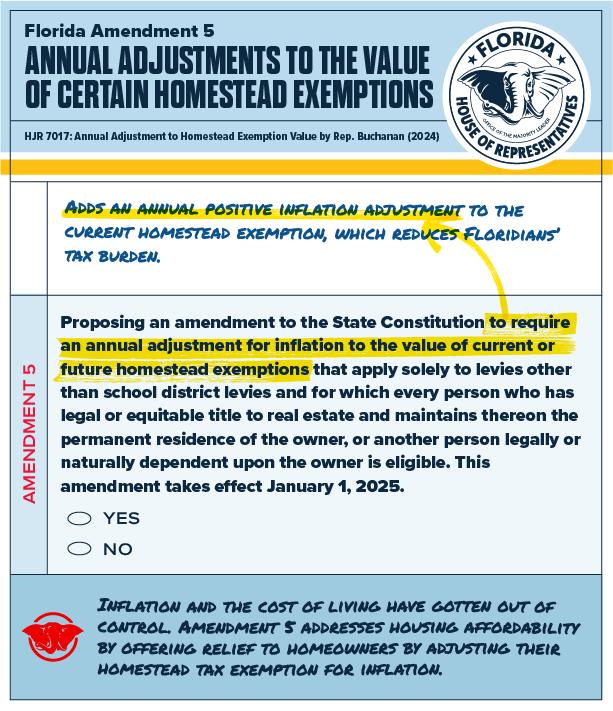
Amendment 5, formally known as the Homestead Property Tax Exemption initiative, has been a cornerstone of Florida’s property tax system. Its primary objective has been to provide relief to homeowners, particularly those whose primary residences are in the state. The concept of a homestead exemption is not unique to Florida, but the way Amendment 5 has shaped its implementation and growth over time is noteworthy.
Historical Context: The Genesis of Property Tax Relief
Before Amendment 5, Florida’s property tax landscape was subject to different regulations. As property values, especially in desirable areas like Orlando and along the Gulf Coast, began to rise, so did property tax burdens. This led to concerns among homeowners, especially long-term residents, about the affordability of maintaining their homes. The growing sentiment was that the state needed to implement measures to protect homeowners from being priced out due to escalating tax bills.
The push for Amendment 5 emerged from a desire to create a more stable and predictable property tax environment. Proponents argued that by capping the annual increase in assessed property values for homesteaded properties, the amendment would safeguard homeowners from sudden, significant tax hikes. This would, in turn, encourage continued homeownership and foster a sense of community stability, which are vital elements for any thriving destination or residential area. The idea was that a more secure housing market would contribute to a stronger overall economy, benefiting everyone from local businesses catering to tourists to residents who form the backbone of the community.
Key Provisions of Amendment 5
At its core, Amendment 5 introduced a crucial limitation on how much the assessed value of a homesteaded property could increase each year. This “Save Our Homes” provision, as it is often colloquially referred to, limits the annual increase in assessed value for homestead properties to the lesser of 3% or the percentage increase in the Consumer Price Index (CPI) for the Southern Region.
This provision has a significant impact on property taxes. Property taxes are calculated by multiplying the assessed value of a property by the applicable millage rate set by local taxing authorities (e.g., county government, school board, city). By capping the assessed value increase, Amendment 5 directly limits the potential rise in property tax bills, even if market values are increasing at a faster pace.
For example, if a home’s market value increases by 10% in a given year, but the “Save Our Homes” cap limits the assessed value increase to 2%, the property owner will only see their tax bill rise based on that 2% increase (assuming the millage rate remains constant). This is a substantial benefit for homeowners, providing financial predictability and making it easier to budget for living expenses. This predictability also contributes to the overall lifestyle appeal of Florida, making it a more attractive place to live, invest, and establish roots. For those considering long-term stays or even retirement in Florida, this stability is a significant factor.
Furthermore, Amendment 5 also created portability for homestead exemptions. This means that when a homeowner sells their homesteaded property and purchases a new one within Florida, they can transfer their accumulated Save Our Homes benefit to the new property, up to the value of the new property. This feature is particularly beneficial in a dynamic real estate market, preventing homeowners from losing years of tax savings when they decide to move. This portability further enhances the appeal of Florida as a place for stable residency, which in turn supports the tourism industry by fostering a consistent local population that patronizes businesses and attractions.
The Impact of Amendment 5 on Florida’s Tourism and Lifestyle
While Amendment 5 is fundamentally a fiscal policy, its consequences ripple outwards, influencing the very fabric of Florida life and, consequently, its appeal as a tourist destination and a desirable place to live. The stability and affordability it aims to provide for homeowners indirectly contribute to the state’s allure.
Enhancing the Livability and Attractiveness of Florida

By offering property tax relief, Amendment 5 helps maintain the affordability of living in Florida. This is crucial for attracting and retaining a diverse population, from young families to retirees. When communities are stable and affordable, they tend to foster a stronger sense of local culture and community spirit, elements that are increasingly sought after by travelers looking for authentic experiences beyond the typical tourist traps. Imagine exploring the charming streets of a town where long-term residents have been able to maintain their homes for decades; this stability often translates into a richer, more established local character.
The predictability in housing costs also contributes to a more stable workforce. This stability is vital for the service industries that underpin Florida’s massive tourism sector, ensuring that hotels, restaurants, and attractions can operate efficiently and provide consistent quality of service. A well-resourced local population also means more disposable income for leisure activities, potentially increasing demand for local attractions and dining experiences, benefiting the tourism ecosystem.
Moreover, the security offered by Amendment 5 can encourage investment in home improvements and local businesses. When homeowners feel financially secure, they are more likely to invest in their properties, which can enhance the aesthetic appeal of neighborhoods and cities, making them more attractive to visitors. This could range from well-maintained vacation rentals to beautifully landscaped public spaces, all contributing to a positive visitor experience.
Financial Implications for Local Governments and Public Services
It’s important to acknowledge that while Amendment 5 provides significant benefits to homeowners, it also presents challenges for local governments. By limiting the growth of property tax revenues, especially in years with high market appreciation, the amendment can constrain the ability of local taxing authorities to fund essential public services. This can lead to difficult budget decisions, potentially impacting the quality or availability of services that are also crucial for tourists and residents alike, such as road maintenance, public transportation, parks, and cultural institutions.
For instance, a reduction in funding for park maintenance might mean fewer amenities or a less pristine environment at a popular local park. Similarly, underfunding for public safety could have implications for the overall visitor experience. Local governments often grapple with finding alternative revenue streams or making efficiency cuts to compensate for the limitations imposed by Amendment 5. This can create a dynamic tension between the desire for property tax relief for residents and the need for robust funding for public amenities that enhance the quality of life and the visitor experience.
The effectiveness of Amendment 5 is therefore a subject of ongoing debate. While it undeniably offers tangible benefits to homeowners, its long-term impact on the financial capacity of local governments and the provision of public services requires careful consideration and management. This balance is crucial for ensuring that Florida remains a desirable destination for tourism, lifestyle, and long-term living.
Navigating Amendment 5: Considerations for Homeowners and Investors
For those considering purchasing property in Florida, or for existing homeowners looking to understand their tax obligations better, a clear grasp of Amendment 5 is essential. It influences not only current tax bills but also long-term financial planning and investment decisions.
Implications for Potential Homebuyers and Investors
When looking at properties in Florida, buyers should be aware of the homestead exemption and the “Save Our Homes” cap. The current assessed value of a property and its history of homestead exemption can significantly impact future tax liabilities. A property that has been homesteaded for a long time may have a significantly lower assessed value than a comparable property that has not, even if their market values are similar. This can make older, established neighborhoods more attractive from a tax perspective.
Investors, especially those looking at properties for rental income, need to understand that they generally cannot claim a homestead exemption on investment properties. This means their property taxes will be based on the full market value, without the benefit of the “Save Our Homes” cap. This distinction is critical for accurate financial forecasting and profitability analysis. Understanding the nuances of Amendment 5 can help investors make more informed decisions about property acquisition and pricing strategies, ensuring that their ventures in the Florida real estate market are well-grounded.
The Role of Amendment 5 in Long-Term Stays and Retirement
For individuals planning a long-term stay or retirement in Florida, Amendment 5 offers a significant financial incentive. The ability to lock in a lower assessed value on a primary residence can make retirement more affordable and financially predictable. This stability is a major draw for many who choose Florida as their retirement destination, allowing them to allocate more of their fixed incomes to other lifestyle expenses, such as travel, dining, and entertainment.
The portability of the homestead exemption also provides flexibility for retirees who may need to downsize or relocate within the state. Knowing that their accumulated tax savings can be transferred provides peace of mind and reduces a potential barrier to moving. This makes Florida a more appealing and practical choice for those seeking a comfortable and financially manageable retirement. The overall lifestyle benefits of Florida, from its pleasant climate to its recreational opportunities, are amplified when coupled with the financial predictability offered by Amendment 5, making it a compelling option for those planning their golden years.
In conclusion, Amendment 5 in Florida is more than just a clause in the state constitution; it’s a fundamental element shaping the financial landscape for homeowners and influencing the overall attractiveness of the state for tourism, lifestyle, and long-term living. Its provisions for property tax relief, particularly the “Save Our Homes” cap and portability, provide significant benefits to residents, contributing to a more stable and affordable living environment. While it presents challenges for local government funding, its impact on homeownership security and the quality of life in Florida is undeniable. For anyone considering making Florida their home, whether for a vacation, a business stay, or a permanent residence, understanding Amendment 5 is a crucial step in navigating the Sunshine State’s unique economic and lifestyle offerings.
LifeOutOfTheBox is a participant in the Amazon Services LLC Associates Program, an affiliate advertising program designed to provide a means for sites to earn advertising fees by advertising and linking to Amazon.com. Amazon, the Amazon logo, AmazonSupply, and the AmazonSupply logo are trademarks of Amazon.com, Inc. or its affiliates. As an Amazon Associate we earn affiliate commissions from qualifying purchases.