
Florida, the Sunshine State, beckons travelers with its sun-drenched beaches, vibrant theme parks, and rich cultural tapestry. Whether you’re planning a luxurious escape to Miami, a family adventure to Orlando, or a serene retreat to the Florida Keys, understanding the local time is fundamental to a seamless travel experience. But with its extensive geography, one might wonder if the entire state adheres to a single time zone. This article delves into the intricacies of time in Florida, ensuring your travel plans are perfectly synchronized.
The question “What Is The Correct Time In Florida?” might seem simple, but the answer involves a nuanced understanding of time zones within the United States. For most of the year, Florida observes Eastern Standard Time (EST) during the winter months and Eastern Daylight Time (EDT) during the summer months, in sync with the majority of the Eastern Time Zone. However, there’s a small but significant exception that can catch even seasoned travelers off guard.
Navigating Florida’s Time Zones
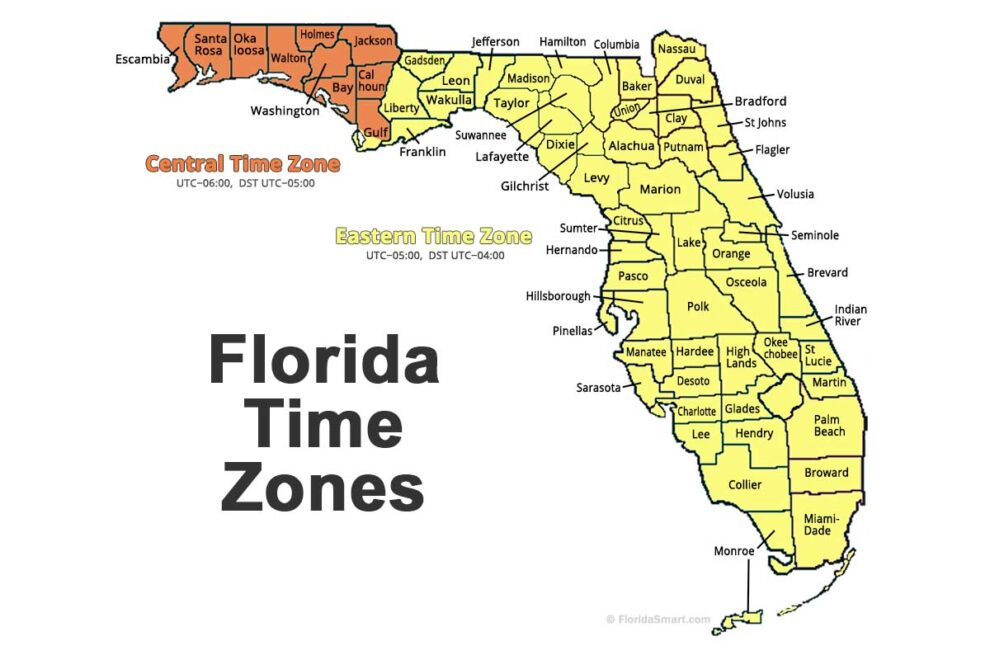
The vast majority of the state of Florida operates within the Eastern Time Zone. This encompasses major cities and popular tourist destinations such as Miami, Orlando, Tampa, Jacksonville, and the Florida Keys. This zone is 5 hours behind Coordinated Universal Time (UTC-5) during standard time and 4 hours behind UTC (UTC-4) when daylight saving time is in effect.
The Daylight Saving Time Factor
Like most of the United States, Florida participates in Daylight Saving Time (DST). DST typically begins on the second Sunday in March and ends on the first Sunday in November. During this period, clocks are advanced by one hour. This means that during DST, the state observes Eastern Daylight Time (EDT). When DST is not in effect, Florida observes Eastern Standard Time (EST). This shift is crucial for scheduling flights, booking accommodations, and planning daily activities, especially when coordinating with different time zones. For instance, if you’re traveling from a state that doesn’t observe DST, or from a country with different DST rules, it’s vital to confirm the current time in Florida.
The Peculiar Case of the Western Panhandle
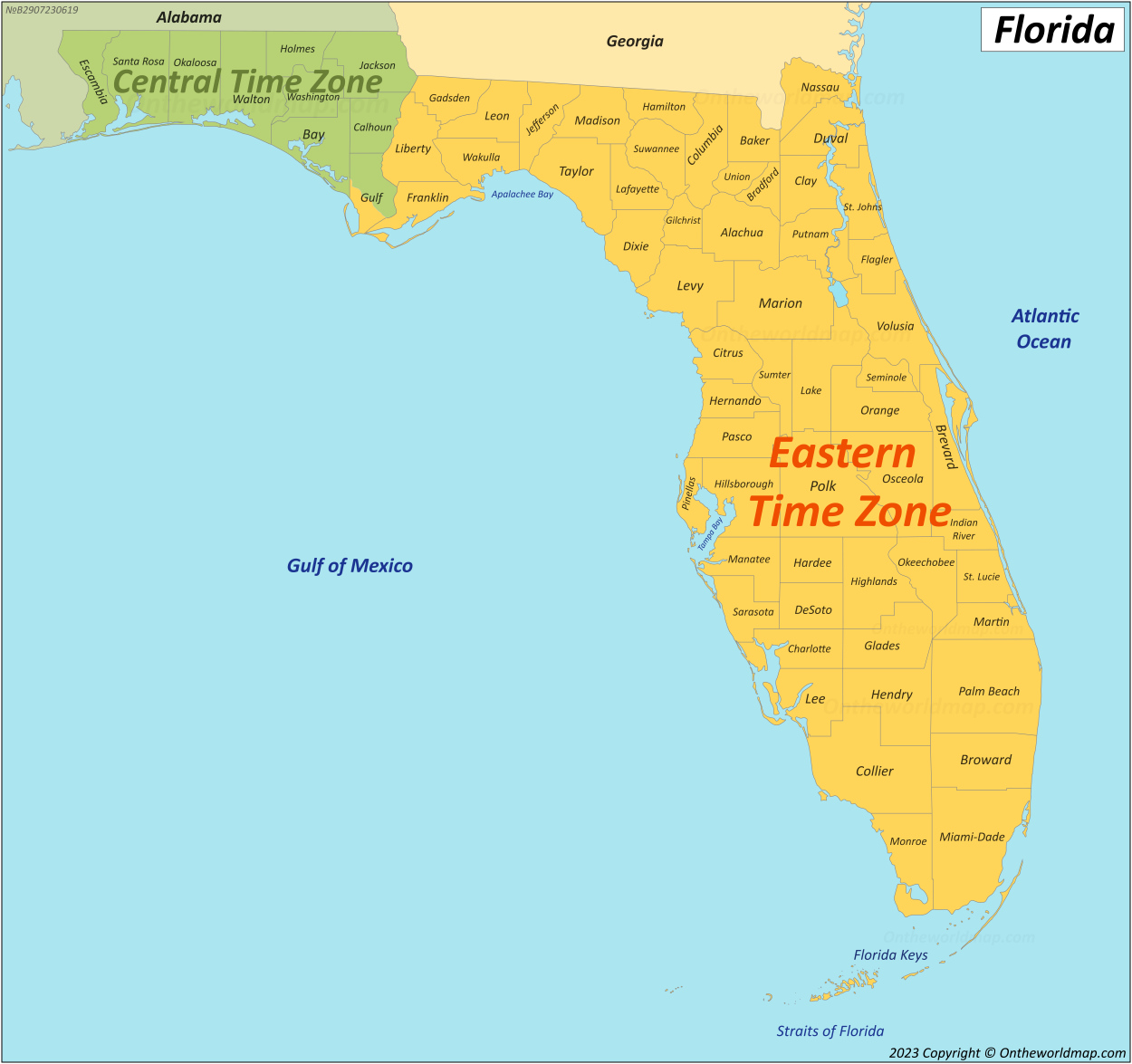
The only part of Florida that deviates from the Eastern Time Zone is a small sliver of the western panhandle. This region, specifically the counties of Escambia, Santa Rosa, Okaloosa, and Walton, observes the Central Time Zone. This zone is one hour behind the Eastern Time Zone. Therefore, while much of Florida is on EDT (during DST) or EST (during standard time), these western panhandle counties are on CDT (Central Daylight Time) or CST (Central Standard Time), respectively.
This time zone border can be a point of confusion for travelers, particularly those visiting or driving through the western part of the state. For example, if you are in Pensacola (which is in the Central Time Zone) and your travel companion is in Tallahassee (which is in the Eastern Time Zone), there will be a one-hour difference. This is especially pertinent for individuals attending events, making appointments, or catching transportation that crosses this temporal boundary.
The historical reasons for this division are rooted in practical considerations related to commerce and communication prevalent during the time the zones were established. Today, it’s a unique geographical quirk that travelers should be aware of to avoid any scheduling mishaps. Understanding this distinction is key to accurately determining the correct time in Florida for any given location within the state.
Planning Your Florida Adventure: Time-Sensitive Considerations
Understanding Florida’s time zones is more than just a matter of curiosity; it’s a practical necessity for anyone planning a trip to the Sunshine State. From booking flights and accommodations to scheduling activities and dining reservations, temporal accuracy can significantly impact your experience.
Travel and Transportation

When booking flights into or out of Florida, always confirm the arrival and departure times in the local time of the origin and destination airports. For example, a flight departing from Chicago (Central Time) to Miami (Eastern Time) will have a different local departure and arrival time than what is stated on your ticket relative to UTC. Similarly, when arranging airport transfers or car rentals, ensure you’re accounting for any potential time zone shifts if your journey involves crossing into the Central Time Zone within Florida. Driving across the state, especially from the eastern coast to the western panhandle, requires a mental adjustment as you move an hour back in time. This is particularly important for catching connecting flights or making tight connections at airports like Pensacola Regional Airport (in the Central Time Zone) versus Orlando International Airport (in the Eastern Time Zone).
Accommodation and Activities
The vast majority of hotels, resorts, and vacation rentals in Florida operate on Eastern Time. This includes renowned establishments like the Ritz-Carlton, South Beach, the Disney’s Grand Floridian Resort & Spa in Orlando, and boutique hotels across cities like St. Augustine. When booking your stay, especially through platforms that might aggregate information globally, always cross-reference the local time zone for the specific city or area you’re visiting.
Similarly, tours, theme park reservations, and dining experiences are all scheduled according to the local time. If you’re planning a visit to Walt Disney World Resort or Universal Orlando Resort, all showtimes, parade schedules, and dining reservations will be in Eastern Time. If you’re exploring attractions in the western panhandle, such as beaches near Destin or Panama City Beach, remember that your activities there will be on Central Time. This temporal awareness can prevent you from missing crucial reservation windows or scheduled events.
Experiencing Local Culture and Lifestyle
Florida’s vibrant local culture, from the culinary delights of Little Havana in Miami to the historic charm of St. Augustine, is best enjoyed when you’re not rushing due to time-related miscalculations. Whether you’re planning a leisurely brunch in Tampa, a sunset cruise in the Florida Keys, or exploring the nature trails of the Everglades, having a clear understanding of the local time ensures you can fully immerse yourself in the experience. Budget travelers, luxury seekers, and families on vacation alike benefit from this temporal precision. It allows for more relaxed exploration of landmarks like Bok Tower Gardens or enjoying the nightlife in South Beach without the stress of being out of sync.
Making the Most of Your Time in the Sunshine State
To truly savor your Florida experience, embracing the state’s temporal rhythms is essential. Whether you’re a tourist exploring world-class attractions, a business traveler on a tight schedule, or a resident enjoying the local lifestyle, a little temporal awareness goes a long way.
Leveraging Technology for Time Synchronization
In today’s interconnected world, technology can be your greatest ally in managing time zone differences. Most smartphones and smartwatches automatically update to the local time zone as you travel. However, it’s always prudent to double-check, especially when crossing into the Central Time Zone in the western panhandle. Apps like Google Maps or dedicated time zone converter applications can be incredibly useful. Before your trip, consider downloading offline maps of Florida that can display local times. Setting alarms and reminders that are localized to your destination’s time zone will also prevent any accidental overscheduling or missed appointments. For business stays, ensuring your internal company calendars reflect the correct time zone of your Florida office or meeting location is paramount for efficient collaboration.
Understanding Time Zones for Different Activities
When planning your itinerary, consider the specific nature of your activities. For early morning fishing trips off the coast of Sanibel Island, knowing whether you need to set your alarm for 5 AM Eastern or 5 AM Central can make a significant difference to your wake-up call. Similarly, for evening entertainment, such as catching a performance at the Straz Center for the Performing Arts in Tampa or a sunset view from Clearwater Beach, confirming the showtimes or optimal viewing times in the local Eastern Time is crucial. For those venturing into the western panhandle for activities around Destin, remember to adjust your timing accordingly, as local businesses and attractions will operate on Central Time. This foresight ensures you can plan your day efficiently, from enjoying a leisurely breakfast in Pensacola to a later dinner in Panama City Beach without feeling rushed or missing out.
Embracing the Florida Lifestyle
Ultimately, whether you are on a budget adventure exploring the natural beauty of Biscayne National Park, indulging in a luxury getaway at a resort in Palm Beach, or taking a family trip to the theme parks of Orlando, understanding the correct time in Florida is a small but significant detail that contributes to a smoother, more enjoyable, and more memorable vacation. By being mindful of the Eastern and Central Time Zones, and the nuances of Daylight Saving Time, you can fully immerse yourself in all that the Sunshine State has to offer, from its iconic landmarks and vibrant tourism scene to its unique lifestyle and diverse attractions. So, as you pack your bags for your next Florida adventure, remember to synchronize your watches and your plans with the correct time in this captivating corner of the United States.
LifeOutOfTheBox is a participant in the Amazon Services LLC Associates Program, an affiliate advertising program designed to provide a means for sites to earn advertising fees by advertising and linking to Amazon.com. Amazon, the Amazon logo, AmazonSupply, and the AmazonSupply logo are trademarks of Amazon.com, Inc. or its affiliates. As an Amazon Associate we earn affiliate commissions from qualifying purchases.